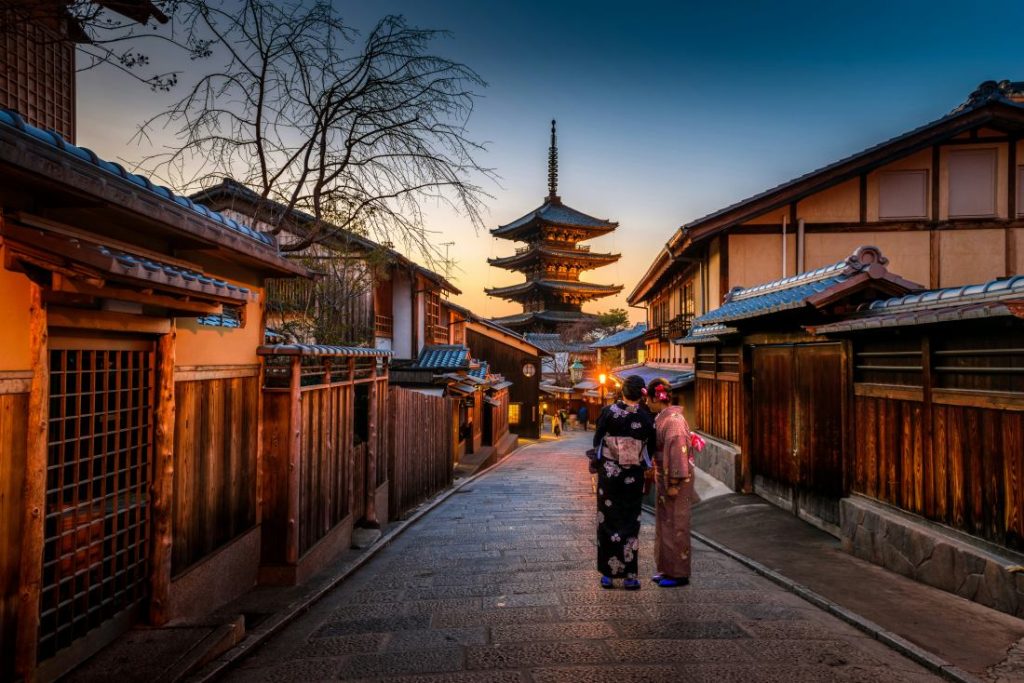
A friend of mine wrote about the Kyoto photos on Facebook that this is the real Japan he would like to see. And he’s right! Somehow you get the feeling here that this is one of the ‘most Japanese’ places in the country.
From Osaka, I traveled from Kyobashi Station to Kyoto Shichijō Station on a Keihan company train. I bought the ticket from a vending machine here too, it cost 480 yen. During the morning rush hour, there are a lot of passengers – we stood in the carriage like herrings. 🙂
From Shichijō Station, I walked about 900 meters to the main railway station, where I left my bag in a luggage locker. Depending on the size of the luggage, it’s 400-700 yen, so it’s worth leaving it here.
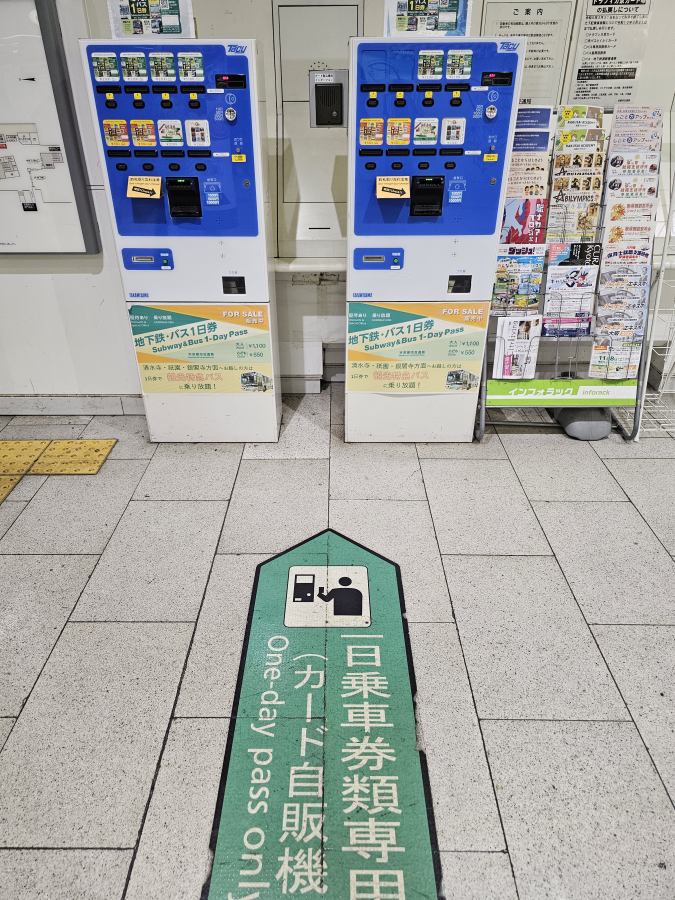
I bought a day pass, which cost 1,100 yen. This is valid for the Kyoto Metro (there are two metro lines) and the buses. There’s a separate machine for the one-day pass at the metro gates and at the station bus stop. The first time you use it, it stamps the date, and once it has the date on it, you just need to show it to the driver on the bus (at the metro, you put it in the slot at the gate).
Since I was traveling on to Nagoya at noon the next day, I had quite limited time. Looking back, I should have spent at least one more day here, but I couldn’t change the schedule anymore.
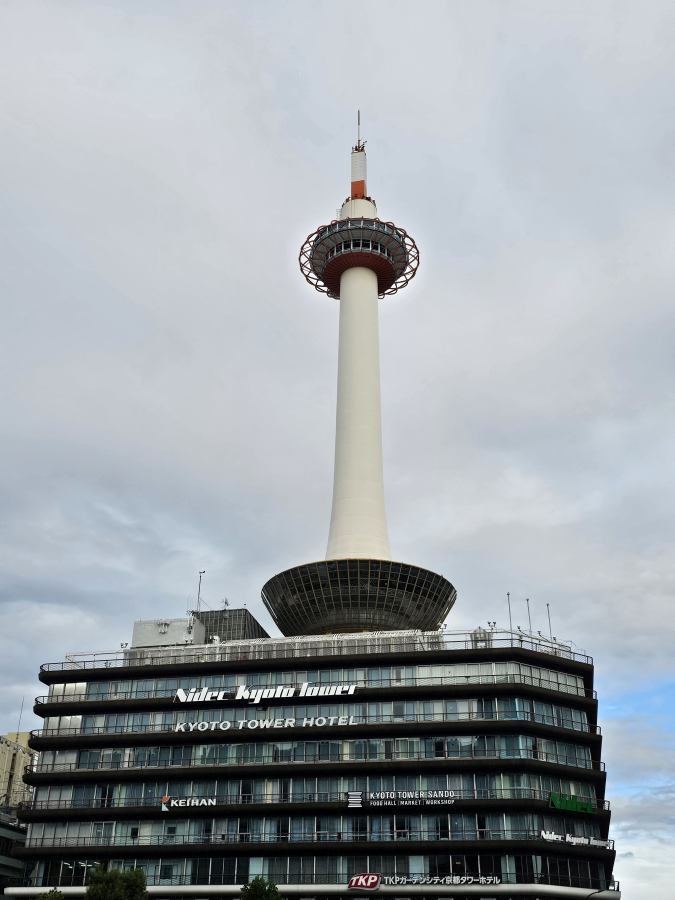
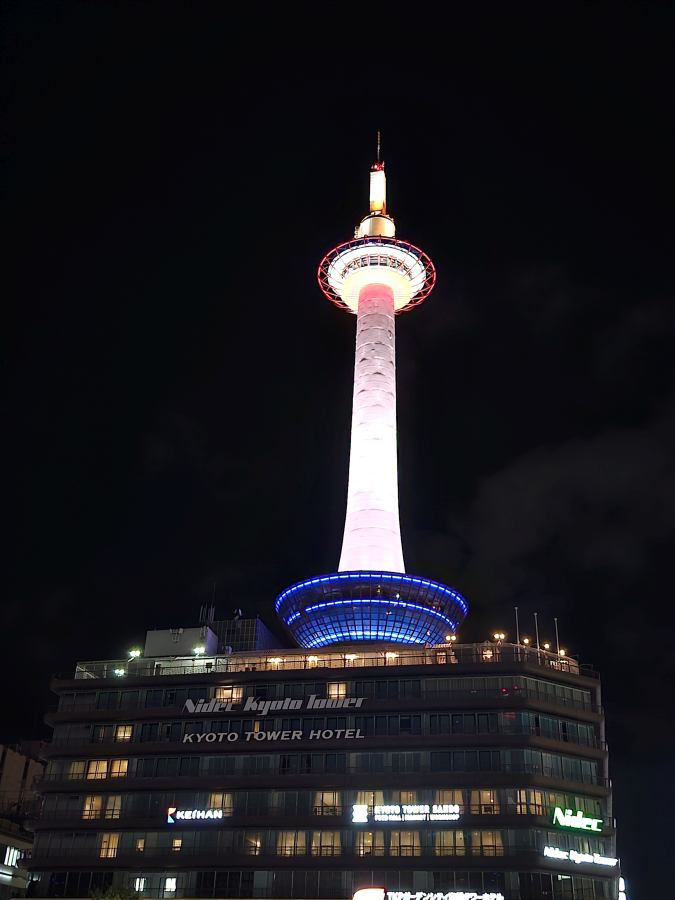
At the main station rises the Nidec Kyoto Tower, which I went up to, since several excellent viewpoints were also planned for this day.
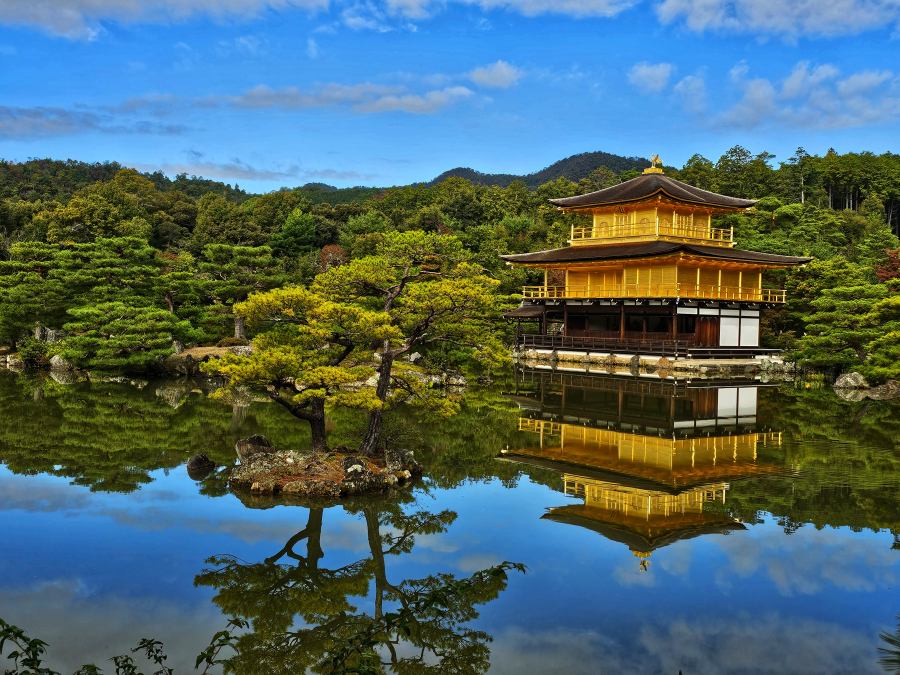
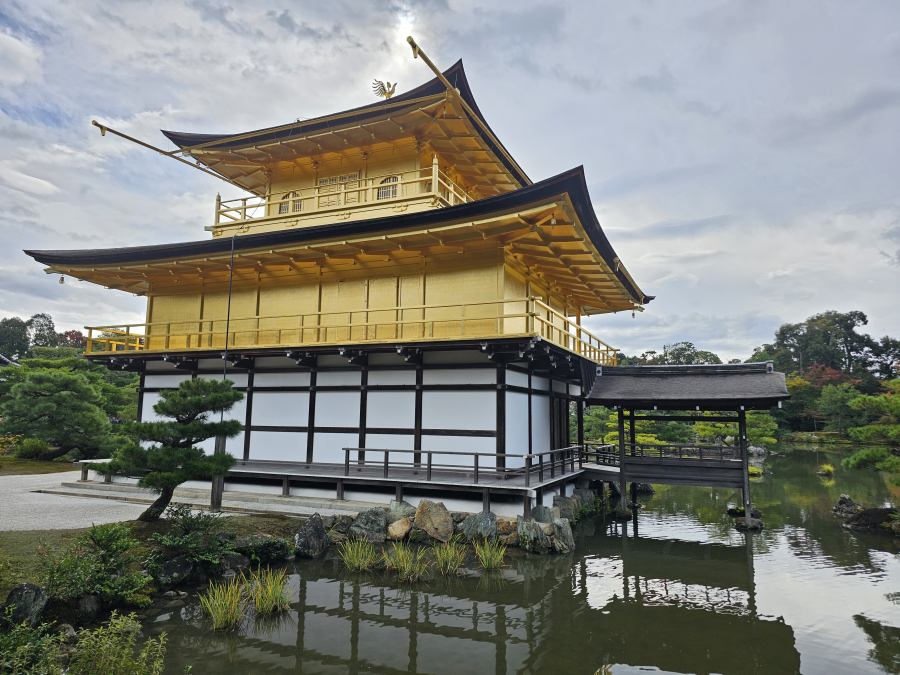
I took the 205 bus to Kinkaku-ji, or the Golden Temple. This is Kyoto’s most famous temple, which the huge crowd also showed. The admission is 500 yen and you have to follow a designated path. The temple and its surroundings are truly wonderful, but looking back, I’d say this wasn’t the most beautiful place in the city.
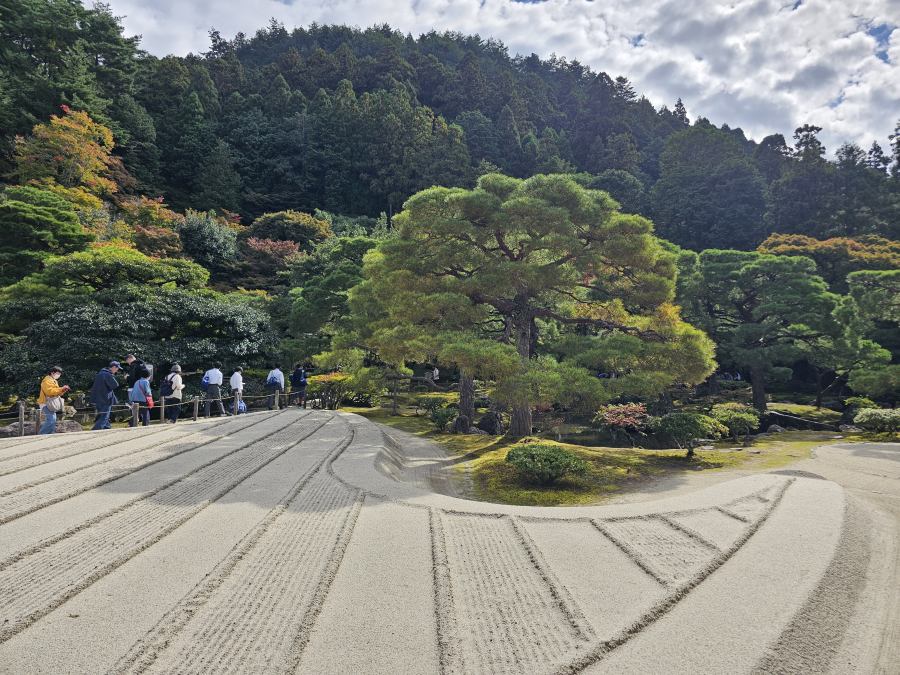
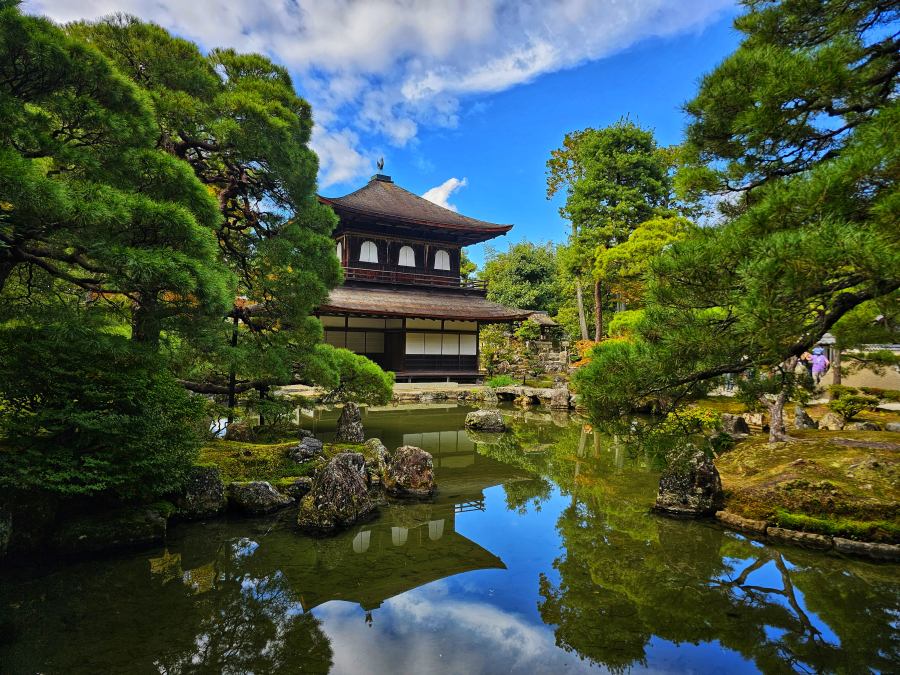
I took the 204 bus to Ginkaku-ji temple, which I liked better. It’s not as crowded as the Golden Temple, but I think it’s a more beautiful place because of the view. Here too we follow a designated route that takes us up the hillside. There are two places here where you can take great photos.
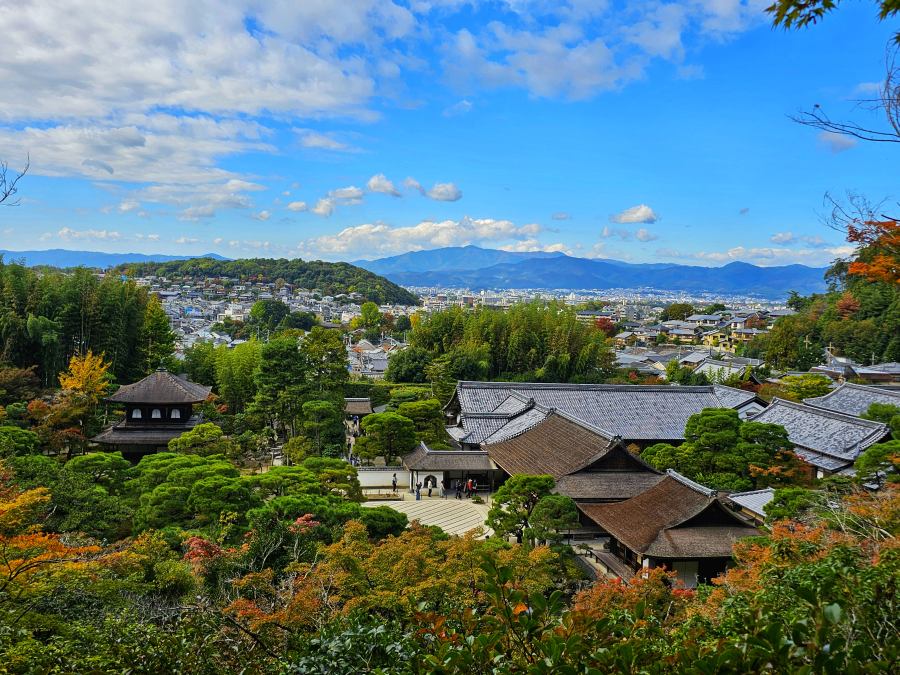
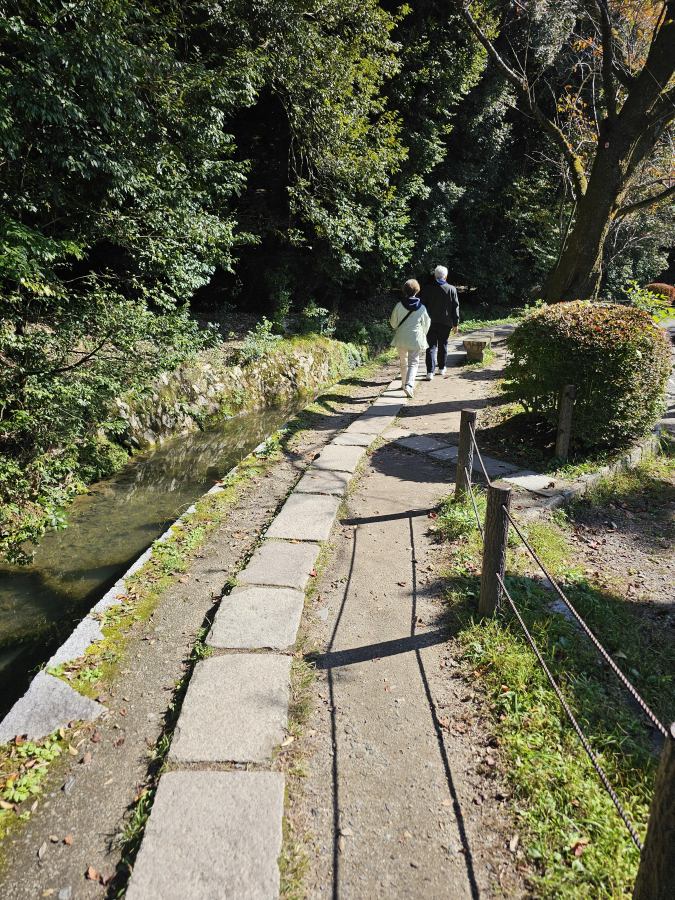
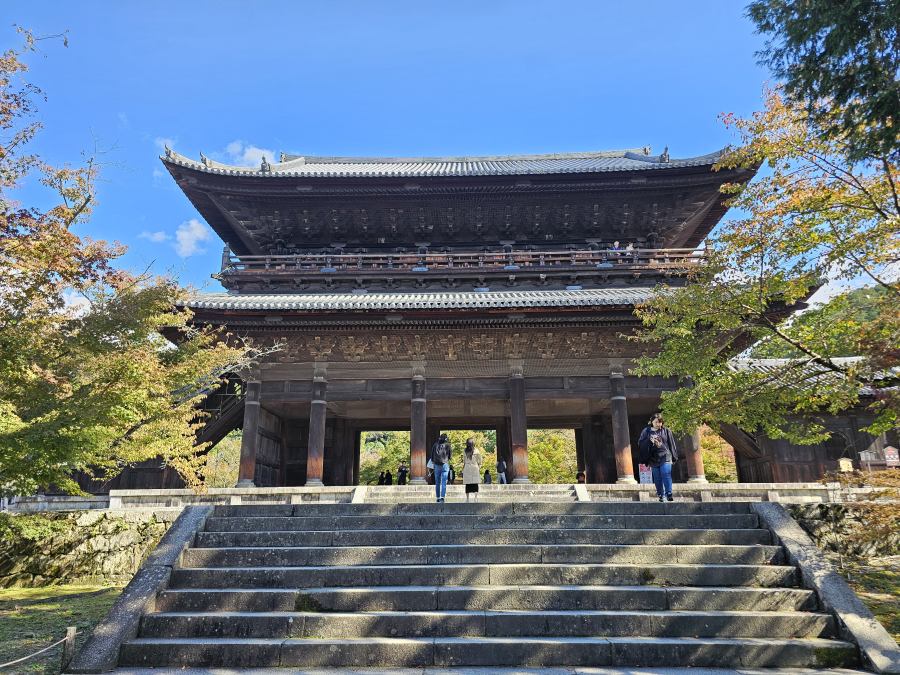
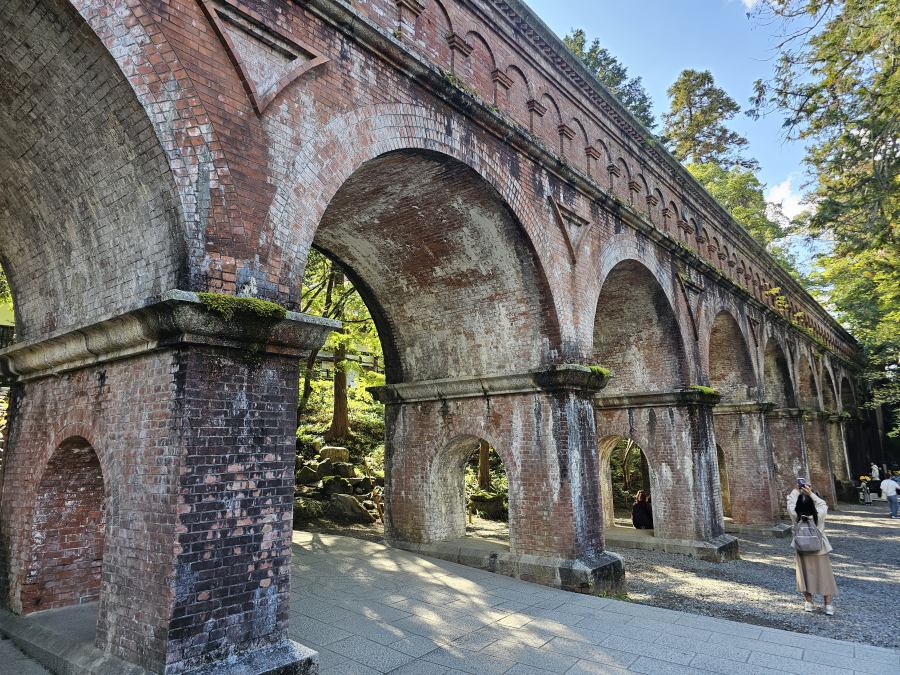
From here followed a longer walk. On the Philosopher’s Path, which runs along a stream bank, I went to Nanzen-ji temple. Many people chose this route, and it’s a pleasure to walk this section in pleasant weather. The temple’s huge gate and the arched brick aqueduct are particularly noteworthy, it’s worth visiting here.

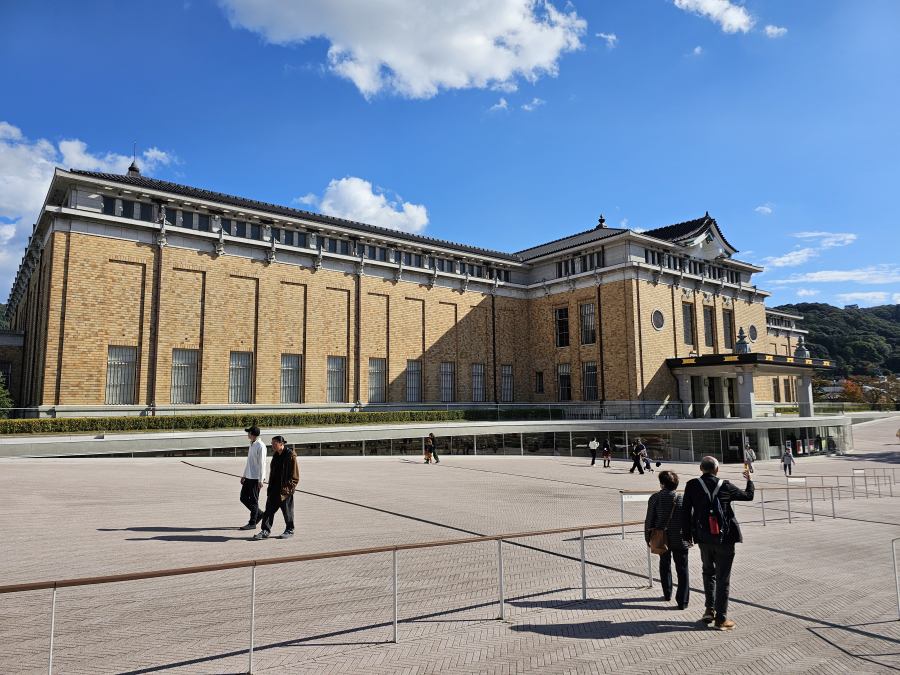
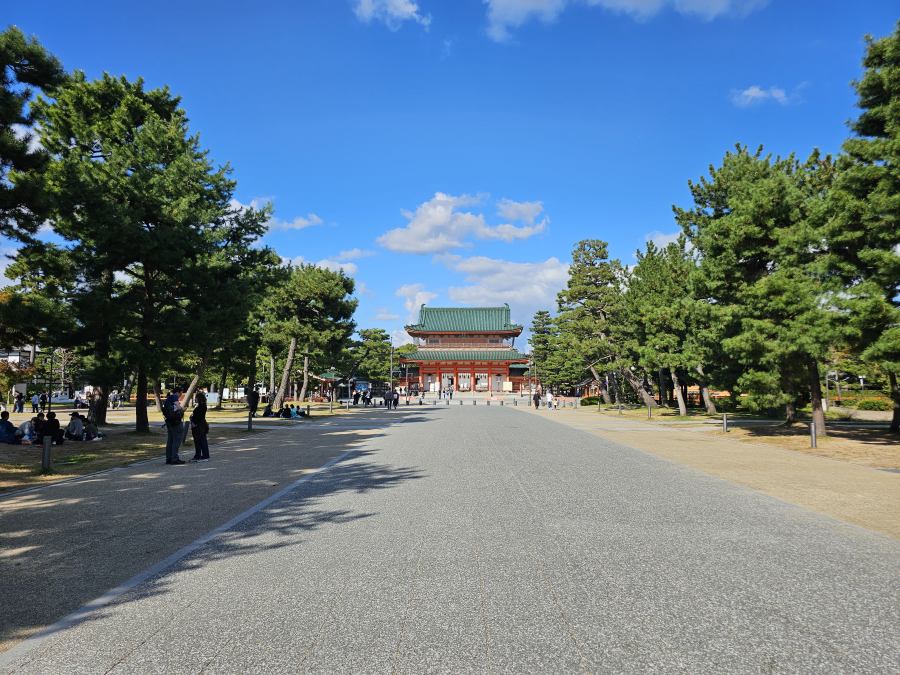
About 10 minutes away is Okazaki Park, around which several attractions can be found. I just walked past the Kyocera Museum of Art and the zoo, and explored the grounds of the Heian Shrine. There’s nothing special here, ‘just’ a typical Shinto shrine.
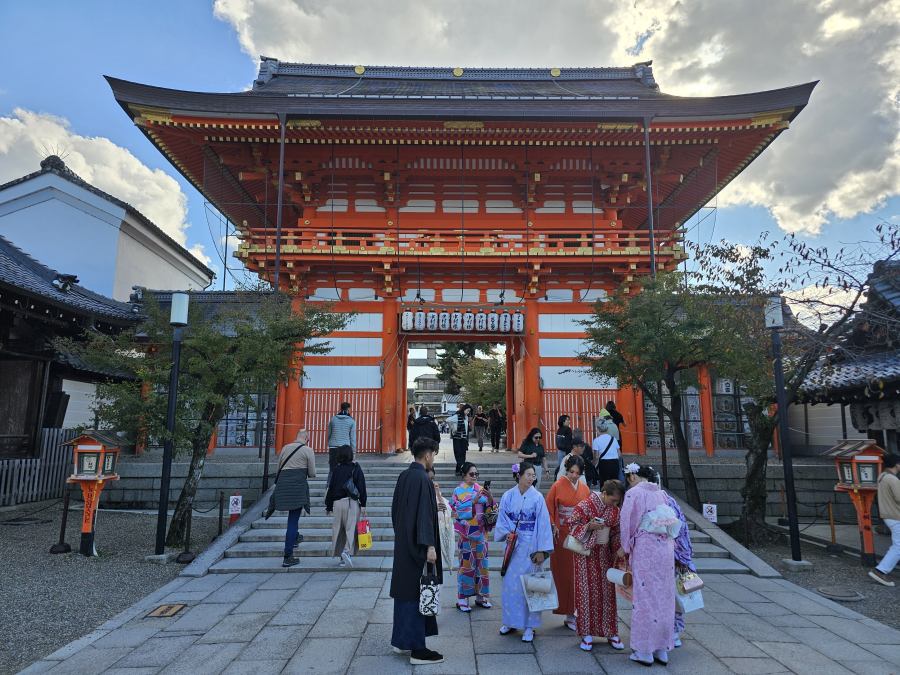
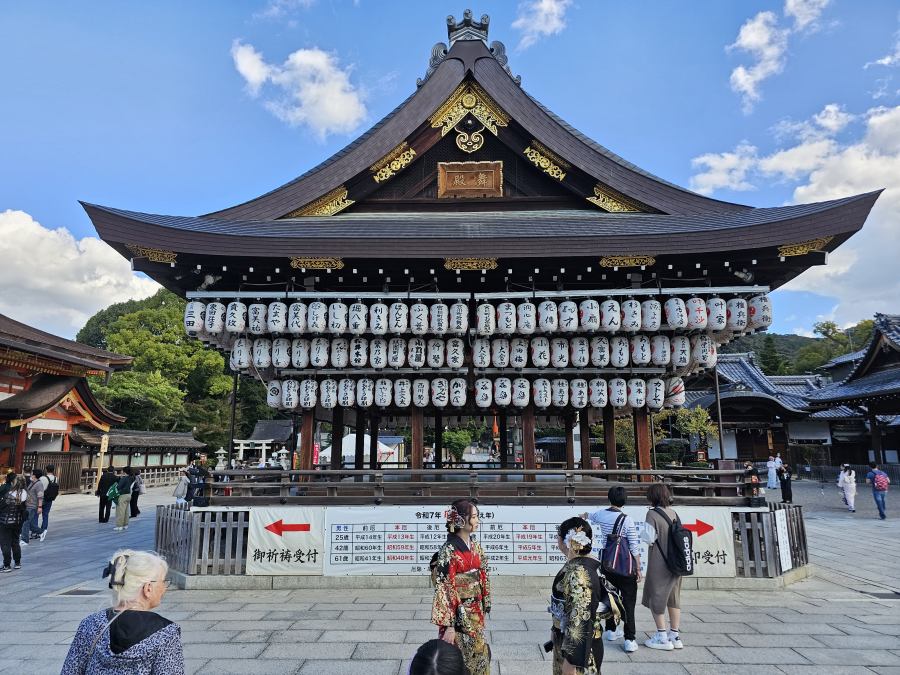
Next came the city’s most popular district, Gionmachi. The two most famous parts here are Hanamikoji Street and Yasaka Shrine. There are big crowds, tourists mostly come here, which somewhat diminishes Kyoto’s authenticity. The shrine is very beautiful, lying on quite a large area with a pond at the back.
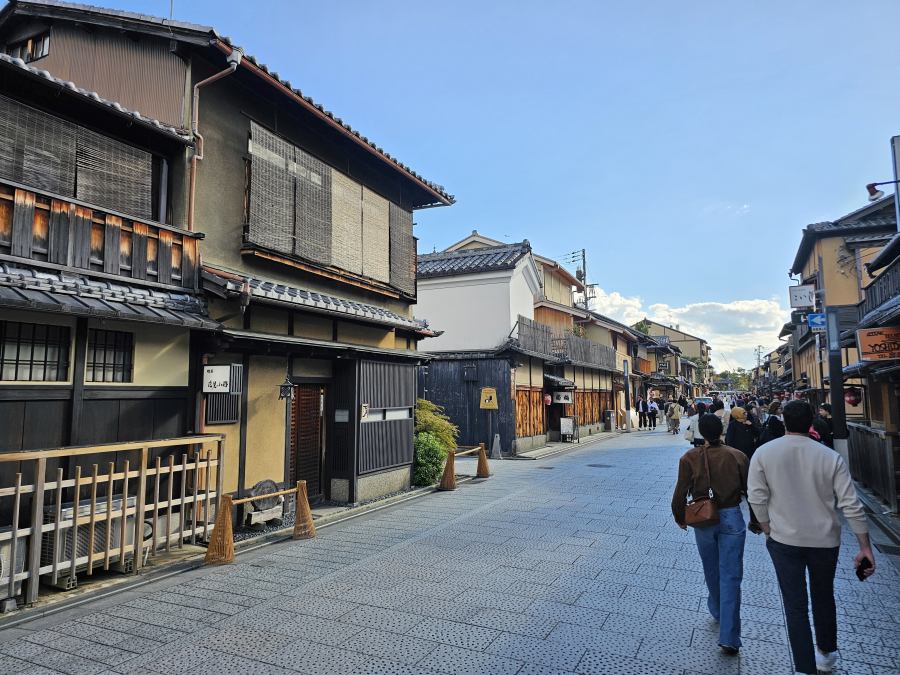
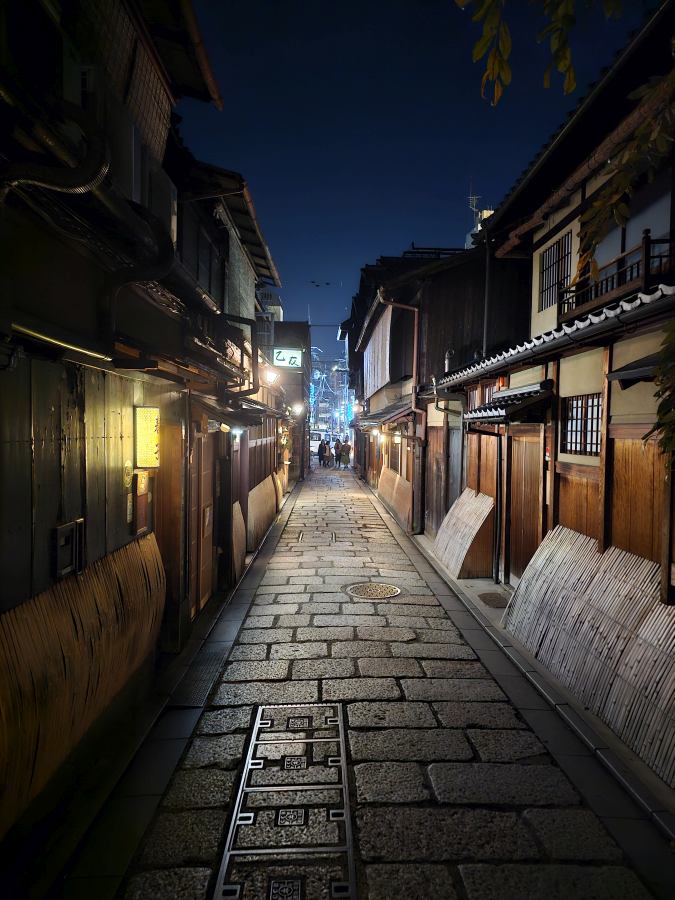
A few hundred meters from the center of the district is the Shirakawa stream bank, which I think is worth walking to. There are slightly fewer people here, but the riverside wooden houses and streets exude a real Japanese atmosphere. I also came here in the evening, I liked the place so much.
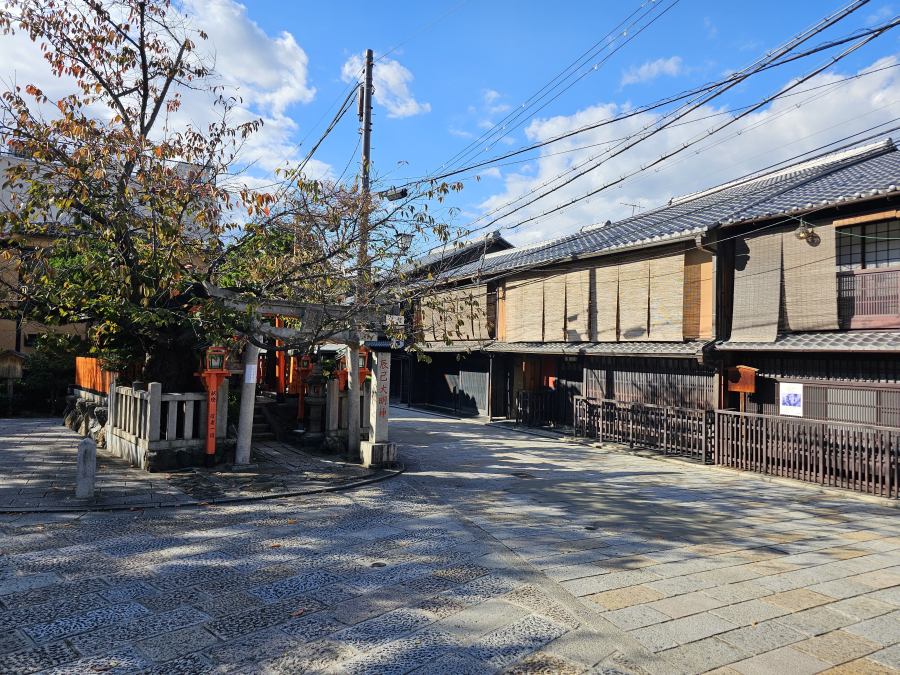
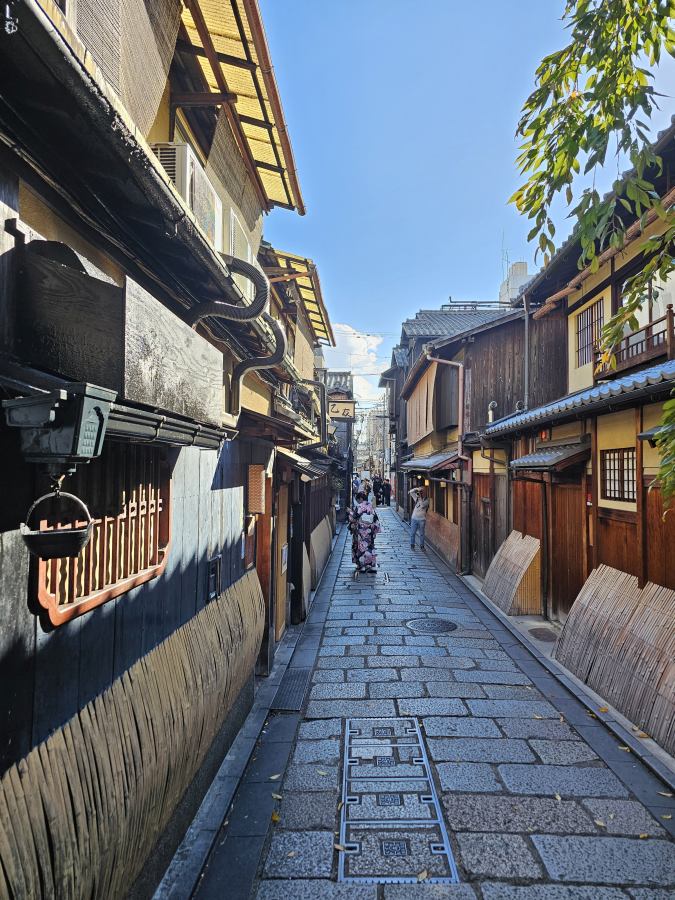
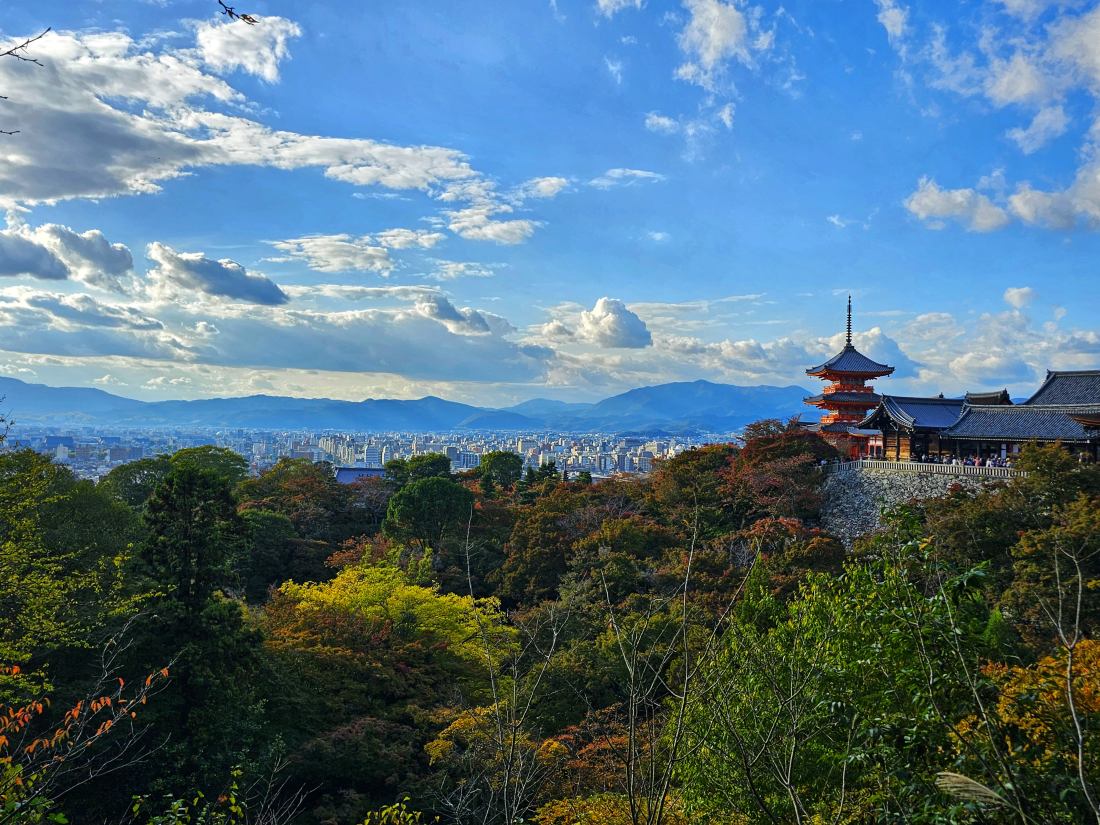
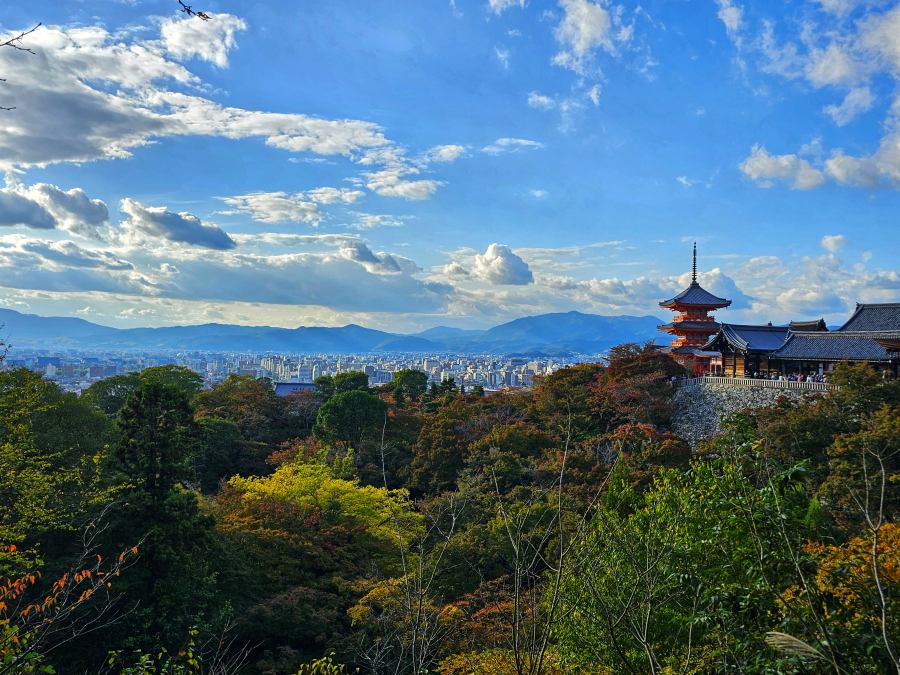
From the Gion district, you can most easily get to the deservedly most beautiful temple, Kiyomizudera. The streets below the temple on the hillside are the busiest. The crowd is huge, not the most enjoyable part. But the wonderful view is still worth it: the Hokan-ji pagoda is an iconic image, unmissable to photograph even among so many people. You can see many ladies in kimonos, although many of them aren’t Japanese but are walking around in rental clothing. 🙂
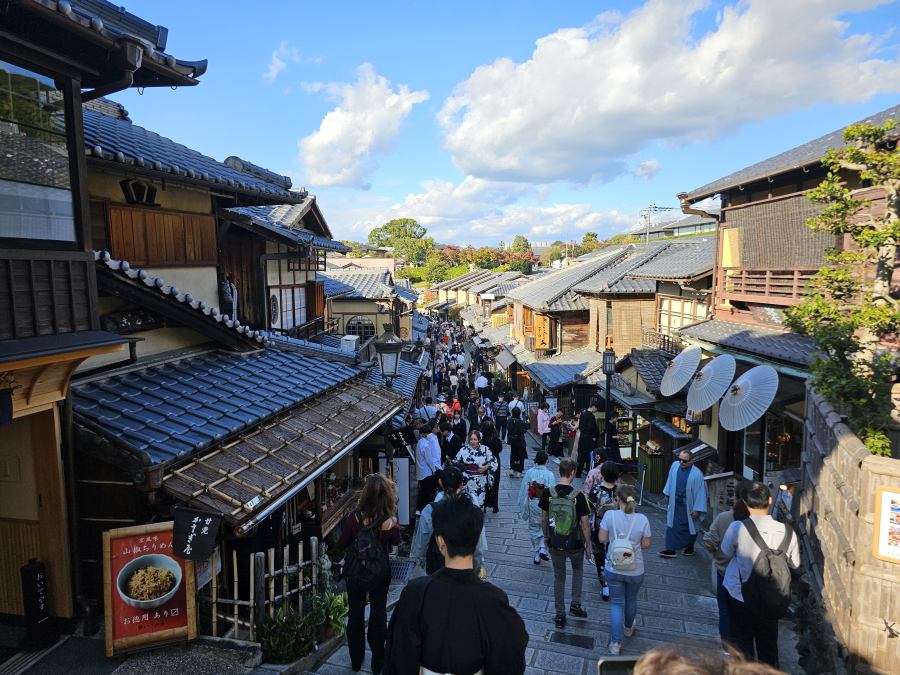


We reach Kiyomizudera temple by stairs, but the climb and the 500 yen are worth it. From here, the view of Kyoto is the most beautiful, which the photos also capture well:


There was still one mandatory sight left, the Fushimi Inari Grand Shrine. This is a little further out, which can be most easily reached by train. I went on the Keihan company line from Kiyomizu-Gojō station to Fushimi-Inari, the journey takes about 15 minutes. From the stop, one street leads directly to the shrine.
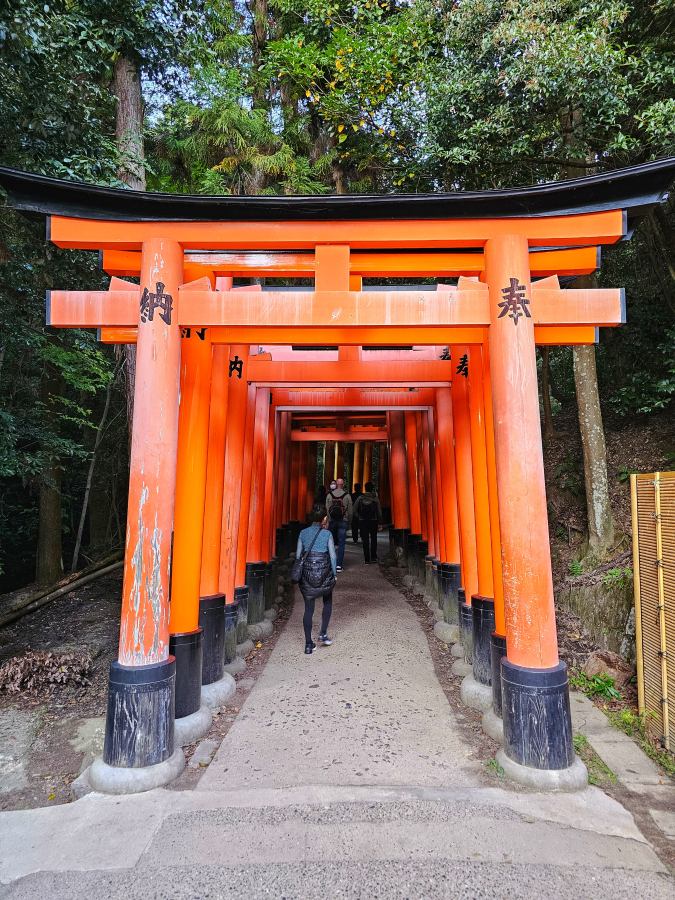
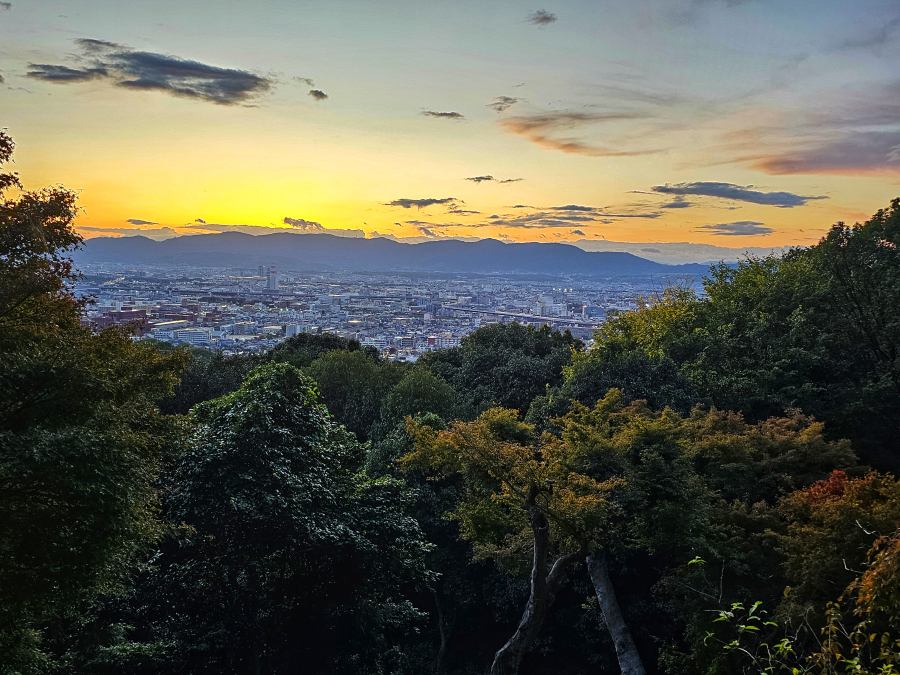
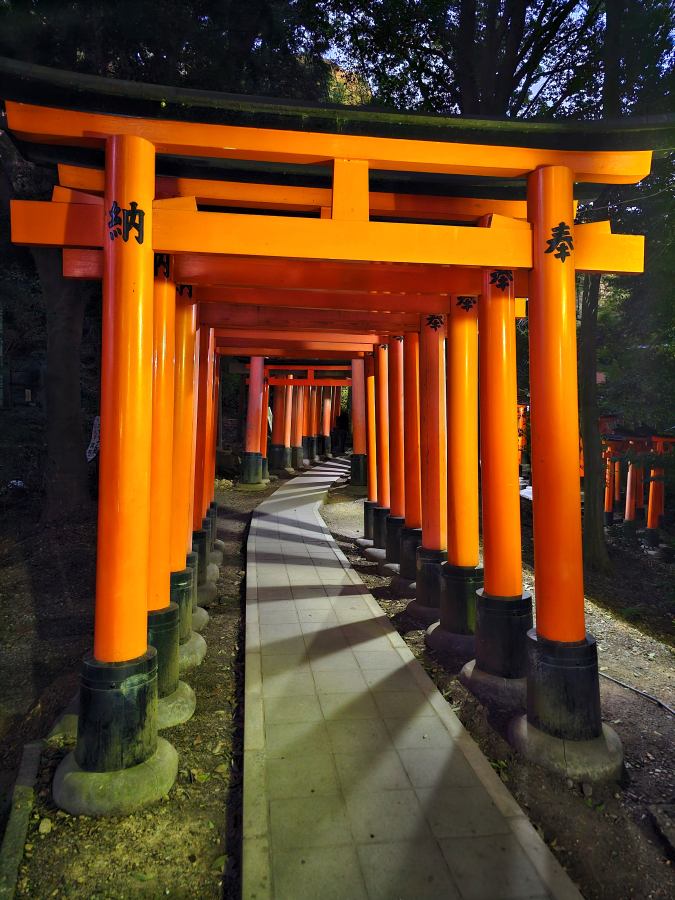
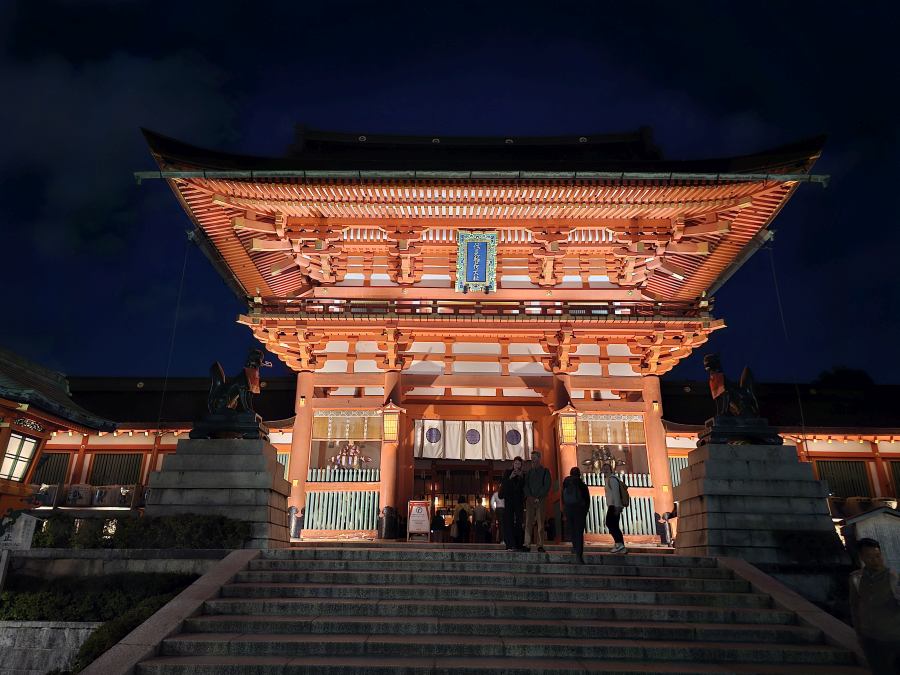
This shrine is famous for the path leading under countless red gates. It would be difficult to count them, it really seems like they show the way to infinity. I didn’t even go all the way to the end, because it got dark in the meantime. However, I managed to catch the viewpoint during twilight. On the way down, I didn’t even go the same way, to have some variety. Down at the square in front of the temple gate, it was already dark, which had an even better atmosphere than in daylight.
I took the number 5 bus back to the main station, where I picked up my bag and went to the accommodation. I managed to photograph the Kyoto Tower illuminated as well:
Although I was tired, I still made a quick evening visit to the Gion district. It’s worth strolling aimlessly even then, we get an equally wonderful experience.
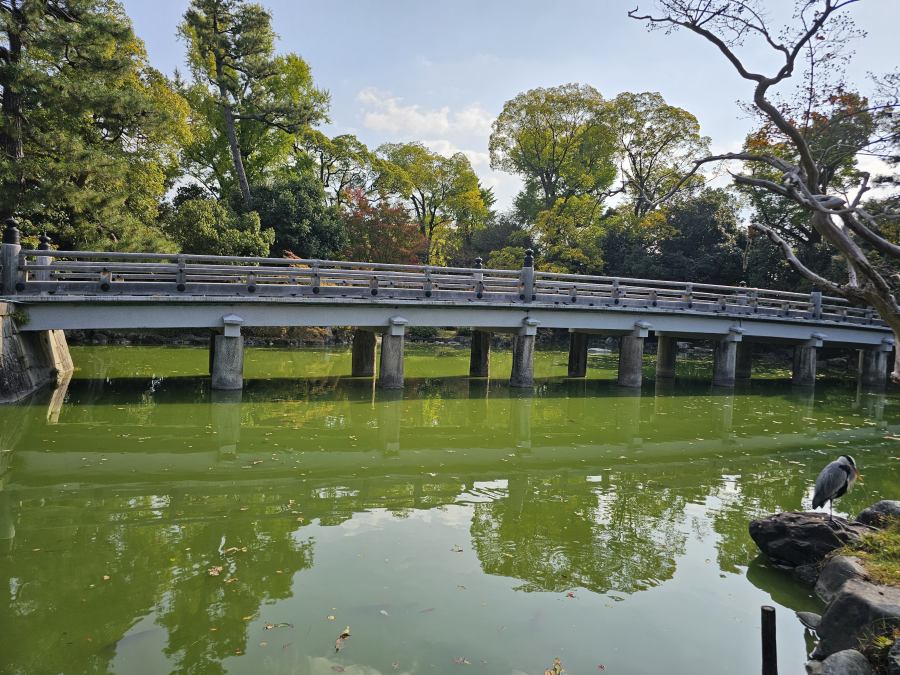
The next day I visited two more places before I set off for Nagoya. Kyoto Gyoen Garden is the city’s largest park, with the Imperial Palace as the main building inside.
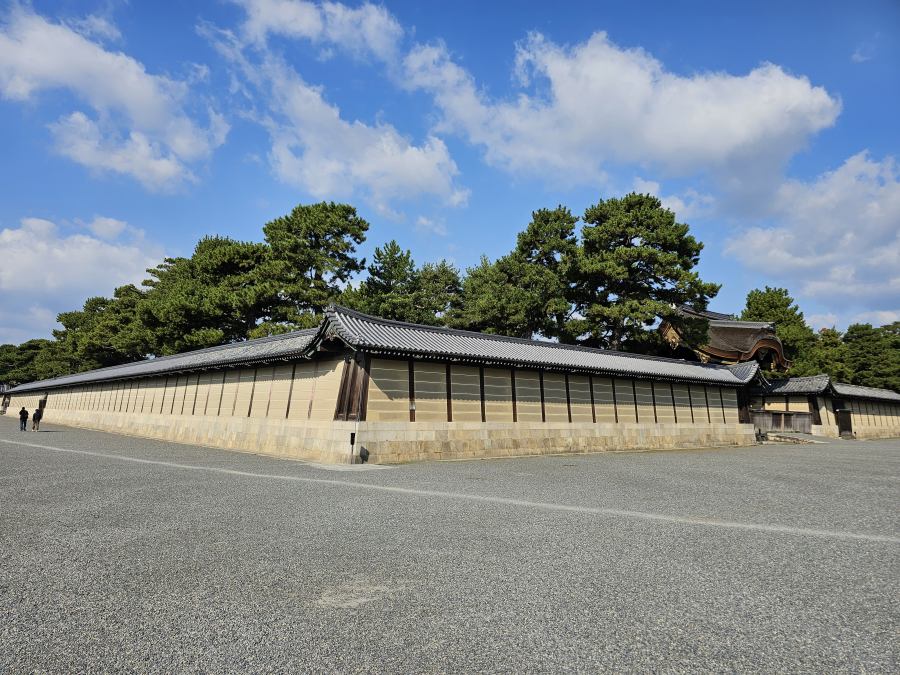
The other was Higashi Hongan-ji next to the main station, which is a huge temple. We can even enter the shrine part for free, we just have to take off our shoes.
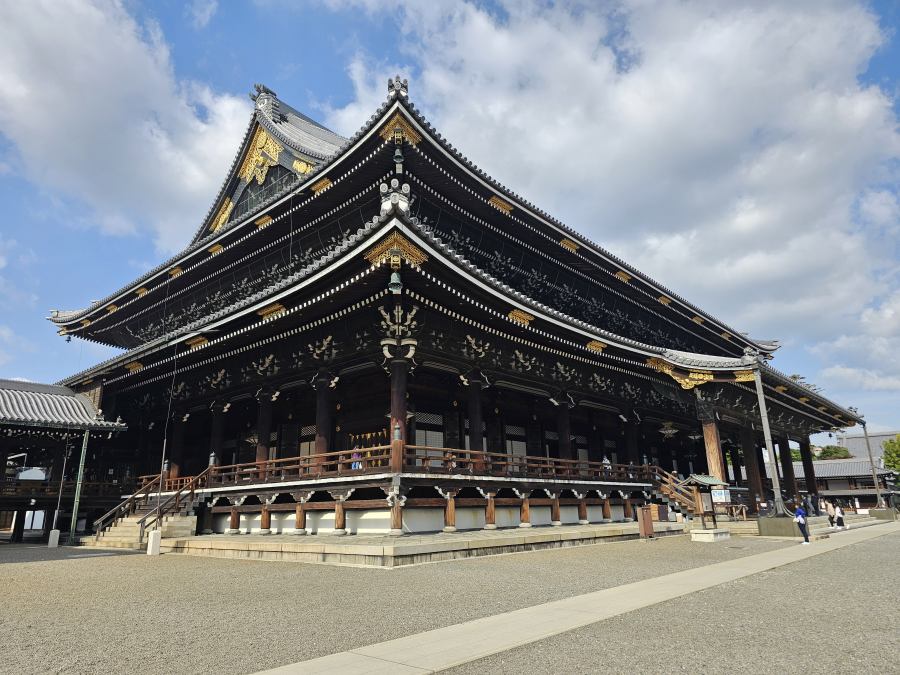

Table of Contents
Summary
Kyoto is truly an authentic Japanese city with countless attractions. Most places are very crowded with tourists, but if you find a less crowded place, enjoy it! And don’t dedicate just one day to it, because it’s worth spending at least two full days here at minimum!