I arrived in Osaka and besides exploring the city, I also visited Kobe and Nara from here. By the end, I got to know Japan’s 2nd largest city quite well.
In Part 1, I wrote about useful information and things to know – it’s worth starting with that!
Arriving from Shanghai, my plane landed at 12:10 PM, and after a lengthy entry process, I took the train to the city. The Airport Express operated by Nankai runs to Namba Station, the journey takes about 50 minutes. The ticket costs 970 yen and can be purchased from a machine (cash only).
My accommodation was the Toyoko Inn, which I can confidently recommend. It was a clean, well-equipped room, and they even provide pajamas. 🙂 A Japanese-style breakfast is included in the price, so it was around 16,000 HUF/night. It was excellent value for money. It’s located near Kyobashi Station, which is both a railway and metro station, so it’s easily accessible (and trains to Kyoto also stop here).
For public transportation, I bought a day pass every day, which allows unlimited use of the metro and buses for that day. For the metro, you can only use the Osaka Metro lines, not the other (railway) lines! The day pass costs 820 yen, and it’s cheaper on weekends and holidays at only 620 yen. At the machines, you can only pay with cash.
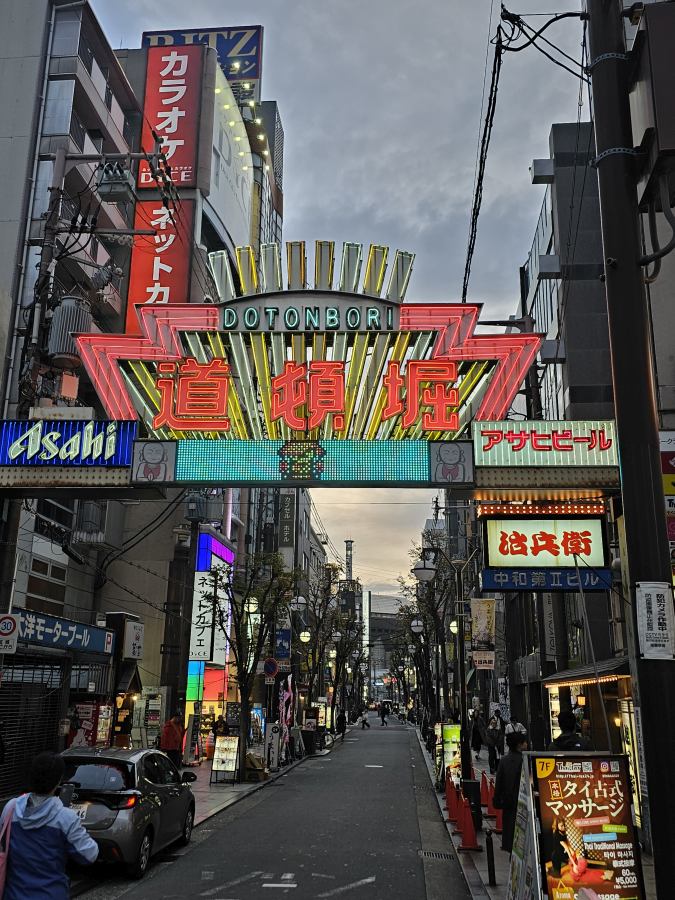
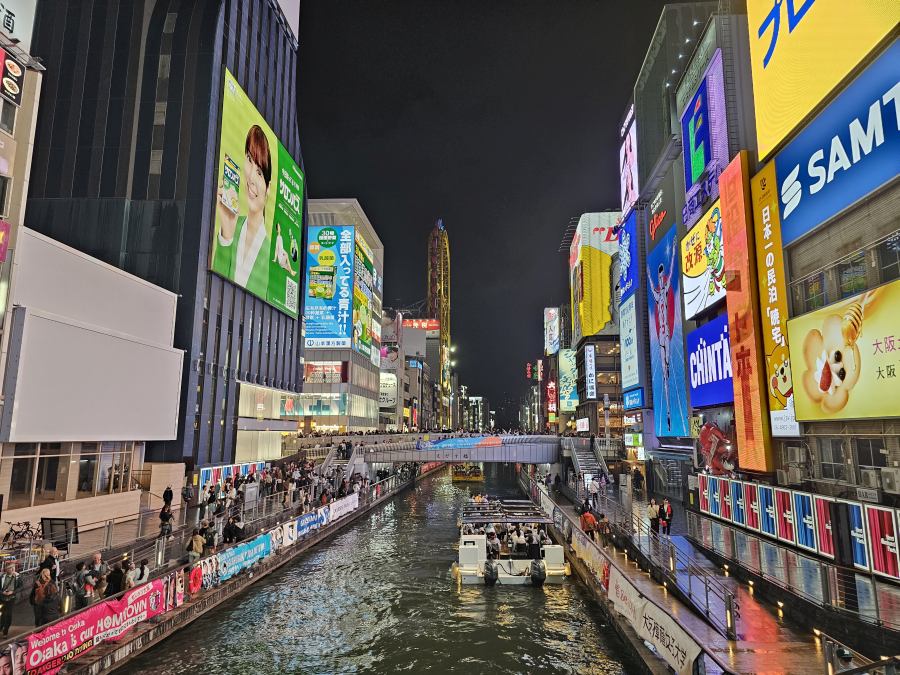
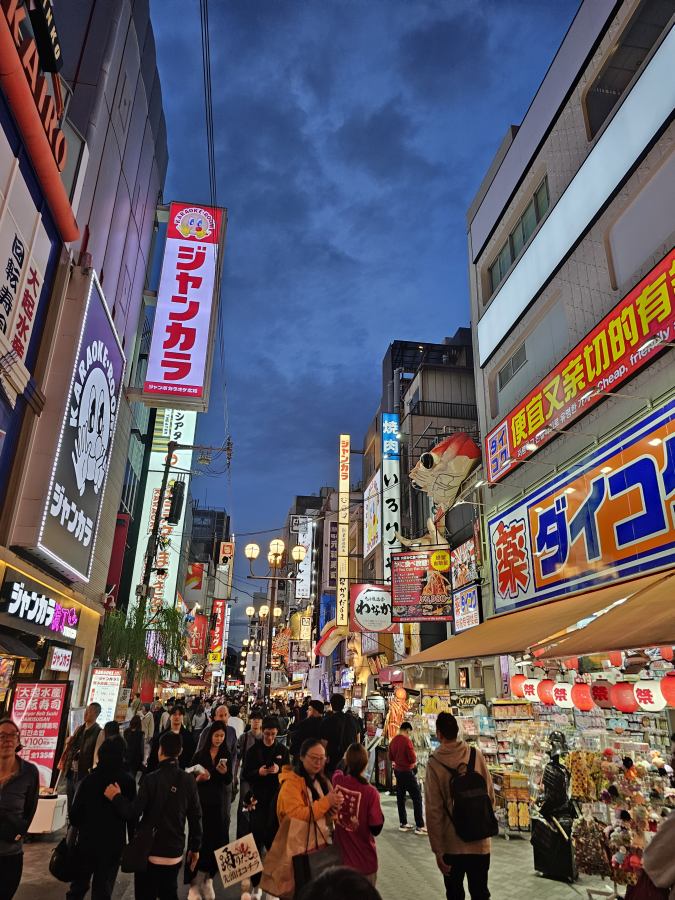
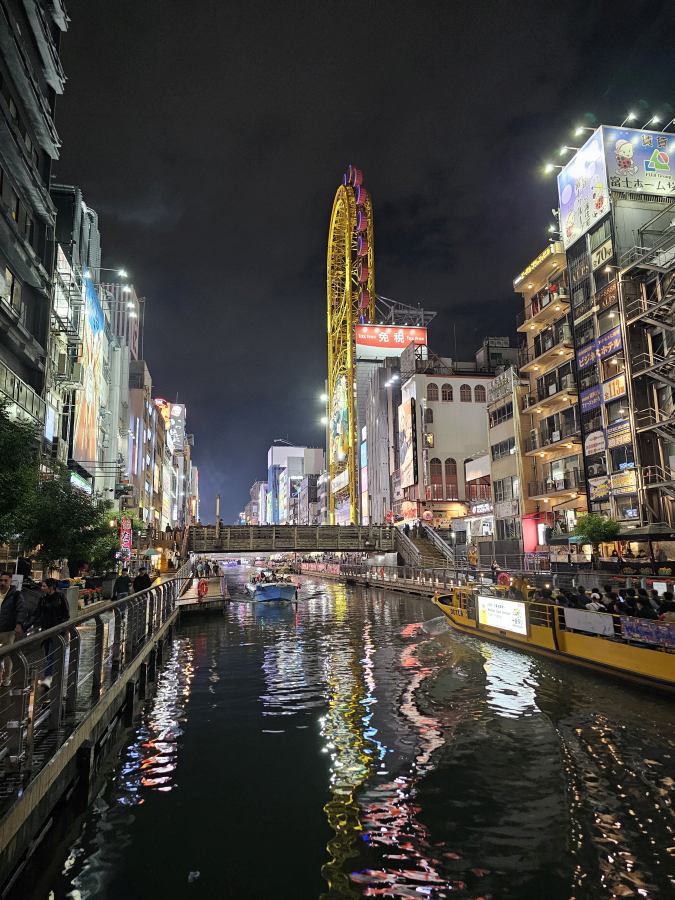
On Sunday, after checking into the accommodation, I had one place planned: Dotonbori. This riverside promenade is one of Osaka’s favorite spots, especially in the evening. Most of the iconic photos are taken here, as neon lights illuminate the entire waterfront. There are countless shops, restaurants, and bars along the river and in the surrounding streets. Tourist boats constantly cruise along the river. It’s worth wandering here aimlessly and enjoying the sight.
On Monday I went to Kobe, on Tuesday to Nara, and on Wednesday I explored Osaka, so I’ll continue with that.
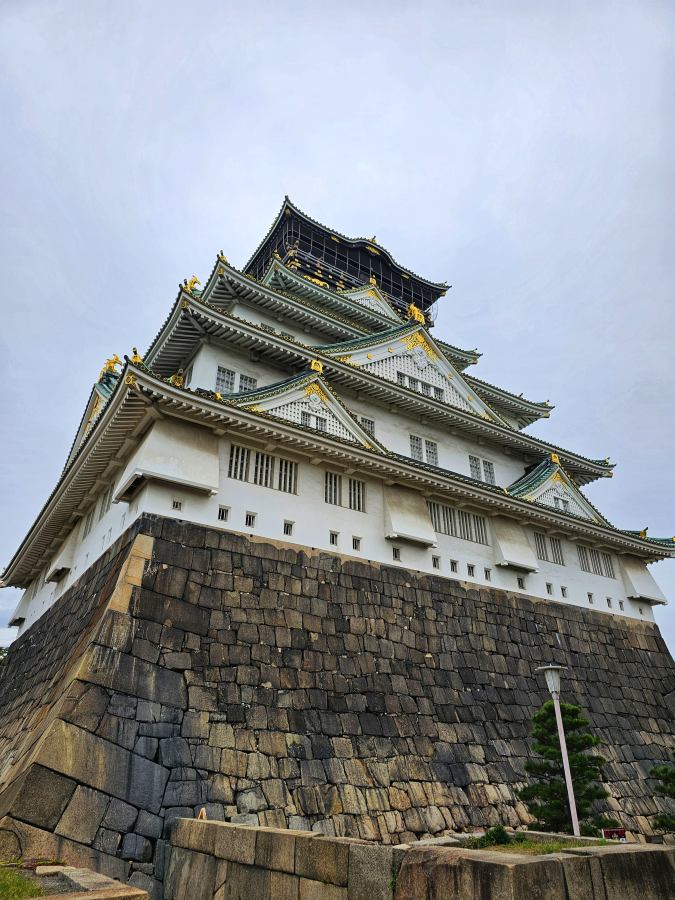
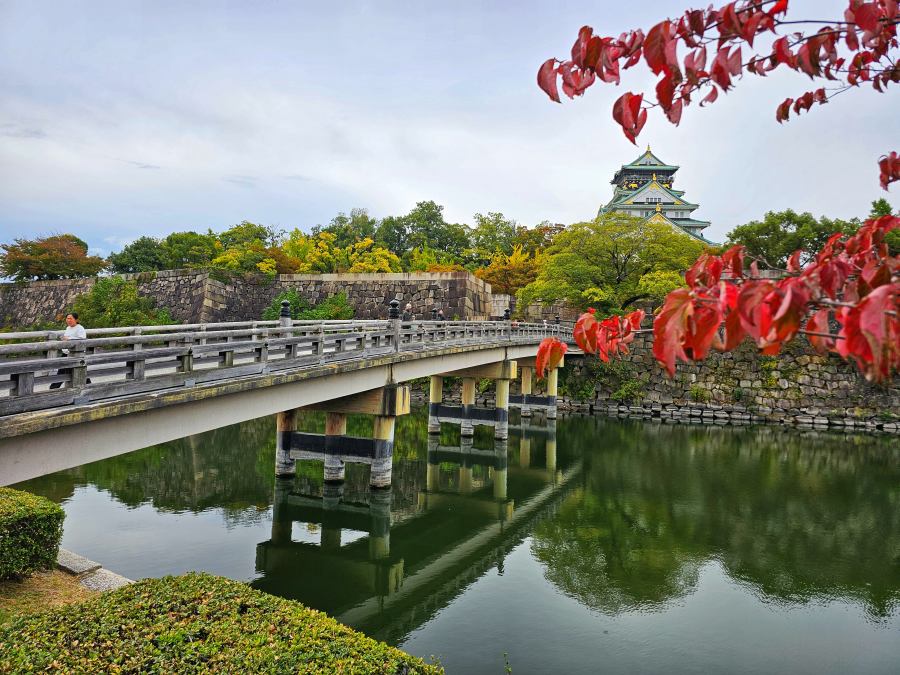
Since Osaka Castle was about a 15-minute walk from the accommodation, I started the day there. It’s an interesting sight – behind a large skyscraper stands a typical Japanese-style castle on a fortress-like area. Approaching from the south side, the building is located in the middle of a park, and from the castle walls, there’s an excellent view in every direction. On the north side is the most beautiful entrance, the Gokuraku-bashi wooden bridge. You can take wonderful photos from here.
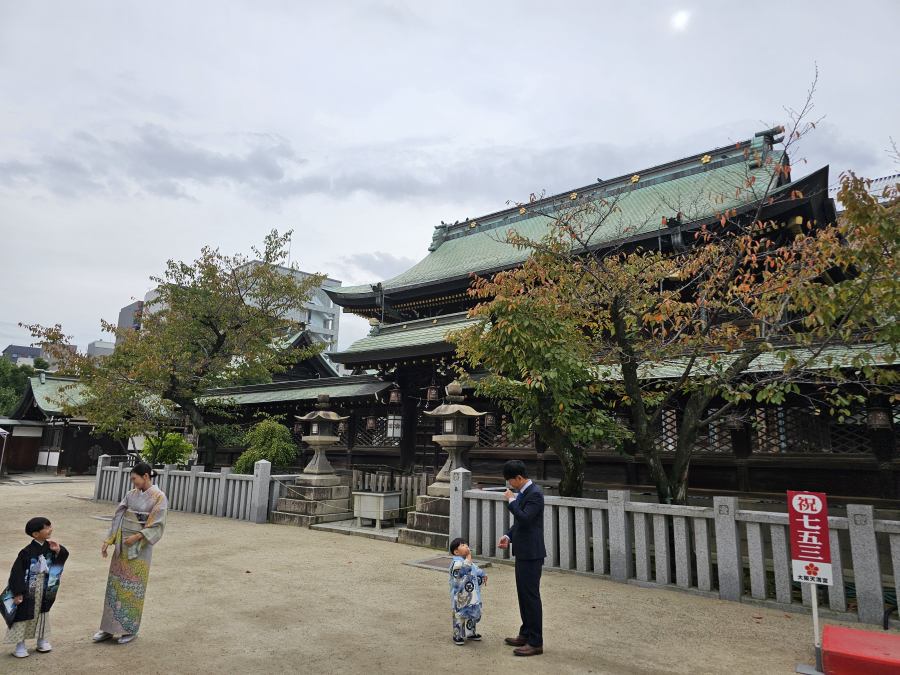
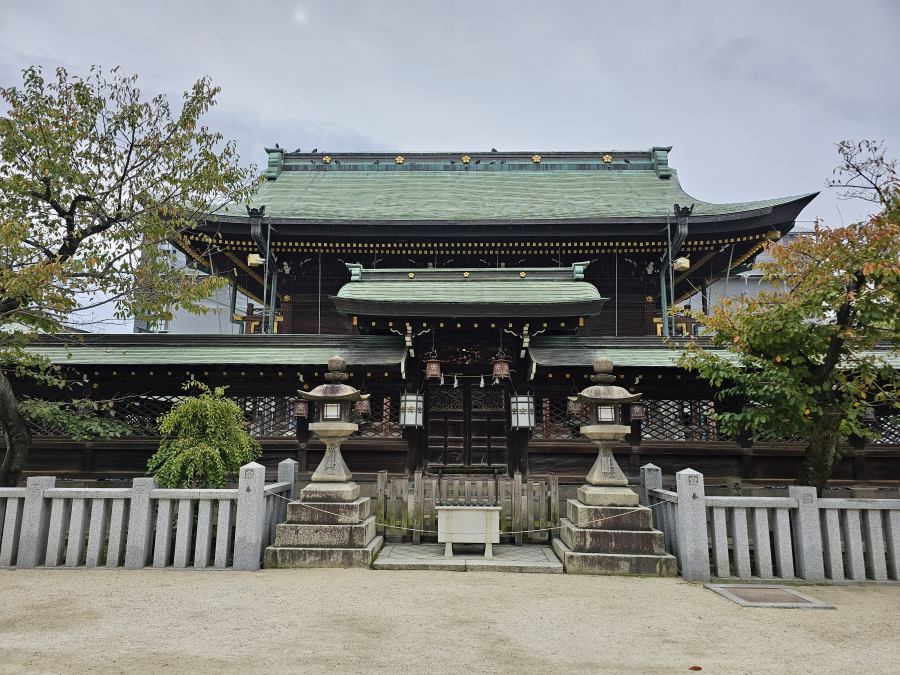
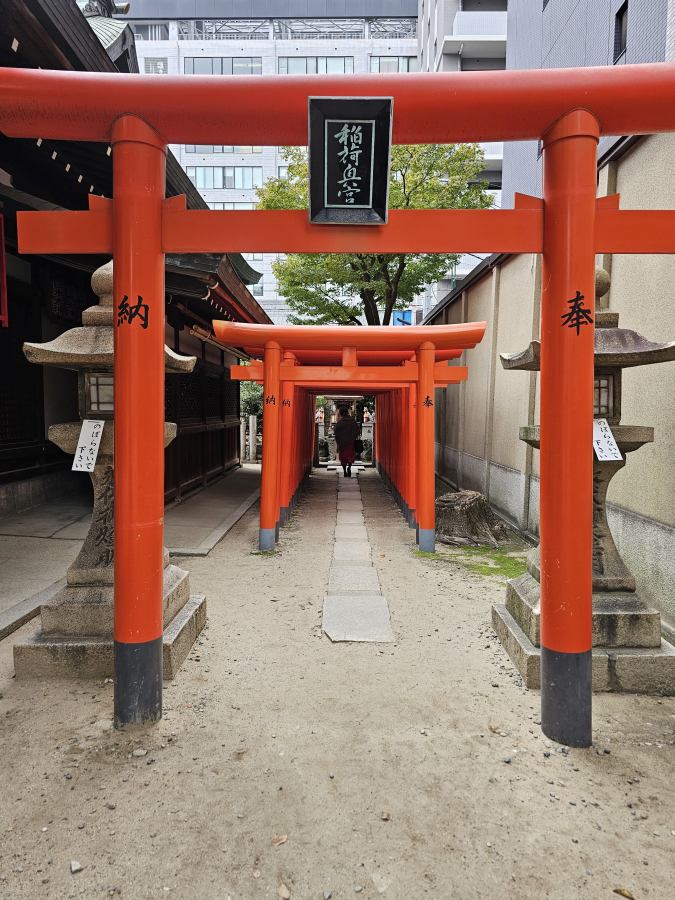
Not far away is one of Osaka’s most popular Shinto shrines, Tenmangu. After about a 1.5 km walk, I arrived here and was surprised to find hardly anyone there, even though it appears in most travel guides. The main building is currently being renovated, but even without that, it’s an atmospheric place among the residential neighborhood.
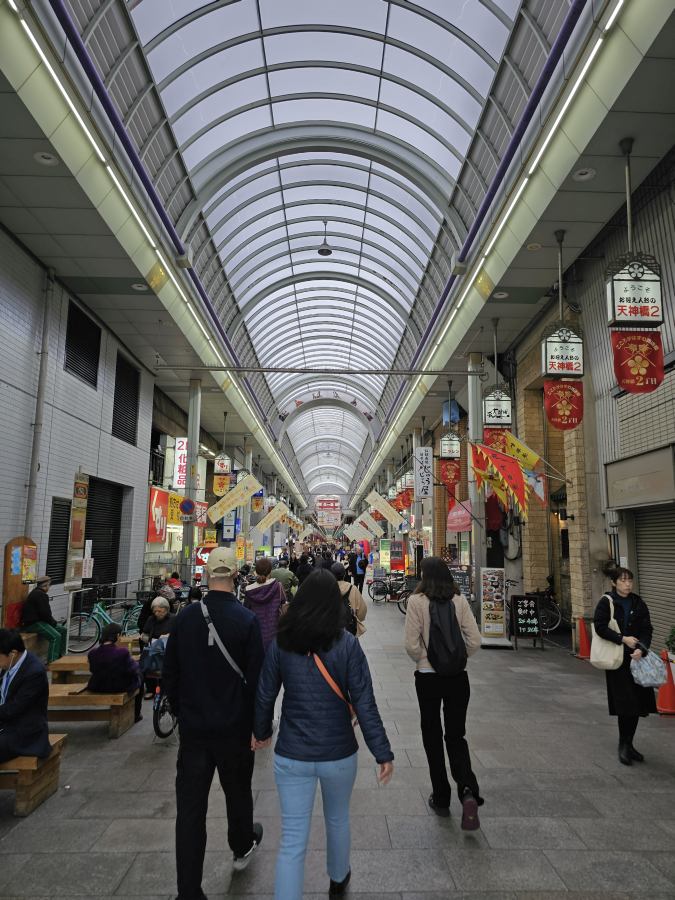
About 200 meters from here begins one of the city’s most famous covered shopping streets, Tenjinbashi. This is a nearly 1.5 km long street, full of shops and eateries. It’s worth walking at least part of it; there were relatively few tourists here as well.
I took the metro to Ebisucho Station, where I explored Tennoji Park and its surroundings. The steel-framed observation tower, Tsutenkaku, is visible from many places. I didn’t go up there because I had planned to visit the Umeda Building observatory in the evening.
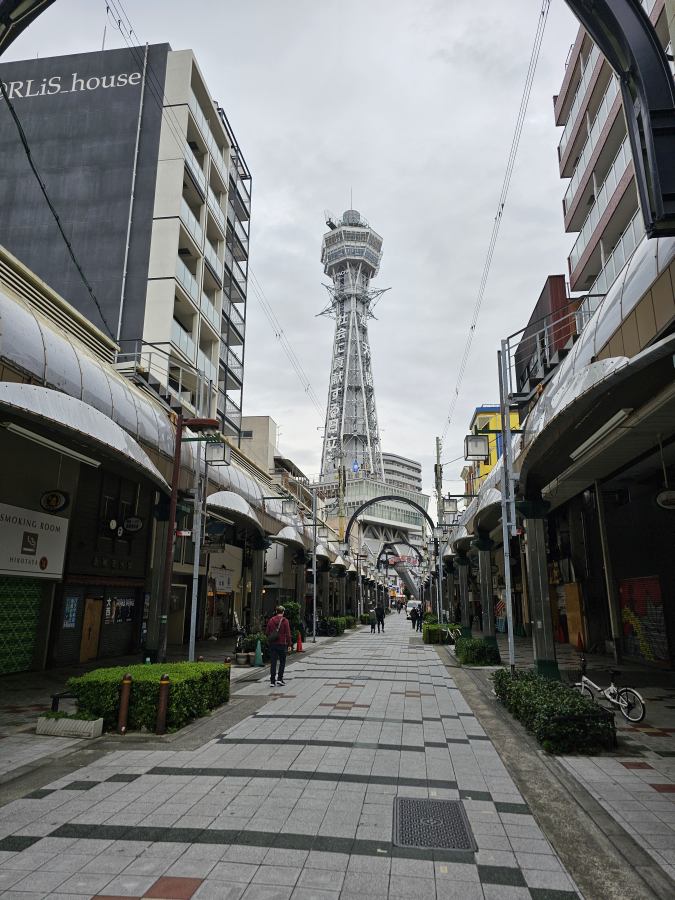
In the northern part of the park, I checked out the Isshin-ji Buddhist temple. Honestly, I liked this better than Tenmangu.
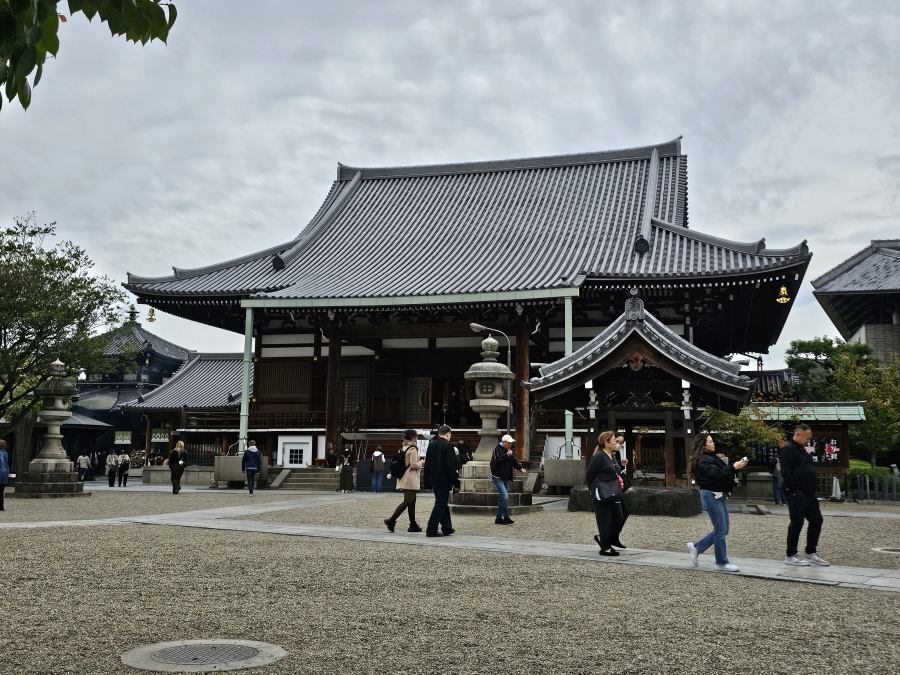
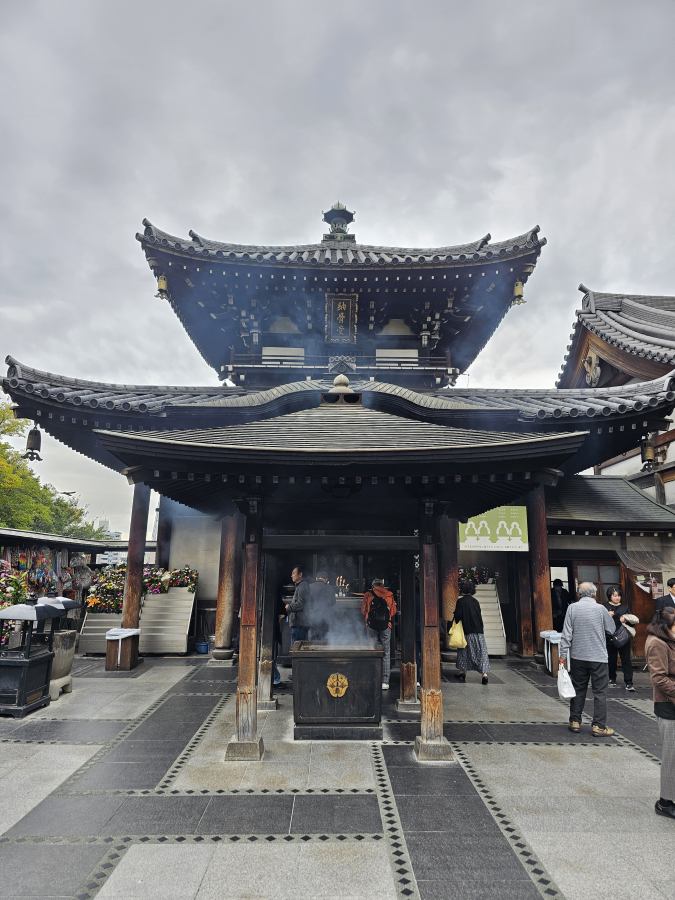
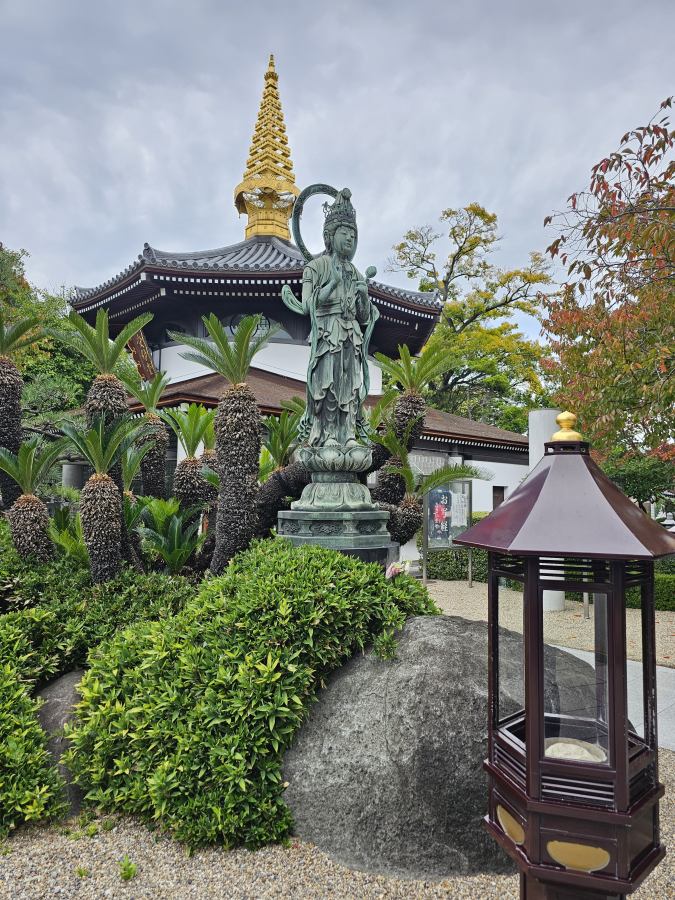
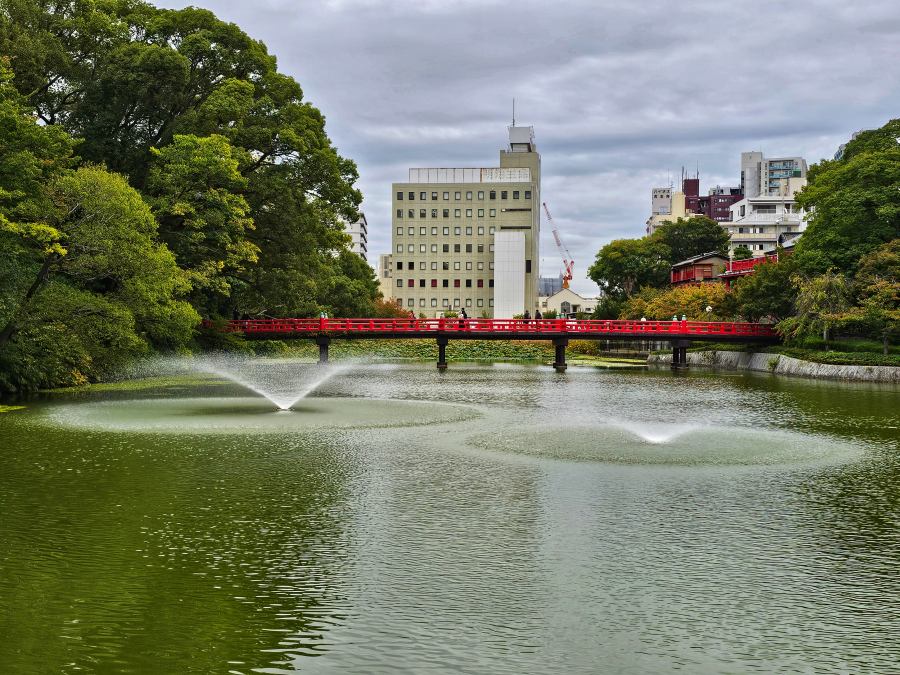
It’s worth spending time at Tennoji Park. In the middle is a small lake spanned by an iconic red bridge. The Wake Bridge, together with its surroundings, is practically a must-visit.
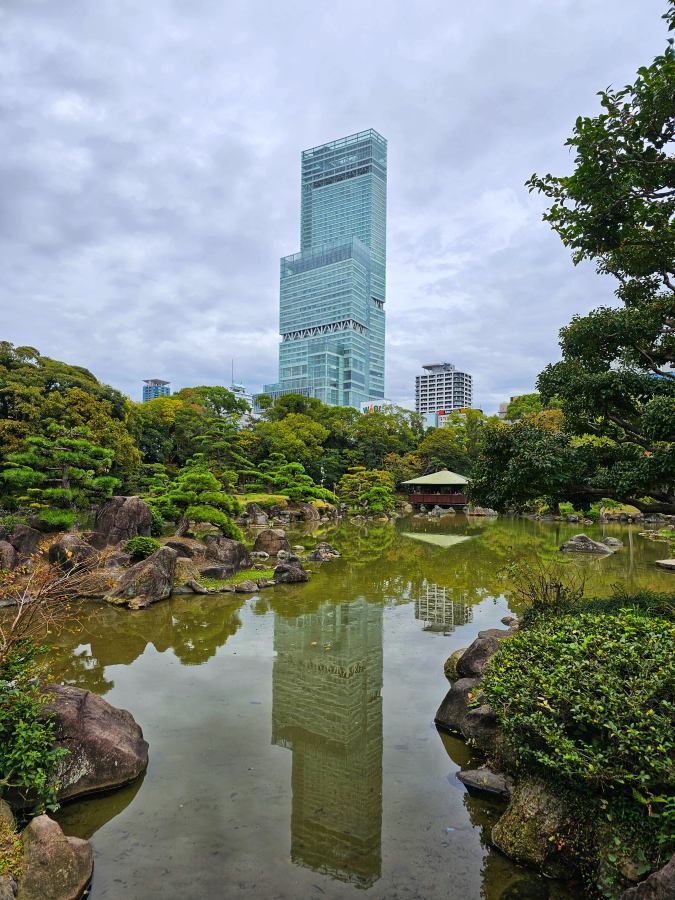
I also went into the adjacent Keitakuen Garden; admission is 300 yen. The garden itself is an average Japanese garden, but there’s a very good view of Osaka’s tallest building, the Abeno Harukas. This little garden is worth a fifteen-minute visit.
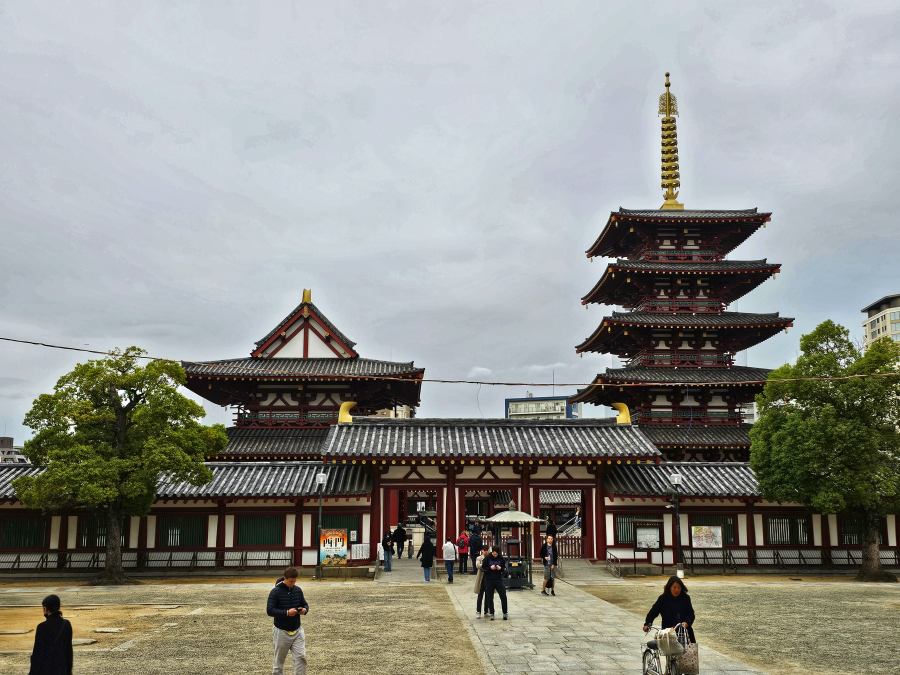
I made a walking detour to Shitennoji Buddhist temple, which is considered one of the most beautiful in Osaka. The multi-story pagoda stands out nicely from the complex, but after so many temples, it didn’t provide a special experience.
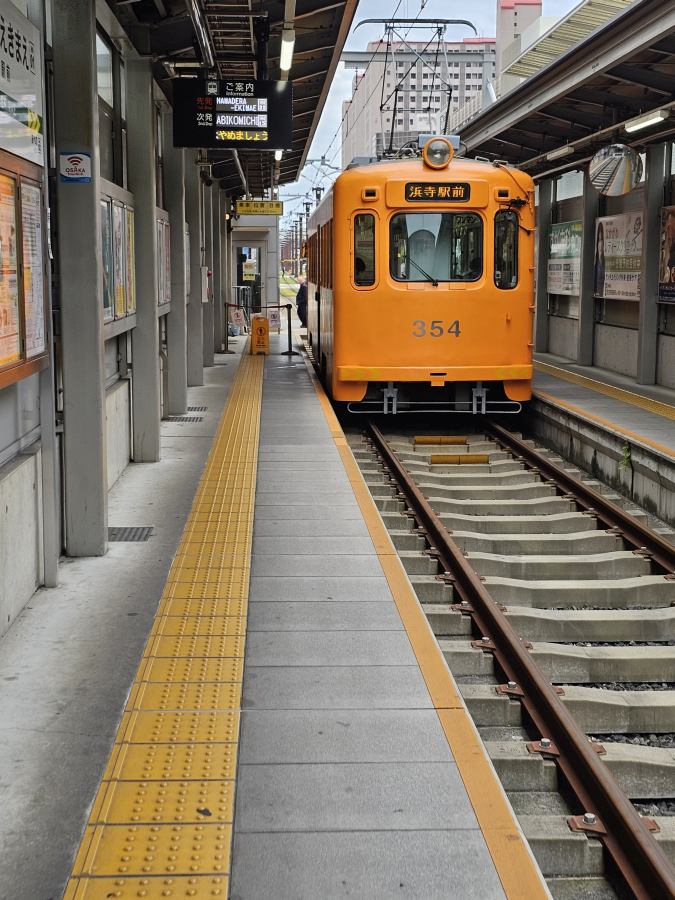
In the southeastern corner of the park is Tennoji Station, whose surroundings form a bustling neighborhood. I boarded the tram departing from the south side (Hankai Denki-Uemachi line), which took me to the also popular Sumiyoshi Taisha Shinto shrine. The tram is old-style, very atmospheric to ride on. Interestingly, you have to board through the rear door and exit through the front, paying for your ticket when you get off. At the shrine – since it’s further from the city center – there were also fewer tourists. It covers quite a large area with many smaller shrines.
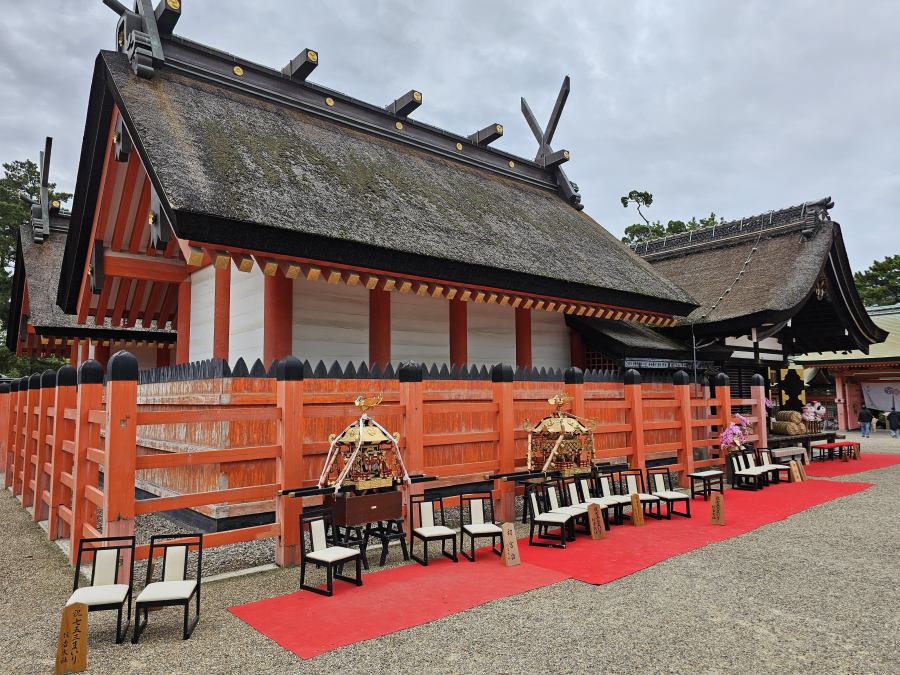
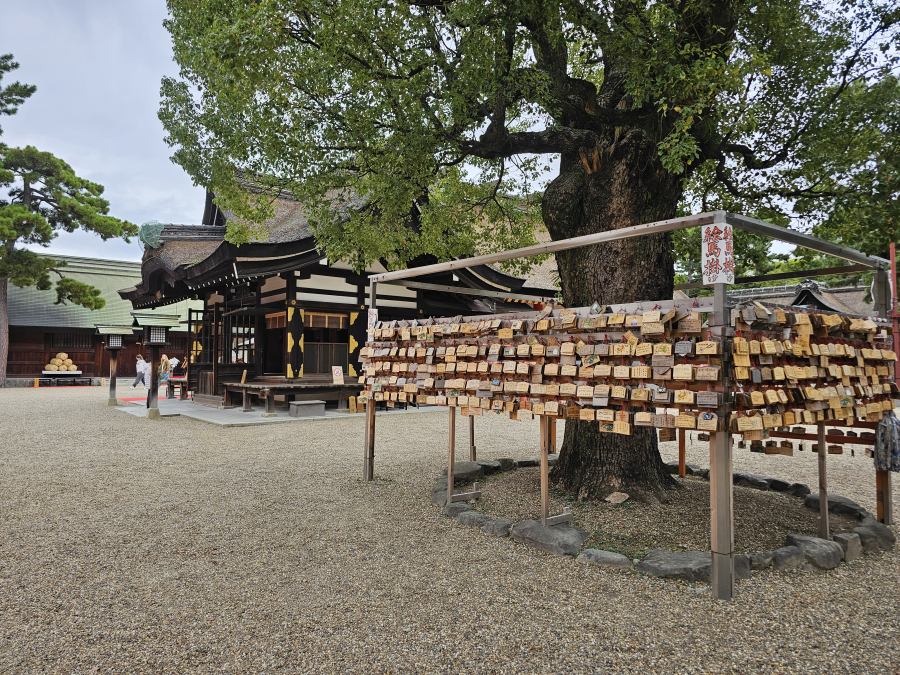
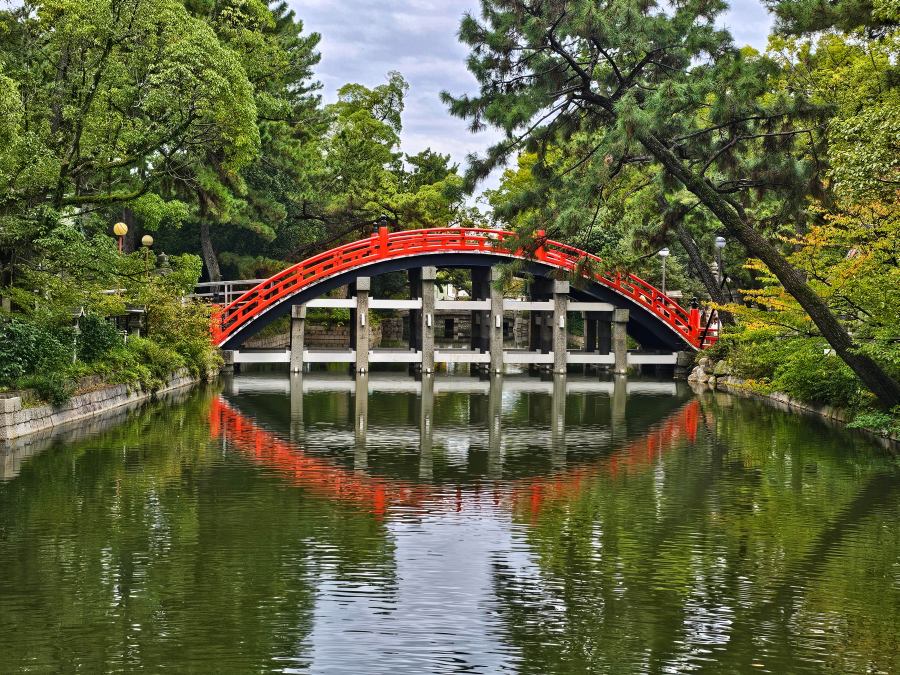
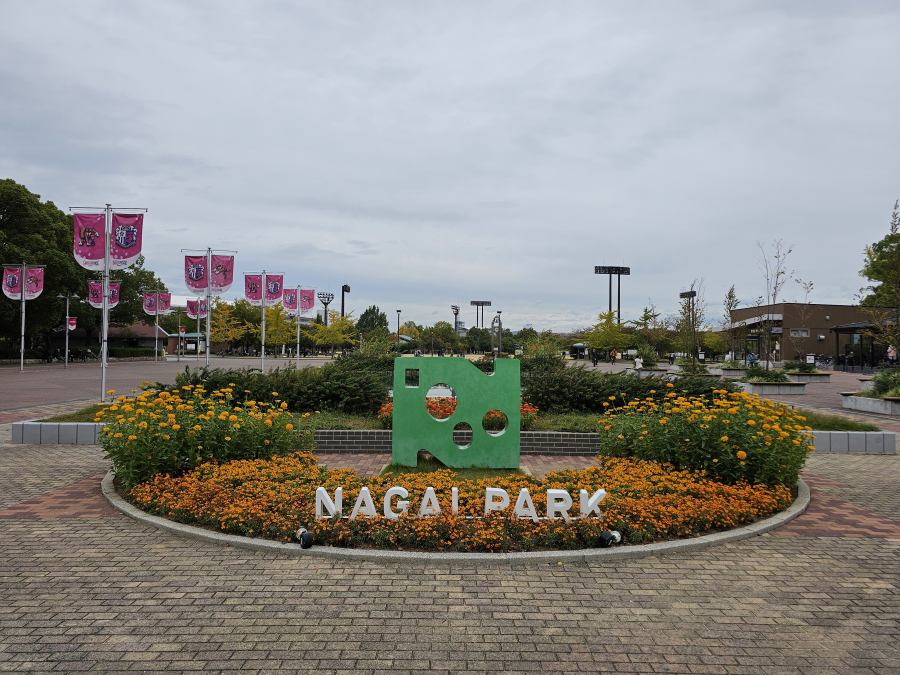
I took a bus to the nearby Nagai Park, which doesn’t hold any particular attractions, so this can safely be skipped.
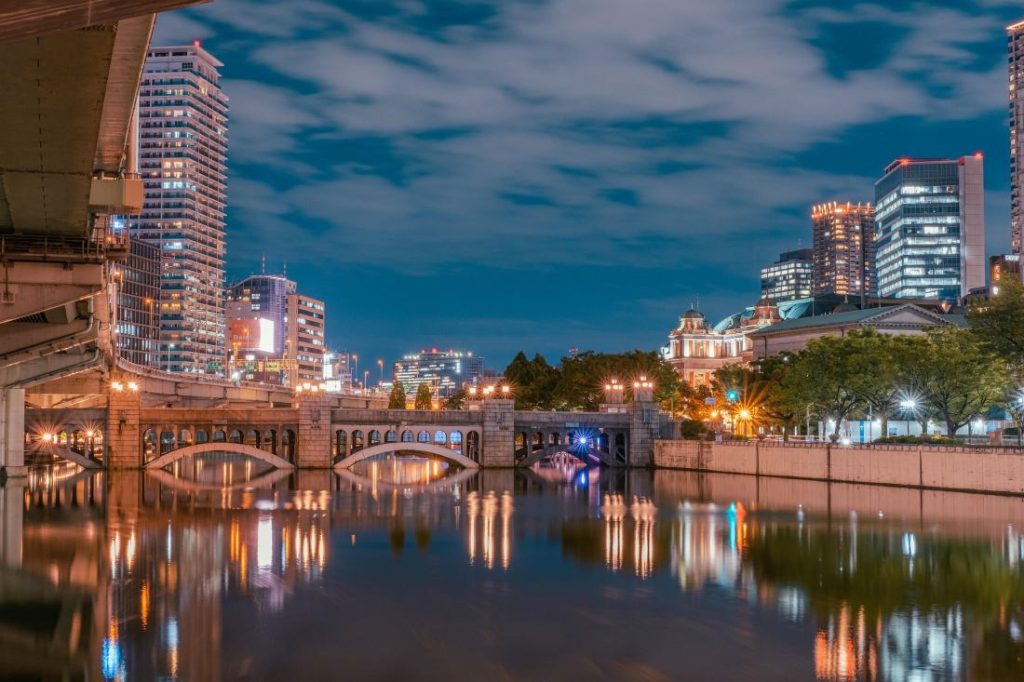
Meanwhile, I bought a ticket to the Umeda observatory (2000 yen), which I planned to visit at sunset. I still had time, so I took the metro and got off at the nearby Yodoyabashi metro station. The Nakanoshima Peninsula is one of Osaka’s modern areas; I strolled here and walked to the observatory.
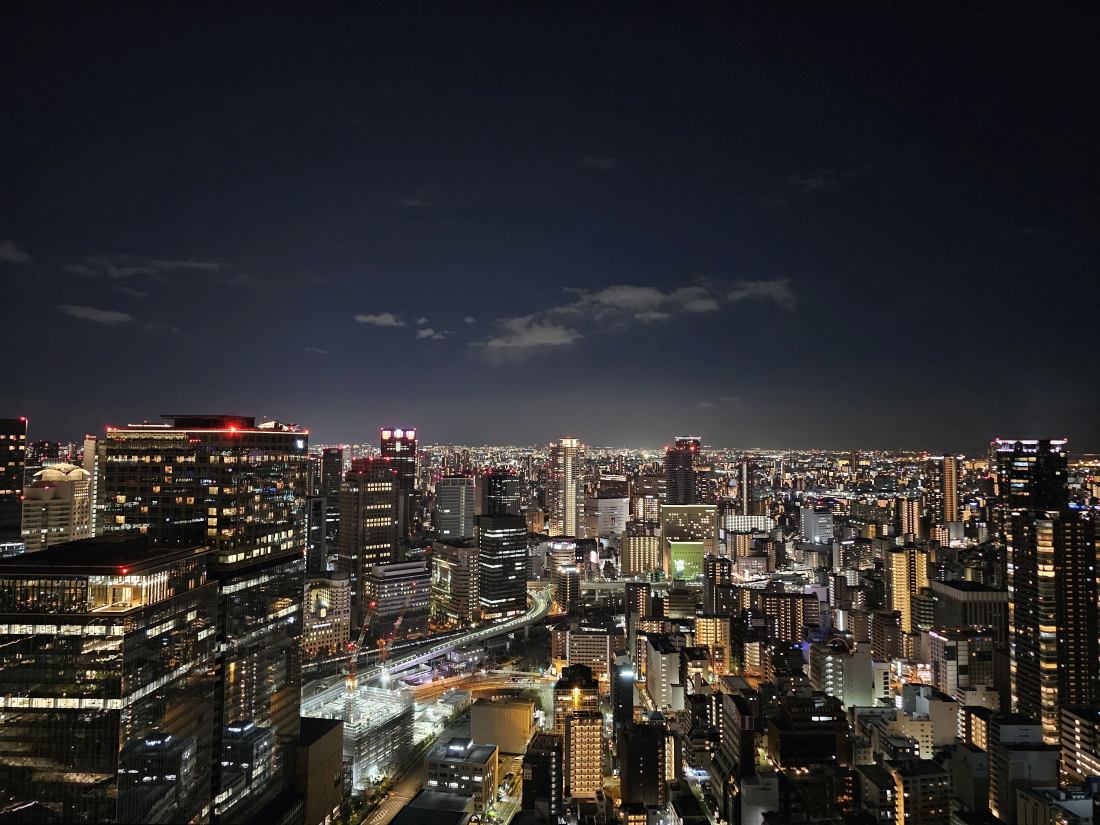
To reach the Umeda Sky Building observatory, you need to go to the 3rd floor of the building, where you queue for the elevator. This takes you up to the ticket counter, where you validate your online ticket. Then you take an escalator up to the 40th floor and the rooftop terrace. The latter is open, so you can take wonderful photos in every direction. I caught the sunset perfectly, but in the evening when lit up, I think the whole city is even more beautiful. An unmissable program if you’re in Osaka!
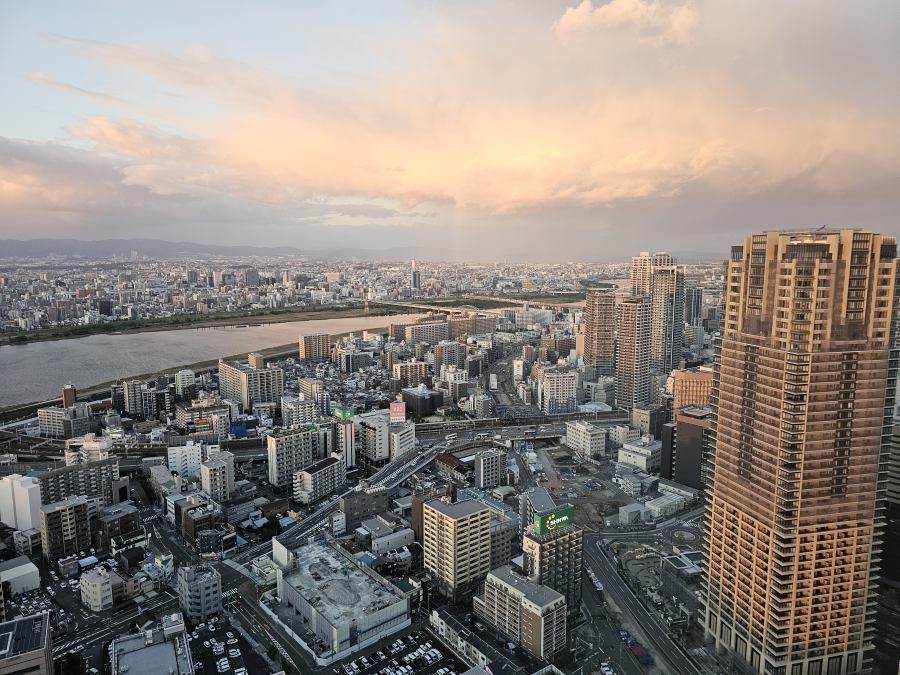
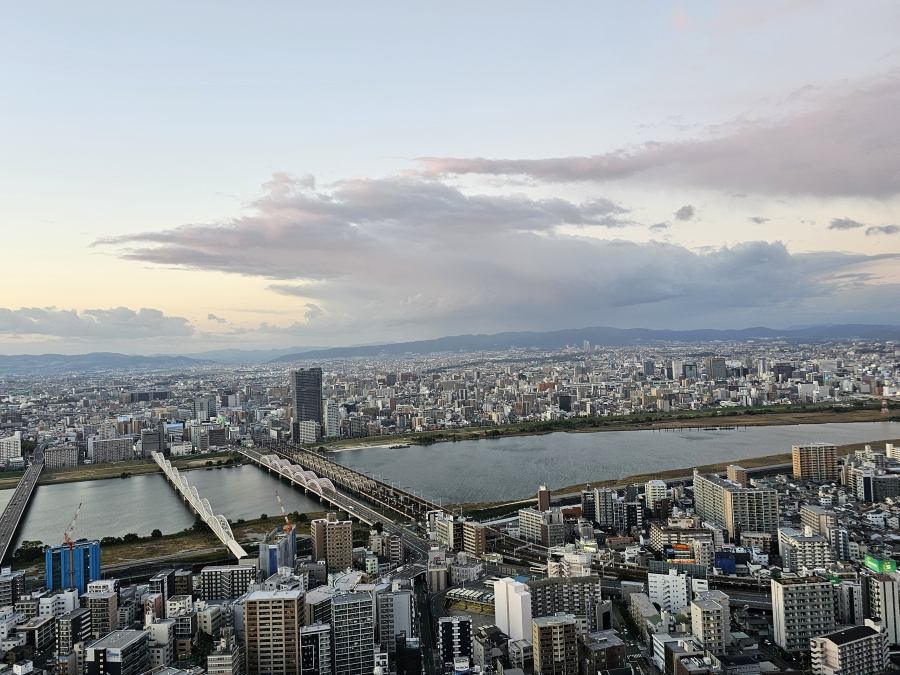
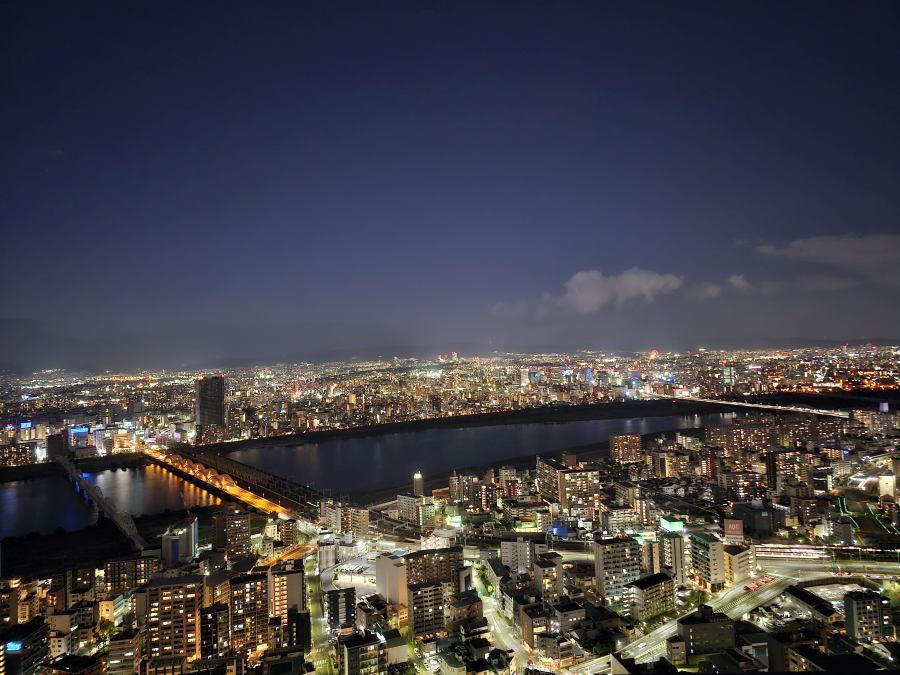
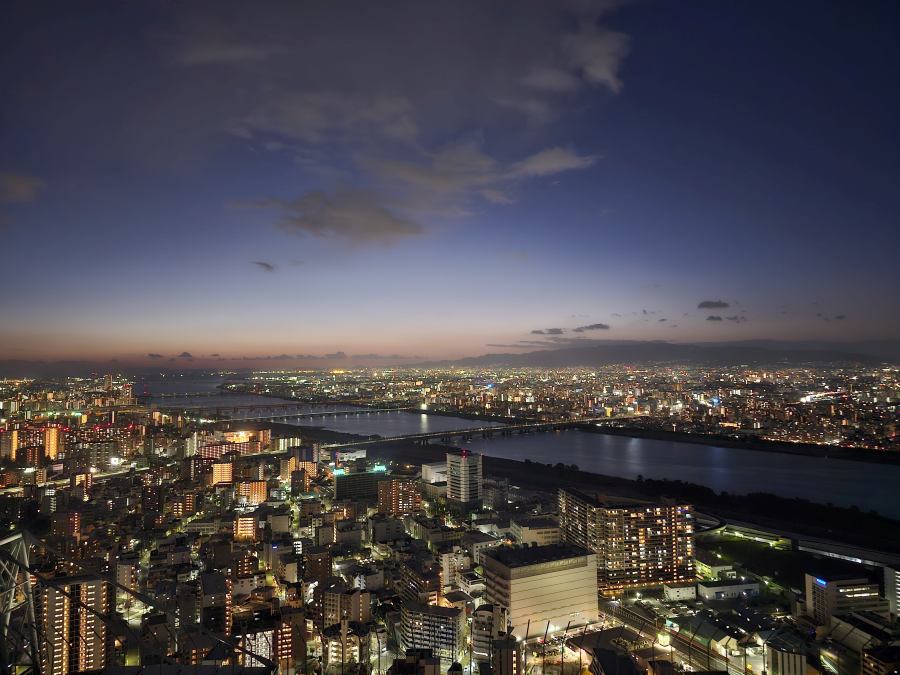
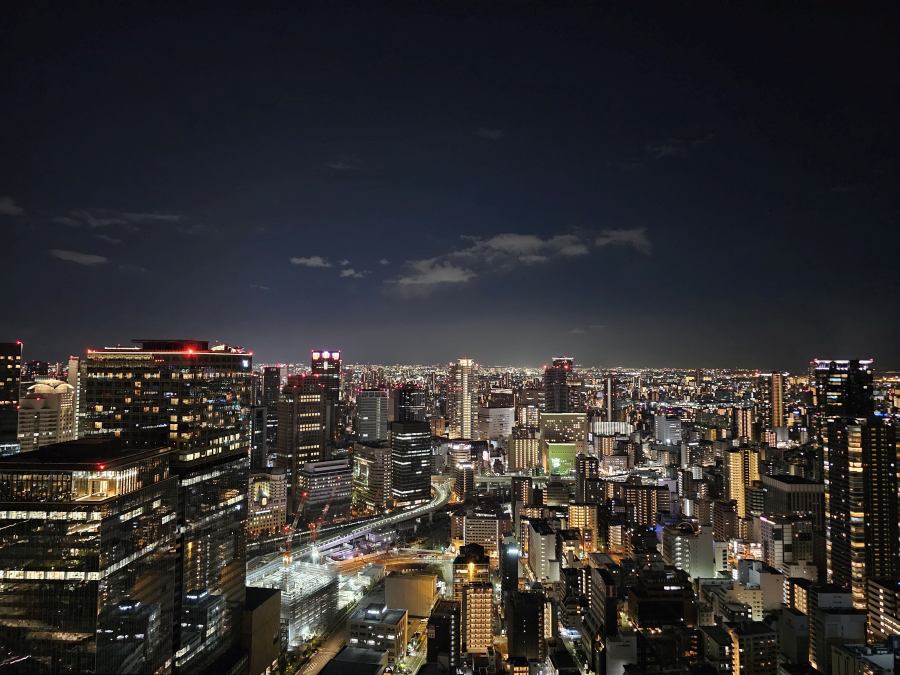
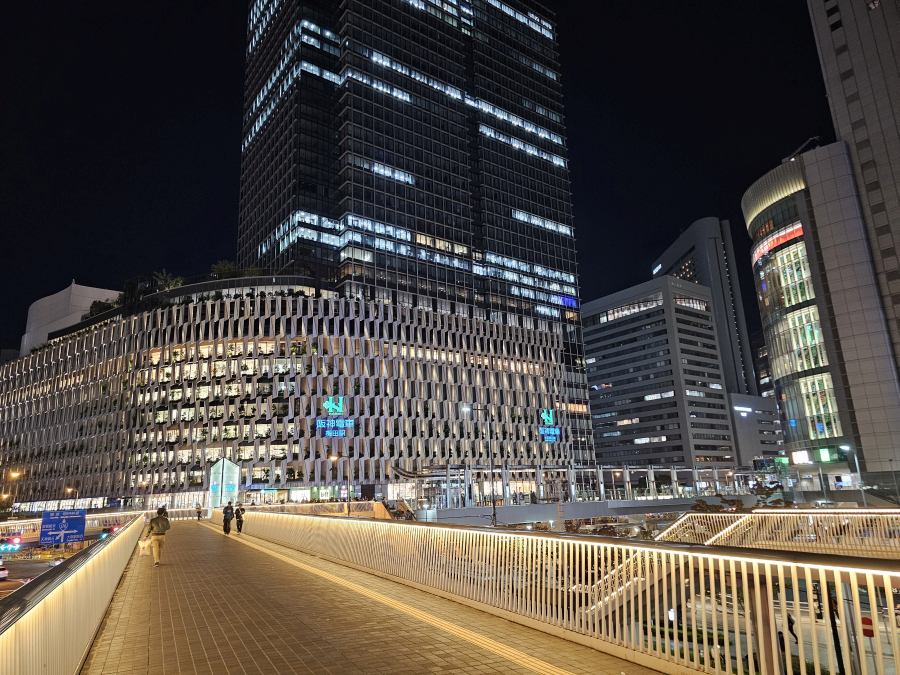
Afterward, I walked around the Umeda Station area among the many illuminated skyscrapers.
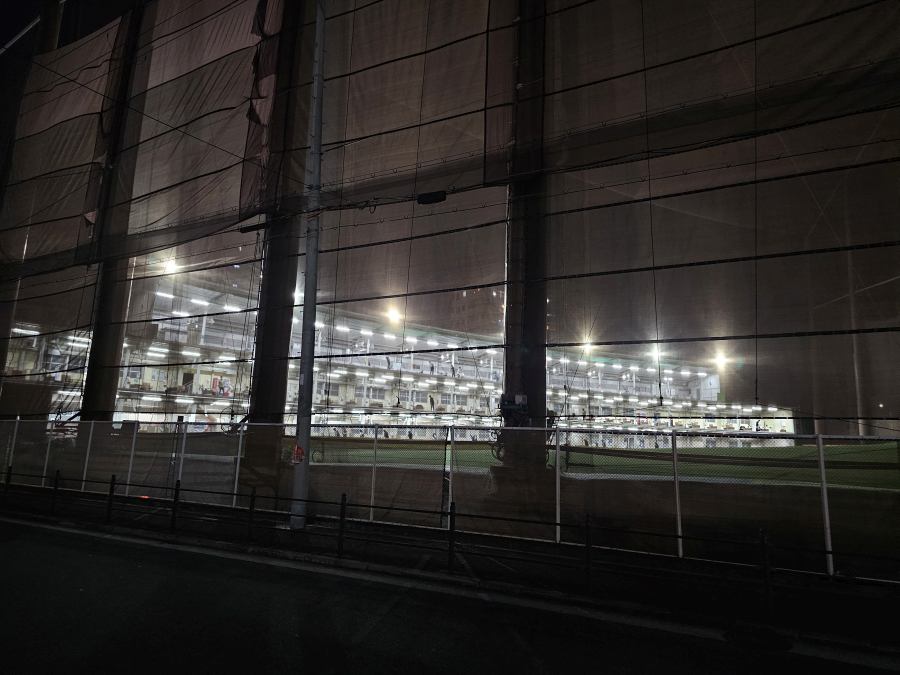
Next to my accommodation was an interesting place: many golfers were hitting balls from terraces several floors up. Anyone who’s seen the Jean Reno film Wasabi knows what I’m talking about. 🙂 For those who haven’t, here’s a picture of the place:
In summary, Osaka is a very good place. Although I’m going to write this about the other cities too, after all, Japan’s 2nd largest city is where most people travel to besides Tokyo.