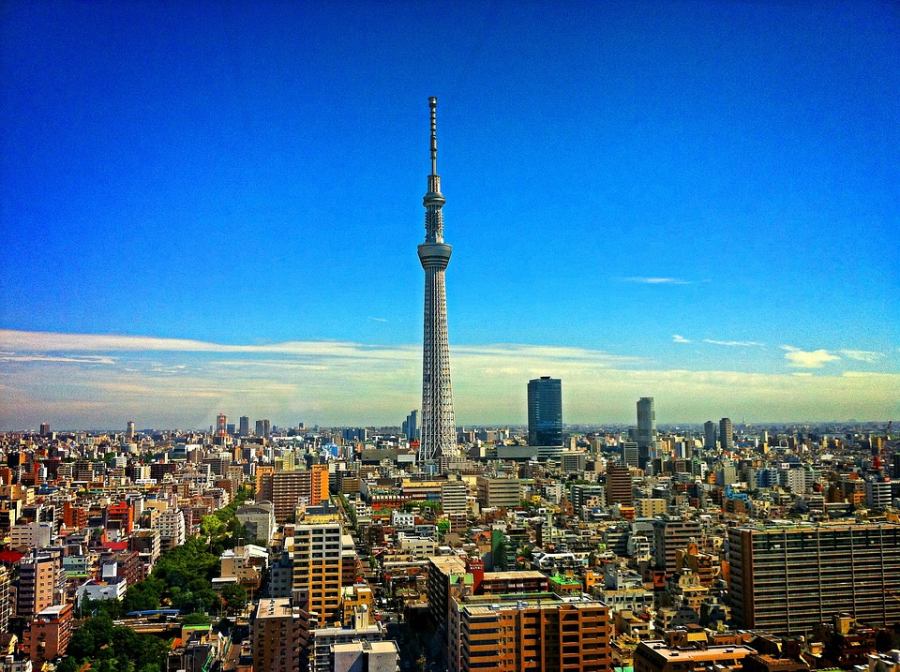
Japan and its capital, Tokyo, are favorites for many due to their unique culture. At least, that’s what everyone who has been there claims.
As the country’s political, business, economic, educational and cultural centre, Tokyo has the largest number of corporate headquarters, economic institutions, universities and colleges, museums, theatres, shopping and entertainment facilities in Japan. It has a highly developed public transport system, especially trains and subways.
Here is my report about Tokyo!
Table of Contents
Tokyo attractions
Imperial Palace
Located in the heart of Tokyo, the palace is situated within a massive park, just a quarter-hour walk from the central railway station.
Surrounded by moats filled with water, which served both defensive purposes and as a firebreak in times when most of the city was made of wooden houses.
A distinct part of the vast park, the „East Garden” is open to the public at specified times, but direct access to the imperial palace grounds is only possible through tours organized and led by the Imperial Household Agency. A maximum of 300 people can enter at a time.
Access: a short walk from Sakuradamon metro station.

Senso-ji Temple
Completed in 645, Senso-ji is Tokyo’s oldest Buddhist temple, dedicated to Kannon, the goddess of mercy.
Visitors cannot enter the temple itself, but they can pray in the worship hall (Haiden) and light candles.
The temple is surrounded by beautifully aged streets with traditional craft shops and street food vendors, especially artisanal sweets. Nakamise dori, the street behind the Kaminarimon gate, is one of Japan’s oldest.
Not far from the temple is a five-story pagoda built in 942, dedicated to Kannon. Standing over 53 meters tall, it’s equivalent to an 18-story building, with each level symbolizing different elements: earth (base); water (body); fire (ornament); wind (top); and space (jewel).
Access: about 500 meters on foot from the Akasuka metro station.

Meiji Shrine (Meiji Jingu Shrine)
A Shinto shrine in Shibuya, Tokyo, dedicated to the late Emperor Meiji and his consort, Empress Shoken.
It is located within a 700,000 square-meter forest that is home to 365 different tree species and 120,000 trees donated from various regions of Japan when the shrine was established. Today, it’s a popular leisure spot in central Tokyo.
Visitors may be lucky enough to witness a traditional Japanese wedding here.
Access: roughly 800 meters on foot from Kita-sando metro station.
Ueno Park
One of the most visited parks in Tokyo, especially during spring when many cherry trees bloom. It is culturally significant due to three excellent museums (Tokyo National Museum, National Museum of Nature and Science, and National Museum of Western Art) located within.
Also home to a concert hall, Tōshō-gū Shrine, Shinobazu Pond with the Benzaiten Shrine, and Ueno Zoo, it’s a tourist and recreational hotspot for both Japanese residents and foreigners.
Access: near Ueno metro station.

Tokyo National Museum
Japan’s largest and oldest museum, and the most visited site in Ueno Park.
From 40,000-year-old Paleolithic stone tools to invaluable artifacts from feudal Japan and modern art, the museum showcases Japan’s rich history.
The museum consists of various buildings, such as the Japanese Gallery, Asian Gallery, Hōryū-ji Treasures Gallery, a research and information center, outdoor exhibitions, and a garden.
Alongside the main building are smaller annexes with exhibits from other significant cultures, especially those intersected by the Silk Road.
All information can be found here!
Ginza
Known as Japan’s most famous business and entertainment district, Ginza hosts numerous internationally recognized department stores, boutiques, restaurants, and cafes. It’s renowned as one of the world’s largest luxury shopping districts.
The area’s iconic night scene features the massive neon sign of the Fujija building. A notable landmark is the Ginza Wako clock tower.
Every Saturday and Sunday from 12:00-17:00, the main street in Ginza is closed to vehicle traffic for pedestrians to roam freely, known as Hokosza Tengoku or simply Hokoten.
Ginza also houses one of the city’s best kabuki theaters, showcasing traditional Japanese theater with painted actors performing to unique music.

Tokyo Tower
Located in Shiba Park, this radio, telecommunications, and observation tower also houses shops, entertainment venues, and a Shinto shrine. At night, the tower becomes a distinctive feature of Tokyo’s skyline.
Standing at 333 meters, it’s one of the tallest steel structures in the world and the second tallest artificial structure in Japan, inspired by the Eiffel Tower (11 meters taller).
The tower features two observation decks: Main Deck (150 meters) and Top Deck (250 meters).
FootTown, a four-story building at the base, hosts the Guinness World Records Museum Tokyo, displaying life-size figures, photographs, and memorabilia of authenticated records.
A hologram gallery (Gallery Delux) and a trick art gallery are also located in FootTown, showcasing paintings and objects that create optical illusions.
All information can be found here!
Access: Akabanebashi metro station, from there it is about 500 metres on foot.

Akihabara
A district in Chiyoda, also known as Akihabara Electric Town.
It’s the cultural center and shopping district for otakus (excessively enthusiastic fans) of computer equipment, video games, anime, and manga.
Popular here are maid cafes, where costumed servers play role-playing games while serving food and drinks.
Tokyo Skytree
Located in the Sumida district, the building opened in 2012 and has since become one of Tokyo’s iconic landmarks.
At 634 meters high, it is the tallest man-made structure in Japan and the world’s tallest freestanding tower (and second tallest building).
It has two observation decks open to the public: Tembo Deck (350 meters) and Tembo Galleria (450 meters). Separate and combined tickets are available for both decks. Both offer visitors a breathtaking panoramic view of Tokyo, and on a clear day, you can even see Mount Fuji.
All information can be found here!
Access: Oshiage (SKYTREE) metro station.

Tokyo Disneyland and DisneySea
Japan couldn’t miss out on the Disneyland story! It was the first park to open outside the United States. Following the Florida Disneyland, it’s the second most-visited amusement park.
Tokyo Disneyland evokes the world of classic Disney stories, similar to the American parks. Here you will find the iconic castle, amusement park rides, and famous characters such as Mickey, Donald, and the Disney princesses.
Tokyo DisneySea is a unique park based on maritime adventures. Its themes include the Arabian world, Mediterranean ports, and even a sinking volcano. The park’s unique visuals and more exciting attractions are especially popular with adults and older children.
All information can be found here!
Access: by train to Maihama station, then the Disney Resort Line to Disneyland and DisneySea entrances.
Mori Tower
One of Tokyo’s modern and elegant skyscrapers, which is the central element of the Roppongi Hills complex. The 238-meter-high building opened in 2003 and has since become one of the city’s defining landmarks.
The Tokyo City View observation deck is located on the top floor of the tower, offering a breathtaking panorama of Tokyo, especially at sunset or at night. The highest outdoor terrace, the Sky Deck, offers a 360-degree view from a height of 270 meters, and on a clear day, you can even see Mount Fuji.
The Mori Tower houses offices, shops, restaurants, and the renowned Mori Art Museum, which attracts visitors with its contemporary art exhibitions. In front of the building is Maman, a giant spider sculpture.
All information can be found here!
Yoyogi Koen Park
Adjacent to the Meiji Shrine, this park is one of the largest in Tokyo. It was the site of the 1964 Olympic Village, later demolished and converted into a park.
The park’s centerpiece is a lake and fountain, surrounded by numerous cherry trees. It’s especially worth visiting during the cherry blossom season.
Access: near Yoyogi-kōen metro station.
Shibuya Crossing and subway station
Shibuya’s train and subway station is one of Japan’s busiest transport hubs (the busiest being Shinjuku station).
Above ground, the iconic zebra crossing is unique for allowing pedestrian crossing in all directions simultaneously. Hence, it’s extremely busy, with thousands of people crossing at once.
It’s best viewed from the windows of nearby shops or cafes, offering a fantastic view of the bustling crowd.

Shinjuku
One of Tokyo’s busiest and most diverse districts, Shinjuku offers a unique blend of modern city life, entertainment, business, and green spaces.
It is home to Shinjuku Station, the world’s busiest railway station, and one of Tokyo’s business districts, filled with skyscrapers and modern buildings.
The eastern side of the district is a famous entertainment district, especially the Kabukicho area, where neon lights come alive at night. Here you will also find the spectacular and unique Godzilla Head: a huge Godzilla head towering over the top of a hotel, which occasionally „comes to life” with sound and light effects.
Away from the hustle and bustle, the peaceful, green surroundings of Shinjuku Gyoen National Garden are a great place to relax, especially in spring when the cherry trees are in bloom.

Harajuku Takeshita Street
One of Tokyo’s most iconic pedestrian streets, particularly popular among young people and fashion enthusiasts.
Starting opposite Harajuku Station, this street, only a few hundred meters long, is lined with colorful boutiques, costume shops, fashion stores, cafes, and candy bars.
This neighborhood is one of the centers of Japanese street fashion, where you can often see young people dressed in striking outfits, such as those representing the „kawaii” or „lolita” styles. It is especially crowded on weekends, but the hustle and bustle, vibrant colors, and unique atmosphere showcase the youthful side of Tokyo.
Yanaka District
One of Tokyo’s most charming and traditional neighborhoods, offering a glimpse into the atmosphere of old Edo-era Japan. Largely spared from bombing during World War II, it has retained its narrow streets, wooden houses, and quiet, peaceful atmosphere.
Walking through the neighborhood, visitors will find small art galleries, local bakeries, old shops, and family restaurants. The shopping street called Yanaka Ginza is particularly popular, where you can sample authentic Japanese products and street food.
It is also famous for its many temples and peaceful cemeteries, where cherry trees bloom in spring. The relaxed pace of the neighborhood is a real relief compared to the bustling downtown area of Tokyo.
Nezu Shrine (Nezu Jinja)
One of Tokyo’s oldest and most charming Shinto shrines, located in the Bunkyo district. Its history dates back more than 1,900 years, and its current buildings date from the 18th century and retain their original Edo period style.
The shrine is particularly famous for its spring azalea festival (Tsutsuji Matsuri), when thousands of azalea bushes bloom in the garden in stunning colors. The scene is complemented by a row of red torii gates lining a winding path behind the main shrine.
The peaceful, tree-lined surroundings, beautifully carved gates and buildings, and flowering garden are popular with those seeking a peaceful retreat.
Toyosu Market
The famous Tsukiji Market was relocated to this site. It consists of three large sections: two for fish and seafood, and one for fruits and vegetables.
The most interesting event happens between 5:30 and 6:30 AM, the auction where fish and other marine life are bid on. Tourists can watch this unique market activity from behind a glass window.

Tokyo weather: when is the best time to visit?
Tokyo has a four-season humid subtropical climate that includes hot, rainy summers and mild, dry winters.
Spring (March-May):
Spring brings pleasant and gradually warming weather. Average temperatures range between 8-20°C, and precipitation is moderate. March can still be cooler, while May offers truly pleasant weather. The cherry blossom season (sakura) at the end of April and beginning of May gives the capital a special atmosphere, making this one of the most popular periods for tourists.
Summer (June-September):
Summer in Tokyo is hot, humid, and rainy. Average temperatures range between 22-30°C, but due to high humidity, the perceived temperature can often rise above 35°C. June and July bring the rainy season (tsuyu) with the most precipitation, while August and September can occasionally see typhoons threatening the city.
Autumn (September-November):
Autumn is one of the most pleasant seasons in Tokyo. The weather gradually becomes cooler, with average temperatures ranging between 12-22°C, and precipitation decreases significantly. The crystal-clear air, pleasant temperatures, and beautiful autumn foliage make this period excellent for sightseeing and outdoor activities.
Winter (December-February):
Tokyo’s winter is dry and cool, with average temperatures ranging between 2-10°C. Snow rarely falls, and when it does, it usually doesn’t stay long. Winter days are often sunny, though cold, dry winds can make the perceived temperature lower than the actual temperature.
Best time to travel:
The most ideal time to visit Tokyo is spring (March-May) and autumn (October-November), when the weather is pleasant, humidity is lower, and the city’s natural beauty – whether cherry blossoms or autumn leaves – can be enjoyed at its best.
Frequently Asked Questions about Tokyo
Tokyo is in the Japan Standard Time zone (JST, UTC+9), and Japan does not observe daylight saving time.
Japanese is the official language of Japan, and it is also the most widespread in Tokyo. English is increasingly spoken, especially in tourist areas, hotels, train stations, and airports. However, in smaller shops and restaurants, English is not always spoken, so it’s worth learning some basic Japanese expressions or using a translation app.
Japan’s official currency is the Japanese yen (JPY). Cash usage is still widespread, especially in smaller shops, restaurants, and more rural areas. However, in larger stores and tourist centers, credit cards and mobile payments are increasingly accepted. It’s advisable to carry cash with you, especially for smaller purchases. Here is a currency converter.
Tokyo has two international airports: Narita and Haneda. From Narita, the Narita Express (N’EX) train is the most convenient way to reach downtown, taking about 60 minutes to Tokyo Station. From Haneda, the Tokyo Monorail and Keikyu line provide fast access. Buses and taxis are also available, but trains are more reliable and faster due to traffic.
The most practical form of transportation in Tokyo is the metro and rail network. The city has an extremely developed public transportation system that is punctual, clean, and well-organized. With a Suica or Pasmo card, you can easily pay for the metro, buses, and some shops as well. Uber and taxis are also available, but more expensive than public transport.
Tokyo is one of the safest major cities in the world. Violent crimes are rare, and you can walk safely on the streets even at night. However, as in any major city, it’s worth paying attention to your valuables, especially in crowded places. Japanese people are extremely polite, and maintaining order is an important social value.
Tokyo is located in an earthquake-prone area, as Japan is situated on the Pacific Ring of Fire. Minor earthquakes are relatively common, but the city is extremely well-prepared: buildings are constructed according to strict earthquake-resistant standards, the population is well-trained, and authorities respond quickly. Tourists have no reason for serious concern, but it’s worth knowing the basic steps to take in case of an earthquake (e.g., stay under a stable structure, don’t use elevators, follow evacuation routes). Multilingual alert apps are also available in Japan, which can be useful while traveling.
Respect for others is extremely important in Japan. Don’t talk loudly on the phone on the metro, don’t eat or drink while walking, and always respect queuing. Shoes must be removed in certain indoor spaces, such as temples or traditional restaurants. Cash should be handed over with both hands, preferably placed on a small tray.
Senso-ji Temple – Tokyo’s oldest Buddhist temple, with a lively shopping street (Nakamise-dori) and traditional atmosphere.
Shibuya Crossing – One of the world’s most famous pedestrian crossings, an iconic Tokyo experience that embodies the city’s hustle and bustle.
Tokyo Skytree – One of the world’s tallest towers, with fantastic panoramic views and a modern entertainment center.
Meiji Shrine and Yoyogi Park – A peaceful oasis in the heart of the city, where Japanese spirituality and nature meet.
Akihabara District – The center of technology, anime, and video game culture, particularly attractive to those interested in otaku culture.
Tokyo is a gastronomic paradise, with the most Michelin-starred restaurants in the world. The following dishes are particularly recommended:
Sushi – Traditional Japanese food made from fresh, quality fish, worth trying at a sushi bar or near the famous fish market.
Ramen – Flavorful noodle soup with pork, soy, or miso-based broth. Each district has a different style.
Tempura – Light, crispy battered and fried vegetables and seafood.
Okonomiyaki – Pancake-like dish with rich toppings, often prepared in front of guests.
Taiyaki – Fish-shaped pastry filled with sweet red bean or vanilla cream — an excellent street snack.