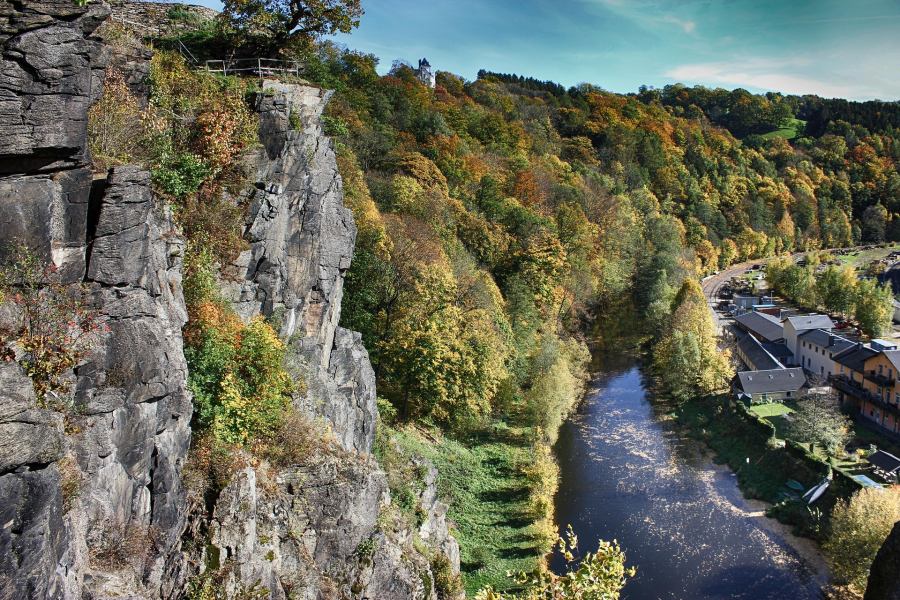
Saxony is one of Germany’s most beautiful states, where magnificent medieval cities and stunning natural landscapes can both be found.
It is bordered to the west by Thuringia and Saxony-Anhalt, to the north by Brandenburg, to the east by Poland, and to the south by the Czech Republic and Bavaria. The state has a rich history: it played a decisive role among the German principalities in the Middle Ages, and later gained political and cultural influence through the Saxon Electors and Kings. Today Saxony is particularly significant in the fields of innovation, mechanical engineering, microelectronics, and the automotive industry.
Table of Contents
Best places in Saxony
Dresden
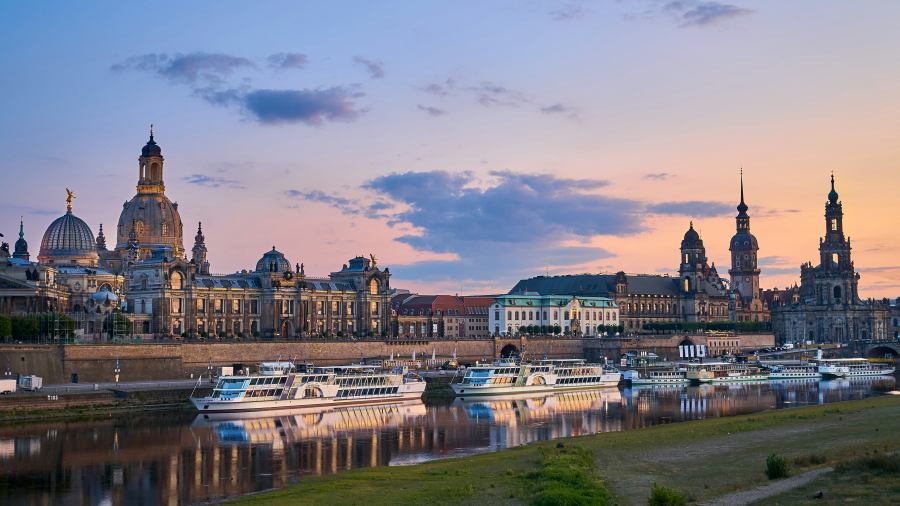
The capital of Saxony is often nicknamed the “Florence of the Elbe”, renowned for its breathtaking Baroque and Rococo architecture.
The Frauenkirche was left in ruins after World War II as a memorial, then reconsecrated in 2005. In the fountain-adorned courtyard of the Zwinger Palace, visitors can revel in Baroque splendor, while the world-famous painting collection awaits art lovers with Raphael’s Sistine Madonna.
The Neo-Renaissance façade of the Semperoper opera house is particularly spectacular when lit up at night. Walking along the Elbe promenade, a magnificent view of the river and the opposite bank opens up from the elevated Brühl Terrace. The Old Masters Picture Gallery and the Green Vault treasury are virtually essential stops for every culture enthusiast.
Saxon Switzerland National Park
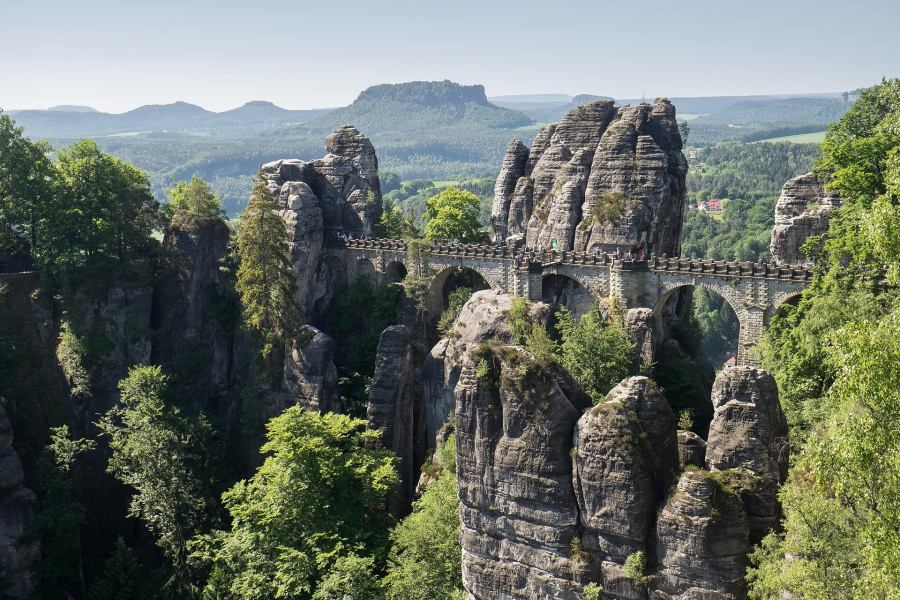
The dramatic rock formations of the Elbe Sandstone Mountains form a unique landscape, and it is no coincidence that they are called Saxon Switzerland. Nature shaped these monumental sandstone towers over millions of years, and today hiking trails wind between them.
The Bastei Bridge arches 194 meters above the rocks and is perhaps the park’s most iconic sight. From the viewpoints, magnificent views open up over the Elbe valley and the surrounding mountains. Königstein Fortress is among the largest surviving mountain fortresses in Europe, and within its walls fascinating historical exhibitions await visitors.
Countless marked hiking trails can be found throughout the park, ranging from beginner to advanced. The Schrammsteine rock formation is a particularly popular destination among climbers. In spring and summer, wildflowers, and in autumn the golden-yellow and reddish hues of foliage make the landscape especially magical.
Leipzig
The city of trade and culture has grown over the centuries into one of Europe’s most important commercial centers. The ensemble of buildings around the market square reflects the city’s civic pride and wealth. The city of Bach, Wagner and Mendelssohn still welcomes visitors today with a vibrant cultural life and youthful energy.
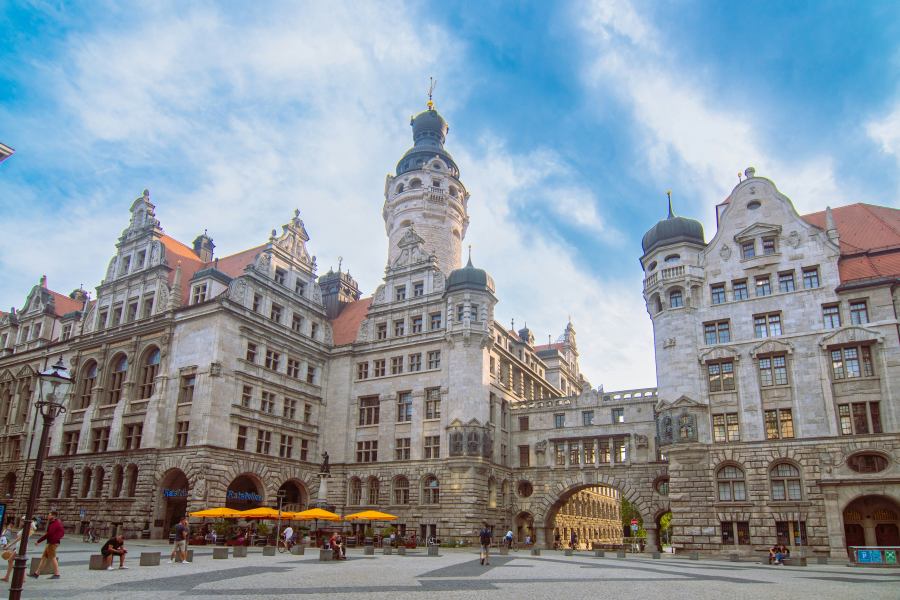
The Old Town Hall on the market square was built in the Renaissance style and now operates as a museum. St. Thomas Church is Bach’s former place of work, where the composer served as cantor for 27 years. St. Nicholas Church holds special significance, as this is where the peaceful Monday demonstrations began in 1989, which ultimately led to the fall of the Berlin Wall.
The city’s numerous arcades offer a unique shopping experience. Deep within the Mädler-Passage lies Auerbachs Keller, the wine cellar immortalized in Goethe’s Faust. The Leipzig Panometer presents the city’s past and present through gigantic panoramic images, while the Monument to the Battle of the Nations commemorates the battle of 1813.
Moritzburg Castle
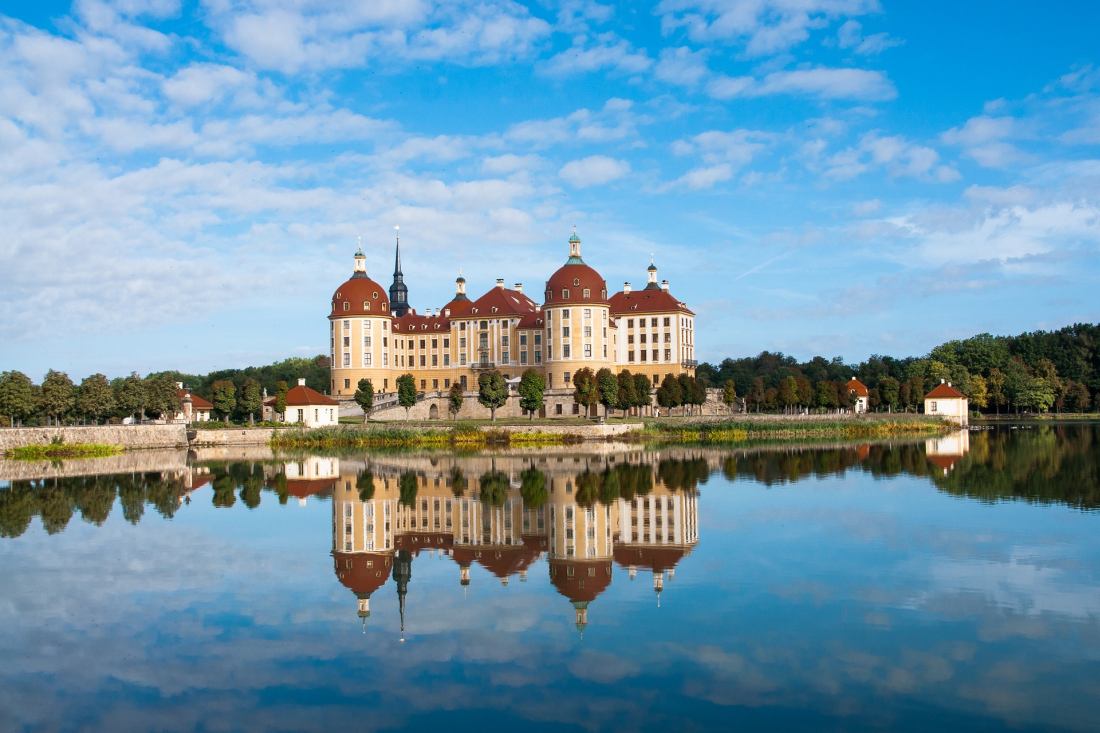
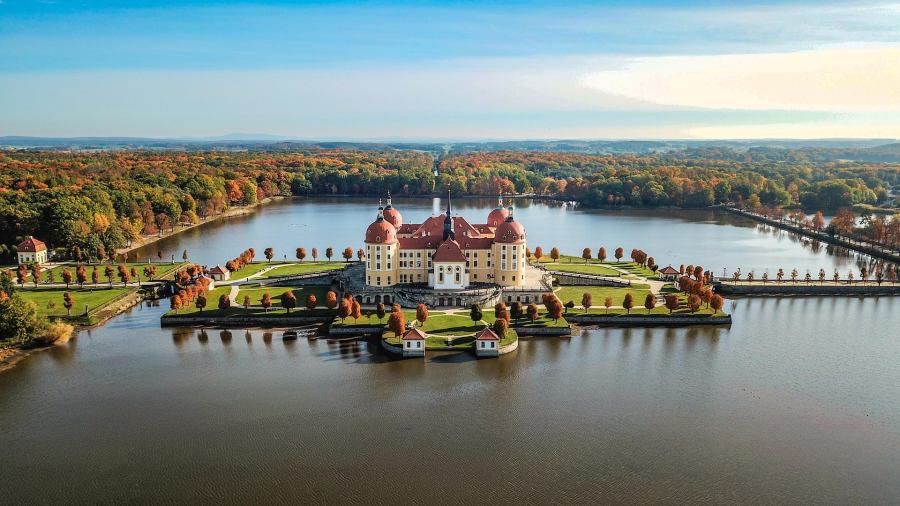
The Baroque hunting residence of Augustus II, Elector of Saxony, rising from the middle of the water, looks as though it stepped straight out of a fairy-tale backdrop. The four round corner towers and the yellow-and-white façade are perfectly reflected in the surrounding lakes.
Inside the castle, a rich collection of furniture, porcelain, and hunting trophies is on display. The walls are adorned with special leather wallcoverings unique throughout Europe. The feather paneling of the Feather Room is an unparalleled work of art.
The park also contains the small Pheasant Castle, which hosts special exhibitions. The Moritzburg Festival regularly features classical music concerts and cultural events.
Meissen
At the foot of a hillside rising from the banks of the Elbe lies this small town with a medieval atmosphere, world-famous for its white gold: Meissen porcelain. The narrow alleyways, colorful houses, and cobblestone streets offer a true journey back in time. This settlement in the heart of a wine region is known not only for its porcelain but also for its excellent wines.
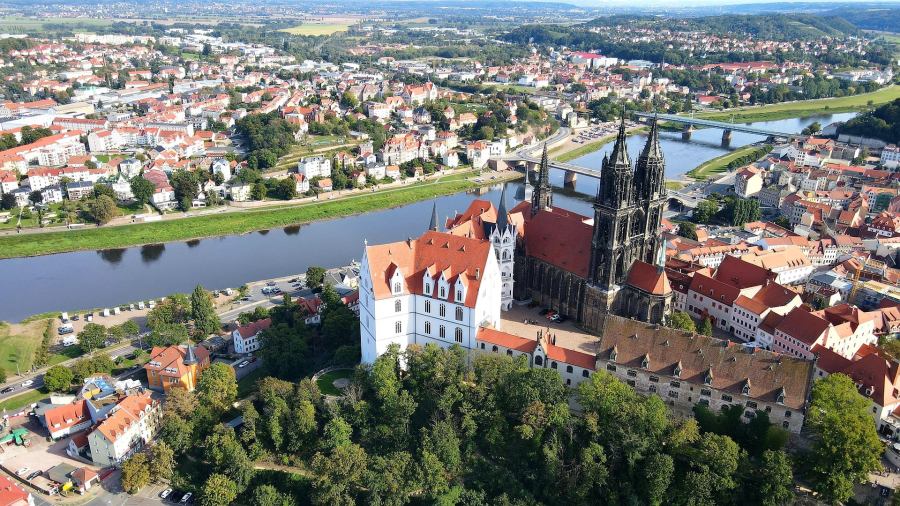
The ensemble of Meissen Castle and Cathedral rises above the city, and within its medieval walls a thousand years of history come to life. The cathedral is a masterpiece of Gothic architecture, its interior breathtaking. From the castle, a magnificent view opens up over the city and the Elbe valley.
The Meissen Porcelain Manufactory has been operating since 1710 and was Europe’s first center of porcelain production. At the manufactory, visitors can gain insight into the secrets of the craft and admire master works. Numerous wineries in the town offer tastings where guests can discover the distinctive flavors of local Elbe Valley wines.
Chemnitz
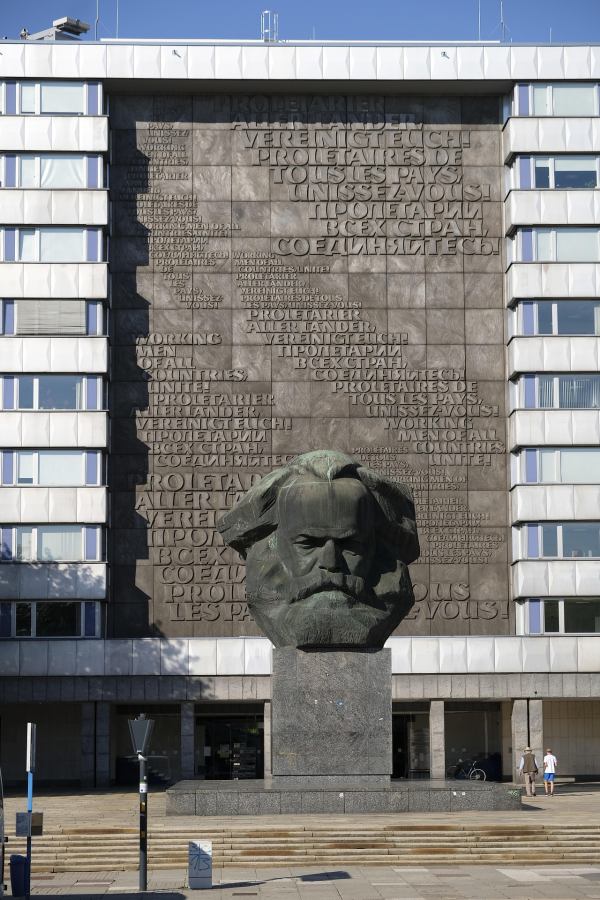
The former capital of Saxon industry has been experiencing a cultural renaissance in recent years. The city combines its modern face in a unique way with its industrial heritage and natural treasures. After decades as Karl-Marx-Stadt, Chemnitz is today a dynamically developing, reinventing city.
The city’s special attraction is a 291-million-year-old petrified forest, which showcases geological history. The trees of the primeval forest were preserved under volcanic ash and can today be admired in the Tietz Museum. The Kaßberg district is Germany’s largest contiguous Art Nouveau architectural complex, where strolling feels like stepping into a world from the past.
The city’s industrial heritage is visible in the old factory buildings, which have today been transformed into cultural centers. Modern Chemnitz, meanwhile, is all about contemporary art and innovation. The nearby Rabenstein Castle and the Baroque garden of Lichtenwalde Palace are excellent excursion destinations in the area.
Görlitz
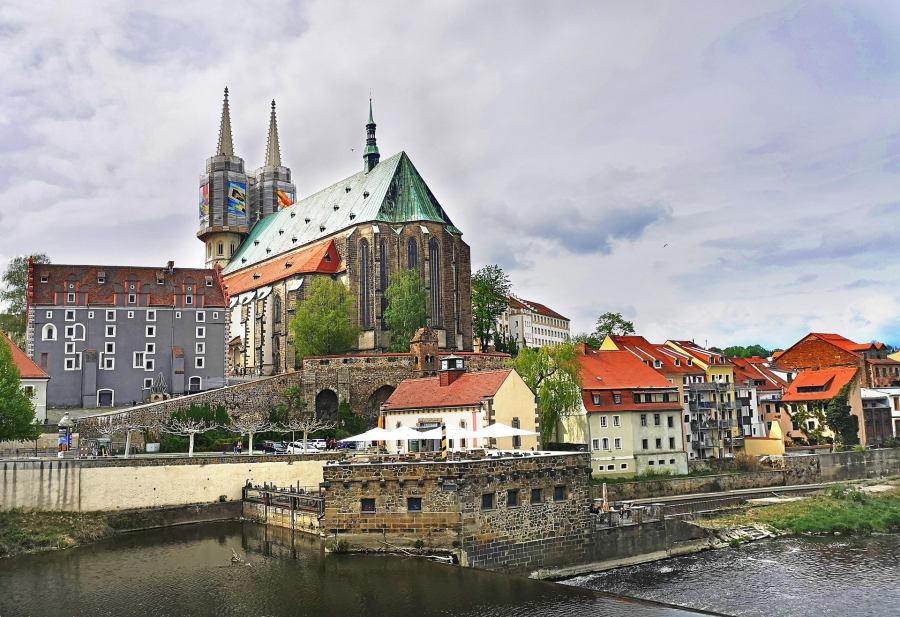
This town on the German-Polish border has one of the best-preserved historic old towns in Germany. The war almost entirely bypassed it, so more than 4,000 listed buildings from various periods have survived.
On the Upper Market Square, Gothic, Renaissance, and Baroque buildings stand side by side. From the two towers of St. Peter and Paul Church, an unparalleled view opens up over the city and the surrounding landscape. Among the buildings of the Untermarkt, or Lower Market Square, the Late Gothic Town Hall and the Renaissance-style patrician houses stand out.
The Neisse River flows through the city, and crossing the bridge, visitors find themselves immediately in Poland, in Zgorzelec. Görlitz has become a popular filming location, with countless Hollywood productions choosing it as a backdrop. The Silesian Museum presents the region’s rich history and cultural heritage.
Freiberg
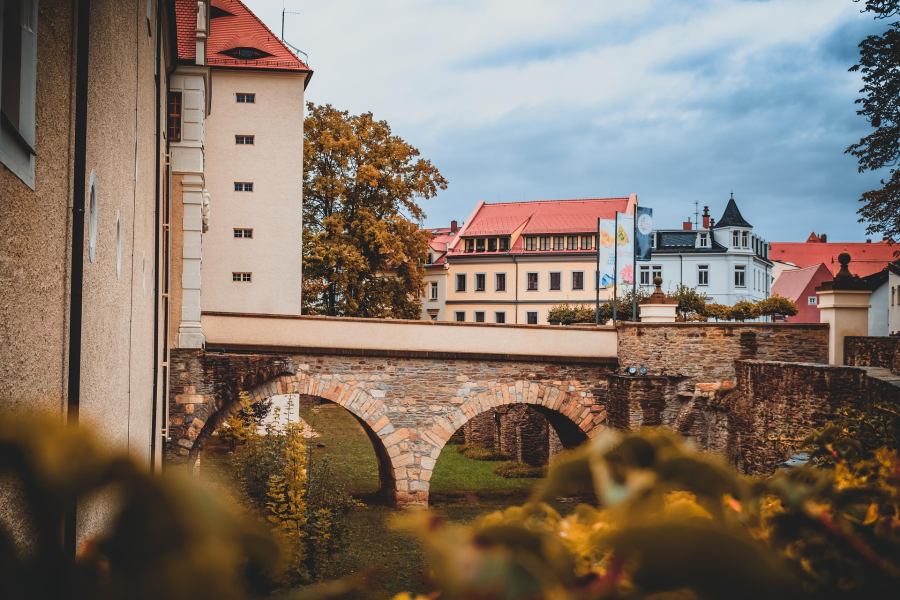
Silver provided centuries of flourishing mining for this special town. The underground world is still visitable today and offers an exciting journey into the past. The wealth accumulated through mining is still visible in the city’s architecture and cultural treasures.
Freiberg Cathedral is one of the richest Late Gothic churches in Germany. Its unique pulpit, the Tulip Pulpit, is an unparalleled work of sculpture. The church’s organ was built by Gottfried Silbermann, whose organs are famous worldwide. The portal known as the Golden Gate immortalizes mining symbols and the city’s prosperity in carved stone.
In the underground mines, visitors can explore the old mine passages equipped with helmets and lamps. Terra Mineralia is one of the largest mineral collections in the world, where more than 3,500 minerals and gemstones can be seen. The city is part of the UNESCO World Heritage Site due to its historical significance.
Zwickau
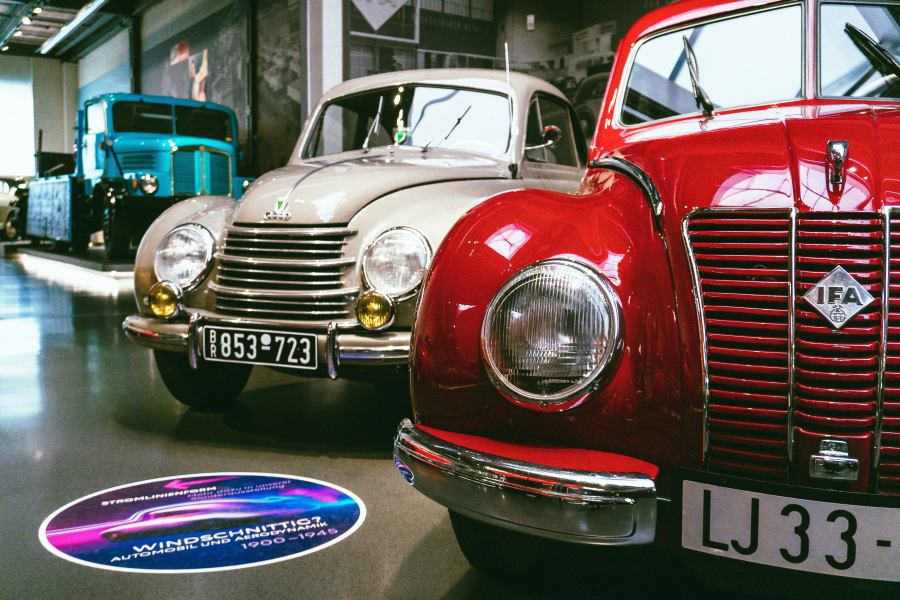
In the birthplace of Robert Schumann, the traditions of Romantic music and automobile manufacturing intertwine in a unique way. The historic old town has retained its medieval and Renaissance character while the industrial past also remains present. The city’s cultural life is still vibrant today, with numerous festivals and events.
St. Mary’s Cathedral is a Late Gothic masterpiece, its towers visible from afar. The Schumann House Museum offers insight into the composer’s life and era. Around the Hauptmarkt, or Main Square, magnificent civic buildings stand as testimony to the city’s former wealth.
The August Horch Museum presents the history of automobile manufacturing, including the legendary story of the Trabant. The Priesterhäuser, or Priests’ Houses, are the best-preserved medieval residential complex in Germany.
Bautzen
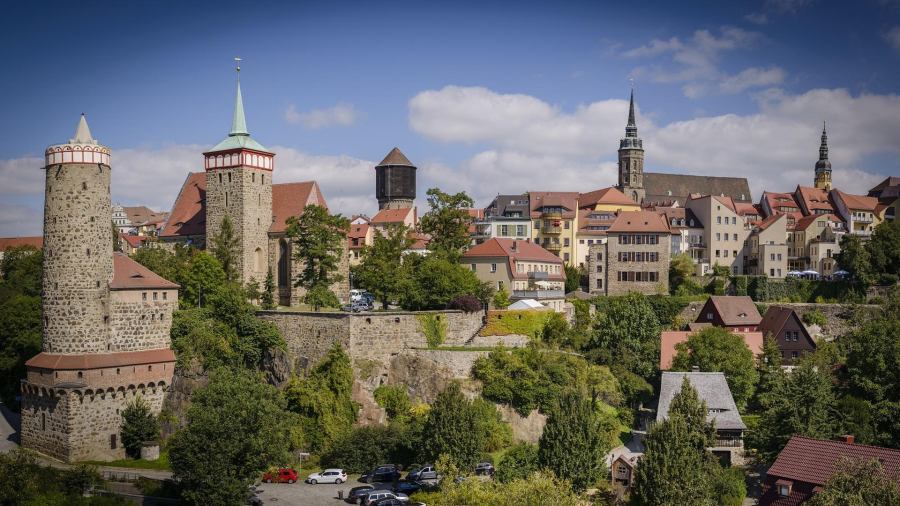
The cultural center of the Slavic-rooted Sorbian minority gives this small city a unique character. Bilingual signs, special traditions, and Sorbian-language culture are present everywhere. The towers and bastions of the old town built on the heights are visible from afar, and it is rightfully called the city of towers.
Much of the city walls still stand, and the promenade leads through the historic fortifications. The Reichenturm, or Rich Tower, leans slightly, and upon reaching its summit, the full panorama of the city and surrounding landscape unfolds. The peculiarity of St. Peter’s Cathedral is that it simultaneously serves both Catholic and Protestant communities.
At the Sorbian Museum, visitors can learn about the history and culture of this small people. At Easter, painted eggs and equestrian processions following Sorbian traditions can be seen. The Alte Wasserkunst, the old water tower, now functions as a museum and observation tower.
Bad Muskau Park
The landscape garden extending on both sides of the German-Polish border is the largest English-style park in Central Europe. The creation of Prince Pückler is a UNESCO World Heritage Site and represents the pinnacle of landscape and garden architecture. The park connects two countries, spanning rivers, streams, bridges, and lakes.
Across the 830-hectare area of Muskau Park, varied natural scenes alternate with one another. Vast meadows, dense forests, well-tended horticultural masterpieces, and romantic viewpoints make up this unique world. The park was designed to show a different face each season: in spring the blossoming, in summer the fresh green, in autumn the cavalcade of colors, and in winter the silence of snow-covered trees enchants the visitor.
Walking between the New Castle (of which only the ruins are visible) and the Old Castle, the path leads through magnificent bridges, romantic rock formations, and artistic ponds. It is also worth strolling on the Polish side of the park, as the very essence of its cross-border design is the natural connection of the two countries.
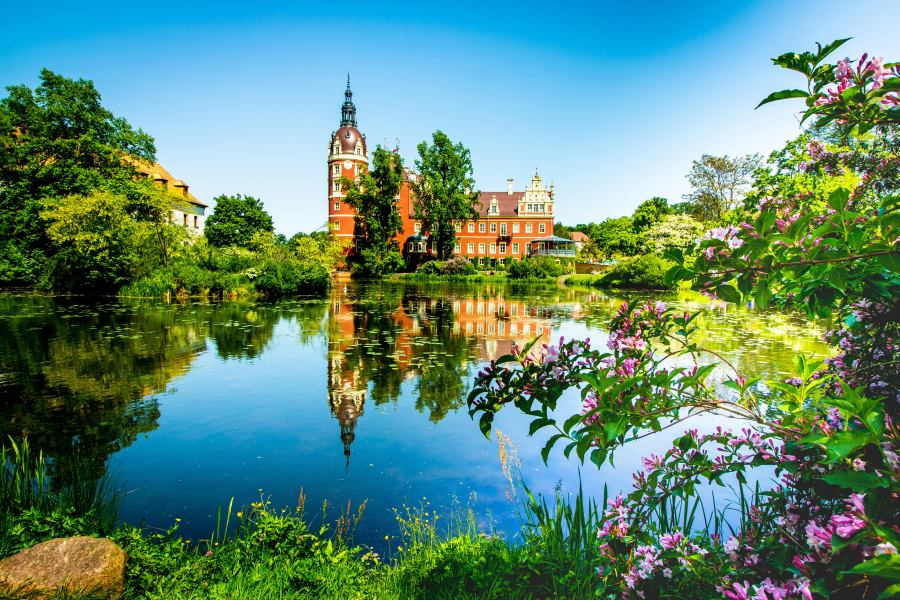
Rabenstein Castle
The small castle built on a rocky summit is one of the smallest yet most romantic fortresses in Saxony. The castle walls almost merge with the rock beneath them, as if they had grown directly from the stone. The narrow staircases, tight corridors, and old living quarters faithfully preserve the medieval castle life.
From the castle, magnificent views open up over the surrounding Erzgebirge region. Walking through the walls, every room evokes a different era: the knights’ hall, the chapel, and the kitchens have all retained their original character. In the castle courtyard, on summer evenings, events, jousting tournaments, and medieval markets are regularly held.
In the nearby village of Stein, it is worth visiting the palace with its Baroque park as well. The history of the castle dates back to the 12th century, and within its walls countless legends live on about knights and mysterious underground passages. The hiking trails in the area can be excellently combined with a visit to the castle.
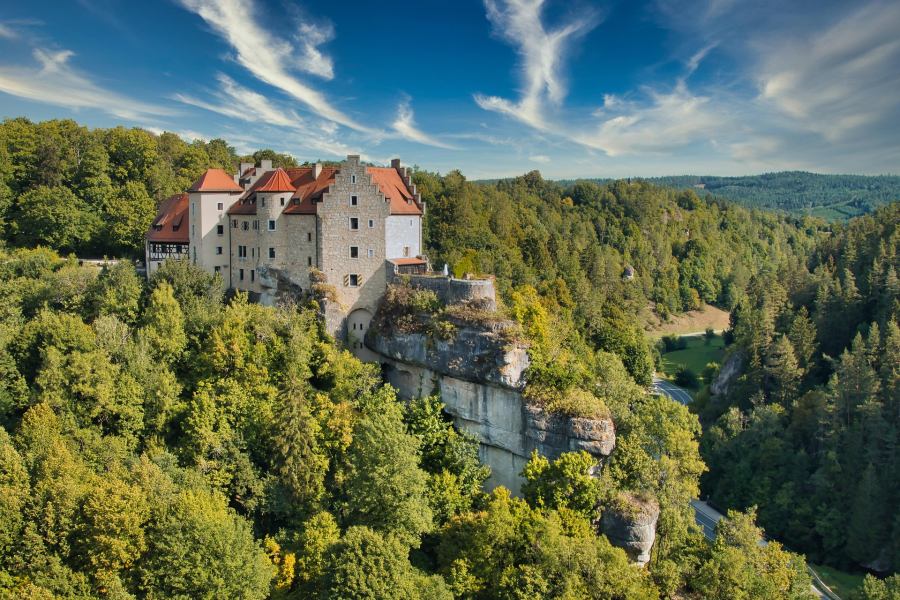
Kriebstein Castle
The castle towering above the Zschopau River is perhaps the most picturesque and romantic fortress in Saxony. The building perched on the rocky summit looks as though it has stepped out of a painting: its towers, bastions, and position above the river offer a fairy-tale spectacle. Thanks to the proximity of the water, a unique microclimate has developed, resulting in distinctive flora.
In the medieval castle, original frescoes, Gothic furnishings, and captivating stories await visitors. The wall paintings of the castle chapel date from the 15th century and represent remarkable artistic value. From the great hall and the towers, breathtaking views open up over the river valley and the forested mountains.
Along the riverbank below the castle, pleasant walking paths lead around the entire fortress. In summer, concerts, medieval events, and jousting games bring the past to life. The area is also a popular destination for cyclists and hikers.
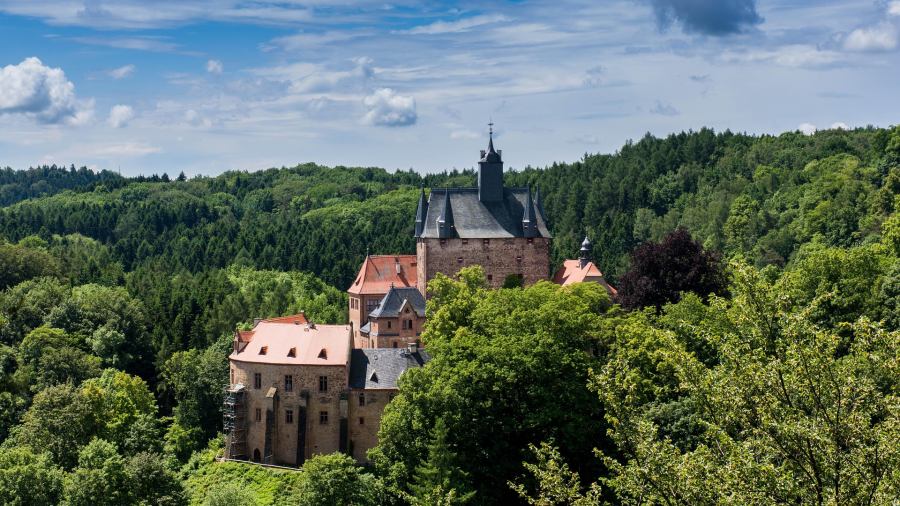
Erzgebirge Region
The Ore Mountains are a low mountain range stretching along the border of Saxony and the Czech Republic, serving as a skiing paradise in winter and a hiking paradise in summer.
The region is famous for its special traditions and craft culture: woodworking, the making of tinware, and the production of Christmas decorations have a centuries-old history. In the villages of the Erzgebirge, the famous wooden arch candles and incense smokers appear in every window at Christmas.
The region was dominated by mining for centuries, and the old mine towers and mining villages are still visible today. The village of Seiffen is the center of toy and Christmas decoration production, where visitors can observe the practice of this ancient craft in the workshops. The Schwebebahn aerial tramway in Oberwiesenthal has been carrying skiers to the mountaintop for decades.
The Fichtelberg is Saxony’s highest point at 1,215 meters, and in winter it welcomes sports enthusiasts with excellent ski slopes. The Toy Museum in Seiffen has an impressive collection of wooden toys, while the hiking trails in the area are wonderful in every season. In December, the entire region radiates an almost magical atmosphere with its Christmas markets and traditional celebrations.