
Ankara, befitting Turkey’s capital, boasts numerous excellent museums.
Table of Contents
Best museums in Ankara
Museum of the Republic
Located in the historic building of the second Turkish Grand National Assembly, this museum preserves the memories of the early decades of the Turkish Republic.
The parliament building, used between 1924 and 1960, was the site of important political decisions where defining laws were passed and the country’s democratic institutional system was shaped. The building was constructed in neoclassical style, with imposing columns and a dignified facade.
The museum displays the original furnishings of the parliamentary chamber where representatives convened, the presidential podium, and voting machines. Separate exhibition sections focus on the republic’s cultural, educational, and social reforms that modernized the country. Documents, photographs, and period objects illustrate the impact of these reforms on everyday life.
One of the building’s special features is Atatürk’s workplace, which has been preserved in its original state with furniture and personal items. The museum is an excellent complement to the War of Independence Museum, together providing a complete picture of the birth of modern Turkey.
All information can be found here!
Rahmi M. Koç Museum
This museum specializing in transportation and industrial technology is one of Europe’s most interesting technical collections, housed in the historic Çengelhan caravanserai and the adjacent Depo building.
The museum opened in 2005, founded by entrepreneur and collector Rahmi M. Koç, who spent decades gathering the exhibited items. During the restoration of the buildings, the atmosphere of Ottoman caravanserais was preserved while modern museum functions were incorporated.
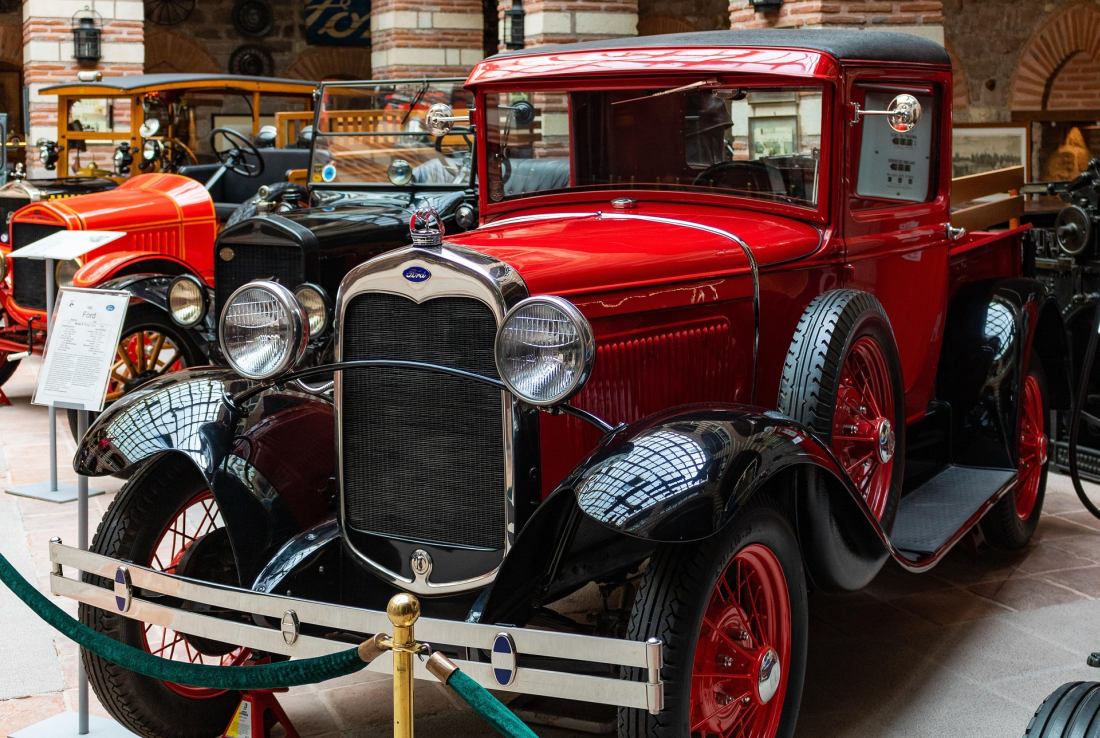
The exhibition is divided into three main sections: transportation, scientific instruments, and everyday life objects. The transportation section features historic cars, locomotives, airplanes, and ship models, including one of the oldest Turkish railway cars. The scientific section showcases the evolution of measurement, navigation, and communication, with interactive installations that are particularly popular with children. The miniature railway model is a faithful replica of Anatolian railway lines.
All information can be found here!
Çengelhan Rahmi M. Koç Museum
Part of the Rahmi M. Koç Museum, this section presents industrial heritage and everyday cultural objects.
The exhibition focuses on everyday life objects: historic shop furnishings, advertisements, packaging, and household items bring to life Turkey of the past century. A separate section presents the history of Turkish commerce, the operation of guilds, and traditional crafts. One of the most interesting exhibits is the complete furnishing of a 19th-century pharmacy, transported here from its original location.
The museum is smaller than the main Rahmi M. Koç Museum, but for this very reason offers a more intimate and detailed experience. Temporary exhibitions and cultural programs also enrich the offerings, often focusing on local history and craft traditions.
Museum of Anatolian Civilizations
One of Turkey’s most significant archaeological museums, which won the European Museum of the Year Award in 1997.
The institution is housed in a 15th-century bedesten (covered market) and caravanserai buildings constructed during the reign of Sultan Mehmed II. The restored building complex is itself an art historical treasure, with domes and vaults showcasing characteristics of Ottoman architecture.
The museum’s collection presents Anatolia’s history in chronological order from the Paleolithic to the Classical period. The most valuable pieces include finds from the Neolithic settlement of Çatalhöyük, including the world-famous mother goddess statues and murals. Relics of the Hittite Empire have been given a separate hall: giant statues, reliefs, and royal inscriptions can be seen, evoking this once-mighty empire. Finds from the Urartian, Phrygian, and Lydian civilizations also create an impressive exhibition.
All information can be found here!
Ethnographic Museum
This museum specializing in Turkish folk culture and traditions opened in 1930, one of the country’s first Republican-era museums.
The building was designed in classical Seljuk style, with its white marble facade and distinctive gateway evoking the atmosphere of old Anatolian medrese buildings. The structure originally also served as Atatürk’s temporary resting place from 1938 to 1953, until the Anıtkabir was completed.
The collection comprises more than 60,000 objects representing every aspect of Turkish folk life. The textile collection is particularly valuable: Ottoman-era kaftans, embroidery, carpets, and kilims are on display, showcasing the distinctive motifs of different regions. The metalworking, carving, ceramics, and calligraphy rooms feature excellent examples of traditional Turkish crafts. A separate section deals with Turkish room furnishings, where the complete furniture of a traditional Ottoman house can be viewed.
All information can be found here!
War of Independence Museum
This museum dedicated to the memory of the Turkish War of Independence (1919-1923) is located in the building of the first Turkish Grand National Assembly.
The building constructed in 1920 witnessed the birth of modern Turkey; it was here that the laws and decisions were passed that transformed the Ottoman Empire into a republic. The original assemblies were held in the building’s central hall, which remains visible today in its original state with period furniture and furnishings.
The museum’s exhibition presents the events of the War of Independence in detail: maps, weapons, documents, photographs, and personal items tell the story of the Turkish nation’s struggle for survival. A separate section focuses on Atatürk’s leadership role, military genius, and the war’s crucial battles. One room displays portraits and biographies of the members of the first National Assembly who participated in making historic decisions.
State Art and Sculpture Museum
This museum presenting the development of Turkish fine arts and sculpture is one of the country’s most significant contemporary art collections.
The institution opened in 1980, with the goal of presenting Turkish artistic movements and creators from the late 19th century to the present day. The painting collection chronologically presents the development of Turkish art: from the late Ottoman period’s works reflecting Western influences to Republican-era modernist movements. It also contains abstract, expressionist, and conceptual works that demonstrate the diversity of Turkish art.
A separate room focuses on Orientalist painting, where Turkish artists immortalized their own culture and landscapes. The sculpture section contains imposing bronze and marble works, many of which are visible in copies throughout Ankara’s public spaces.
Ulucanlar Prison Museum
The former prison building opened as a museum in 2011, serving as a witness to Turkey’s dark political history.
The institution, which operated from 1925 to 2006, also held political prisoners, including writers, journalists, and politicians who were imprisoned under various regimes. The building’s original cells, corridors, and execution site have been preserved, providing an authentic museum experience.
The exhibition uses wax figures and sound effects to bring to life the prison’s daily routine, showing prisoners’ living conditions and the mechanisms of political oppression. A separate section deals with the stories of famous prisoners and the development of Turkish democracy.

Best museums in the world
There are many great museums in the world. Here are some of the best!