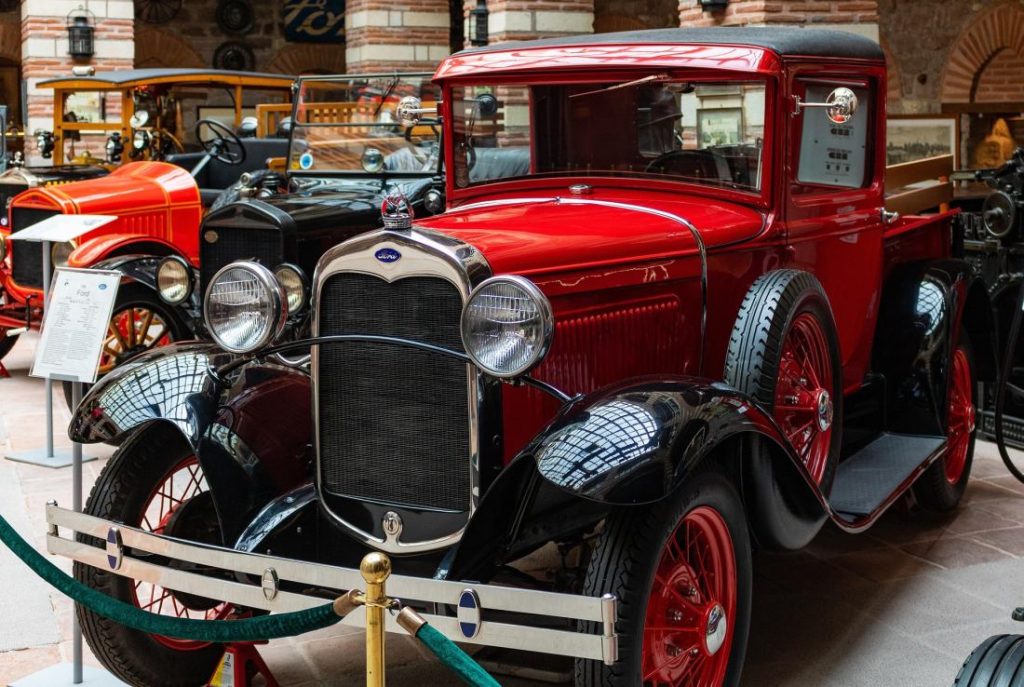
Ankara’s unique atmosphere is created by the massive government districts and contemporary architectural masterpieces, alongside the narrow streets of the old town, the historic fortress, and numerous museums.
Turkey’s capital and second-largest city after Istanbul is located in the middle of the Anatolian Plateau at an elevation of 938 meters above sea level. Although Ankara is not among the traditional tourist destinations, it’s a perfect place for a few days’ excursion.
Table of Contents
Ankara attractions
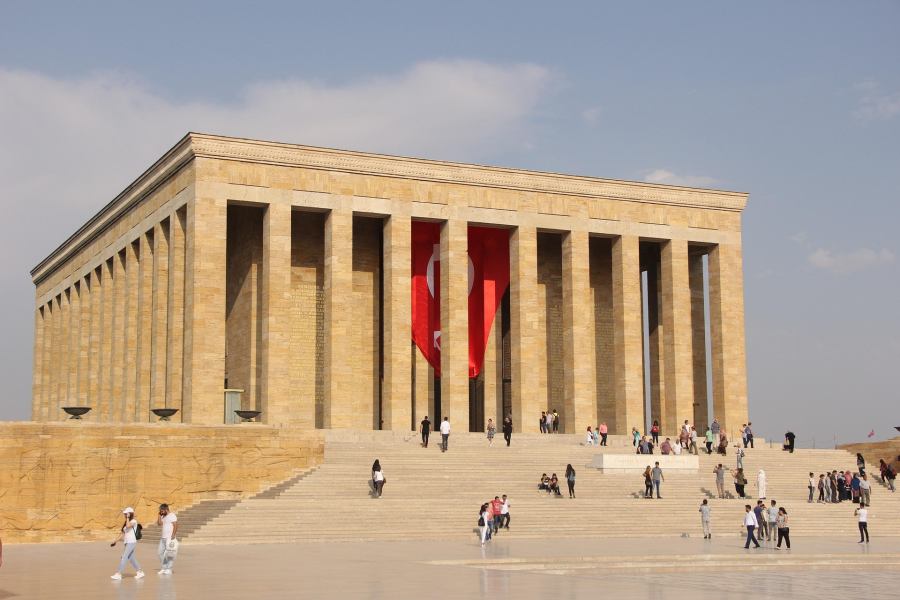
Anıtkabir (Atatürk Mausoleum)
The monumental resting place of Mustafa Kemal Atatürk, the founder of modern Turkey, is also the most important pilgrimage site of the Turkish nation.
The complex, completed in 1953, is located on Rasattepe Hill, from which there is a stunning view of the capital. The structure combines classical Anatolian and modern architectural elements, with the massive Lion Road leading to the main building, guarded by 24 monumental lion statues. The changing of the guard ceremony is visible every hour, providing a special experience.
The mausoleum complex includes several parts: arcaded corridors surround the courtyard, featuring reliefs depicting significant events of the Turkish War of Independence. The actual burial chamber is made of marble, where Atatürk’s sarcophagus is located, surrounded by the lines of the Turkish national anthem in golden letters. Below the building is a museum displaying Atatürk’s personal belongings, gifts, and numerous historical documents.
Ankara Castle (Ankara Kalesi)
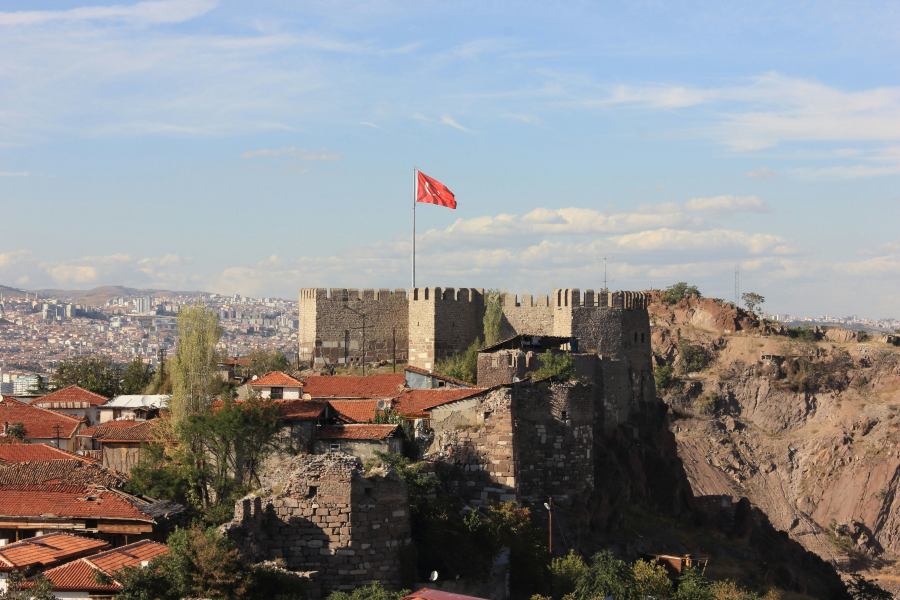
The fortress rising in the heart of the old town is one of Ankara’s oldest structures, which played an important defensive role during Roman and Byzantine times.
The castle consists of two parts: the inner castle (İç Kale) walls were mainly built in the 7th century, while the outer castle (Dış Kale) dates from the 9th century. Among the walls built using basalt stone and marble blocks, Roman-era inscriptions and epitaphs can be discovered. Entry to the castle is easiest through the eastern gate, where steep streets lead through the historic quarter.
The narrow, winding streets leading to the castle preserve the atmosphere of the old town, where old Turkish houses, craft shops, and traditional coffeehouses can be found. From the inner castle, visitors enjoy an unparalleled panorama: on clear days, the entire city is visible, with modern districts and historic areas simultaneously in view. Several towers stand within the castle grounds, some of which are still visible in their original form.
Kocatepe Mosque
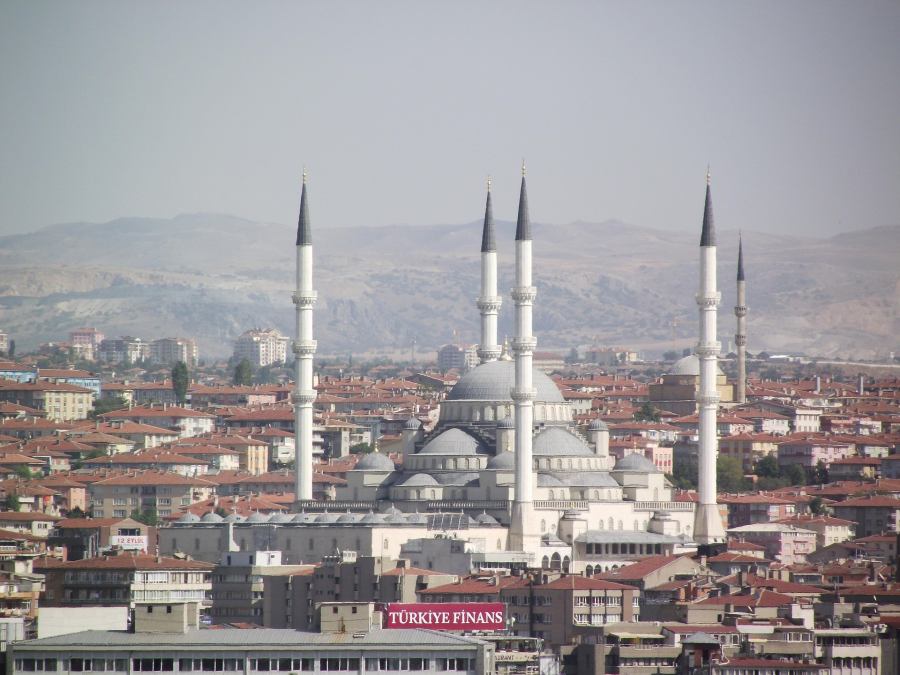
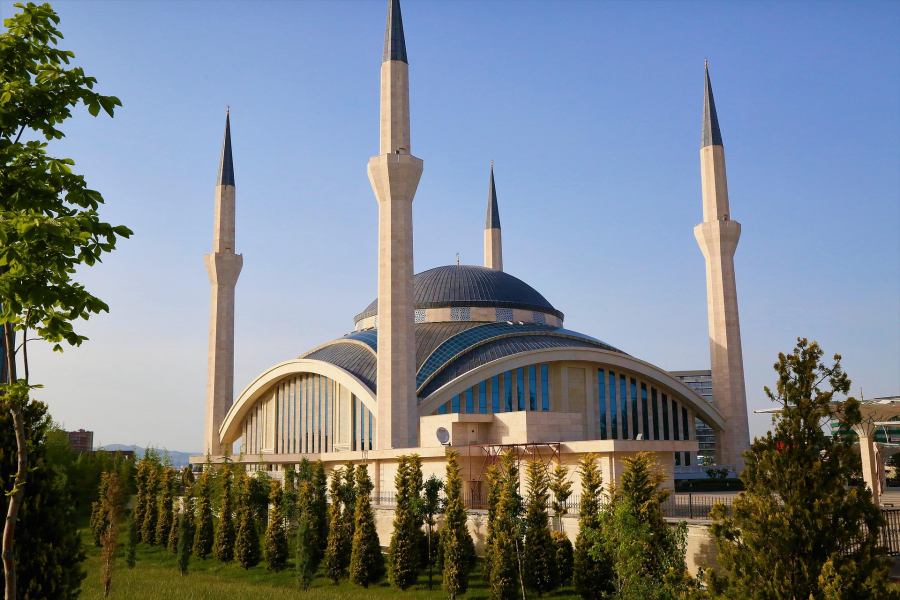
The city’s most significant and largest mosque is one of Turkey’s most impressive modern religious buildings, completed in 1987.
The structure is a fusion of classical Ottoman architecture and modern techniques, with four 88-meter-high minarets and a central dome 24 meters in diameter. A smaller Ottoman mosque originally stood on the site, built by Koca Sinan Pasha in the 16th century.
The interior space can accommodate 10,000 people, and the decorations are stunning: handcrafted chandeliers, calligraphic inscriptions, and blue tiles adorn the walls and dome. On the level below the prayer hall is a shopping center, supermarket, and parking garage—a unique solution combining religious and everyday functions. The square in front of the mosque is well-maintained, surrounded by fountains and green areas.
It holds not only religious significance but also serves as a central landmark in the city, visible from far away. The evening illumination is particularly spectacular when spotlights highlight the structure of the domes and minarets. The mosque is open to visitors daily, but dress codes and prayer times must be respected.
Yeni Mamak Merkez Mosque
One of the most significant religious buildings in the Mamak district, combining modern and traditional Ottoman architectural elements.
Its minaret and dome are distinctive features, visible from afar, contributing to the cityscape. The interior space is bright and open, richly decorated with calligraphic inscriptions and geometric patterns.
The mosque is not only a place of prayer but also a community space: it hosts religious events, educational programs, and community gatherings.
Atakule Tower
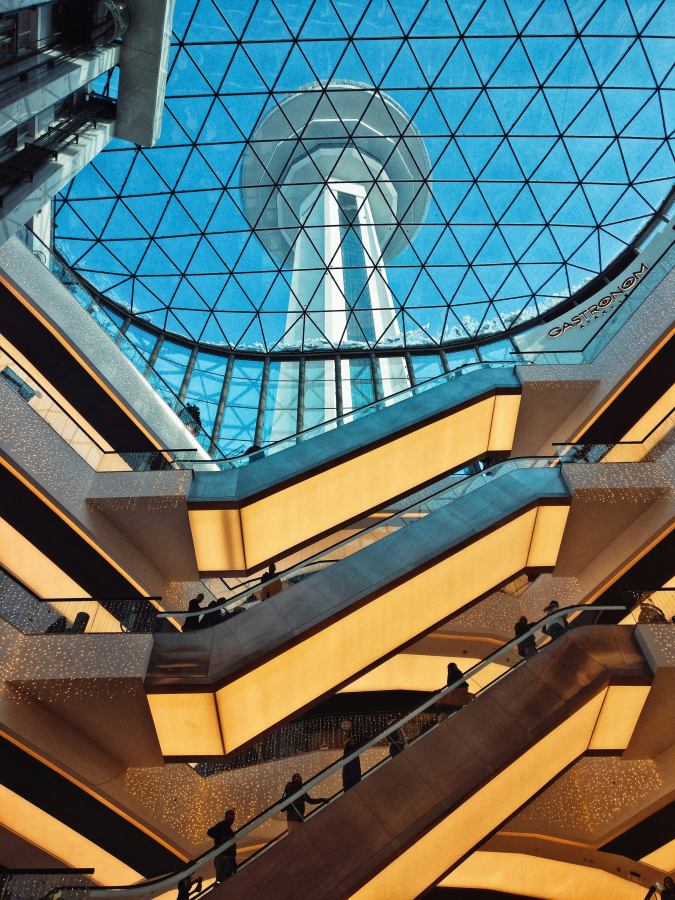
One of the city’s tallest structures at 125 meters high, also one of Ankara’s most recognizable modern symbols.
The tower opened in 1989, with the designers’ goal of creating a multifunctional building combining a shopping center, restaurants, and observation deck functions. The tower’s name derives from a combination of the words Atatürk and kule (tower), thus paying tribute to the founder of the republic.
On the lower levels is a modern shopping center featuring both international brands and local shops. At the top of the tower, at heights of 76 and 98 meters, rotating restaurants operate, making one complete rotation per hour, allowing guests to see the city from all directions while dining. The observation deck offers a 360-degree panorama of Ankara; on clear days, views extend beyond the city limits.
Atatürk Statue
The monumental bronze statue of the founder of the Turkish Republic stands in the center of Ulus Square, one of Ankara’s most iconic public artworks.
The statue was unveiled in 1927, created by Italian sculptor Pietro Canonica, who immortalized Atatürk mounted on horseback in a martial pose. Reliefs on the pedestal depict key events of the War of Independence.
The square around the statue is always lively, where both locals and tourists stop to take photos and pay their respects. The surrounding historic buildings, including old government offices, emphasize the site’s significance in Turkish history. On national holidays, wreath-laying ceremonies take place here, expressing the nation’s respect for Atatürk’s legacy.
Hacı Bayram Mosque
One of the city’s oldest and most sacred mosques, built in 1428 in memory of Hacı Bayram Veli. The building was originally constructed in Seljuk style, but has been renovated and expanded several times over the centuries.
The mosque interior is covered with rich tile decorations, particularly in the mihrab (prayer niche) and minbar (pulpit) areas, showcasing the finest examples of Ottoman ceramic art. The walls are adorned with calligraphic inscriptions quoting Quranic verses and the wisdom of Hacı Bayram Veli.
The adjacent türbe (mausoleum) contains the dervish’s tomb, a pilgrimage site for Muslims. Smaller graves are also found beside the türbe, where the saint’s followers and family members rest.
The square in front of the mosque is always lively, especially during Friday prayers and religious holidays. The surrounding streets are filled with shops selling religious books, prayer items, and souvenirs. The columns and wall remains of the Temple of Augustus are visible directly beside the mosque, making this a unique site where three millennia of architecture converge.
Korean War Memorial
The monument commemorating the heroism of Turkish soldiers was created in memory of the Turks who fell in the Korean War (1950-1953).
Turkey sent a significant military contingent to support UN forces; more than 700 Turkish soldiers died in the conflict. The monument was inaugurated in 1973 and stands in a prominent location in the Çankaya district. Memorial ceremonies take place here on national holidays and anniversaries of the Korean War.
The central element is a tall obelisk bearing the names of Turkish units that participated in the battles and a list of the fallen. Bronze reliefs depict Turkish soldiers in combat situations, highlighting their brave stand under difficult circumstances.
Gençlik Parkı (Youth Park)
The 28-hectare public park in the heart of the capital opened in 1943 and is one of Ankara’s most popular recreational areas.
A marshy area once occupied the park’s site, which was transformed into a leisure park during the city’s development. The central feature of the area is a 32-hectare artificial lake where boating is available, with promenades and rest areas along its shores.
The park offers numerous entertainment options: an amusement park, an open-air stage hosting concerts and performances in summer, and several playgrounds. The opera building is also located within the park grounds.
Beypazarı Historic District
Located approximately 100 kilometers northwest of Ankara, this Ottoman-style small town was founded in the 13th century and flourished in the 18th-19th centuries when it lay along an important trade route. The town’s old quarter is a protected heritage area with more than 3,000 traditional timber-framed houses, many of which have been restored to their original condition.
Walking through the narrow streets, one can feel the atmosphere of the Ottoman era; the houses are built of wood and stone with characteristic projecting balconies and carved window frames. The town is famous for its craft traditions: silverwork, copperware, and traditional costume-making continue today. The local market is full of produce, offering fresh vegetables, fruits, and the region’s characteristic Beypazarı cookies and mineral water.
The town has several historic baths, caravanserais, and mosques, some of which operate as museums or accommodations. The Living Museum offers a special experience, showcasing the furnishings and daily life of an original Ottoman house.
Swan Park (Kuğulu Park)
The small park in the elegant diplomatic quarter is one of the city’s most romantic locations, named after the swans living in it.
Created in 1958, its central feature is a lake where white and black swans swim freely. Despite its compact size, it is extremely popular, especially among diplomats working here, local residents, and tourists.
The park is often used for photography, particularly for wedding photos, as the swans and flowers provide a romantic backdrop. The park is visitable in every season, but it is most beautiful in spring and early summer when the flowers are in full bloom.
Atatürk Forest Farm
The model farm and park area created on Atatürk’s personal estate is located in the western part of the city and now operates as a museum and recreational area.
The founder purchased the land in 1925 with the goal of demonstrating modern agricultural methods and encouraging the development of Turkish farmers. The area of more than 50 hectares includes animal husbandry, vineyards, greenhouses, and orchards.
Atatürk’s original house is visitable as a museum, where furniture, books, and personal items remain in their original arrangement. Several buildings are found on the farm grounds: the wine cellar, where wine is still made from grapes grown here; the dairy, where visitors can purchase fresh dairy products; and a restaurant offering dishes made from local ingredients.
On weekends, it is a favorite destination for families, offering a child-friendly environment and educational programs. The farm demonstrates how a sustainable agricultural business can operate and what Atatürk’s vision was for the country’s agricultural development. The mini zoo and playgrounds on the grounds further increase the park’s appeal to younger visitors.
Ankara weather: when is the best time to visit?
Ankara is located in a continental climate zone, meaning summers are hot and dry, while winters are cold and wet. The four seasons of the year are well distinguished, each with its own characteristics. Due to the city’s elevation, nighttime temperatures can drop significantly even in summer, providing pleasant coolness. Annual precipitation is approximately 400 mm, falling mainly in spring and winter.
Spring (March-May):
The most pleasant period to visit Ankara, when temperatures range between 10-25°C. The city’s parks and gardens burst into bloom, with tulips and other spring flowers particularly beautiful in late April and May. Precipitation occurs moderately, but it’s worth bringing a light raincoat.
Summer (June-August):
A hot and dry period, with temperatures often reaching 30-35°C during the day, but cooling to 15-20°C at night. Humid air rarely occurs, making the heat more bearable than in coastal cities. In July and August, there is almost no rain, and sunshine is constant.
Autumn (September-November):
Characterized by pleasant weather, with temperatures gradually decreasing from 25°C to 10°C. September can still be summer-like warm, while November is already cool and rainy. Autumn colors are most beautiful in October when the foliage in the city’s parks turns yellow and red.
Winter (December-February):
A cold season when temperatures can often be below 0°C, with snowfall occurring. In January and February, daytime maximums hover around 3-8°C, with nighttime minimums possibly reaching -5°C. Despite winter, the number of sunny days is high, but icy winds often sweep through the streets.
Best time to visit Ankara:
The ideal times to visit Ankara are April-May and September-October, when the weather is pleasant and balanced. In spring, temperatures of 15-25°C and blooming parks are particularly attractive, while in autumn, average temperatures of 18-23°C and clear air make city visits pleasant. During these periods, tourist traffic is also moderate, so main attractions are less crowded. Although summer offers plenty of sunshine, temperatures above 30°C can make longer walks difficult, especially during afternoon hours.