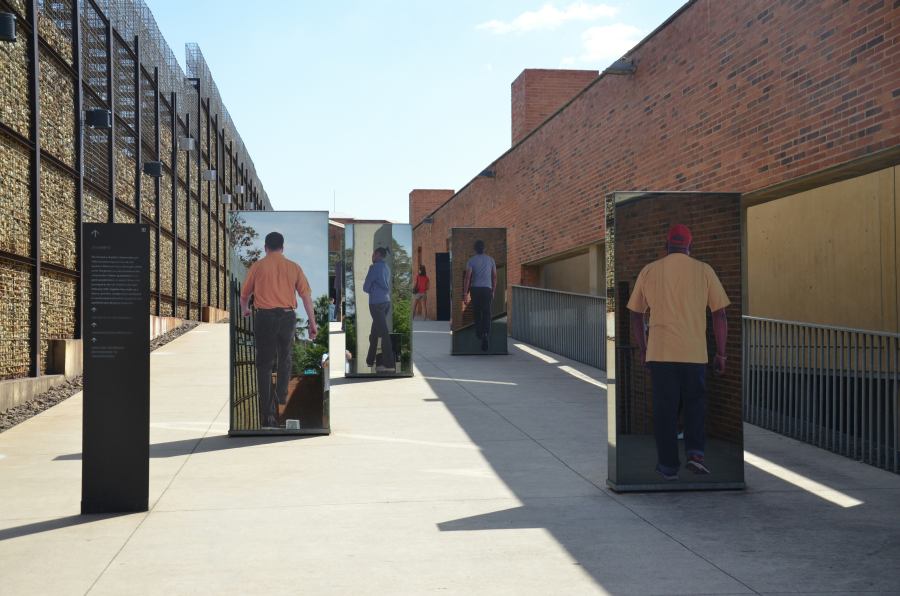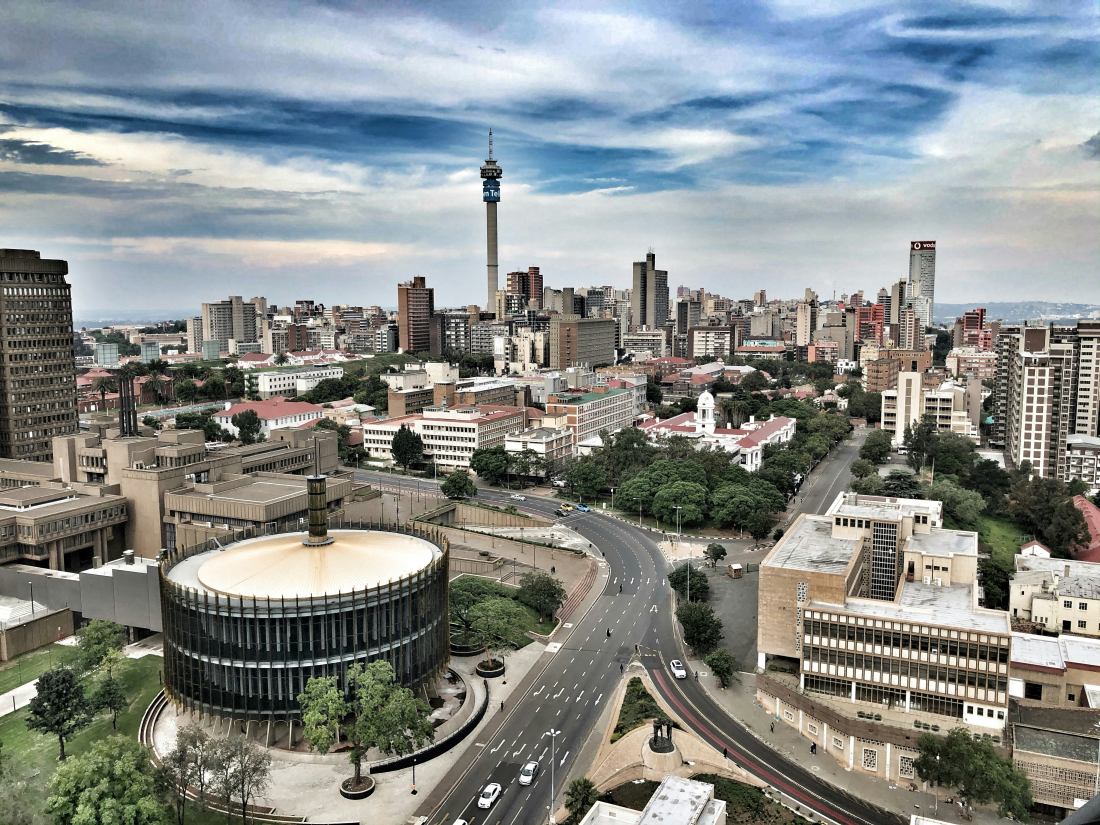
Johannesburg is not only an economic powerhouse, but also a symbol of the struggle for human rights, where Nelson Mandela’s legacy can be felt at every turn.
South Africa’s largest city and economic center, located in Gauteng Province in the northeastern part of the country. The city was founded during the gold rush in 1886. Johannesburg, nicknamed the „city of gold”, uniquely combines the skyscrapers of modern business districts with the haunting memories of the apartheid era. Interestingly, despite all this, it is not the capital (the executive branch operates from Pretoria, the judicial branch from Bloemfontein, and the legislature from Cape Town).
Table of Contents
Johannesburg attractions
Nelson Mandela Square
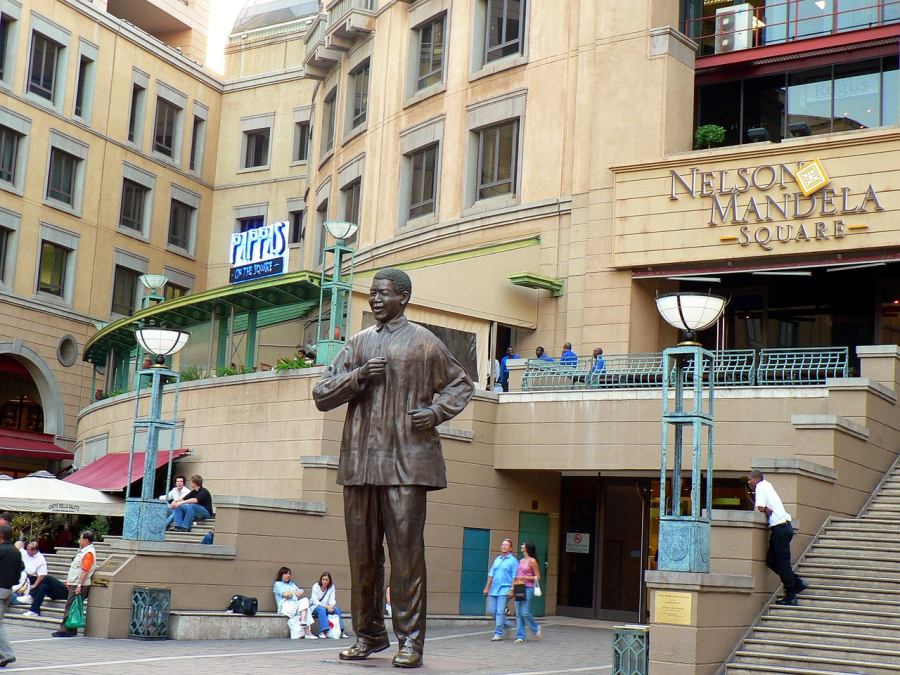
Located in the heart of Sandton City shopping center, the square is one of Johannesburg’s most iconic public spaces.
It received its current name in 2004 when the six-meter-tall bronze statue of Nelson Mandela was unveiled. The imposing statue depicts the Nobel Peace Prize-winning former president with a smiling face and outstretched arms, symbolizing his openness and commitment to reconciliation. It frequently hosts cultural events, concerts, and community programs.
The square is the pulsating heart of Sandton’s business district, where luxury stores, excellent restaurants, and cafés surround the promenade. The area is known as Africa’s richest square kilometer, making the square a symbol of modern, thriving South Africa. In the evenings, the illuminated statue becomes even more spectacular as it stands out among the lights of the skyscrapers.
Constitution Hill
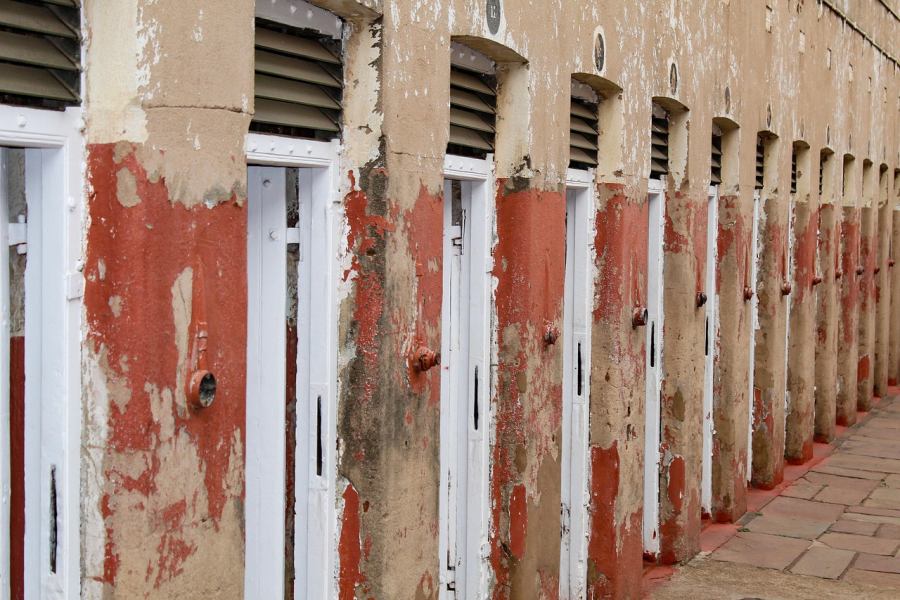
The historic prison complex in central Johannesburg has become a symbol of human rights and justice. Between 1892 and 2004, the prison walls held significant figures such as Indian Mahatma Gandhi and Nelson Mandela, who fought against racism and oppression.
Today, alongside the former prison buildings, South Africa’s Constitutional Court is also located here, having moved in 2004. This symbolic placement conveys the message that where oppression once reigned, democracy and equality are now defended. Visitors can explore the guard towers, solitary confinement cells, and the women’s prison wing.
The Old Fort and Number Four buildings are particularly moving: the graffiti on the walls are messages from prisoners, while exhibitions showcase daily life behind bars.
Soweto and Vilakazi Street
Located southwest of Johannesburg, Soweto (short for South Western Townships) is South Africa’s largest township, which was the center of the anti-apartheid struggle. The 1976 Soweto student uprising, when police opened fire on peaceful protesters, marked a turning point in the history of the freedom struggle.
Vilakazi Street is the only street in the world where two Nobel Peace Prize winners lived: Nelson Mandela’s and Desmond Tutu’s homes are just a few hundred meters apart. Mandela’s former home now operates as a museum, where visitors can see the furnishings, personal items, and family photos. Today, the street is a vibrant cultural and gastronomic center, filled with restaurants and craft shops.
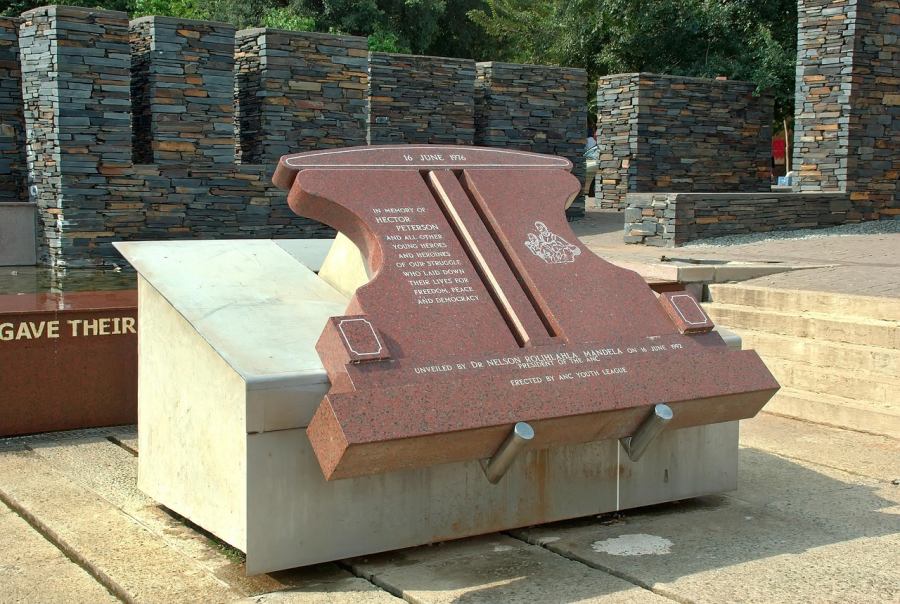
In the area, it’s worth visiting the Hector Pieterson Museum, which commemorates the victims of the 1976 tragedy. During guided tours, local residents share stories about the past and present while exploring the vibrant community.
Carlton Centre
Africa’s tallest building opened in 1973, and at 223 meters high, it still defines Johannesburg’s skyline. The 50-story skyscraper is located in the heart of the city center and combines a shopping center, offices, and an observation deck in a single complex.
At the top of the building, the „Top of Africa” observation deck offers visitors a 360-degree panorama. On clear days, you can see up to 80 kilometers away, including Pretoria. Information boards on the 50th floor help identify surrounding landmarks and city districts.
At the time of its construction, it was a symbol of Johannesburg’s economic boom and one of the most important milestones in the city’s development since the gold rush. The building’s art deco elements and the shopping center with its massive atrium still provide an impressive sight today.
Gold Reef City
The theme park in southern Johannesburg recreates the 1880s gold rush era in an authentic setting. On the park grounds is a real gold mine that opened in 1886, operated as shaft number 14, where today guided tours take visitors down 220 meters underground.
During underground tours, visitors can experience what life was like for the hard-working gold miners: the original mining equipment, mine carts, and tunnel system are visible. On the park’s surface, Victorian-style buildings, craft shops, and restaurants line up, where live gold pouring demonstrations are also held.
The theme park offers more than 30 extreme and family-friendly roller coasters and other attractions. The Tower of Terror free-fall tower is one of Africa’s tallest attractions of its kind. From the top of the Golden Loop Ferris wheel, there’s a breathtaking view of the city and surrounding mining areas. On weekends and holidays, folklore and music performances make visits even more colorful.
Maboneng Precinct
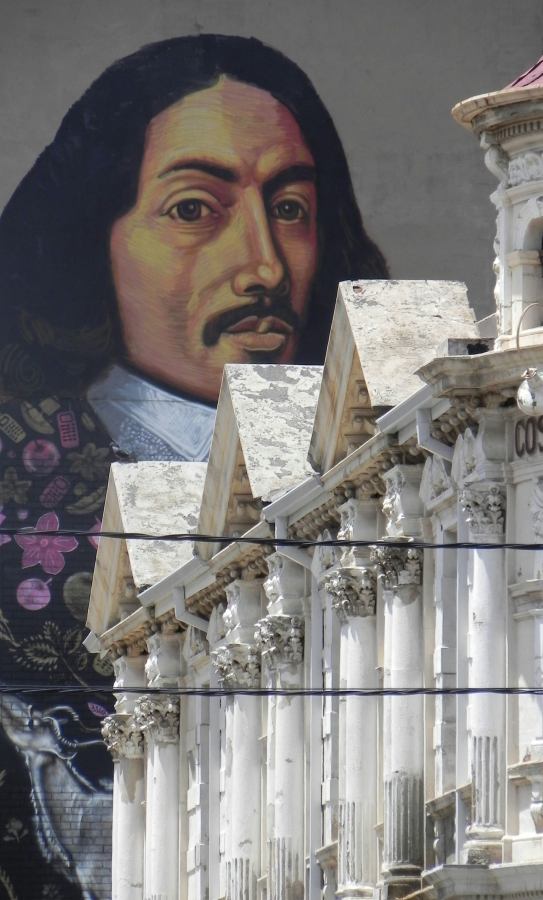
Located in the eastern part of the city, this arts district is one of the most successful urban renewal projects of the past decade. The name meaning „place of light” is fitting, as formerly abandoned industrial buildings are now filled with life by street art, galleries, design shops, and trendy restaurants.
The heart of the district is Main Street, where every Sunday the Market on Main urban market opens. Due to craft products, local food, and live music performances, this has become one of Johannesburg’s most popular meeting places for locals and tourists alike. The Arts on Main building complex houses 43 artistic workshops and studios.
Maboneng’s rooftops are particularly popular: rooftop bars and restaurants offer unparalleled views of the city center. The district’s architecture is also noteworthy: industrial heritage is combined with modern design and graffiti adorns the walls.
Hillbrow Tower
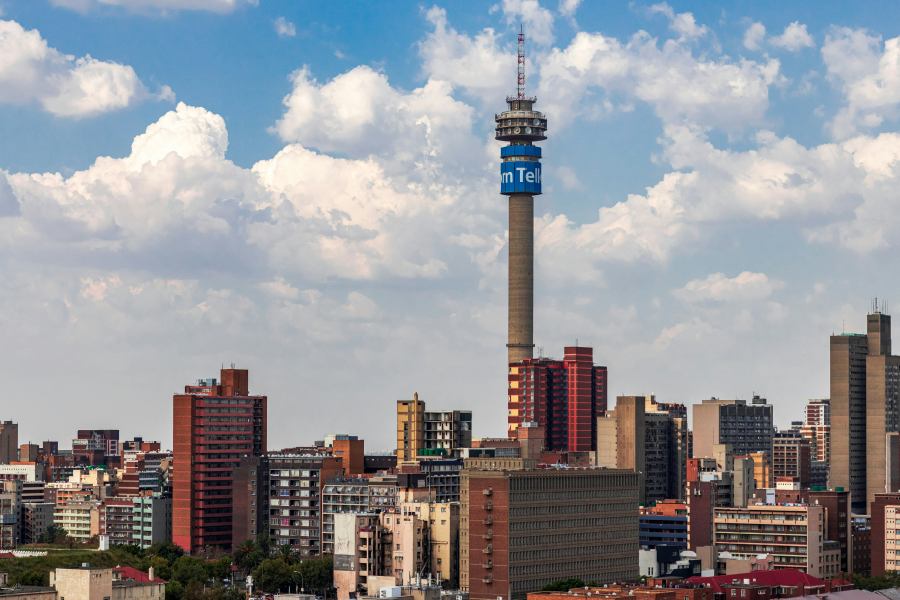
The 269-meter-tall telecommunications tower was built in 1971 and remains at the forefront in the tallest structure category in Africa. It’s one of Johannesburg’s most recognizable symbols.
The tower’s original name was Johannesburg Tower, then it later bore the name Albert Hertzog Tower before receiving its current name after the surrounding Hillbrow neighborhood. The structure was Africa’s tallest building for six years until the Pretoria tower took over this title.
The tower’s distinctive cylindrical shape and the revolving restaurant at the top became a defining element of Johannesburg’s skyline. Special technology was used during construction: the 152-meter-high concrete trunk was built with slip forming, which was a novelty in Africa at the time.
From the observation deck on the 50th floor, visitors had a breathtaking 360-degree panorama. Unfortunately, for security reasons, the tower has not been accessible to visitors since the turn of the millennium. Today it’s primarily an attraction to be admired from afar, particularly impressive at night when illuminated with colorful lights.
Walter Sisulu National Botanical Garden
The 300-hectare botanical garden is located on Johannesburg’s western border and boasts one of South Africa’s richest plant collections. The garden opened in 1982 and showcases more than 600 native plant species, all belonging to the indigenous flora of the Witwatersrand region.
The main attraction of the area is the Witpoortjie Waterfall, which plunges from 70 meters high and is the garden’s most photographed spot. Black eagles nest around the waterfall, and observing them is a special experience for visitors. More than 220 bird species live in the area, making the garden a paradise for birdwatchers.
Among the carefully designed walkways are various themed gardens: rock garden, medicinal plant garden, and cycad collection. The Mandela Garden, planted in 2000, was created in honor of Nobel Peace Prize winners, where a plant was planted for each laureate.
Neighbourgoods Market
Located in the Braamfontein neighborhood, in a converted industrial building, the city’s most famous urban market opens every Saturday. The market, which started in 2006, has become the center of Johannesburg’s culinary and creative scene, where more than 100 vendors offer their products.
The food selection is impressive: African street food, Asian delicacies, craft burgers, vegan specialties, and baked goods line up next to each other. The bar on the rooftop of the Old Biscuit Mill building is particularly popular, offering views of the city.
Following the Neighbourgoods Market model, several similar markets have opened in Johannesburg, but this remains the largest and most popular.
Zoo Lake
The 44-hectare park and lake in the Saxonwold neighborhood is one of Johannesburg’s most popular recreational spots.
The area was developed in 1904 when the then-mayor, Harry Struben, bought back the land and declared it a public park so that city residents could enjoy nature. The park regularly hosts outdoor concerts, yoga classes, and community events. In spring, the blooming of Japanese cherry trees provides a particularly beautiful sight.
Its history also reflects the city’s social development: while during apartheid there were separate areas for „whites” and „non-whites”, today it’s a community space open to all Johannesburg residents.
Johannesburg Botanical Garden
Founded in 1964, the 125-hectare botanical garden is located in the upscale suburb of Emmarentia and is South Africa’s most famous urban green space. During the garden’s design, special attention was paid to showcasing the region’s natural vegetation and the rich biodiversity of the Witwatersrand area.
The rose garden is particularly famous: more than 10,000 rose bushes are found here, dazzling visitors with their magnificent blooms between October and April. The Shakespeare Garden is a special themed section where only plants mentioned in the British playwright’s works are found.
Among the most popular sections is the area around the lake, where water birds and herons can be observed. On weekends, picnicking families fill the well-maintained grassy areas, which are perfect for relaxing and children’s play.
Lion & Safari Park
Located 35 kilometers north of the city center, the 600-hectare game reserve offers the opportunity for visitors to get close to Africa’s big game without having to embark on a multi-day safari. The park opened in 1966 and has been continuously expanding and developing since.
The park’s specialty is lions: several different lion families live here, including white lions. During guided vehicle tours, visitors can observe these majestic predators from a safe distance in their natural environment. The park is also home to giraffes, antelopes, zebras, wildebeests, and hyenas.
Special experiences include encounters with lion cubs, where under supervision, young predators can be petted and photographed. Walking with cheetahs is an even more extreme experience: visitors can walk with these fast predators under special guidance. The park is a perfect choice for families and those who want to experience an authentic African wilderness experience near Johannesburg in a short time, all under ethical and sustainable conditions.
Johannesburg weather: when is the best time to visit?
Johannesburg has a subtropical highland climate, significantly influenced by the city’s 1,753-meter elevation above sea level. The year can be divided into four distinct seasons, which follow in reverse order on the southern hemisphere compared to the northern hemisphere. The climate is generally dry and sunny with pleasant temperatures year-round, though day and night temperature differences can be significant.
Summer (December–February):
The warmest season, when daytime temperatures regularly reach 26-30°C. This is also the rainy season, with heavy afternoon thunderstorms that usually pass quickly. Humidity is higher during this period, and the number of sunny hours is high.
Autumn (March–May):
A transitional period with pleasant, dry weather. Temperatures gradually decrease to between 20-25°C, rainfall stops, and the air becomes drier. Nighttime temperatures can drop below 10°C in May.
Winter (June–August):
A dry, sunny period with daytime temperatures around 17-20°C and often freezing nighttime temperatures. Rain is rare, the air is very dry, and clear blue skies characterize this season. It can be particularly cold at night and in the early morning.
Spring (September–November):
The weather warms quickly, with temperatures reaching 25°C by October. It’s characterized by a dry period, with the first summer rains beginning in November. The purple flowers of blooming jacaranda trees make October special.
Best time to visit Johannesburg:
The most ideal time to visit Johannesburg is winter and spring, between April and September. The months from May to September are particularly recommended when the weather is dry, sunny, and pleasant, and the rainy season hasn’t yet begun. April and May are wonderful with daytime temperatures around 22-25°C, while October is particularly beautiful due to the purple blooming of jacaranda trees. The winter months (June–August) are also excellent for visiting, though it’s worth packing warm clothes for the nighttime and morning cold. The summer months (December–February) should be avoided due to afternoon thunderstorms, although nature is at its greenest and most magnificent during this time.
Frequently Asked Questions about Johannesburg
Johannesburg is in the South African time zone (SAST, UTC+2).
South Africa has 11 official languages, but English is the most widespread in Johannesburg and the main language of daily communication. In tourism, hotels, restaurants, and shops, it can be used almost everywhere without problems. Zulu and Afrikaans are also common.
The official currency is the South African rand (ZAR). Credit cards are widely accepted, even in smaller shops and restaurants. Cash is rarely needed, but it’s useful at markets and smaller vendors. ATMs are easily accessible throughout the city. Here is a currency calculator.
Type M plugs are most commonly used in Johannesburg, which differ from the European standard. The mains voltage is 230 V, so most European devices are compatible.
Johannesburg’s main airport is O.R. Tambo International Airport (JNB). The fastest and safest public transport solution is the Gautrain, which provides direct connection to Sandton and Rosebank. Official taxis and transfer services are also available, offering a convenient alternative.
Car transportation dominates in Johannesburg, with limited traditional public transport. The Gautrain is fast and reliable between major business districts. Most tourists travel by Uber or other ride-hailing services, as these are safe and relatively affordable.
Safety in Johannesburg varies significantly by area. Well-frequented areas, shopping centers, and business districts are generally safe during the day and evening. However, caution is important: it’s advisable to avoid nighttime walks in less familiar areas and watch your valuables.
For tourists, Sandton is one of the best choices, with modern hotels, shopping centers, and good transportation. Rosebank is also popular with its cultured environment and restaurants. Melrose Arch is an elegant, safe neighborhood, while Maboneng District offers a more youthful, artistic atmosphere.
Apartheid Museum: One of the country’s most important historical memorial sites.
Constitution Hill: Historic prison complex and constitutional court.
Soweto and Vilakazi Street: Iconic township with Nelson Mandela’s and Desmond Tutu’s former homes.
Maboneng Precinct: Creative district with street art and cafés.
Lion & Safari Park: Wildlife observation near the city.
Johannesburg’s gastronomy is diverse, with African and international influences. It’s worth tasting braai (South African barbecue), boerewors (spicy sausage), bunny chow, and biltong, which is one of the locals’ favorite dried meat preparations.