
Hawaii, as one of the U.S. states, offers travelers breathtaking volcanoes, palm-lined beaches, and a one-of-a-kind culture. The questions and answers below will help you navigate the most important things to know, whether it’s about entry requirements, transportation, or the best time to travel.
Table of Contents
Basic information
Why is it worth traveling to Hawaii?
Hawaii is a unique destination because within a single island chain it combines volcanic landscapes, one of the world’s most famous beach cultures, and a distinct tradition rooted in Oceania.
The geography of the islands is extremely varied: active volcanoes, rainforests, coral reefs, and moon-like lava fields follow one another within just a few hours’ drive. Hawaii Volcanoes National Park on the Big Island is one of the most active volcanic areas on Earth, while Kauai’s rainforest-covered mountains and Maui’s waterfalls offer a completely different experience.
The culture is also a special draw: traditional hula dancing, festivals of Polynesian origin, and the hospitality known as the “aloha spirit” all help make Hawaii memorable not just as a beach vacation but as a cultural experience. In addition, the islands’ unique wildlife – such as the winter migration of whales or the tropical coral reefs – offers an experience that few other destinations can provide.
What time zone is Hawaii located in?
Hawaii is located in the Hawaii-Aleutian Standard Time zone (UTC-10). Hawaii does not observe daylight saving time throughout the year.
When is the best time to travel to Hawaii?
Hawaii is a pleasant, tropical destination year-round, but the drier period between April and October is considered the most favorable for travel.
The dry season, which runs roughly from April to October, brings less rainfall and more stable, sunny weather, with daytime temperatures typically around 27-31°C. This period is ideal for beach time, water sports, and excursions.
The wetter winter months (November-March) bring more frequent short, heavy showers, especially on the islands’ northern and eastern coasts, but this period also marks the whale-watching season, when humpback whales migrate from Alaska to Hawaiian waters to breed.
It’s also worth keeping in mind that flight and accommodation prices are significantly higher around Christmas and New Year’s as well as during the summer school break, so if cost is a concern, the spring or fall months may be a more favorable choice.
How many days is it worth spending in Hawaii?
To explore a single island thoroughly, at least 7-10 days is generally recommended, while visiting multiple islands calls for a trip of 2 weeks or longer.
Because of the long flight — typically more than 15 hours from Europe – it’s not worth spending less than a week in Hawaii. 7-10 days is enough to comfortably cover the main sights of a single island, such as Oahu or Maui.
If you’d like to get to know several islands, a 2-3 week trip is worth planning, since travel between islands is by plane, and each island offers a different kind of experience: Oahu offers city and beach programs, Big Island the volcanoes, Maui the natural sights, and Kauai the wild, rugged landscapes.
What is the official currency in Hawaii?
Hawaii’s official currency – as part of the United States – is the US dollar (USD).
Credit cards are accepted almost everywhere, so cash is mainly needed for smaller purchases, at markets, or for tips.
Is English spoken in Hawaii?
Yes, English is one of Hawaii’s official languages, and you can get by with it everywhere in tourist areas.
Hawaii’s other official language is Hawaiian, which mainly appears in place names, signage, and cultural events. In addition, “Hawaiian Pidgin” is widespread, a local mixed dialect often heard in everyday life, but everyone speaks standard, easily understandable English with tourists.
What type of power outlet is used in Hawaii?
In Hawaii – as part of the United States – Type A and Type B outlets are used, so a travel adapter will be needed for European devices.
The mains voltage is 120 volts, compared to 230 volts in Europe. Most modern chargers and laptops automatically handle the 100-240V range, so a simple adapter is enough for these. Higher-power devices designed exclusively for 220-240V (such as some hair dryers) may require a voltage converter.
How does internet and SIM card use work in Hawaii?
Internet connectivity in Hawaii is of good quality, with free Wi-Fi available in the vast majority of hotels, cafes, and restaurants.
For continuous mobile internet, it’s worth buying a local SIM card or an eSIM, which in many cases can already be activated online before your trip. This can be especially useful on volcanic or mountain hikes farther from urban areas, where coverage can be weaker in places.
Is it customary to tip in Hawaii?
Yes, in keeping with American customs, tipping is expected in restaurants and for many services in Hawaii.
In restaurants, 15-20% of the bill is the customary tip if a service charge isn’t already listed separately on the bill. Similarly, it’s customary to tip taxi drivers, housekeeping staff, and tour guides. Since a significant portion of many hospitality workers’ income in the United States comes from tips, failing to tip is considered impolite.
Travel and transportation
Which island is worth choosing?
The four most popular islands – Oahu, Maui, Big Island, and Kauai – each offer a different experience, so the choice depends on your interests.
Oahu is the most populous island, home to Honolulu and the world-famous Waikiki Beach, as well as numerous historical and cultural sights such as Pearl Harbor. This is the best choice if you’d like city programs alongside your beach time.
Maui is known for its luxury resorts, the famous Road to Hana, and the sunsets at Haleakala volcano, making it an ideal choice for a calmer, more romantic trip.
Big Island (the Island of Hawaii) has the most varied landscape, featuring active volcanoes, black sand beaches, and snow-capped mountain peaks all on the same island.
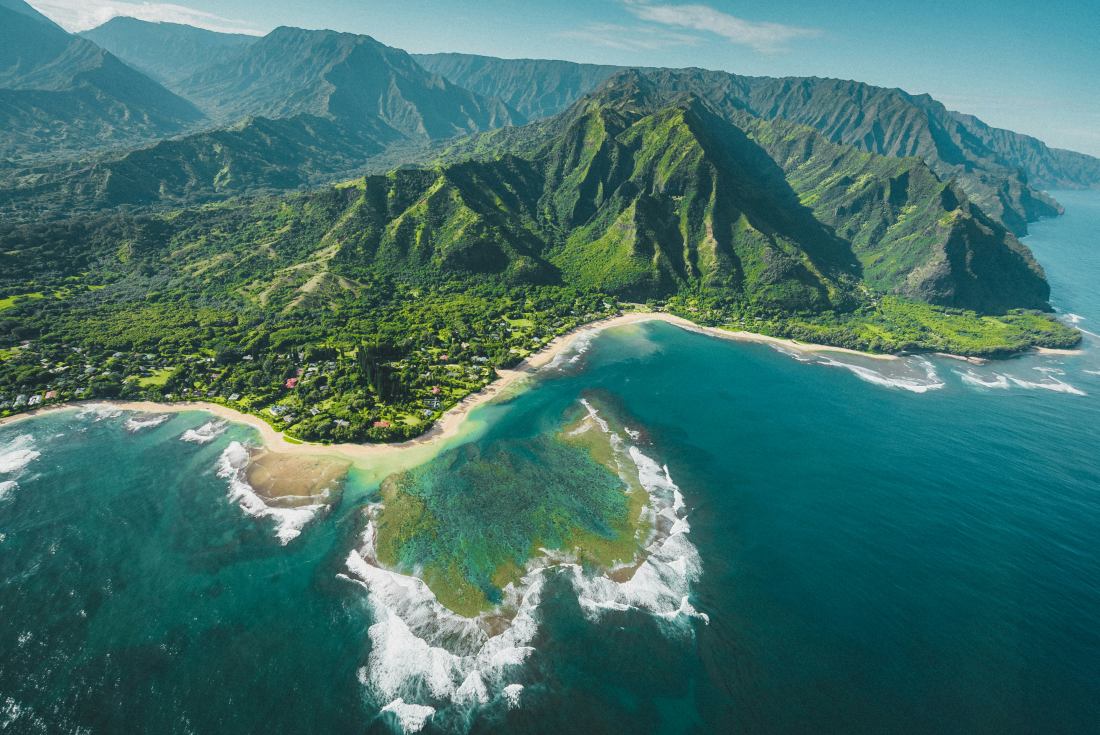
Kauai is the most unspoiled and nature-close island, with dramatic mountains, rainforests, and the famous Na Pali Coast, offering a less crowded, more relaxed atmosphere.
How can you get around within the islands?
A rental car is the most convenient way to get around within the islands, since public transportation – except in Honolulu – is limited.
In Oahu’s capital, Honolulu, a well-developed bus network (TheBus) operates, reaching most tourist destinations. On the other islands – Maui, Big Island, Kauai – however, the attractions are spread out, making it difficult to get around without a rental car. Flying is the fastest way to travel between the islands, since ferry service is only available on a limited basis.
Which area is worth staying in?
The most popular and convenient areas to stay vary by island, but each offers a good base for the local attractions.
On Oahu, Waikiki is the most popular choice, home to most of the hotels, restaurants, and the famous beach strip. On Maui, the Ka’anapali and Lahaina area offers the most resort hotels, while on the Big Island, the more comfortable Kona side is the sunnier, drier area, as opposed to the rainier Hilo area. On Kauai, the Poipu area is the most popular thanks to its drier, sunnier weather.
Health information
Are vaccinations required to travel to Hawaii?
There are no mandatory vaccinations for most travelers visiting Hawaii, since the islands, as part of the United States, have well-developed healthcare infrastructure.
However, taking out proper travel insurance is essential, since receiving healthcare in the United States can be extremely expensive without insurance.
Is tap water safe to drink in Hawaii?
Tap water is safe to drink on most islands and in tourist areas.
The water systems of Honolulu and the larger resort areas meet strict American standards. However, in some more rural, less developed areas – for example, in certain Big Island communities that use rainwater collection systems – it’s worth checking locally or choosing bottled water instead.
What health risks should you watch out for in Hawaii?
The most important risks are tropical sun exposure, ocean currents, and encounters with certain marine life.
The Hawaiian sun is extremely strong, so high-SPF, reef-safe sunscreen and adequate hydration are essential. When swimming in the ocean, watch out for rip currents, which can be dangerous even for strong swimmers – it’s best to swim only at guarded beaches and follow local warning signs. Encounters with jellyfish or sea urchins can occasionally occur, which are usually unpleasant but not dangerous stings.
Experiences
What are the must-see attractions in Hawaii?
Hawaii’s best-known attractions include Diamond Head crater and Pearl Harbor on Oahu, the Road to Hana and Haleakala volcano on Maui, Hawaii Volcanoes National Park on the Big Island, and the Na Pali Coast on Kauai.
Diamond Head is an extinct volcanic crater near Honolulu, from whose summit there is a stunning view of Waikiki and the ocean. The nearby Pearl Harbor historic sites, including the USS Arizona Memorial, showcase one of the defining locations of World War II.
On Maui, the famous Road to Hana offers countless waterfalls and tropical viewpoints, while the sunrise viewed from the summit of Haleakala volcano is one of the most memorable experiences on the island.
On the Big Island, Hawaii Volcanoes National Park is home to Kilauea volcano, where active volcanic activity can often be observed up close.
On Kauai, the Na Pali Coast with its steep, green cliffs and hidden coves is among the island’s most spectacular natural wonders, often accessible only by boat or on foot.
What are the most popular foods and drinks in Hawaii?
Hawaiian cuisine blends traditional Polynesian, Asian, and American influences. The best-known dishes include poke, kalua pork, and poi, while the most popular drinks include the mai tai cocktail and local Kona coffee.
Poke is a salad made from raw, diced fish (typically tuna), seasoned with soy sauce, sesame oil, and other toppings.
Kalua pork is one of the main dishes of traditional Hawaiian luau feasts, prepared smoked in an underground oven.
Poi is a traditional Hawaiian staple food made from taro root, with a distinctive texture, often eaten as a side dish.
Among drinks, the mai tai is the best-known cocktail, made from a blend of rum and tropical fruit juices. The islands also grow world-class coffee, with Kona coffee from the Big Island’s Kona region being one of the most sought-after Hawaiian products.
What important holidays and festivals take place in Hawaii?
Important parts of Hawaii’s cultural life are its annual traditional festivals, the most famous of which are the Merrie Monarch Festival, the Aloha Festivals, and King Kamehameha Day.
The Merrie Monarch Festival is held every year during the week after Easter in Hilo, and is considered the most prestigious traditional hula dance competition, drawing dancers and spectators from all over the world.
The Aloha Festivals are a multi-island celebration held in September, featuring parades, concerts, and traditional craft fairs celebrating Hawaiian culture.
King Kamehameha Day on June 11 commemorates Hawaii’s first ruler with flower-lei-adorned parades and traditional hula performances.