California is one of the most diverse states in the United States, where almost every type of landscape can be found, from the Pacific coast to the snow-capped peaks of the Sierra Nevada, from the scorching sands of the Mojave Desert to the shaded trails of the redwood forests.
The region is famous not only for its natural richness but also for its vibrant cities, wine regions, and coastal towns, each with its own distinct character. It is bordered by the Pacific Ocean to the west, Oregon to the north, Nevada and Arizona to the east, and Mexico to the south.
Table of Contents
Best places in California
Yosemite National Park
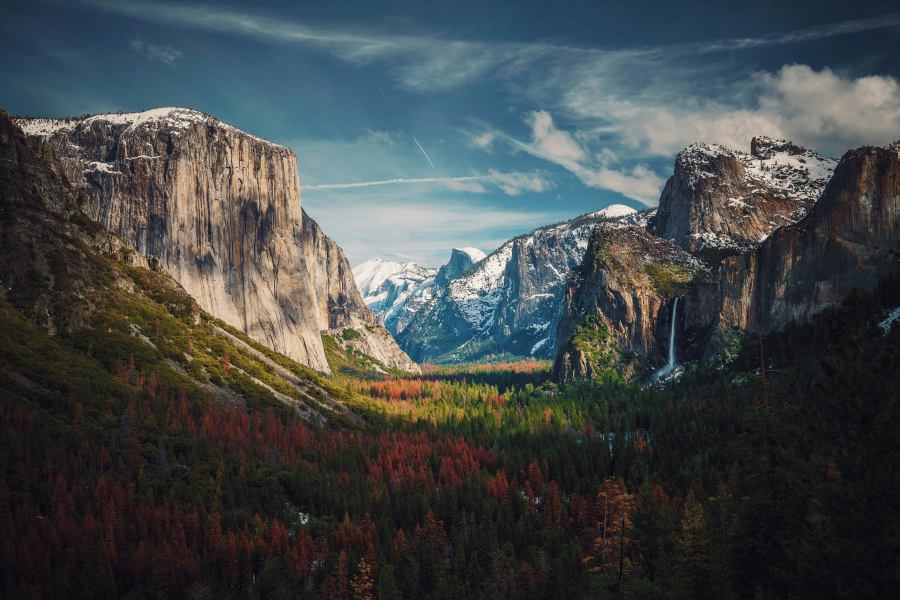
Located on the western side of the Sierra Nevada, this area is one of the flagships of California conservation, where vertical granite walls, roaring waterfalls, and ancient sequoias shape the landscape. The site has attracted visitors since the 19th century and is considered one of the cradles of the American national park movement.
The valley’s central attractions are the El Capitan and Half Dome rock formations, popular destinations for climbers from around the world. During the spring snowmelt, Yosemite Falls and Bridalveil Fall cascade down with breathtaking force, while in summer the high mountain meadows burst into bloom.
In the southern part of the park, the giant sequoias of Mariposa Grove are thousands of years old, with trunks that can reach up to ten meters in diameter. It offers routes for hikers, cyclists, and families alike, from easy strolls to multi-day mountain excursions.
San Francisco
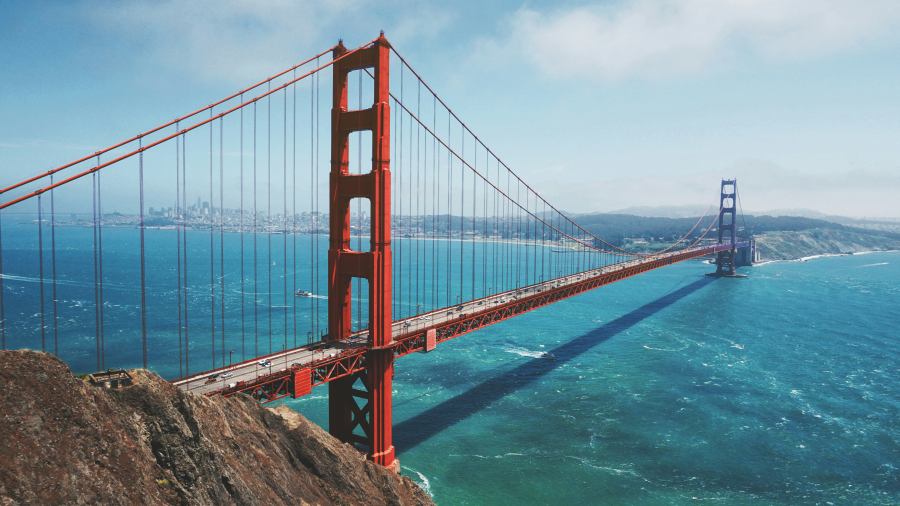
The panoramic views from the hills of this city at the northern tip of the bay, its rows of Victorian houses, and the fog-shrouded Golden Gate Bridge lend it a unique atmosphere. Its coastal location and cool summer climate set it apart from other major Californian cities.
Besides the famous red bridge, it’s worth visiting the former prison island of Alcatraz, the harbor district of Fisherman’s Wharf, and Golden Gate Park, which is also home to museums and a botanical garden. The hilly streets, such as the winding stretch of Lombard Street, are attractions in their own right.
The city’s cultural diversity is also reflected in the Chinatown district, the Italian North Beach, and Haight-Ashbury, which evokes its hippie past.
USA West Coast trip – part 1: San Francisco
Los Angeles
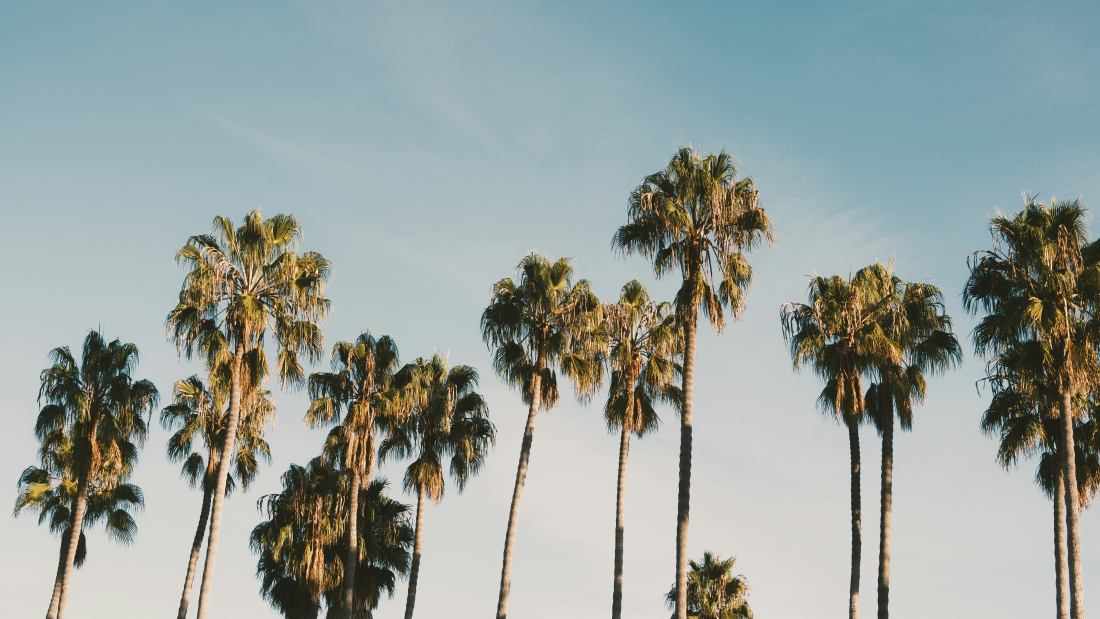
This Southern California metropolis is known as the capital of the film and entertainment industry, where palm-lined boulevards, coastal neighborhoods, and mountain viewpoints follow one another in succession. Because of its vast size, the city feels almost like a collection of separate worlds.
In the Hollywood district, the famous sign and the sidewalk studded with celebrities’ stars evoke the history of the film industry, while the Santa Monica Pier and Venice Beach offer a taste of coastal life. The Getty Center, a hilltop museum, welcomes visitors with its modern architecture and stunning views.
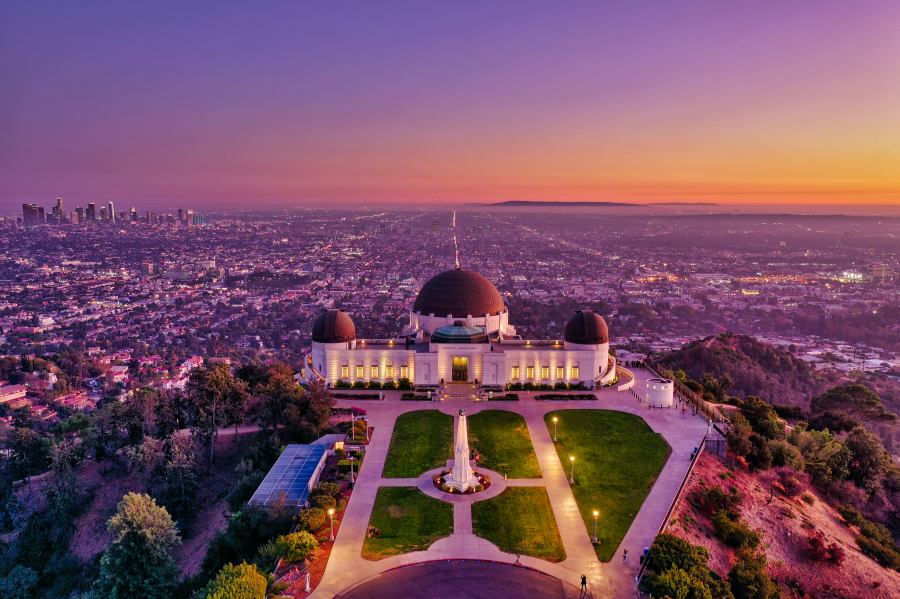
At night, the Griffith Observatory in the city offers a mix of the starry sky and city lights, while by day it’s the best vantage point for the Hollywood sign. Nearby Beverly Hills’ luxury and Downtown’s up-and-coming art districts add further color to the city.
USA West Coast trip – part 2: Los Angeles
Napa Valley
One of California’s best-known wine regions lies barely an hour from San Francisco, where vineyards line sun-drenched hills. With its world-class wines and culinary offerings, the region is one of the most popular weekend getaway destinations.
Hundreds of wineries in the valley welcome visitors for tastings, many housed in elegant chateau-style buildings or modern designer wineries. Viewed from the vintage carriages of the Napa Valley Wine Train, the vineyards reveal themselves from an entirely different perspective, paired with lunch.
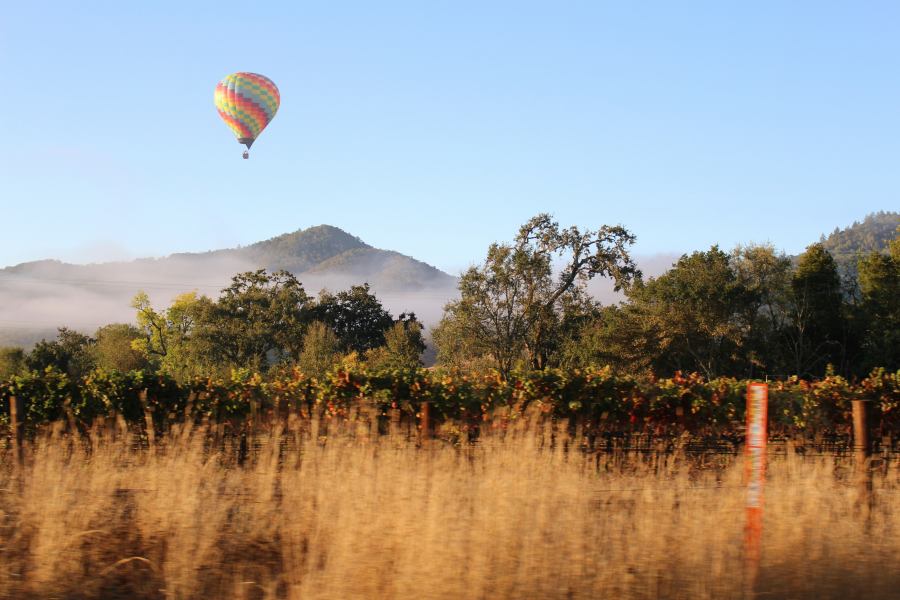
Nearby Calistoga is famous for its hot springs and mud baths, while the boutique shops and restaurants of the small town of St. Helena make for a pleasant stroll. A hot air balloon ride in the early morning hours can be one of the valley’s most memorable experiences.
Big Sur
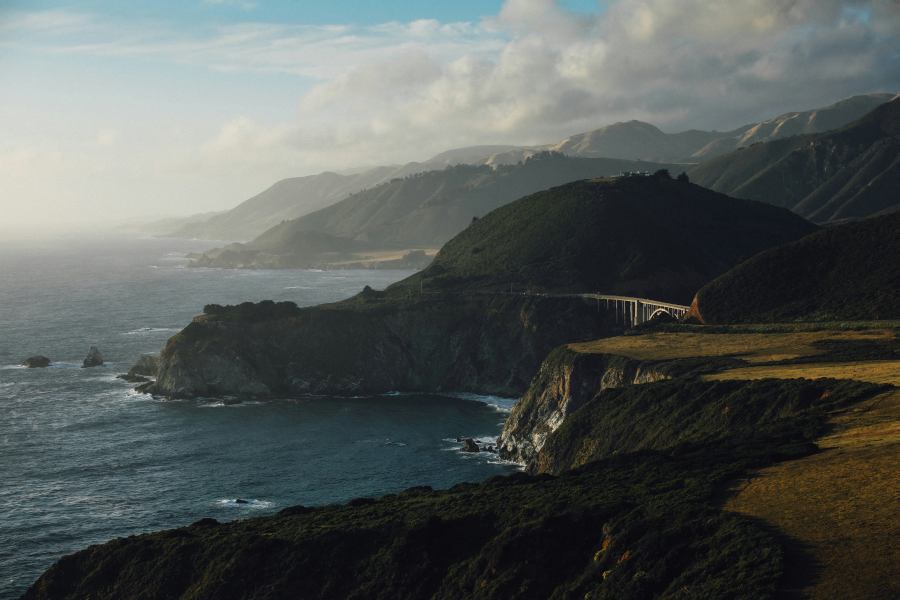
This rocky stretch of coastline along the Pacific Ocean formed at the meeting point of the Santa Lucia Mountains and the ocean, where the winding Highway 1 reveals a new panorama almost every mile.
McWay Falls plunges directly into a secluded coastal cove, while the arched structure of Bixby Creek Bridge is one of the most photographed bridges in the United States. Redwood forests and rocky viewpoints alternate along the coastline.
The region’s limited infrastructure is deliberate: efforts are made to preserve Big Sur’s wild character. Campers, hikers, and photographers alike find peace here.
Lake Tahoe
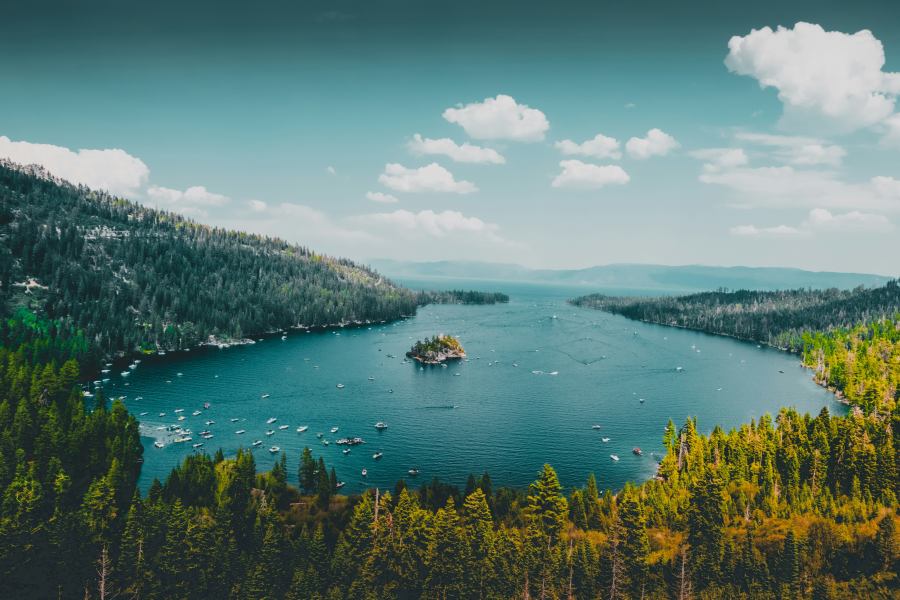
This lake nestled among the Sierra Nevada mountains lies on the border between California and Nevada, known for its crystal-clear water and the pine forests towering around it. Due to its great depth, the water’s color ranges from turquoise to deep blue.
In winter, the ski resorts around the lake, including Palisades Tahoe, a former Olympic venue, attract thousands of athletes. In summer, sailing, kayaking, and lakeside walking paths make the area popular.
The viewpoints of Emerald Bay State Park reveal one of the lake’s most picturesque corners, with a tiny island in the middle of the bay. The area’s small towns, such as South Lake Tahoe, welcome visitors year-round with restaurants and craft shops.
Death Valley National Park
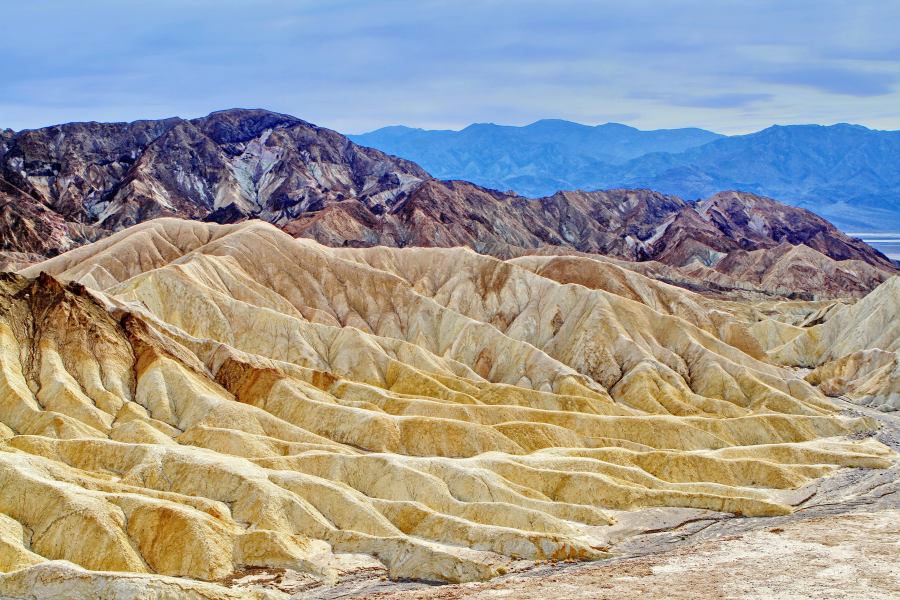
The hottest and driest point in the United States lies in the northern part of the Mojave Desert, where the landscape reveals many faces, from salt flats to colorful sand dunes. Badwater Basin, 86 meters below sea level, is the lowest point on the continent.
Zabriskie Point turns golden at sunset, and its undulating ridges make it a popular destination for photographers. The sand dunes of Mesquite Flat and the colorful mineral deposits of Artist’s Palette showcase the desert’s geological diversity.
Despite the extreme temperatures, the park is a pleasant hiking destination in winter and spring, when the desert flowers also bloom. At night, the absence of light pollution also makes it an excellent place for stargazing.
Joshua Tree National Park
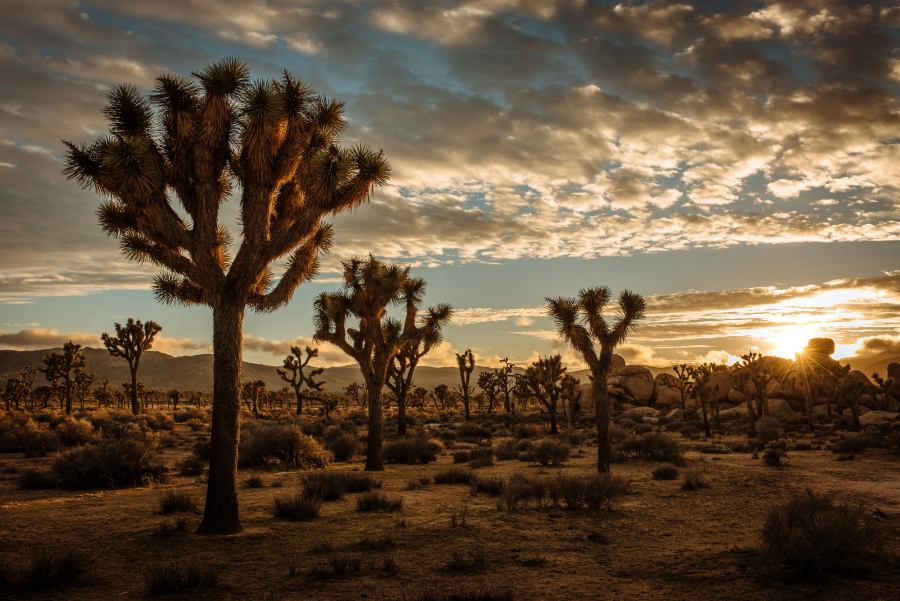
Located at the meeting point of the Mojave and Colorado deserts, this park takes its name from the distinctive, spiky-branched Joshua trees that give the landscape its unusual silhouette. The massive granite boulders provide a favorite terrain for rock climbers.
The park’s night sky is famous among astronomers and photographers, since the lights of nearby towns barely disturb the view. By day, the rock formations of Hidden Valley and Skull Rock offer short, easy walking trails.
In spring, the desert vegetation bursts into bloom, bringing splashes of unusual color to the parched landscape. Because of the park’s dual ecosystem, the differing plant and animal life of the two deserts can be observed within a single walk.
Sequoia and Kings Canyon National Parks
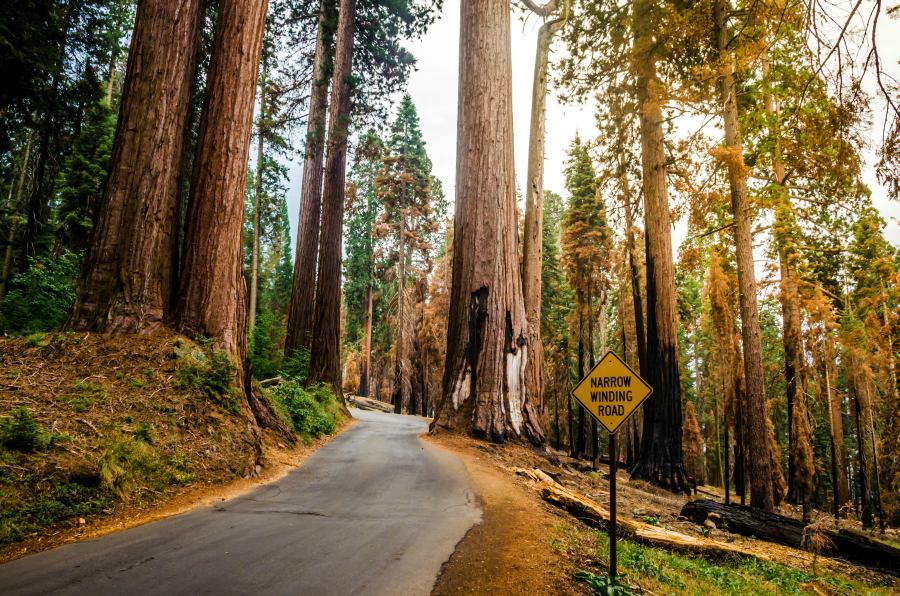
These two adjoining parks in the southern Sierra Nevada are home to the largest living trees on Earth, the giant sequoias. The famous General Sherman Tree is, by volume, the largest single organism on the planet.
The gorge of Kings Canyon is one of the deepest canyons in North America, its rock walls and roaring rivers forming a wild, untouched landscape. Walking the trails of Giant Forest, visitors can pass among the trunks of thousand-year-old trees.
In the higher-elevation parts of the parks, Mount Whitney, the highest peak in the contiguous United States, can also be climbed. Wildlife is abundant: black bears, deer, and numerous bird species live in the pine forests and mountain meadows.
San Diego
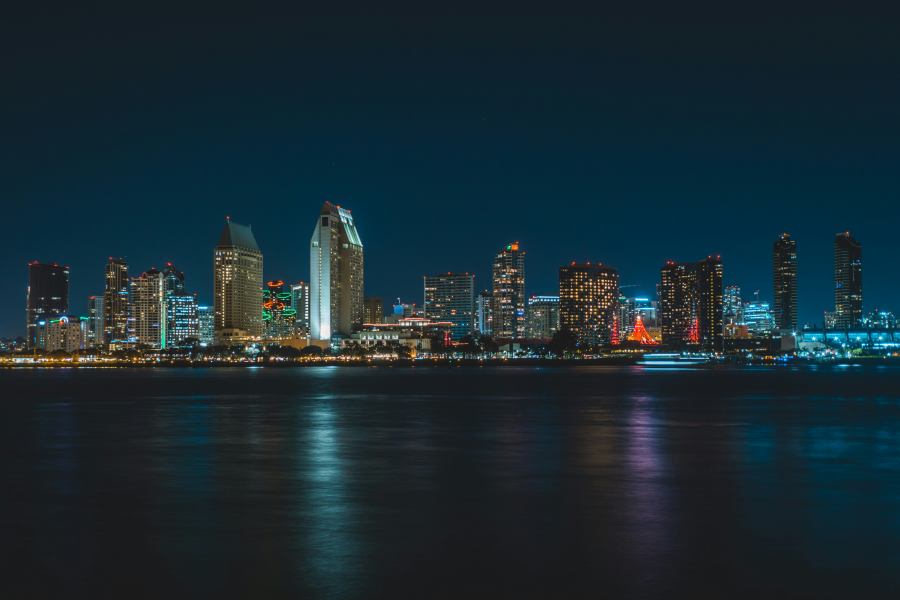
California’s southernmost major city lies near the Mexican border, where pleasant, sunny weather prevails year-round. It offers visitors a unique blend of Spanish colonial history and coastal lifestyle.
Besides Balboa Park’s museums and botanical gardens, the city is also home to the world-famous San Diego Zoo, which boasts one of the most diverse animal collections in the world. The rocky coves of La Jolla are home to seals and sea lions.
The nightlife district of the Gaslamp Quarter welcomes visitors with restaurants and bars, while Coronado Island’s Victorian hotel and white sandy beach offer a quieter escape. Coastal bike paths trace nearly the entire shoreline of the city.
Santa Barbara
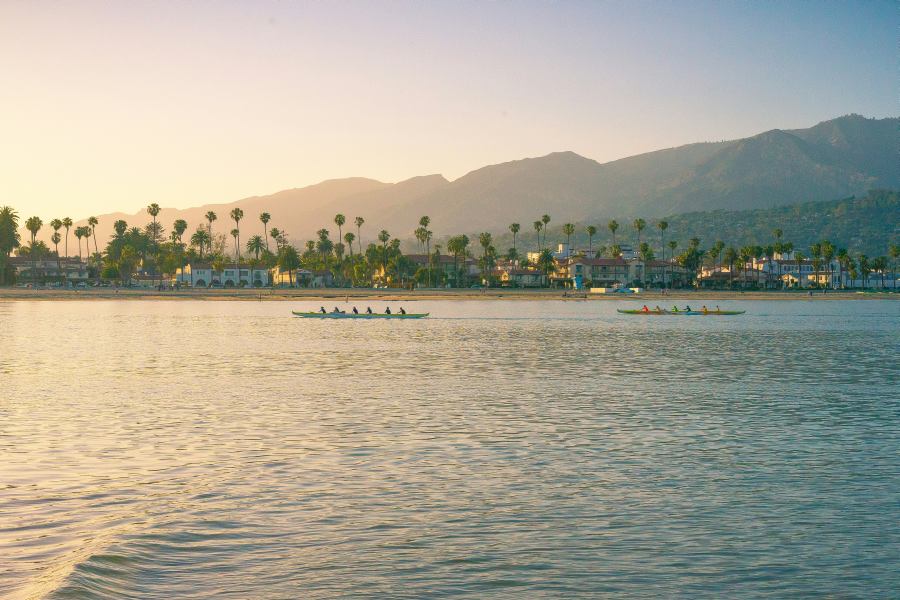
Often referred to as the „American Riviera”, this small town is famous for its Spanish colonial architecture and its picturesque location between the mountains and the ocean. Red tile roofs and white walls lend the city a unified Mediterranean atmosphere.
The Santa Barbara Mission is one of the finest examples of California’s Spanish missions, while State Street’s pedestrian promenade welcomes visitors with restaurants and galleries. Fishing boats and sailboats line up side by side in the harbor.
The vineyards and olive groves surrounding the city reflect the region’s Mediterranean climate. Boats departing for the nearby Channel Islands and coastal walkways offer a pleasant escape far from the bustling major cities.
Sacramento
California’s capital is a captivating meeting point of history, culture, and modern lifestyle. The city’s rich heritage dates back to the 1849 Gold Rush: the cobblestone streets and wood-framed buildings of Old Sacramento, along with the famous California State Railroad Museum, evoke this era.
The park surrounding the impressive California State Capitol building is ideal for a stroll, while the Crocker Art Museum awaits art lovers. Sacramento rightfully holds America’s „Farm-to-Fork” capital title, offering unparalleled culinary experiences thanks to the fresh produce of the surrounding fertile valleys.
On the vibrant streets of the Midtown district, unique boutiques, craft breweries, murals, and cozy cafés follow one another, making it a must-visit destination for younger generations and fans of contemporary culture alike.

Monterey
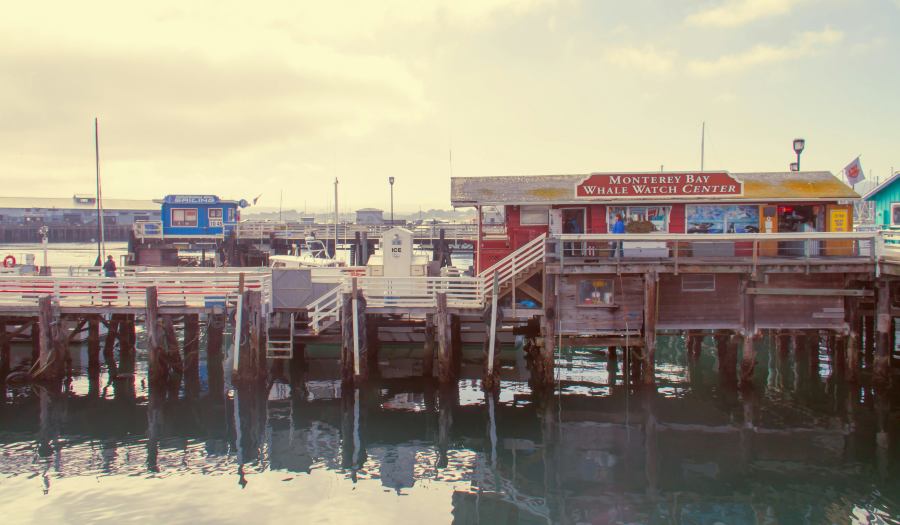
This small town on the shores of Monterey Bay is where California’s fishing heritage meets its rich marine life. The former canneries of the famous Cannery Row are now home to restaurants and shops.
The Monterey Bay Aquarium is renowned as one of the best aquariums in the world, home to otters, jellyfish, and sharks living in lifelike environments. The scenic 17-Mile Drive passes by the golf courses of Pebble Beach and the iconic Lone Cypress tree.
Wild seals and otters often appear along the coastal rocks, and depending on the season, whale-watching boat tours are also available. The adobe buildings of the old town center preserve the memory of the Spanish and Mexican eras.
Redwood National Park
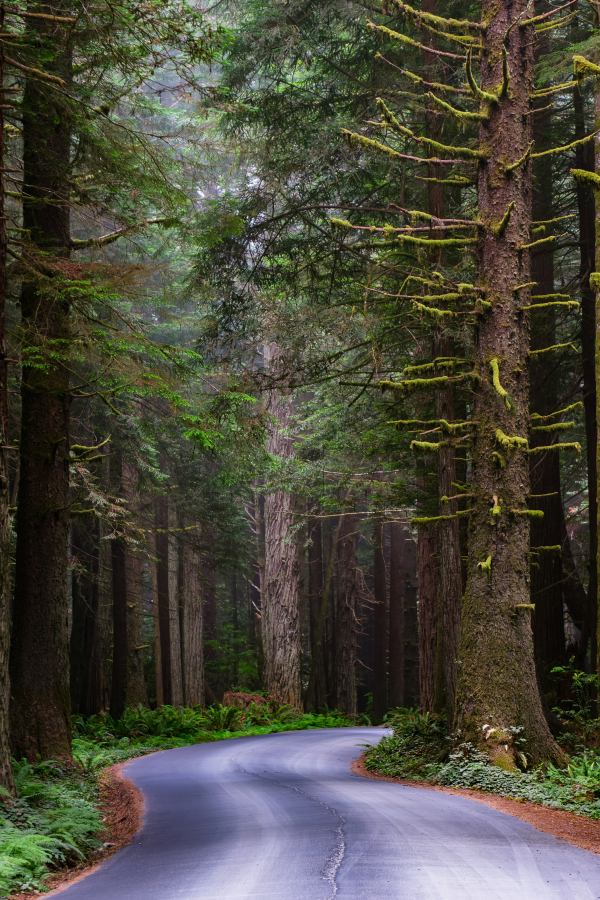
This park along California’s northern coast protects the tallest living trees on Earth, the coastal redwoods, which can grow up to 115 meters tall. The misty, quiet forest exudes an almost timeless atmosphere.
Walking the Tall Trees Grove trail, visitors can get close to the tallest known trees, while the Avenue of the Giants scenic drive passes beneath the trees’ canopy. The fern-covered forest floor bathes in a special green light.
Herds of Roosevelt elk graze along the coastal stretches, and the coastal rocks are home to seals. Because of the park’s quiet and humid climate, the best time to visit is from spring through fall, although fog can be present year-round.
Palm Springs
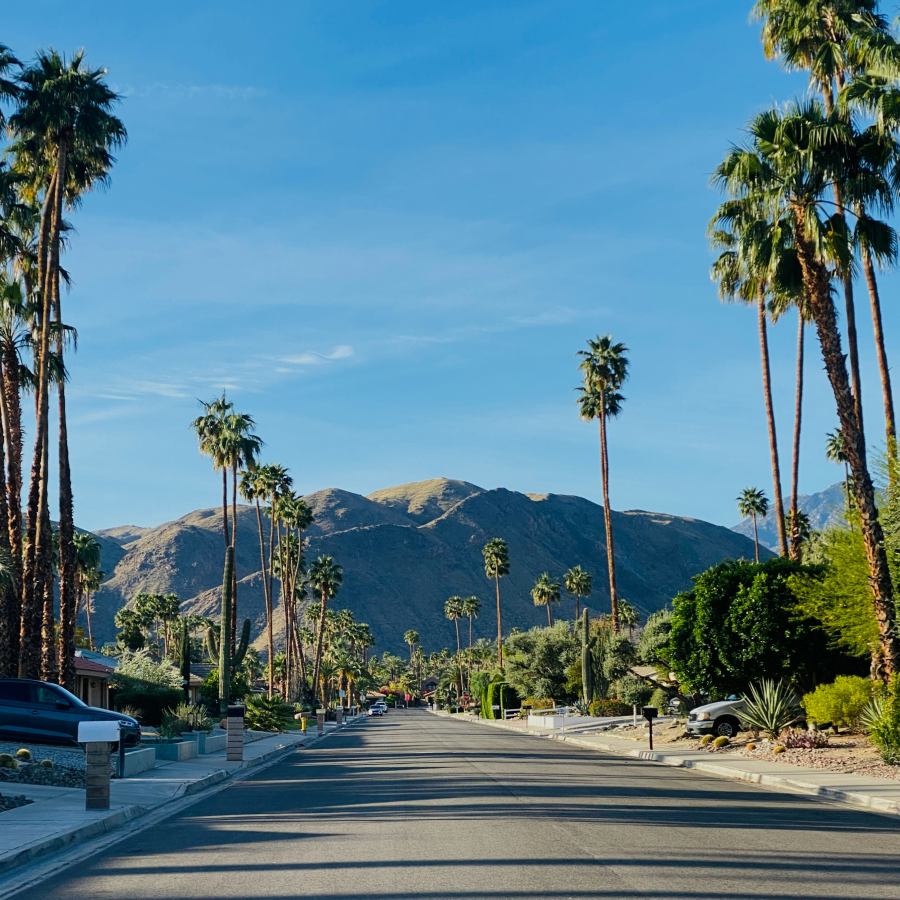
This resort town in the Coachella Valley lies at the foot of the San Jacinto Mountains, where the dry desert climate and mid-century modern architecture create a unique atmosphere. Hollywood stars made the town popular back in the mid-20th century.
The rotating cabins of the Palm Springs Aerial Tramway carry passengers from the desert heat to a snowy mountain landscape in just a few minutes. The palm-lined streets of downtown are lined with galleries, boutique hotels, and design shops.
Nearby Joshua Tree and the Coachella Valley Preserve offer hiking opportunities, while numerous wellness hotels built around hot springs in the city await those seeking relaxation. The town gained international fame thanks to the spring Coachella festival.
Channel Islands National Park
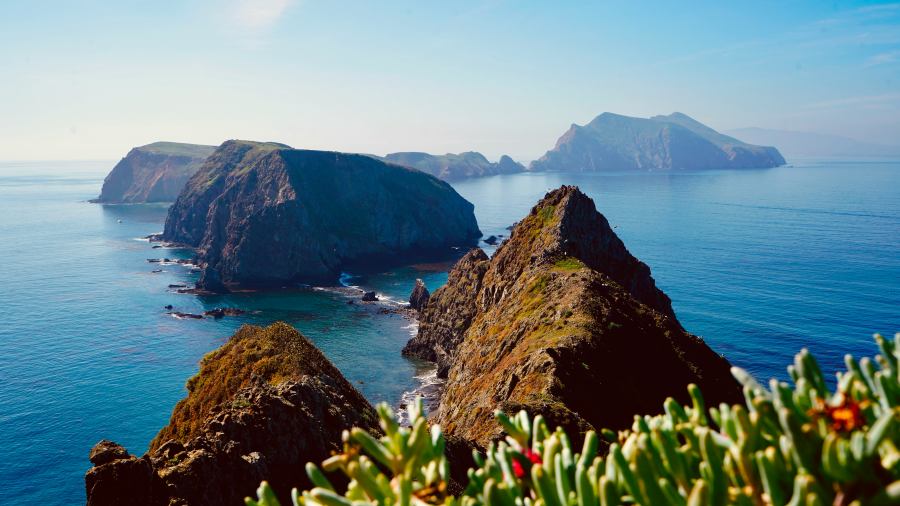
Located a few kilometers off the Southern California coast, this island chain is often called the „American Galápagos” as numerous plant and animal species exist nowhere else in the world. Low visitor numbers on the islands result in pristine wilderness.
The sea caves of Santa Cruz Island can be explored by kayak, while the rich kelp forests of the underwater world are a favorite destination for divers and snorkelers. An endemic island fox, found nowhere else, also lives on the islands.
Dolphins and whales frequently appear in the coastal waters, especially during the gray whale migration in spring. Since the islands can only be reached by boat or plane, a visit offers genuine seclusion and tranquility.
Mount Shasta
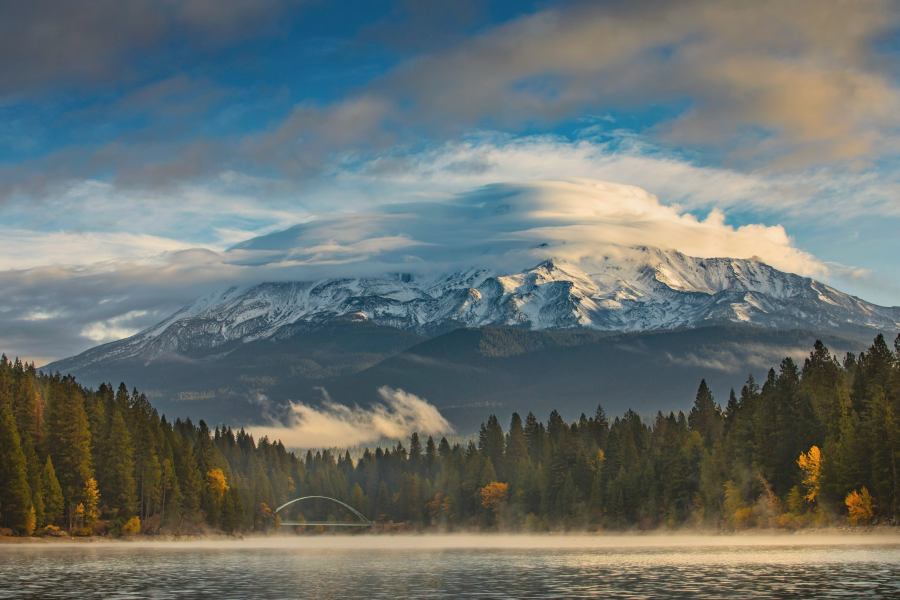
This dormant volcano rising in northern California is one of the most beautiful peaks of the Cascade Range, its snowfields visible from far away. Local legends have long endowed the mountain with mystical significance.
Climbing the summit requires serious mountaineering experience, but the forests and lakes at its base also offer opportunities for easier hikes. In winter, the mountain’s slopes are also suitable for skiing and snowboarding.
Nearby Lake Shasta, an artificial reservoir, attracts water sports enthusiasts, while the town of Mount Shasta City is known for its crystal shops and spiritual communities. The clean mountain air and volcanic landscape create a unique blend.
Carmel-by-the-Sea
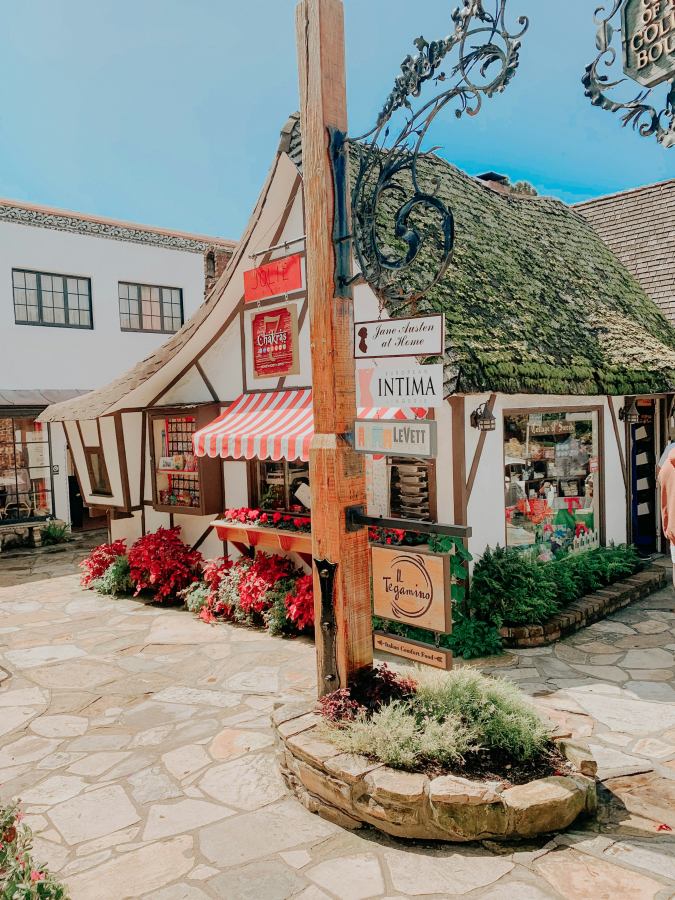
This tiny coastal town on the southern part of the Monterey Peninsula became famous for its fairy-tale-like houses and galleries. Thanks to strict building regulations, the town has retained a uniform, romantic appearance.
The sunsets over white-sand Carmel Beach are one of visitors’ favorite experiences, while the shops and restaurants of Ocean Avenue invite a pleasant stroll. Nearby Carmel Mission is an important stop in the history of California’s Spanish missions.
The cypress-lined rocky coast surrounding the town, Point Lobos State Natural Reserve, is one of the most spectacular natural areas on the California coast. The town has long been a favored refuge for artists and writers because of its calm, artistic atmosphere.
Malibu
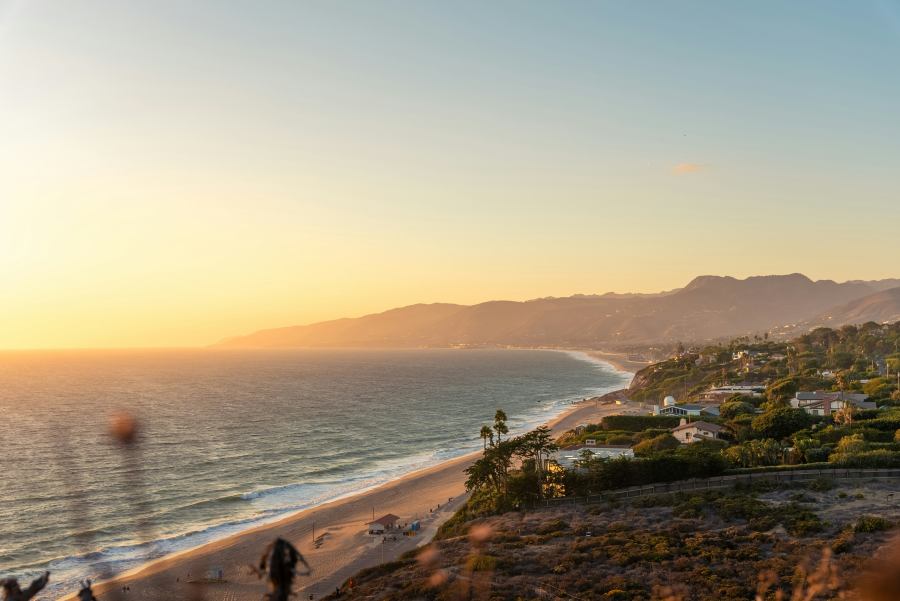
This coastal town north of Los Angeles is famous for its luxury villas and long sandy beaches, where Pacific Ocean waves attract thousands of surfers. The scenic Pacific Coast Highway runs along the coast through the town.
Zuma Beach and El Matador State Beach are among the area’s most popular beaches, with their rocky viewpoints and clear waters. The Getty Villa museum displays ancient Roman and Greek artworks in its garden overlooking the sea.
Hiking trails running along the hillsides lead into the Santa Monica Mountains, offering panoramic views of the ocean. Malibu is a favorite residence of Hollywood celebrities, further enhancing the town’s exclusive atmosphere.
Lassen Volcanic National Park
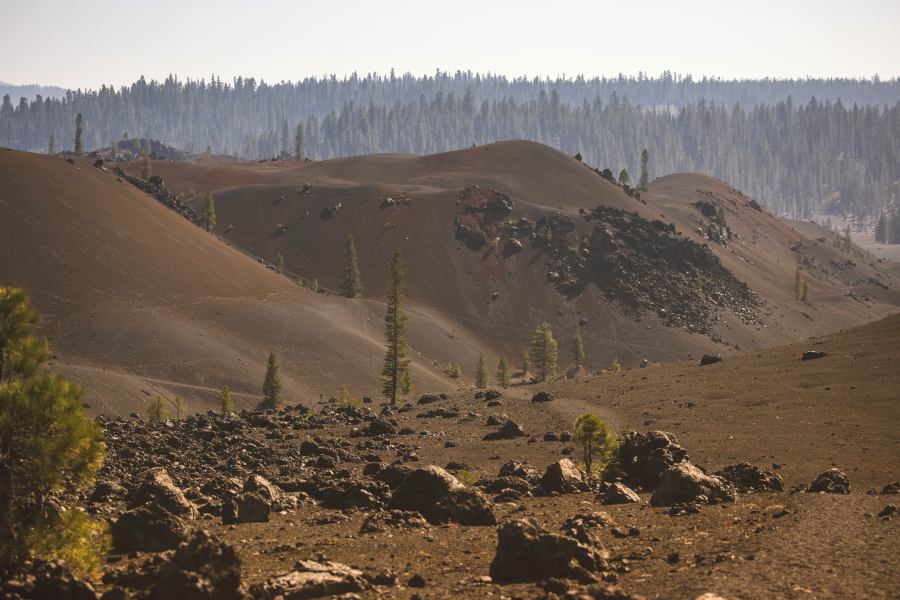
This park in northern California is one of the most diverse corners of the Cascade Range’s volcanic landscape, where geysers, hot mud pools, and lava fields dot the pine forests. Lassen Peak is one of the largest lava dome volcanoes in the world.
In the Bumpass Hell area, steaming hot springs and sulfurous pools provide a spectacle of geothermal activity, safely accessible via a boardwalk. The park’s lakes, such as Manzanita Lake, mirror the peak in their perfectly still waters.
Due to relatively few visitors, the park offers a peaceful, secluded experience, unlike most of California’s national parks. Wildflower meadows characterize the higher elevations in summer, while thick snow cover blankets them in winter.
Catalina Island
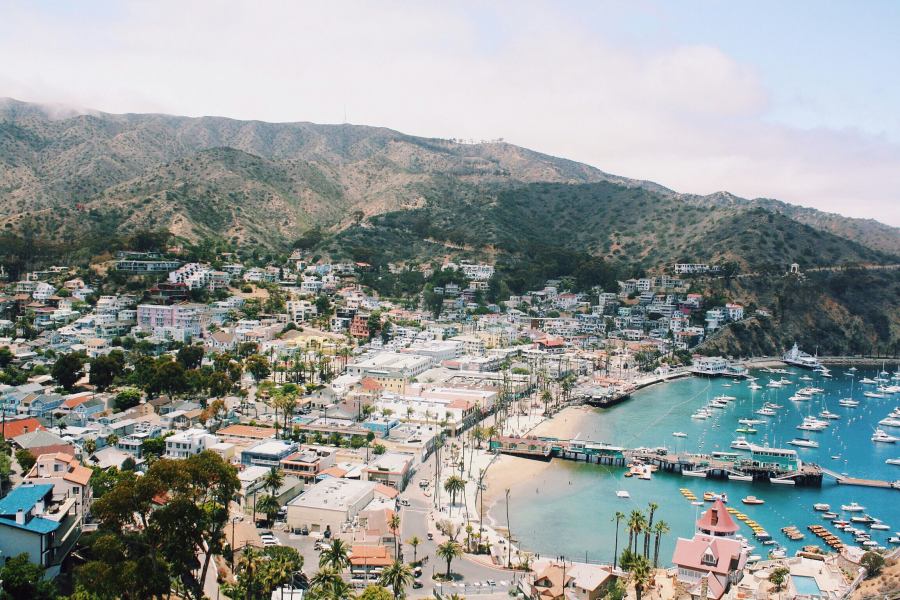
Located about 35 kilometers from Los Angeles, this island is accessible by ferry and small boats, offering a relaxed resort atmosphere distinct from the mainland. The golf-cart-filled streets of the town of Avalon are reminiscent of Mediterranean small towns.
The island’s water is crystal clear, providing excellent snorkeling and diving opportunities, especially in the Casino Point Marine Park area. A wild herd of bison also lives in the island’s mountainous interior, brought there in the early 20th century for a film shoot.
The Avalon Casino building is an Art Deco structure that houses not gambling halls but a ballroom and a movie theater. The island’s hiking trails offer panoramic views of both the mainland and the Pacific Ocean.