
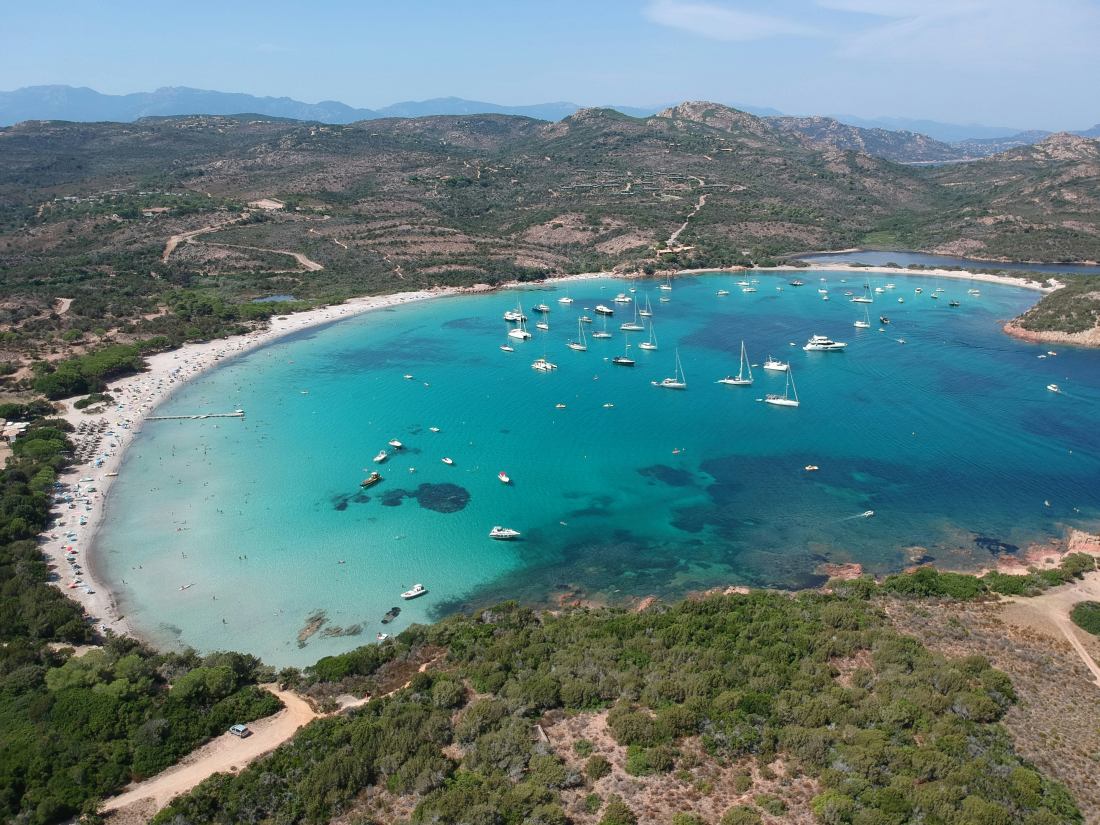
Corsica is one of France’s 18 regions and is rightfully called the island of beauty. The natural world of Corsica was already praised by the ancient Greeks with the epithet „most beautiful” and this assessment remains valid to this day.
The island, also known as Napoleon Bonaparte’s birthplace, is a unique blend of French elegance and Mediterranean charm. Corsica is located on the Ligurian Sea, north of Sardinia and not far from the Italian coast, covering approximately 8,700 square kilometers. The island is predominantly mountainous, with flat areas mainly along the eastern coastline where the most visited beaches are also located.
Table of Contents
Most beautiful settlements in Corsica
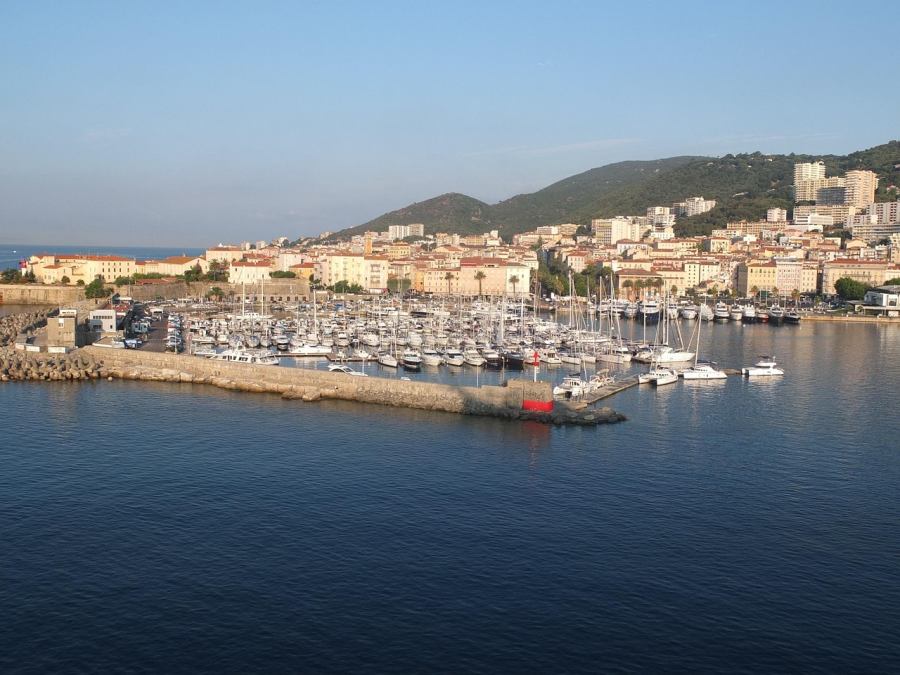
Ajaccio
The island’s capital is not only Corsica’s political center but also Napoleon Bonaparte’s birthplace.
Napoleon’s birth house, Maison Bonaparte, now operates as a museum where visitors can learn about the famous general’s childhood and life. The museum displays the Bonaparte family’s life in the 18th century with original furniture and personal belongings. Visitors can walk through the rooms where Napoleon spent his childhood and learn about family traditions.
The Fesch Museum houses one of France’s largest Italian Renaissance collections. The museum preserves the collection of Cardinal Joseph Fesch, Napoleon’s uncle, containing more than 16,000 works of art. Outstanding pieces in the collection include works by Botticelli, Titian, and Veronese.
Bonifacio
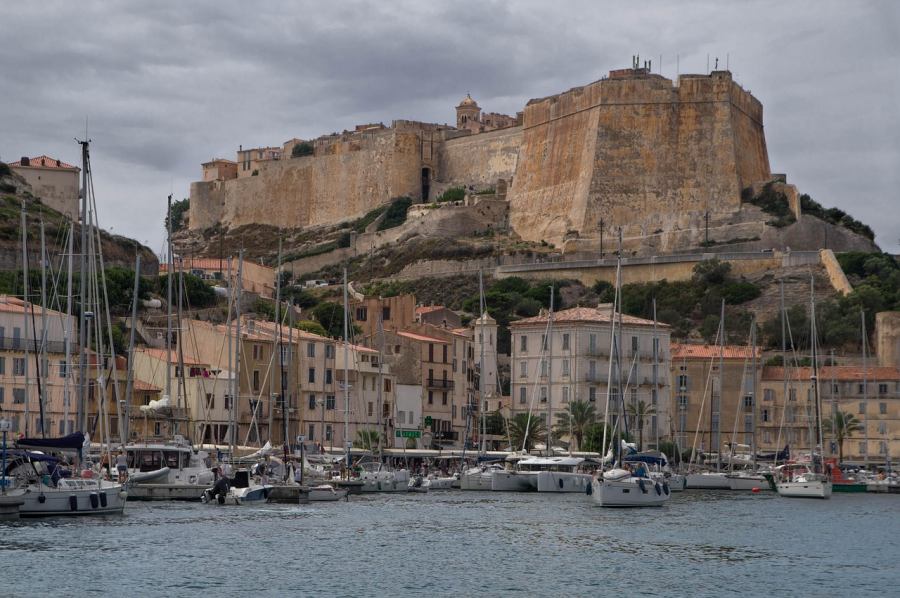
Located at Corsica’s southern tip, Bonifacio is one of the most spectacular cities on the island. It lies only 12 km from Sardinia, giving it unique strategic importance throughout history.
The medieval fortress built on cliffs offers a breathtaking sight. The old town houses built on top of 60-meter-high limestone cliffs stand virtually on the edge of the precipice, providing a special panorama of the sea and toward Sardinia. The narrow streets and medieval buildings of the upper town called Haute Ville have remained in their original form.
The marina and harbor in the lower part of the city provide home to both modern yachts and fishing boats. Sea excursions depart from here to the famous Lavezzi Islands, where you can swim and dive in crystal-clear waters. Bonifacio’s citadel and church are excellent examples of Genoese architecture, reflecting the city’s rich history.
Calvi
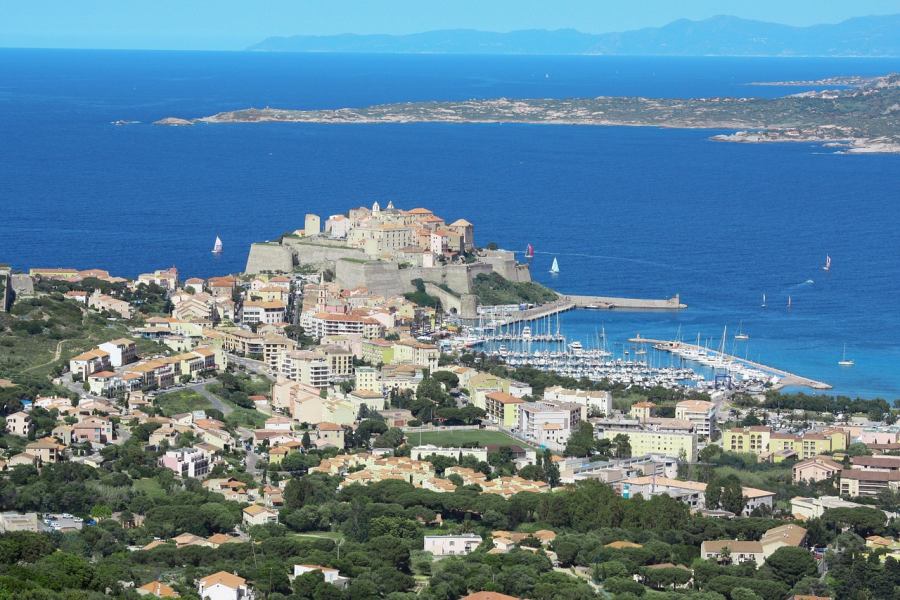
The historic city on Corsica’s northwestern coast is famous for its impressive citadel and beautiful seashore. The city is located on the Revellata Peninsula, which provided natural protection against attacks.
Its main attraction is the Calvi citadel, a Genoese fortification built in the 13th century, rising 80 meters above the sea. The narrow streets, old church, and museum of the old town within the fortress walls hide a rich historical past. The citadel walls offer a breathtaking panorama of the sea and surrounding mountains.
Calvi is also famous for allegedly being the birthplace of Christopher Columbus, although this is disputed by historians. The modern marina in the lower part of the city accommodates luxury yachts, while the long sandy beach is an ideal place for bathing and water sports.
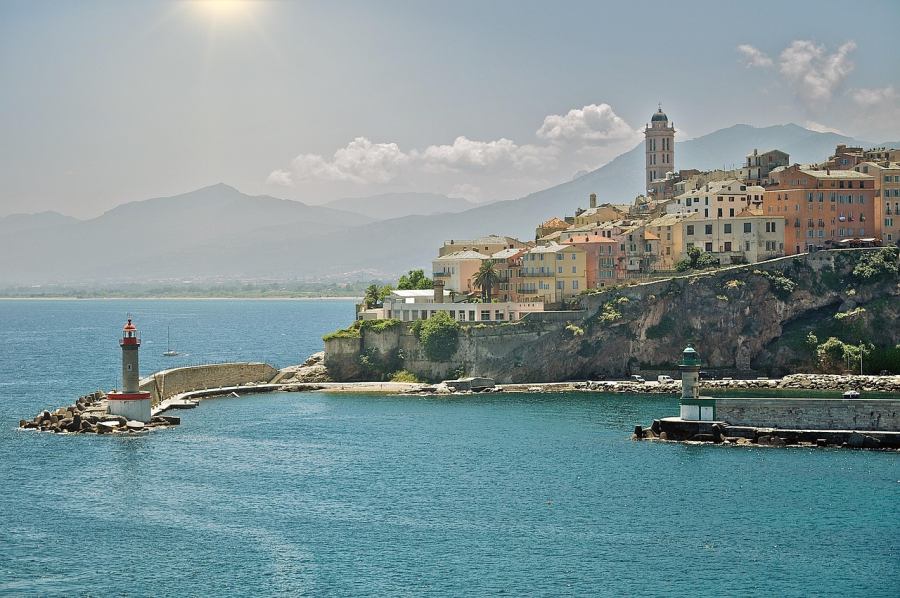
Bastia
The capital of Corsica’s northern part and the island’s second-largest city is an important economic and cultural center.
The city was founded by the Genoese in the 14th century, and its name derives from the word „bastiglia” (fortress). The city is divided into two main parts: Terra Vecchia (Old Town) and Terra Nova (New Town), as well as the modern harbor district.
Terra Vecchia is the remnant of the medieval Genoese colony, where the Sainte-Marie church and Saint-Jean-Baptiste church are located. The latter is Corsica’s largest church, built in baroque style in the 17th century. The narrow streets, tall houses, and small squares of the old town radiate authentic Mediterranean atmosphere.
Terra Nova boasts the citadel and the governor’s palace, also built by the Genoese. The citadel offers beautiful views of the Tyrrhenian Sea and toward the Tuscan Archipelago. Modern Bastia is an important port city from which ferries depart to France, Italy, and Elba Island.
Propriano
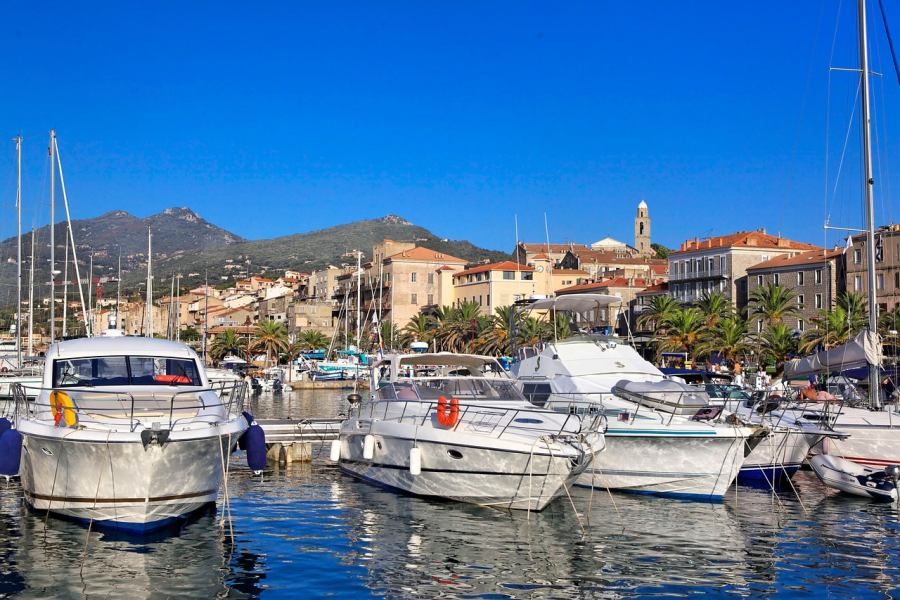
The popular resort town on Corsica’s southwestern coast is located on the shores of Valinco Bay.
The town was originally a small fishing village but is now one of Corsica’s most developed tourist centers. Its modern harbor in the center accommodates several hundred yachts and fishing boats. The town’s beaches, especially Plage de Propriano, attract bathers with fine sand and crystal-clear water.
The area around Propriano is rich in archaeological sites, including the nearby prehistoric site of Filitosa. Excursions depart from the town to the Sartenais region and the Cap Corse Peninsula. The local market opens its doors every Saturday, where Corsican specialties, local wines, and handicraft products can be purchased.
Corte
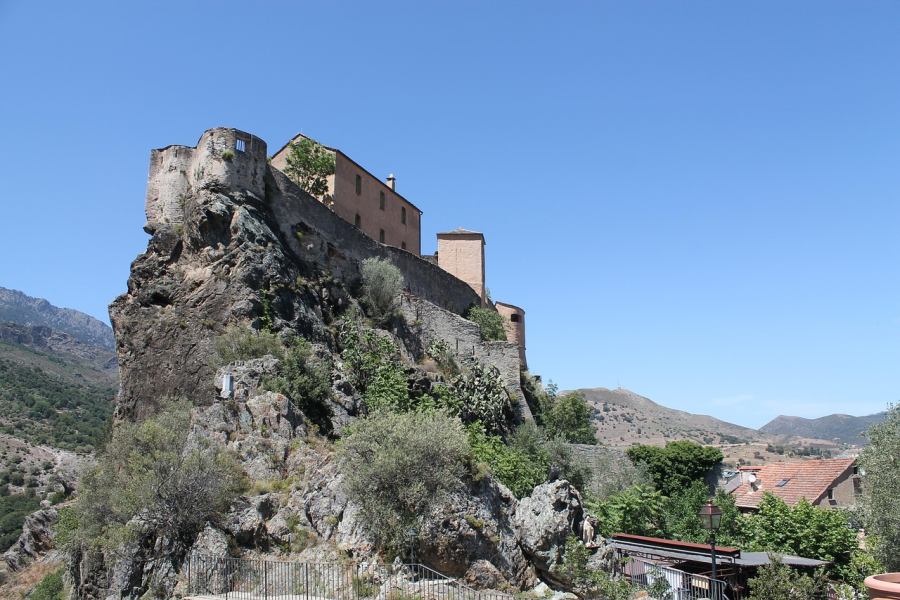
The historic city located in the heart of Corsica, among the mountains, was the island’s former capital. Between 1755 and 1769, under Pasquale Paoli’s rule, this was the center of independent Corsica. The city’s strategic importance was given by its geographical location: it lies in the middle of the central highland, at the junction of three valleys.
The citadel towering above the city was built in the 15th century and now houses the Corsican Museum. The museum presents the island’s history from prehistoric times to the present day, paying special attention to the Corsican independence movement and local culture. The citadel offers stunning views of the surrounding mountain peaks and valleys.
Corte is Corsica’s university town, where the predecessor of the University of Corsica was founded in 1765. The modern university reopened its doors in 1981, and today several thousand students study here. The students’ presence lends a youthful atmosphere to the city, especially in the cafes and bars on the main street. The city is an important stop on the GR20 hiking trail, and hikes to surrounding peaks over 2,000 meters depart from here.
Sartène
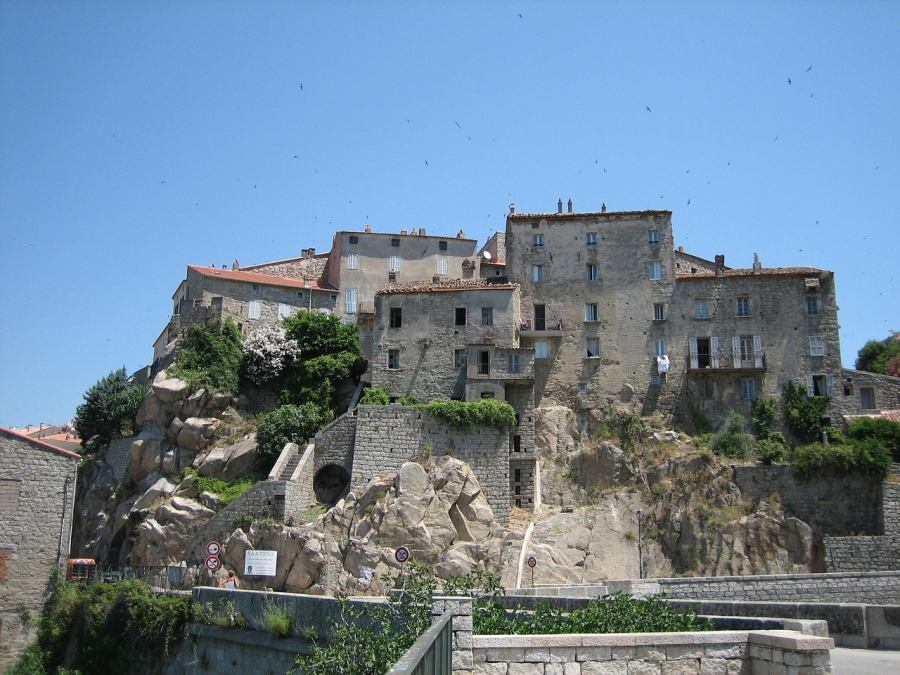
The mountain town in Corsica’s southwestern part was called „the most Corsican town” by Prosper Mérimée. The town was built in Genoese style in the 16th century, and its narrow streets, granite houses, and medieval atmosphere provide a time-travel-like experience. Sartène is one of the most ancient centers of Corsican culture and traditions.
In the heart of the town is Place Porta square with the Saint Mary church, built in the 12th century. The church’s specialty is the heavy, chained cross that is carried through the town every year during the Easter procession. This ceremony called Catenacciu is one of Corsica’s most significant religious events, with roots reaching back to the Middle Ages.
The area around Sartène is rich in prehistoric monuments, including menhirs and dolmens on the surrounding hills. The town’s museum preserves a valuable collection of local ethnography and archaeology. The Sartenais region is also famous for its vineyards, where excellent quality red wines are produced.
Nonza
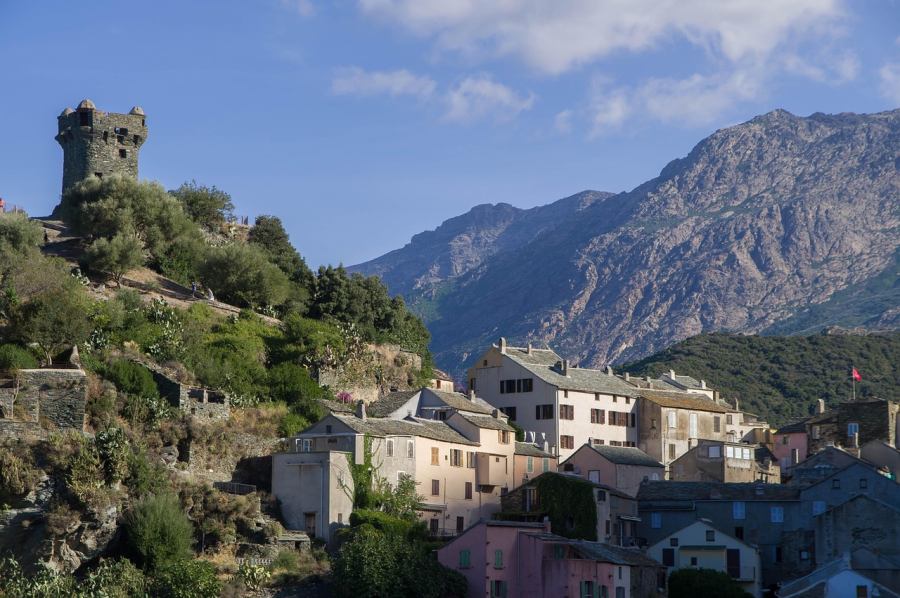
The tiny village in northern Corsica, on the Cap Corse Peninsula, is one of the island’s most photographed settlements. The village was built on a 100-meter-high rocky peak, offering stunning panoramas of the Ligurian Sea.
In the center stands the 16th-century Sainte-Julie church, dedicated to the local patron saint, Saint Julia. According to legend, Saint Julia was a slave who suffered martyrdom for her Christian faith. Around the church, winding streets lead to the old Genoese tower, which now stands only in ruins but still provides an imposing sight.
Nonza’s most special attraction is its black pebble beach, located on the rocky shore below the village. This unusually colored shore was formed from the weathering of local rock and provides a unique sight in the Mediterranean. The winding road leading to the village is an experience in itself, as nearly 2,000 turns make the 90 km section exciting during the Cap Corse circuit.
Most beautiful natural attractions in Corsica
GR20 Hiking Trail
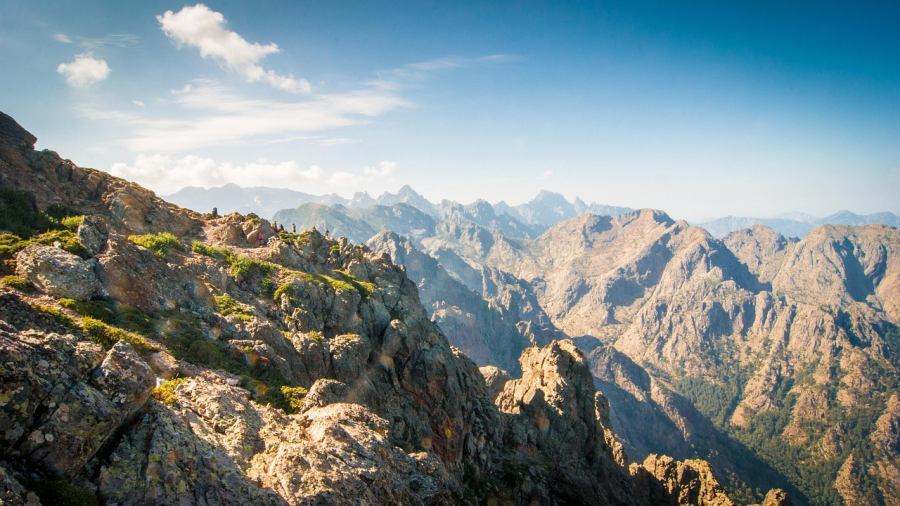
One of Europe’s most difficult and beautiful long-distance hiking trails, crossing Corsica from northeast to southwest. The 180-kilometer-long route can be completed in 15-16 days and leads across the island’s highest peaks. The trail has existed since 1972 and has since become one of the world’s most challenging hiking trails.
The route is divided into two main sections: the northern part (between Calenzana and Vizzavona) is considered more difficult, with steep rocky sections and difficult terrain. The southern part (between Vizzavona and Conca) is somewhat easier but still requires serious physical preparation. During the hike, a 2,700-meter altitude difference must be overcome, and the highest point is the 2,225-meter Breche de Capitello.
Along the route, there are 16 refuges (mountain huts). During the GR20 crossing, hikers can discover Corsica’s wildest landscapes: granite rocks, mountain lakes, ancient forests, and alpine meadows. The hike offers wonderful views of the Mediterranean Sea and the island’s most beautiful landscapes.
Scandola Nature Reserve
The UNESCO World Heritage site on Corsica’s western coast has been a protected area since 1975. This is France’s first combined marine and terrestrial protected area, covering 1,669 hectares of marine and 919 hectares of terrestrial territory.
Scandola can only be approached by sea, with boats departing from the ports of Porto, Ajaccio, or Calvi. The nature reserve is home to numerous rare plant and animal species, including cormorants, peregrine falcons, and Mediterranean seals. Underwater, rich coral reefs and a multitude of marine life can be found.
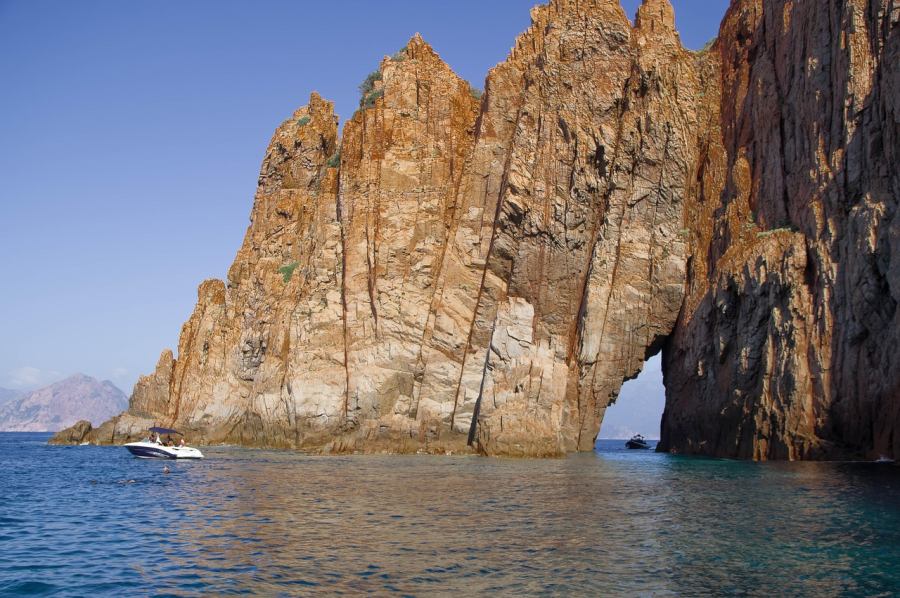
Natural caves and underground passages have formed among the rocks over millions of years. The most famous include the „Trou dans la Roche” (Hole in the Rock), a natural stone gate through which boats can pass. The area’s geological specialty is that the contrast between red volcanic rock and turquoise blue sea creates a unique color combination.
Porto Bay
One of the most spectacular parts of Corsica’s western coast, also part of the UNESCO World Heritage.
The small village of Porto in the center of the bay is a popular starting point for discovering the surrounding natural attractions. The village is small but offers all necessary services: hotels, restaurants, and hiking equipment rental.
The red granite tower on the shore dates from the 16th century and was part of Genoa’s defense system. Around the tower runs a rocky shore where crystal-clear natural pools have formed. These are ideal places for bathing and snorkeling.
The Porto Bay area is the starting point for numerous hiking trails. From here, the Capo Rosso viewpoint can be reached on foot, offering breathtaking panoramas of the Scandola Nature Reserve and surrounding rocks. Boats depart from the bay’s natural harbor toward Scandola and in the direction of Calanques de Piana.
Spelunca Valley
The valley is one of Corsica’s most romantic landscapes, stretching between Porto and Evisa. Its name derives from the Corsican word „spilonca” meaning cave, referring to the area’s numerous natural caves. The valley was carved by the Porto River over millennia into the granite rocks, creating special formations.
Its most famous attractions are the „Pont de Zaglia” and „Pont de Pianella” Genoese bridges, built in the 18th century. These stone bridges are still in use today and are excellent examples of traditional Corsican architecture.
The valley is part of the „Mare e Monti” (Sea and Mountains) hiking trail, connecting the seashore with the inland mountains. The village of Evisa in the valley is famous for its chestnut forests and traditional Corsican architecture.
Piana Red Rocks (Calanques de Piana)
Near Piana, considered one of France’s most beautiful settlements, are the famous red granite rocks: monumental formations shaped by wind, sun, and rain over millennia offer breathtaking sights. The Calanques de Piana is Corsica’s most photogenic location, part of the UNESCO World Heritage.
The red porphyry rocks take fantastic shapes: they evoke the outlines of animals, faces, and buildings. The most famous include the „Tête de Chien” (Dog’s Head), the „Château Fort” (Fortress), and the „Évêque” (Bishop). These rock formations offer particularly magical sights at sunrise and sunset, when light play brings out every shade of granite.
Hiking on narrow mountain paths among the rocks, we can reach Ficagjola, where we can rest on a small golden sandy beach and bathe in the sea. Along the Calanques route, there are several viewpoints from which views open toward Porto Bay and Scandola. The area is also botanically valuable: numerous rare Mediterranean plant species are found here, adapted to the extreme rocky environment.
Filitosa Prehistoric Site
Corsica’s most important prehistoric archaeological site, testifying to 8,000 years of human presence. The site is located near Propriano Bay and belongs to Europe’s most significant megalithic monuments. The first discoveries were made in 1946, and continuous archaeological research has been conducted here since then.
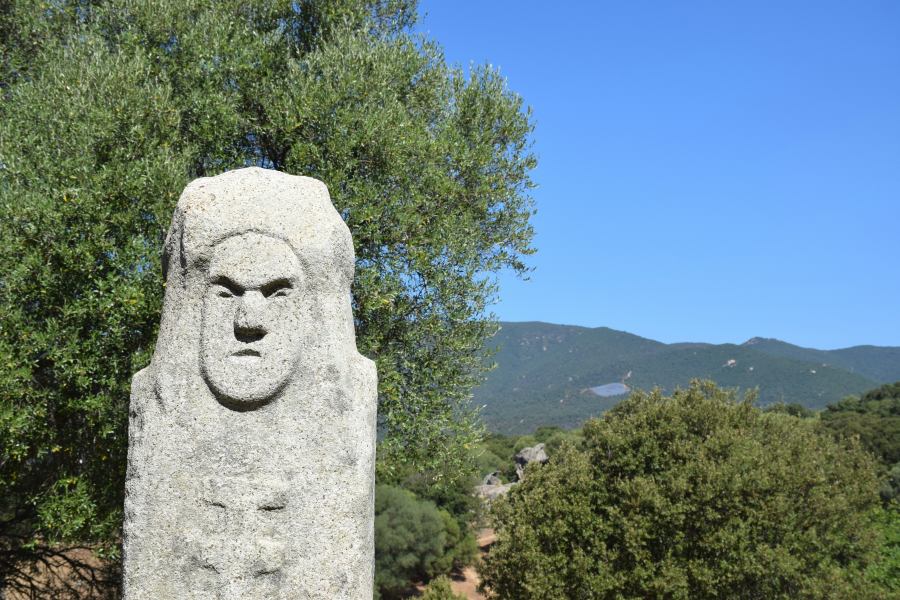
The site’s most special pieces are the „statue-menhir” stone sculptures, created between 3300 and 1200 BC. These granite statues depict human figures with weapons and faces, outstanding creations of Bronze Age Corsican culture. More than 70 statue remains have been found on the site, including complete figures and fragments.
The Filitosa museum presents a rich collection from prehistoric Corsican life: pottery fragments, weapons, jewelry, and everyday objects. Walking in the site’s park, visitors can view the menhirs and ancient settlement remains.
Most beautiful beaches in Corsica
Palombaggia Beach
One of the most beautiful beaches on Corsica’s southeastern coast, located near Porto-Vecchio.
The beach’s 1.5-kilometer-long fine white sand and turquoise blue water are often compared to Caribbean beaches. It gets its name from the surrounding forest where wild pigeons (palombes) nest. The water is shallow and crystal clear, making it ideal for families with children.
The Palombaggia area offers numerous water sports opportunities: jet skiing, windsurfing, diving, and sailing. Several bars and restaurants along the beach serve fresh seafood and Corsican specialties. During the summer season, due to the beach’s popularity, it’s advisable to arrive early to secure the best spots.
Santa Giulia Beach
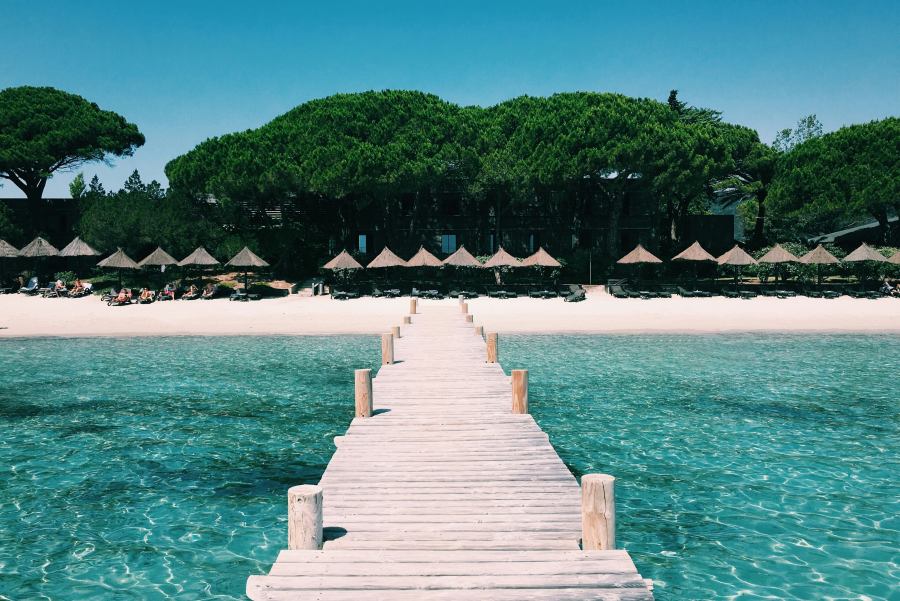
This is a natural lagoon next to Porto-Vecchio, one of Corsica’s most beautiful and safest beaches. The beach is located in a semicircular bay protected from the open sea by small islands.
The lagoon’s water has a particularly turquoise blue color, resulting from the shallow water depth and white sandy bottom. The water temperature can reach 25-26 degrees Celsius in summer, providing pleasant bathing. The shallow, warm water and soft white sand create an ideal environment for families and children.
Santa Giulia is home to several water sports centers: sailing school, kayak rental, and stand-up paddle opportunities are available. Elegant restaurants and clubs are found along the beach. The nearby Club Med resort has also given the area international recognition.
Saleccia Beach
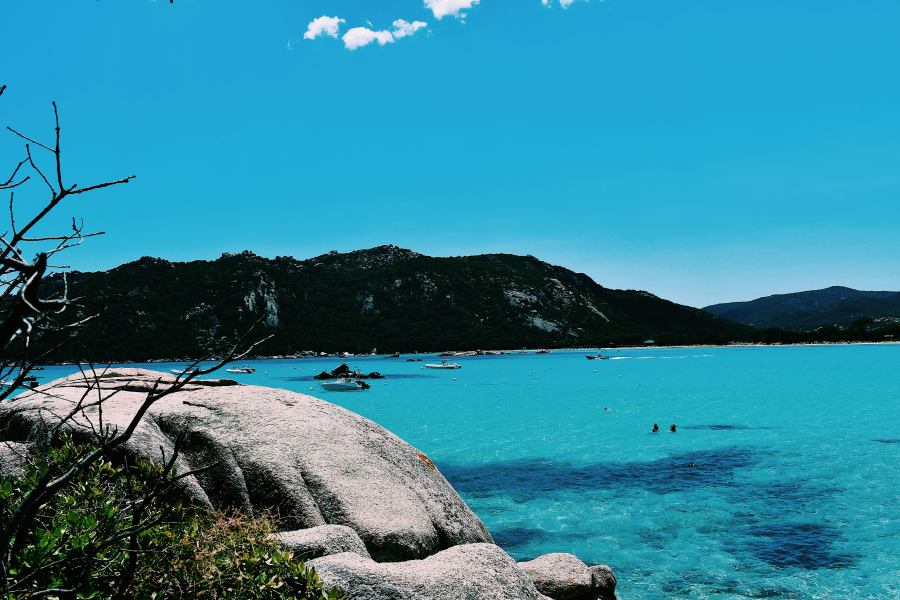
One of the most hidden and wildest beaches on Corsica’s northern coast, accessible only on foot or by boat from the Agriates Desert (Desert des Agriates) area. The 1,200-meter-long beach is characterized by fine sand and crystal-clear water, surrounded by maquis vegetation.
The desert is one of Corsica’s most peculiar landscapes: not a real desert, but a semi-desert, dry area covered by garrigue and maquis vegetation. Reaching Saleccia requires a 12-kilometer hike on paths from Saint-Florent, or it can be approached by boat during the season.
The beach offers a completely untouched environment, with no commercial facilities, restaurants, or equipment rental. This makes it truly special for those who want to surround themselves with pristine nature. The water here is also shallow and warm, ideal for swimming and snorkeling. Saleccia has often been used for film shoots due to its wildness and natural beauty.
Rondinara Beach
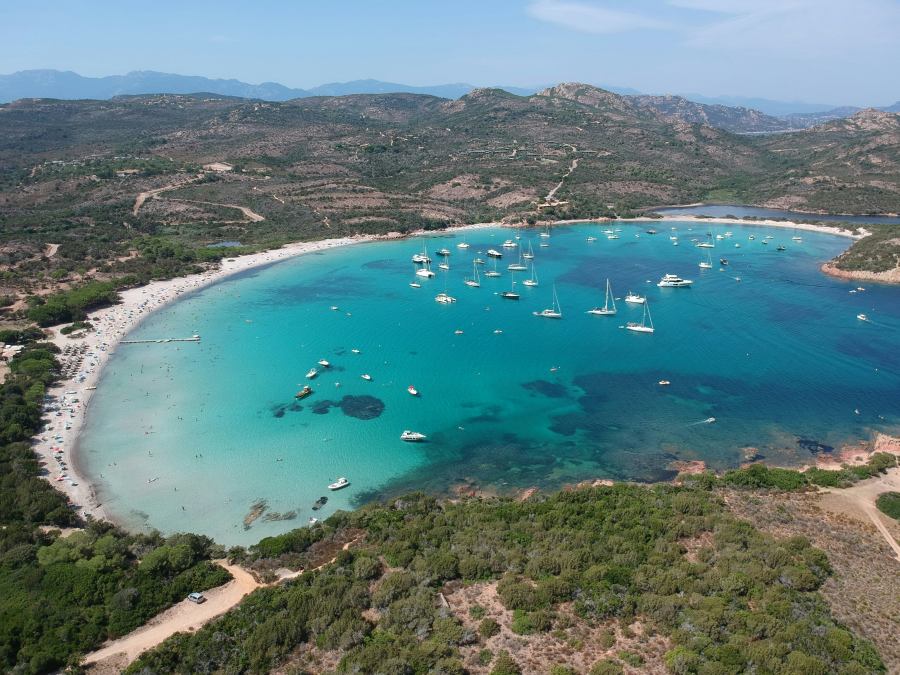
A perfectly semicircular bay on the island’s southeastern coast, one of the most picturesque beaches on the island.
Located between Bonifacio and Porto-Vecchio, in a naturally protected bay surrounded by high cliffs. The beach is covered with fine white sand. The water here is particularly clear and warm, as the protected bay shape shields it from large waves and currents.
The Rondinara area is also an excellent location for hiking: paths leading to the surrounding cliffs provide fantastic views of the bay and distant Sardinia Island. It’s often called Corsica’s most romantic beach, especially at sunset, when the sun reflecting on the sea creates a magical atmosphere.
Ostriconi Beach
Another gem of the Desert des Agriates area, which, alongside Saleccia Beach, belongs to the island’s wildest and most untouched beaches. Located at the mouth of the Ostriconi River, this long, wide sandy shore provides home to a special ecosystem.
The beach’s specialty is that here the desert-like Agriates landscape meets lush Mediterranean vegetation. The Ostriconi River creates freshwater lagoons along the seashore, which are important in bird migration routes. Rare plant species are found in the area behind the beach, including sea lily and various orchid species.
Ostriconi is also accessible by car, unlike Saleccia Beach, making it more popular among families. Nevertheless, it has maintained its wild character since there are no commercial facilities. The water here is also crystal clear but often has waves, making it suitable for surfing as well.
Corsica weather: when is the best time to travel?
Corsica has a Mediterranean climate, but due to its mountainous character, the weather varies in different parts of the island. Along the coast, typical Mediterranean climate prevails, while in the mountains, continental-type weather is experienced.
Spring (March-May):
During the spring months, Corsica gradually awakens from winter calm. March can still be cool, but by April pleasant temperatures can be expected (15-20°C). This season is ideal for hiking and sightseeing, as the crowds haven’t arrived yet. Nature blooms: almond tree blossoming in February, mimosa in March, then the maquis vegetation flourishes.
Summer (June-August):
The summer months are the hottest and driest period in Corsica. Temperatures can reach 30-35°C in coastal areas, while water temperature is around 22-25°C. This is the high season when most tourists visit the island. Mountain areas remain more pleasant even then, 5-10°C cooler.
Autumn (September-November):
The autumn months are particularly recommended for visiting the island. September is still warm (25-28°C), but the crowds have already left. October is still suitable for beach activities, while November can be rainy. Autumn is an excellent time for hiking and enjoying the chestnut season in the mountains.
Winter (December-February):
Winter months are mild in coastal areas (10-15°C), but there can even be snow in the mountains. This is the quietest season when many hotels and restaurants are closed. However, it’s an ideal time for those who want to experience peaceful, authentic Corsica.
Best time for travel to Corsica:
The most ideal period for visiting Corsica is between late May and early September. During this period, temperatures are optimal (22-28°C), seawater is pleasantly warm (20-25°C), and the probability of rain is minimal. June and September are particularly recommended when the July-August crowds can be avoided.
For beach activities, the June-September period is most suitable, when water temperature is above 20°C. For hiking and sightseeing, April-June and September-October months are ideal, when temperatures are pleasant but not too hot. For hiking the GR20 trail, the July-September period is recommended, when mountain refuges are open and snow has disappeared from higher regions.