
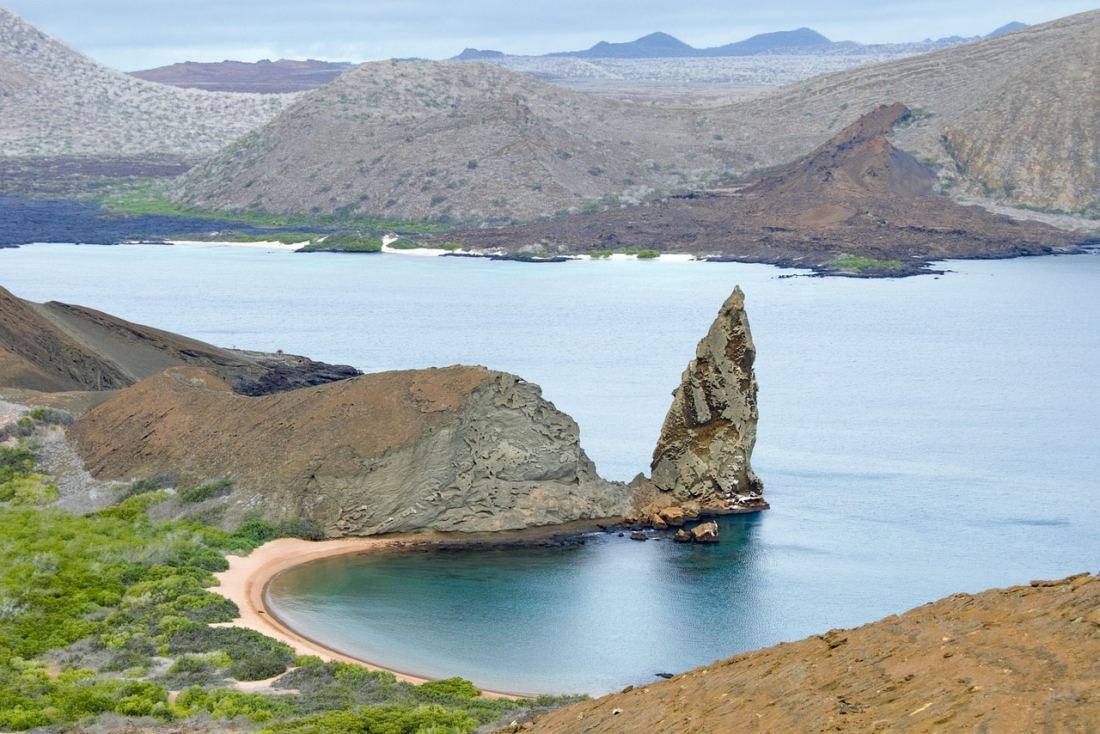
Many have heard of one of Ecuador’s autonomous regions, the Galápagos Islands, a true paradise in terms of wildlife. This archipelago hosts numerous unique animal species.
Table of Contents
Galápagos Islands overview
Located near the Equator in the Pacific Ocean, the Galápagos Islands consist of 14 larger islands, 6 smaller ones, and over a hundred rocks.
Formed by volcanic and tectonic forces, the islands have diverse ecosystems, and each island differs from the others.
Known as a living museum of evolution, the islands are home to endemic species found nowhere else.
Charles Darwin studied the islands’ wildlife for several weeks, and in his honor, a small island in the northwestern part of the archipelago is named after him.
Situated west of South America, the islands legally belong to Ecuador. The capital is Puerto Baquerizo Moreno on San Cristóbal Island. Galápagos is part of UNESCO’s World Heritage Sites.
It’s important to know that upon arrival at the airport, a fee of $100 is required for entering the national park, payable in cash.
The number of visitors is limited per island, and inter-island boat travel is also restricted to prevent overcrowding and excessive stress on the wildlife.
Only two airlines operate flights to the islands from Quito and Guayaquil. Unfortunately, prices are higher due to the monopoly. Travel by boat is possible but takes several days.
The best time to visit is between December and May, when there’s plenty of sunshine and the sea temperature is suitable for swimming. Besides the natural attractions, the most famous animal species include:
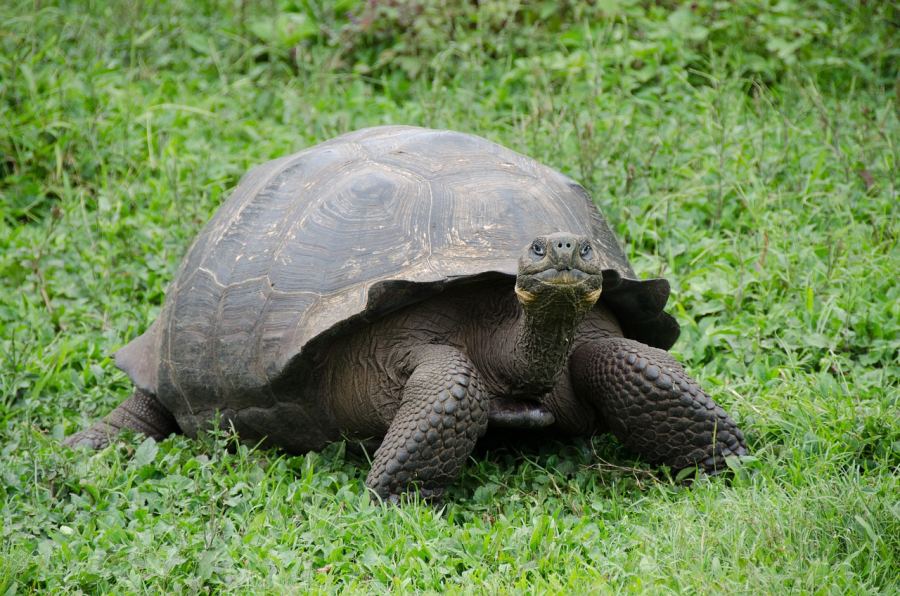
- Galápagos giant tortoises or elephant tortoises;
- Darwin’s finches;
- Galápagos fur seals;
- Blue-footed boobies;
- Iguanas.
Visiting is an exceptional experience as the animals are not very afraid of humans, allowing for close observation. Reports often mention, for example, iguanas casually wandering around people’s feet.
A few of the Islands
San Cristóbal
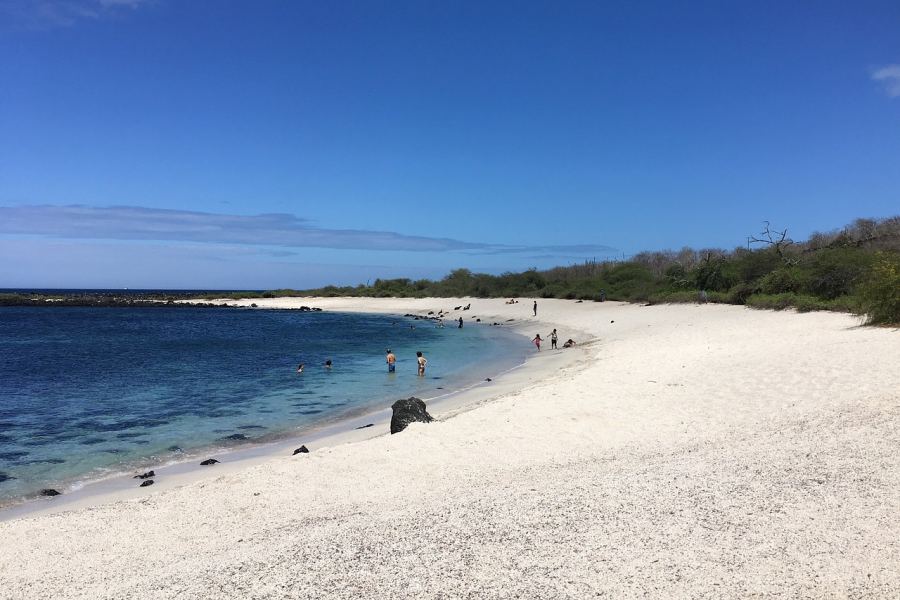
La Loberia beach, just south of the capital, is an accessible observation spot for giant tortoises and sea lions.
Another popular beach is Playa Punta Carola, near Puerto Baquerizo Moreno, the capital of the Galápagos province.
Santa Cruz
Puerto Ayora, a port city in the south, is the hub, and the Charles Darwin Research Station nearby showcases the archipelago’s wildlife. Sea iguanas and sea lions can also be seen on the city’s beaches.
Isabela
One of the most beautiful islands, formed by six volcanoes.
Its center, the quaint Puerto Villamil in the south, has a long, sandy beach frequented by iguanas. Near the town is the Arnaldo Tupiza giant tortoise sanctuary, housing hundreds of tortoises.
A short hike takes visitors to the Wall of Tears, a reminder that the islands served as a penal colony before 1960.
The nearby active Sierra Negra volcano offers hikes to its crater. Cerro Brujo’s white sandy beach is a haven for blue-footed boobies.
Rabida
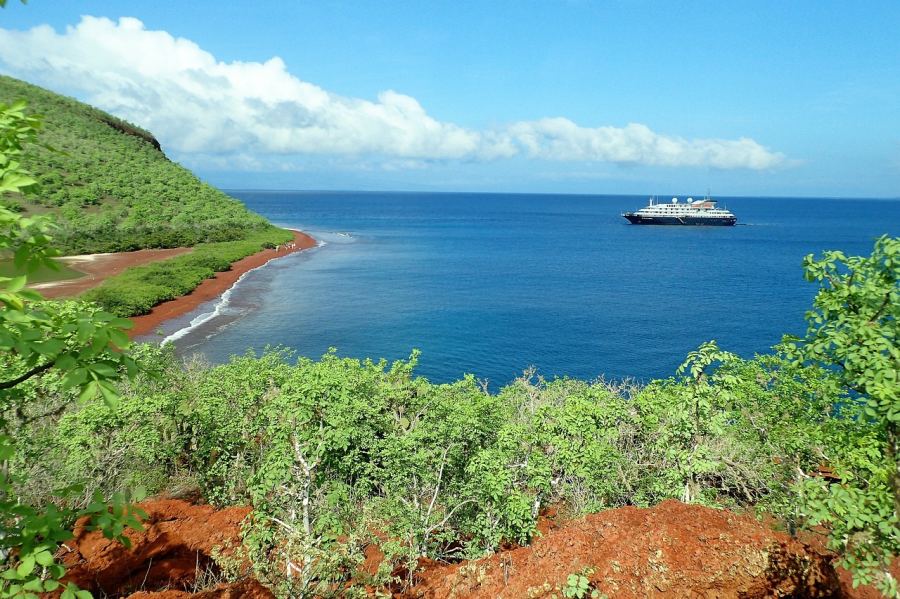
A small island south of Isla Santiago, famous for its red beaches, resulting from the oxidation of iron-rich lava and washed-out sea coral sediments.
Bartolomé
East of Santiago Island, it features the iconic Pinnacle Rock. The small island offers beautiful sandy beaches and a short walk to its highest point, offering stunning views.
Genovesa
Home to Darwin Bay and Arcturus crater lake, and also a spot to observe the red-footed booby.
Floreana
Known for green sea turtles and a popular spot for animal observation. Devil’s Crown is an excellent snorkeling site.

Wonderful World Heritage sites in South America
South America has numerous natural and cultural World Heritage sites.