Bulgaria is best known for Sunny Beach, but there are several other great attractions in the country worth visiting.
It is bordered by Romania to the north, Serbia and North Macedonia to the west, Greece and Turkey to the south, and the Black Sea to the east.
Table of Contents
Best places in Bulgaria
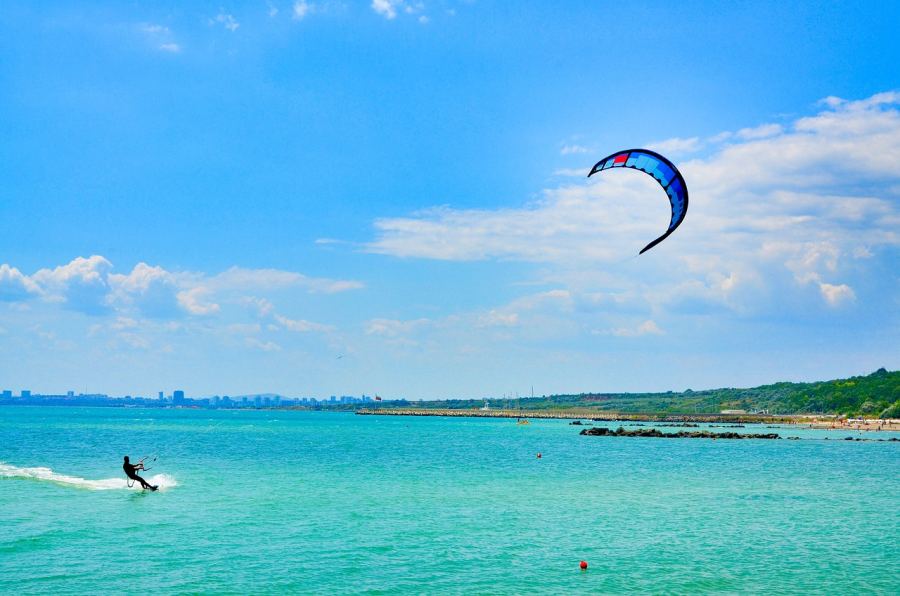
Sunny Beach
Bulgaria’s most famous place, attracting more and more tourists year after year.
The Sunny Beach area refers to the bay between Nessebar and Sveti Vlas. Along the approximately 8 km long, Blue Flag certified beach, there are countless restaurants, hotels, bars, discos, and nightclubs, often referred to as the new Ibiza.
Sozopol
Located not far from Burgas, this settlement, along with Nessebar, is one of the oldest cities in Bulgaria.
It emerged from the Greek city-state of Apollonia and was a thriving trading city from ancient times until the 17th century. It was known as a wine-producing and fishing town and was an important port for the transshipment of grain from Thrace. From ancient times until the first quarter of the 20th century, Sozopol was a predominantly Greek-populated city.
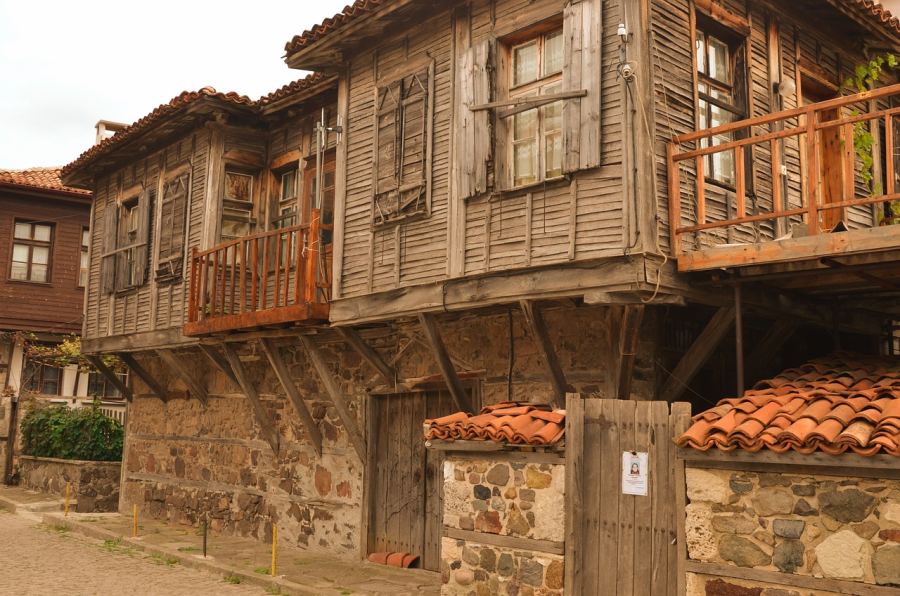
It is characterized by 19th-century Bulgarian-style houses. The old houses built of wood and stone may be included in the UNESCO World Heritage Sites list in the future.
It’s also an excellent seaside resort with beautiful sandy beaches and crystal-clear water. The city’s two main beaches are Central Beach and Harmanite Beach, popular among families and water sports enthusiasts alike.
Sofia
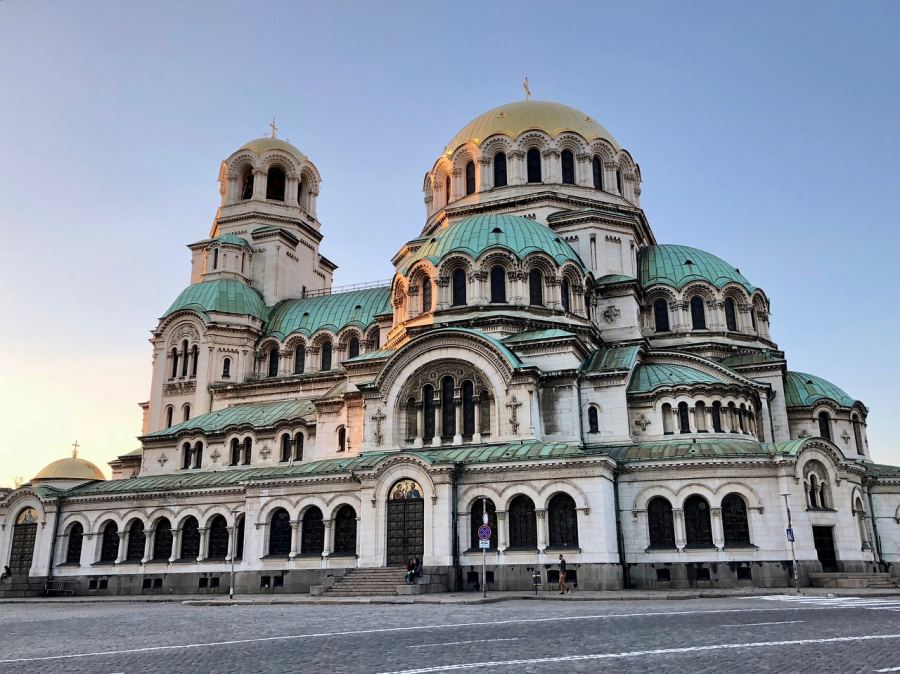
Bulgaria’s capital is located in the western part of the country and is considered Europe’s oldest capital.
Its most famous attraction is the Alexander Nevsky Cathedral, one of Sofia’s symbols. Built in Neo-Byzantine style, the cathedral is the seat of the Bulgarian Patriarch and one of the largest Eastern Orthodox churches.
Among the religious buildings, the central synagogue must be mentioned. It’s the second-largest Sephardic synagogue in Europe and the largest such religious facility on the Balkan Peninsula. Two permanent exhibitions can be seen: one showcasing the life of the Bulgarian Jewish community, and the other focusing on the Holocaust.
Tsarevets Fortress
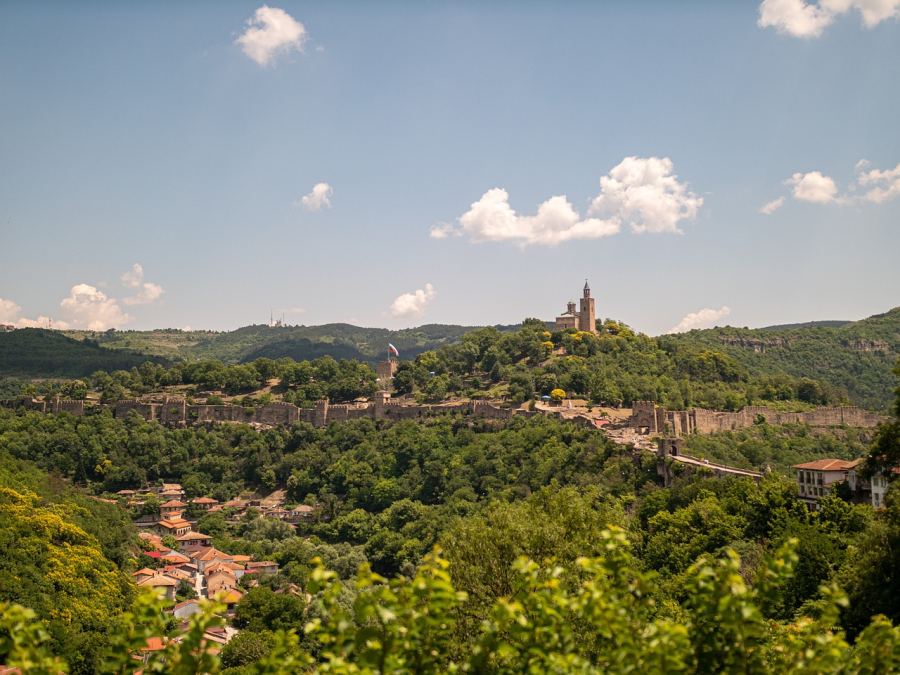
Located in the city of Veliko Tarnovo, it was one of the most significant fortifications as the capital of the medieval Second Bulgarian Empire.
The fortress was built on a high hill, which provided natural protection along with the city below and the Yantra River. It was surrounded by thick stone walls stretching for three kilometers. The walls contained several gates and towers.
Inside the fortress stood the Bulgarian Tsar’s residence, where the imperial government ruled the country. At its top is the former Patriarchal Cathedral, which was the center of the Bulgarian Orthodox Church. The cathedral also functioned as the religious center of the empire.
Plovdiv
Bulgaria’s second-largest city is located in the central part of the country, on both banks of the Maritsa River.
The old town, built on hills with renovated pedestrian streets, is famous for its buildings in the so-called Bulgarian Renaissance style. These houses, partly built of wood, are meant to symbolize Bulgarian self-awareness. The colors and protruding balconies are also eye-catching: based on the richness of the interiors, decorations, valuable furniture, carpets, and frescoes, the owners of the houses were wealthy merchants of the 19th century.
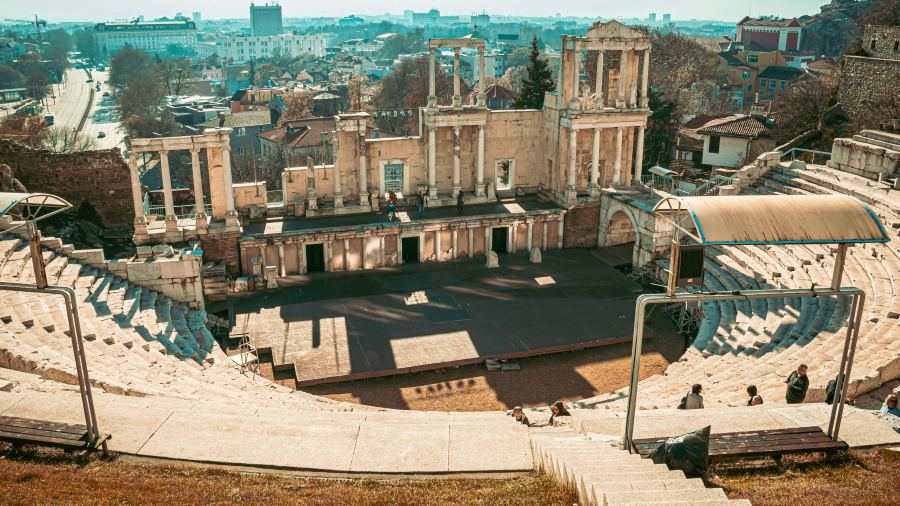
Plovdiv’s emblematic monument is the amphitheater and ancient theater, the largest outdoor Roman facility in present-day Bulgaria. Its construction began in the 2nd century during the reign of Emperor Trajan. It’s a masterpiece of Roman architecture.
Rila Monastery
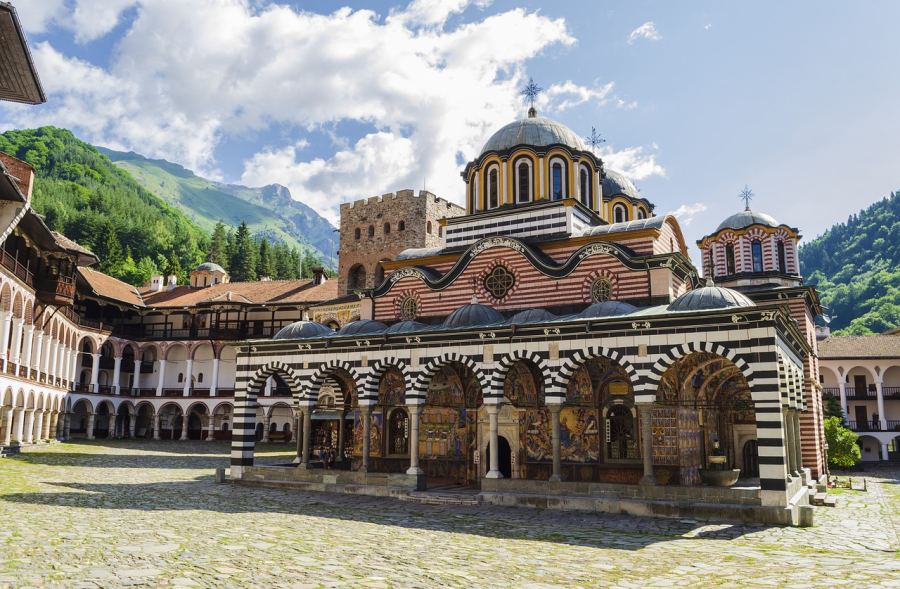
It’s the most popular and considered the holiest shrine of Bulgaria and the Bulgarian Orthodox Church. The monastery in the Rila Mountains is surrounded by picturesque forests.
Its history began in the 10th century when St. John of Rila, the patron saint of Bulgarians, retreated to hermitage in the area, and after his death, his followers founded a monastery. It became a cultural center during the Turkish era. In 1976, it was declared a national historical site, and in 1983, UNESCO added it to the World Heritage List.
The four-story monastery buildings contain about 300 monastic cells. A real specialty is the huge, octagonal kitchen in the northern wing of the monastery, which has a ceiling height of 22 meters.
One of the pride of the museum in the southern wing is the intricately carved 14th-century door of the Hrelja Church, as well as the Raphael Cross. The latter is named after Brother Raphael from the 18th century, who carved about 104 religious scenes and 650 miniature figures on the wooden cross measuring only 81 x 23 cm over 12 years of persistent work.
Varna
Bulgaria’s third-largest city is located on the Black Sea coast. It’s an important tourist destination, commercial and cultural center.
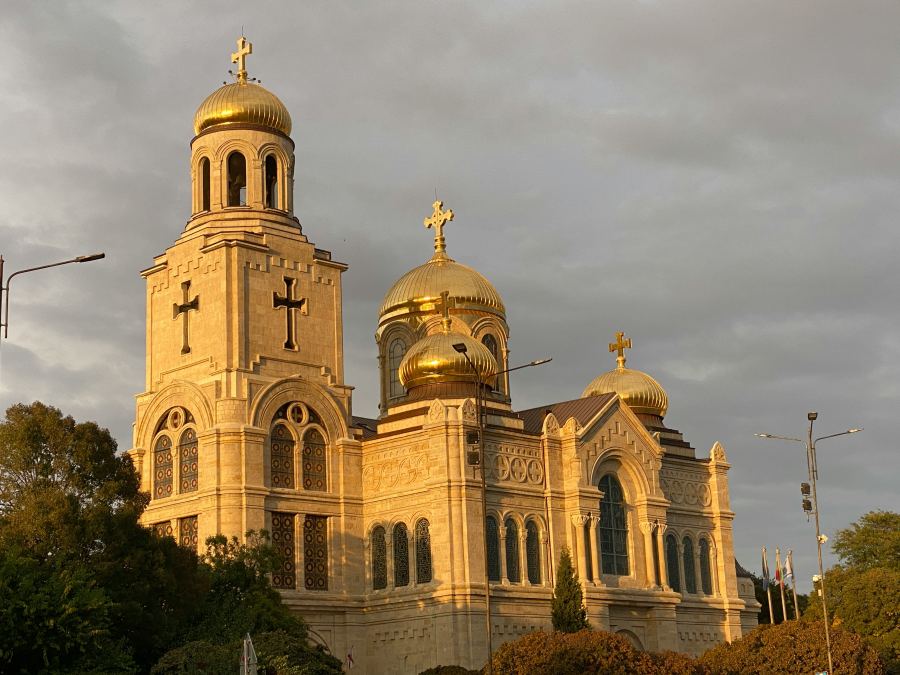
Its most spectacular monument is the Orthodox cathedral, whose predecessor was built in the 15th century and expanded in the 17th century. In Dzharnavara Park, there are also ruins of an ancient basilica.
Varna’s museums are also famous. These include the Varna Archaeological Museum, the aquarium, and the dolphinarium established in 1984, which was the largest in the world when it was built. On the outskirts of the city stands the memorial park of the Battle of Varna.
It’s worth visiting the Euxinograd Palace, 8 km away. The late 19th-century building’s style evokes the atmosphere of French castles. United Bulgaria was proclaimed here in 1885.
Belogradchik Rocks
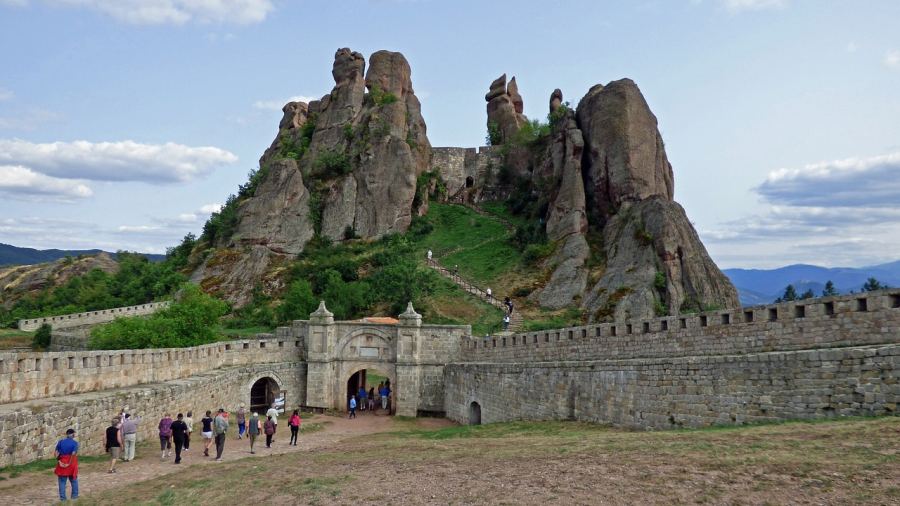
This wonderful natural formation is located in northwestern Bulgaria, near the town of Belogradchik.
They are about 200 million years old formations consisting of sandstone, conglomerate, and limestone. Over millions of years, erosion and natural forces have created special shapes that have been given names. These include the „Horseman”, the „Monks”, and the „Bear”.
The reddish color of the rocks, their shapes, and the surrounding green forests, as well as the Balkan Mountains in the background, create a wonderful landscape.
Perperikon
The archaeological site is one of the most significant historical monuments in the region.
Perperikon has been inhabited for thousands of years. Its oldest parts date back to the Bronze Age and served as a religious and cultural center for the Thracians.
The excavated structures include ancient palaces, water reservoirs, and a large temple built after the spread of Christianity. Many important objects have been found during excavations, including ceramics, coins, weapons, and other antiquities.
Its most famous part is a large sanctuary carved into a rock, which is the largest such structure in the region. The altar, used by the Thracians for their religious ceremonies, was particularly famous for stories related to prophecies.
Ovech Fortress
The fortress near the town of Provadia has a history spanning more than a millennium. It played an important role for various civilizations as a military and administrative center.
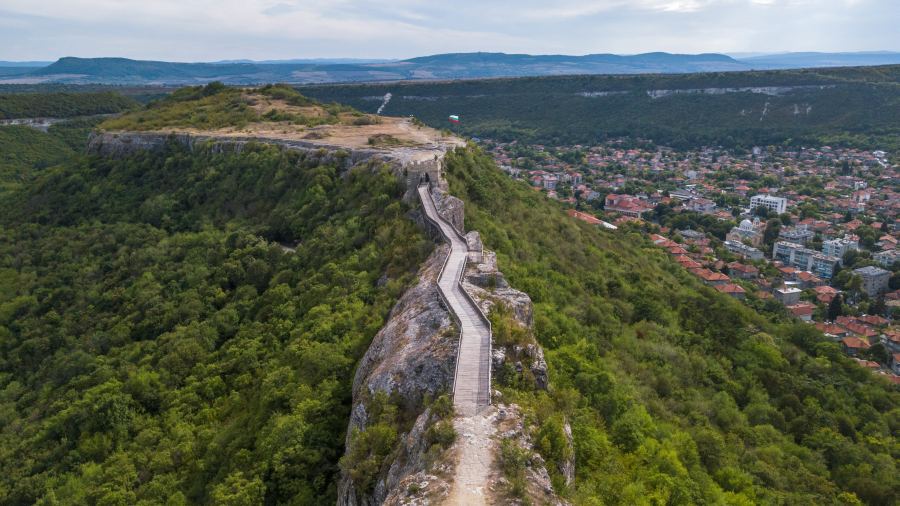
It stands on a rocky plateau surrounded by steep walls. The fortress’s strategic importance stems from its easy defensibility and its view of the surrounding areas, including the Provadia Valley.
The fortress was first used by the Thracians, then later occupied by the Romans, Byzantines, and medieval Bulgarian states. In the 11th century, it became one of the important military centers of the Byzantine Empire. Later, in the 13-14th centuries, it gained new significance during the Second Bulgarian Empire.
One of the most spectacular elements leading to the fortress is a long bridge built on rock and a staircase carved into stone, which was one of its most important entrances.
Prohodna Cave
The cave located in the gorge of the Iskar River is popular among hikers, cavers, and tourists due to its special formations.
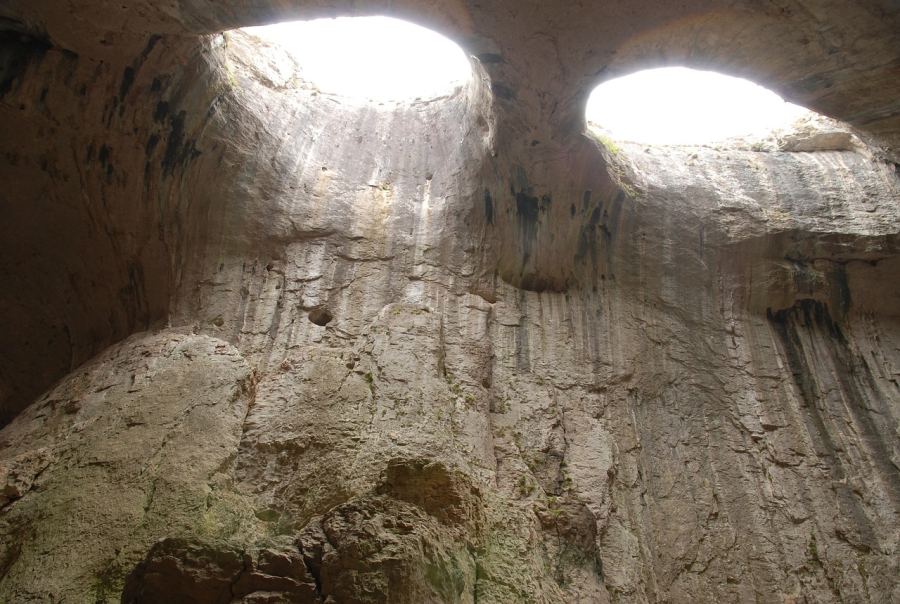
The cave got its name from its two large natural openings that create a long, tunnel-like passage, as if we were walking through a „corridor”. One opening is called the Small Entrance, and the other is called the Large Entrance. The total length of the cave is about 262 meters.
Its most famous and special part is two huge natural windows on the cave’s ceiling, which locals call „The Eyes of God”. These holes are positioned as if forming the eyes of a giant face, especially when sunlight filters through them.
Etar
The open-air ethnographic museum aims to showcase Bulgarian folk culture, craftsmanship, and lifestyle, especially from the period of the Bulgarian Revival in the 18th-19th centuries.
There are more than 50 buildings, including residential houses, workshops, and water mills. The buildings follow the 18th-19th century Bulgarian architectural style, characterized by houses made of wood and stone, as well as the rich decorations of the Bulgarian Revival period.
The most popular attractions of the museum are the craft workshops. These faithfully demonstrate the crafts of the era, such as pottery, woodcarving, blacksmithing, weaving, cloth making, silversmithing, and bread baking.
Bansko
One of the country’s most popular winter resorts is located near Pirin National Park, which is a UNESCO World Heritage site.
Its ski center is one of the most modern and well-equipped winter resorts in Southeast Europe. The ski area is over 70 kilometers long in total, with the highest slopes located at an altitude of 2600 meters.
Bansko is not just about skiing, but also has a rich historical past. The city was one of the important centers of culture and economy during the Bulgarian Revival period. It’s famous for traditional Bulgarian folk music and folklore festivals.
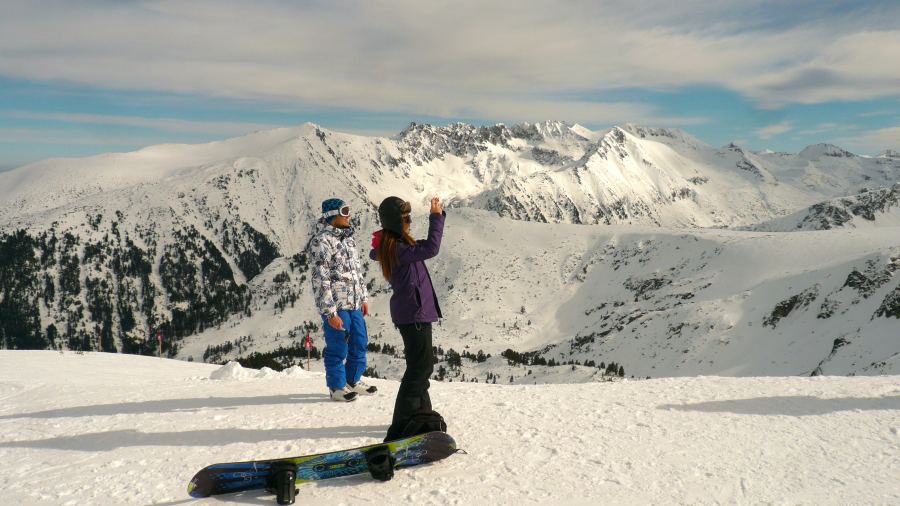
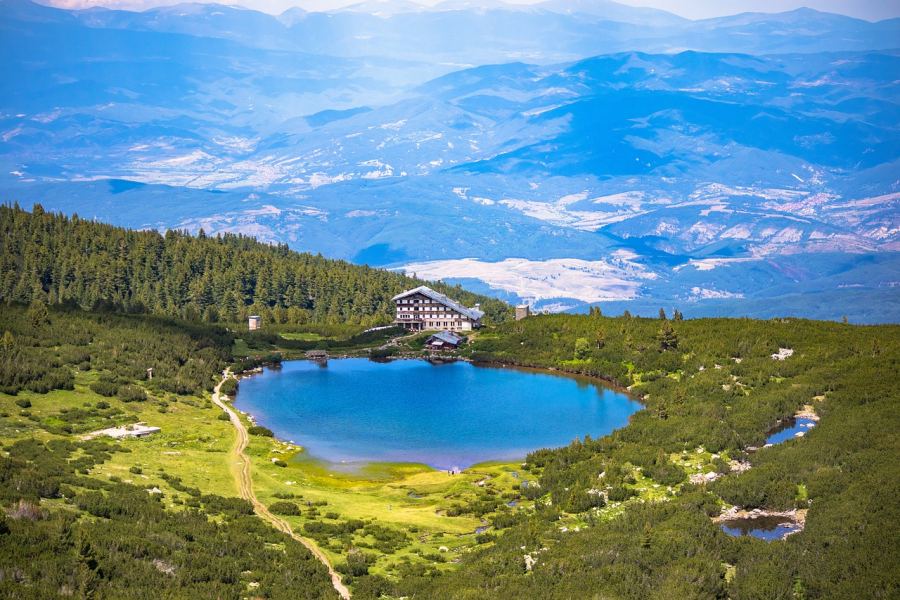
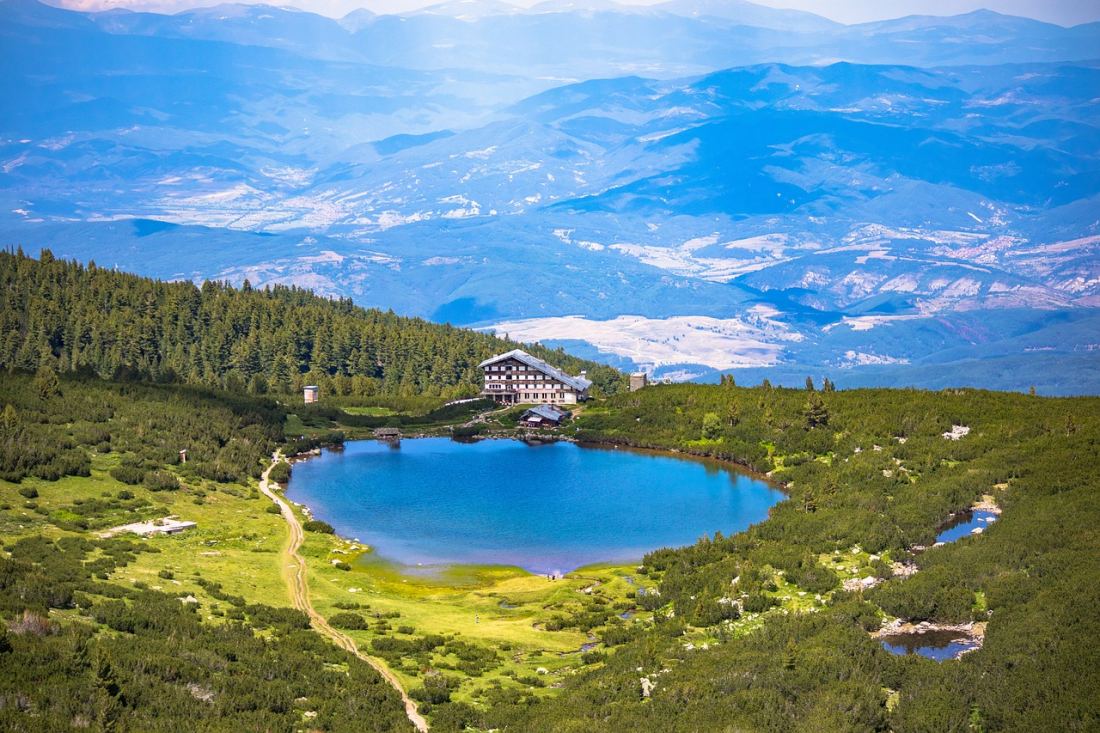
Bezbog Lake
This beautifully situated lake is located close to Bansko and is frequently visited by nature lovers, hikers, and photographers.
It’s located at an altitude of about 2240 meters above sea level. A lift starts from the nearby Gotse Delchev shelter, taking visitors to the Bezbog shelter. From here, the lake can be reached by a short walk.