
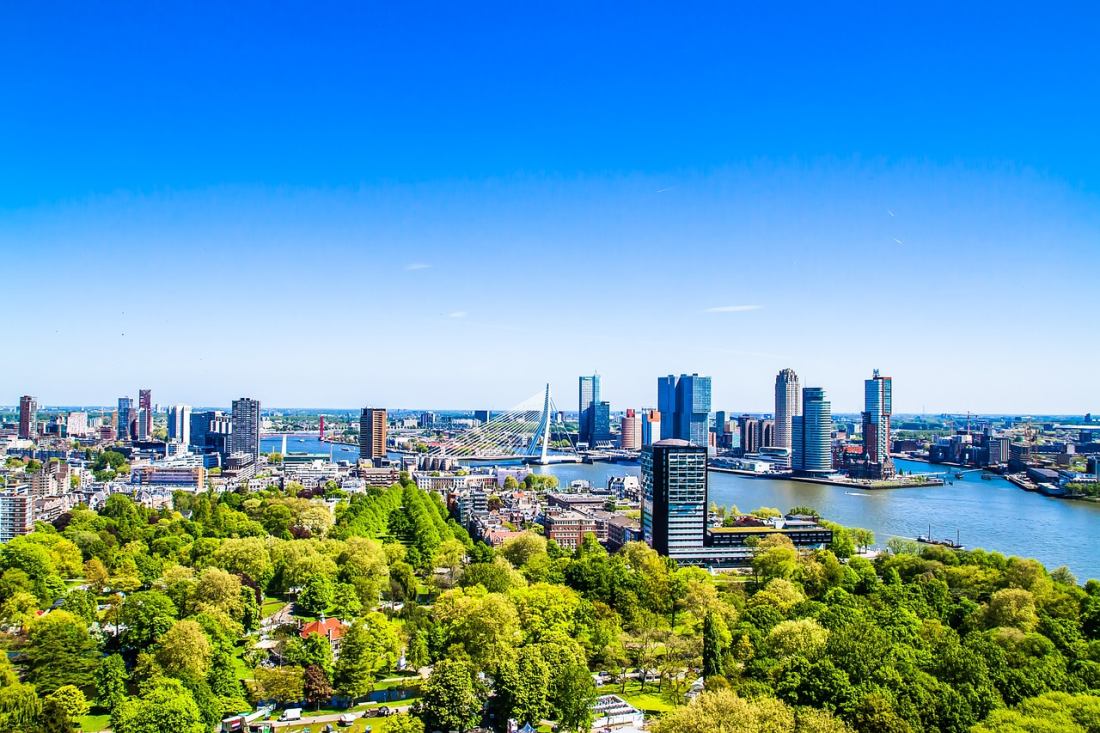
Rotterdam, the second largest city in the Netherlands, is known worldwide for its modern architecture and innovative cityscape.
The South Holland city is located on the banks of the Maas River. The most important Dutch city after Amsterdam and Eindhoven. The city’s unique character was shaped by the reconstruction after World War II bombings, when the rebuilt city center was filled with bold, futuristic buildings instead of traditional Dutch architecture. Rotterdam is home to Europe’s largest port, which not only underlines its economic significance but also establishes its cultural diversity.
Table of Contents
Rotterdam attractions
Erasmus Bridge (Erasmusbrug)
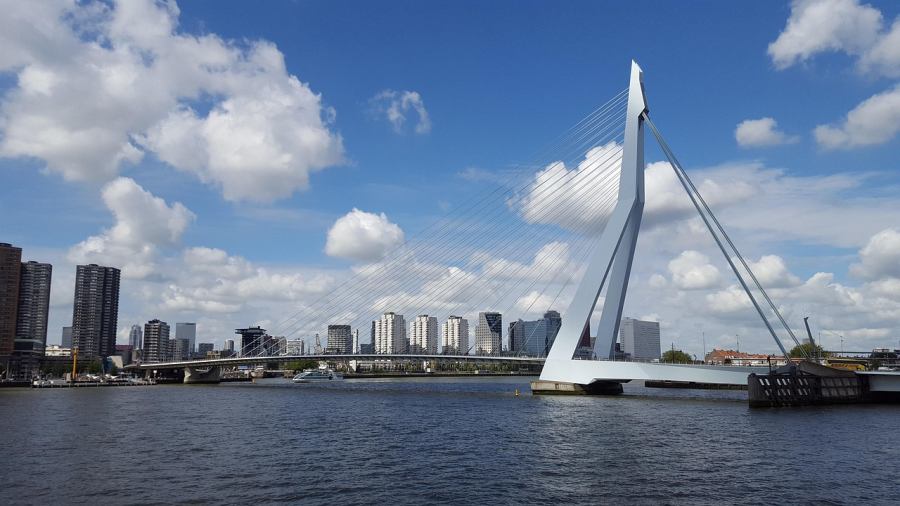
Rotterdam’s most famous landmark and one of the Netherlands’ most iconic structures. The bridge, opened in 1996, spans the Maas River, connecting Rotterdam’s northern and southern parts. It was named after Erasmus, the Rotterdam-born humanist.
The bridge stands out with its special asymmetric structure, often called a „swan” or „harp” due to its characteristic shape. The central element of the 802-meter-long structure is a 139-meter-high white pylon from which 40 cables support the bridge structure. At night, special LED lighting makes the bridge even more spectacular.
It’s not just a transportation hub but also a symbol of the city’s modern image. The bridge offers a beautiful panorama of Rotterdam’s skyscrapers and the Maas River, making it a popular photography spot for tourists and locals alike.
Port of Rotterdam
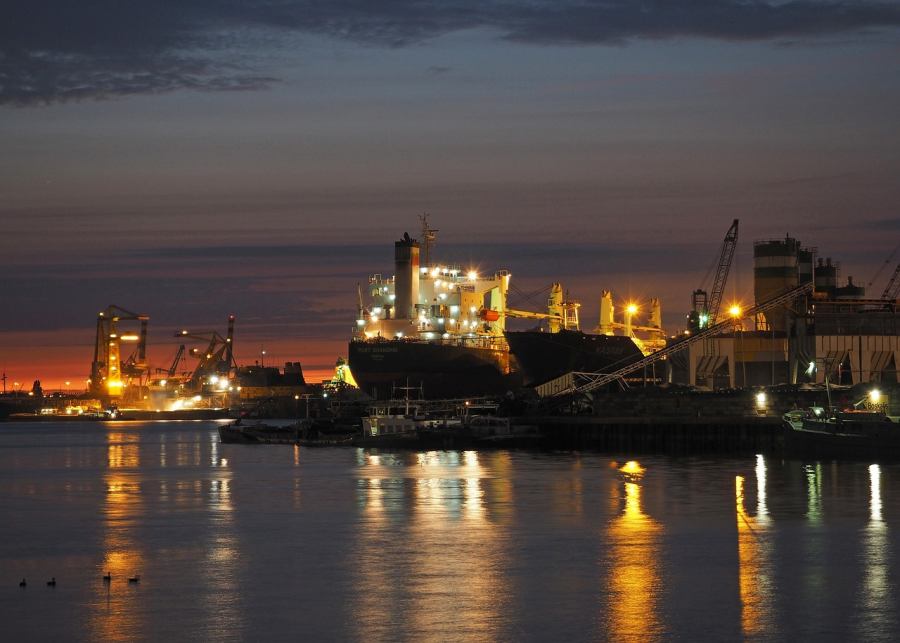
Europe’s largest and the world’s third-largest port fundamentally defines the city’s character and economic significance. Its area covers more than 12,000 hectares and handles over 400 million tons of cargo annually.
The port’s history dates back to the 14th century, but its real development began in the 19th-20th centuries. Its strategic location at the mouth of the Rhine and Maas rivers, along with direct access to the North Sea, enabled it to become Europe’s „gateway”. The modern container terminals and oil refineries offer an impressive sight.
For tourists, the Spido boat cruise is particularly interesting, offering insights into the port’s operations. During the tour, you can see massive container ships, cranes, and industrial facilities. The World Port Center building is also visitable, where exhibitions showcase the port’s history and significance.
Euromast Tower
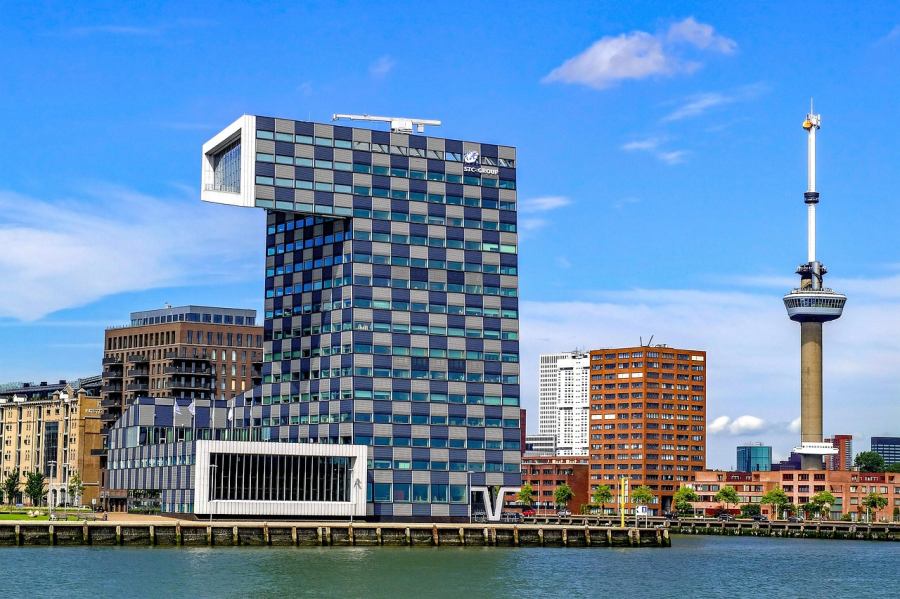
Rotterdam’s tallest building and the best observation point for the city’s panorama. The 185-meter-high tower, inaugurated in 1960, was designed by architect Huig Maaskant and originally built for the Floriade horticultural world exhibition.
The tower’s structure consists of two main parts: the original 101-meter section from 1960, and the „Space Tower” added in 1970, which added another 84 meters to the height. The revolving restaurant at the top operates year-round.
Its specialty is the „Euroscoop”, a transparent cabin lift that rises and falls on the tower’s exterior. On clear days, you can see the city and its surroundings within a 30-kilometer radius. The tower’s base houses a gift shop and exhibition space, and various extreme sports are also organized here, such as rope climbing and abseiling.
Markthal
One of Rotterdam’s newest architectural masterpieces opened in 2014. The building designed by MVRDV architects is simultaneously a covered market, residential building, and cultural center. The structure’s most striking element is the massive arched roof under which the market is located.
Its interior ceiling is the work of Arno Coenen and Iris Roskam, the gigantic artwork titled „Horn of Plenty”, depicting fruits, vegetables, and flowers across 11,000 square meters. This is the largest artwork in the Netherlands and one of the world’s largest indoor murals.
The Markthal houses more than 100 stalls offering fresh food, local specialties, and international delicacies. The building’s ground floor features restaurants and cafes, while the upper floors house apartments and offices.
Cube Houses (Kubuswoningen)
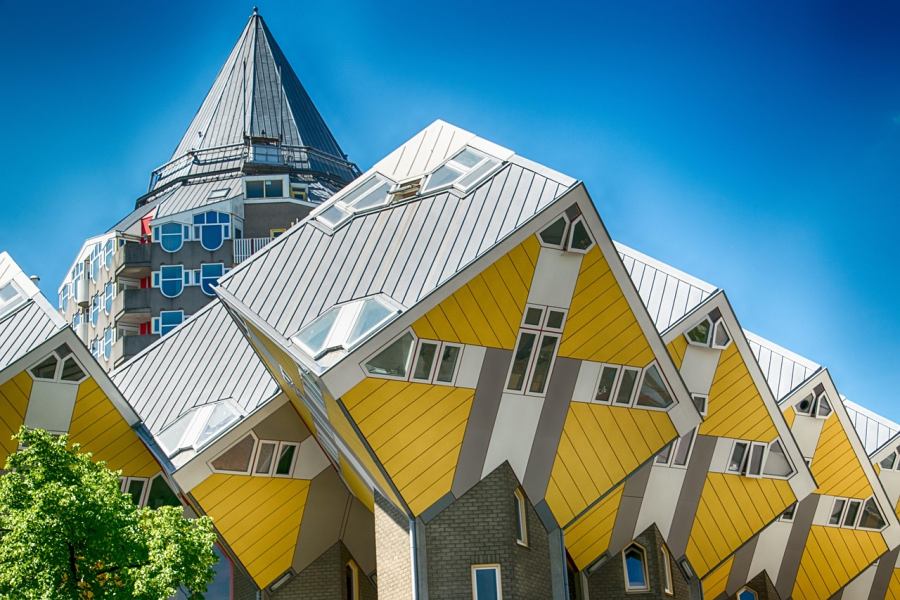
One of Rotterdam’s most famous and unusual architectural creations. Dutch architect Piet Blom designed this 38-unit residential complex in 1984, located near Blaak metro station and the old Laurenskerk.
The building complex’s concept symbolizes each house as a tree and the entire complex as a forest. The houses are cubes rotated 45 degrees, resting on one of their corners. This unusual placement is not only spectacular but also created practical challenges for residents in furniture placement.
One of the cube houses operates as a museum where visitors can glimpse into the unusual living space. The three-story houses have specially geometric windows that create unique lighting effects.
Fenix Food Factory
One of Rotterdam’s newest gastronomic centers in the Katendrecht district, located on the banks of the Maas River. The building was originally a warehouse from the 1920s, renovated and converted into a modern food hall in 2014.
The complex houses more than 20 local producers and food artisans who make their products on-site. Here you’ll find Rotterdam’s only urban brewery, local cheesemakers, chocolate workshops, and unique bakeries. The concept’s essence is that visitors can not only purchase products but also observe their production process.
The building’s rooftop terrace offers stunning views of the Maas River and the city. On weekends, another market operates around the building where additional local producers offer their goods.
Rotterdam Centraal Station
The central station opened in its new form in 2014 and has since become one of Europe’s most modern railway stations. The building jointly designed by Benthem Crouwel, MVSA Architects, and West 8 is Rotterdam’s new city gate, serving approximately 110,000 passengers daily.
The station’s most striking element is the massive steel and glass structure covering 13,000 square meters of floor space. The building’s roof creates a special geometric form reflecting the city’s dynamic character. The station operates on five levels, with two underground levels for metro and regional trains.
The station is not just a transportation hub but also a cultural center. The waiting room regularly hosts exhibitions and cultural events. The Stationsplein around the building is one of Rotterdam’s busiest squares, from which all the city center’s attractions are easily accessible.
Delfshaven
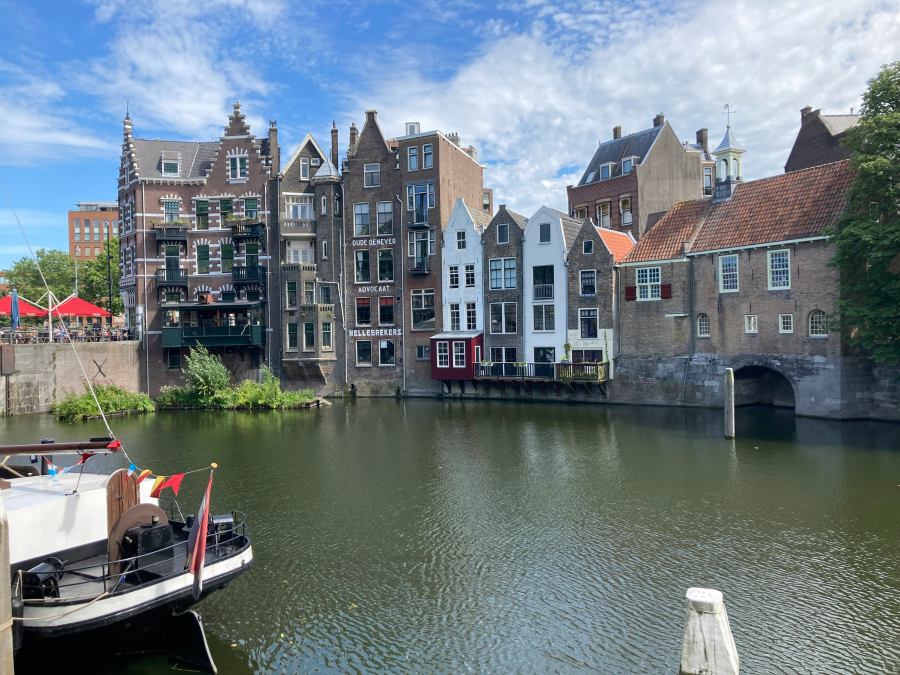
Rotterdam’s only district that survived World War II bombings, thus still maintaining its original, historical character today. This picturesque neighborhood was formed in the 14th century when it served as the port of Delft at the mouth of the Schie River.
The district’s most famous history is linked to 1620 when passengers of the Mayflower ship departed from here toward America. The memory of the Pilgrim Fathers is preserved at the Oude Kerk (Old Church), where they held a farewell service before departure. The church is still visitable today and creates a special atmosphere combining medieval architecture with historical significance.
Today Delfshaven welcomes visitors with atmospheric restaurants, antique shops, and galleries. Among the historical buildings along the Voorhaven is the Dubbelde Palmboom museum, which presents the history of Delfshaven and Rotterdam.
Witte de Withstraat
The heart of Rotterdam’s cultural district, famous for its museums, galleries, and vibrant nightlife. The street was named after Admiral Witte Corneliszoon de With, a Dutch sailor who lived in the 17th century.
Along the street are numerous contemporary art galleries, design shops, and creative workshops. The Witte de With Center for Contemporary Art (now known as Kunstinstituut Melly) is one of the street’s most important cultural institutions, organizing international contemporary art exhibitions. The institution often hosts experimental and provocative artworks.
The street’s nightlife is also legendary. Numerous bars, clubs, and restaurants are located here, serving as meeting places for the local creative community and tourists. Its special atmosphere comes from the harmonious blend of alternative culture and mainstream entertainment. Street festivals and cultural events are regularly held here.
Het Park
Rotterdam’s largest and oldest park opened in 1852 on the northern bank of the Maas River. The 19-hectare area was originally created in English romantic style and has maintained its original character through careful renovations.
The park’s main attractions include the Bismarck monument erected in 1898 and the rose garden consisting of more than 20,000 rose bushes. The park also contains a Japanese garden completed in 1927, which creates a peaceful oasis in the heart of the city with its authentic Japanese-style structures, bridges, and pond.
It’s a popular relaxation spot among locals, especially in summer. The park offers beautiful views of the Euromast tower and the city’s skyscrapers, making it also a popular photography location.
Rotterdam Zoo (Diergaarde Blijdorp)
Opened in 1857, it’s now one of the Netherlands’ most modern zoos. The 26-hectare area is home to more than 2,000 animals representing 230 different species. The zoo is particularly famous for creating natural habitats.
The zoo’s main attractions include the Oceanium with its giant aquarium and sharks attracting visitors. The Riviera Hall imitates Mediterranean habitats, while Amazonica creates a tropical rainforest environment.
Recent developments include the Diergaardeboulevard, showcasing Asian habitats with elephants, tigers, and other exotic animals. The zoo particularly focuses on nature conservation and species preservation.
All information is available here!
Miniworld Rotterdam
This is a special indoor miniature world where visitors can explore the Netherlands and Rotterdam region in miniature form.
Across more than 600 square meters, meticulously crafted cities, villages, industrial facilities, and railway lines come to life. More than 270 trains operate in the model world, bridges open and close, ships glide on waters.
Visitors can also gain insight into the model-making process. It’s an ideal program for families, children, and anyone fascinated by the detailed miniature world.
All information is available here!
Best museums in Rotterdam
Boijmans Van Beuningen Museum
Rotterdam’s most significant art museum was established in 1849. The museum’s collection spans art history from the Middle Ages to the present and is particularly rich in Dutch and Flemish paintings.
The museum’s foundation was F.J.O. Boijmans’ collection, later supplemented by D.G. van Beuningen’s collection. Among its most valuable pieces are works by Hieronymus Bosch, Pieter Bruegel, Rembrandt, and Van Gogh. It also has a significant contemporary art collection, including works by Salvador Dalí, Andy Warhol, and Roy Lichtenstein.
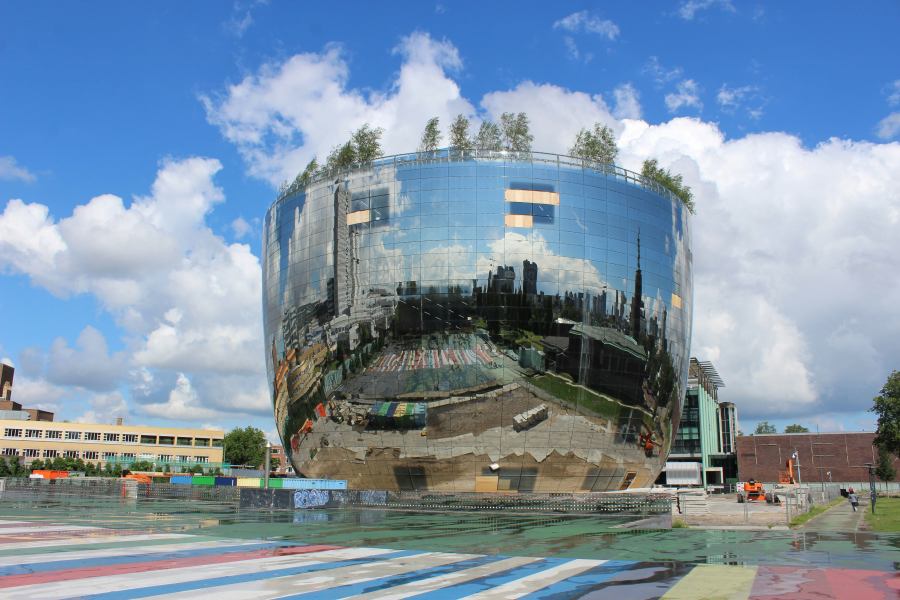
In 2021, the museum opened a new chapter in its history with the opening of the Depot. This is the world’s first fully public museum storage facility where visitors can gain insight into the behind-the-scenes secrets of museum collection management. The 39-meter-high, mirror-surfaced building has become Rotterdam’s new architectural symbol.
All information is available here!
Maritime Museum
Showcases Rotterdam’s rich maritime history, which is particularly important in a city that owes its existence to the sea. The museum was founded in 1873 and today maintains one of the city’s most comprehensive maritime collections.
Its collection includes more than 850,000 objects, including ship models, navigation instruments, maps, and paintings. Among its most important pieces are ship models from the 17th-century Dutch Golden Age, evoking the heyday of Dutch maritime trade.
Through the museum’s interactive exhibitions, visitors can experience what life was like for sailors in the past. The Prof. Plons children’s area is particularly popular among families, where children can learn about the maritime world in a playful way. The museum also includes the Buffel, a 19th-century armored warship anchored in the port, which can be visited in its original condition.
All information is available here!
Netherlands Photo Museum
The museum is exclusively dedicated to the art and history of photography. It opened in 2003 and has since become the Netherlands’ most important photographic center.
Its collection includes more than 5 million photographs and 20,000 books. We can see the works of pioneers of 19th-century Dutch photojournalism as well as works by contemporary photo artists. Special attention is paid to Dutch traditions in documentary photography and photographs reflecting social changes.
The museum regularly organizes thematic exhibitions showcasing the development of photography and its social role. Its library maintains one of Europe’s most complete collections on the history of photography.
All information is available here!
Chabot Museum
The museum dedicated to the memory of Dutch painter and sculptor Henk Chabot (1894-1949) provides unique insight into a Rotterdam artist’s life work. It opened in 1993 in the artist’s former studio, in the neighborhood of Museumpark.
Chabot was particularly famous for depicting Rotterdam’s port and workers’ lives. His expressionist-style paintings capture the city’s industrial character and moments of everyday life with strong colors and dynamic brushstrokes. Its permanent exhibition features more than 300 Chabot works, including paintings, drawings, and sculptures.
The museum building itself is interesting: the villa-style house was built in the early 20th century and creates a special atmosphere for presenting Chabot’s works. The museum regularly organizes thematic exhibitions connecting Chabot’s work with contemporary artists or historical contexts.
All information is available here!
Rotterdam weather: when is the best time to visit?
Rotterdam’s climate is temperate oceanic, characterized by milder winters and not too hot summers. The city’s weather is greatly influenced by the proximity of the North Sea and its lowland location.
Spring (March-May):
During spring months, the weather gradually warms, with average temperatures ranging between 8-16°C. March still sees frequent rain and wind, but April and May are characterized by pleasant, sunny days. The Dutch tulip season is a particularly attractive period for visitors.
Summer (June-August):
Summer months are the mildest, with average temperatures between 18-22°C. July and August have the least precipitation and the longest days. Although rare, temperatures above 25-30°C can occur.
Autumn (September-November):
The autumn period is variable, with September still pleasant with temperatures around 15-18°C. From October, the weather gradually cools, and by November, drizzle and overcast skies are frequent.
Winter (December-February):
Winter months are cool with daytime temperatures between 3-7°C. Snowfall is not frequent, but rain and wind are regular. January and February have the shortest days.
Best time to visit in Rotterdam:
The best time to visit Rotterdam is between May and September, when the weather is most pleasant and the days are longest. The period between June and August is particularly recommended, when the sun shines an average of 6-7 hours daily and precipitation is minimal. This period is ideal for exploring the city, port walks, and outdoor programs. During summer months, Rotterdam’s cultural life also becomes more vibrant with numerous festivals and outdoor events.