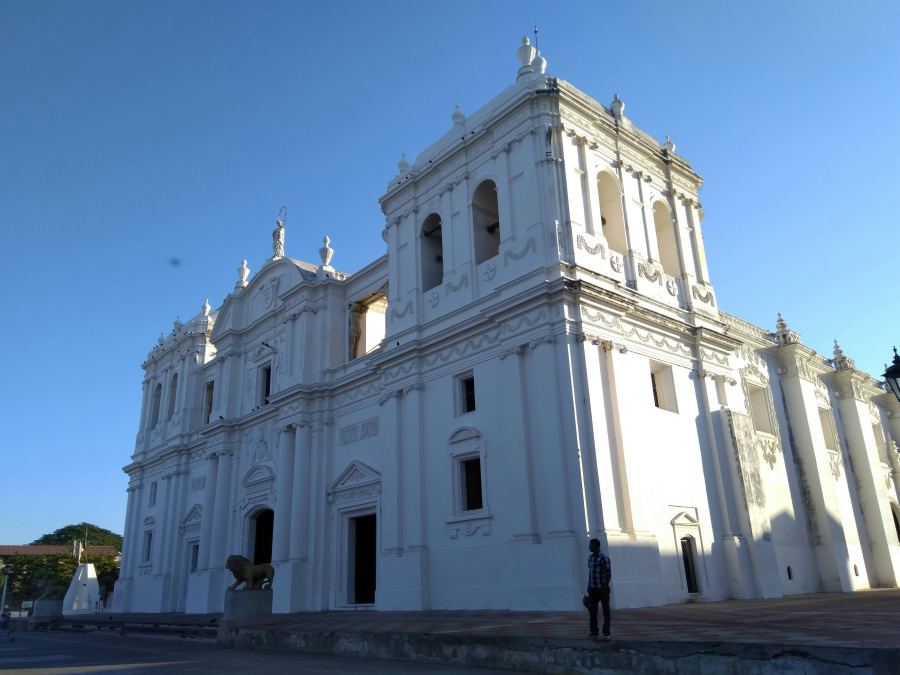
North America has numerous World Heritage Sites, including those in the Caribbean countries. Let’s look at 10 beautiful locations!
Table of Contents
10 amazing World Heritage Sites in North America
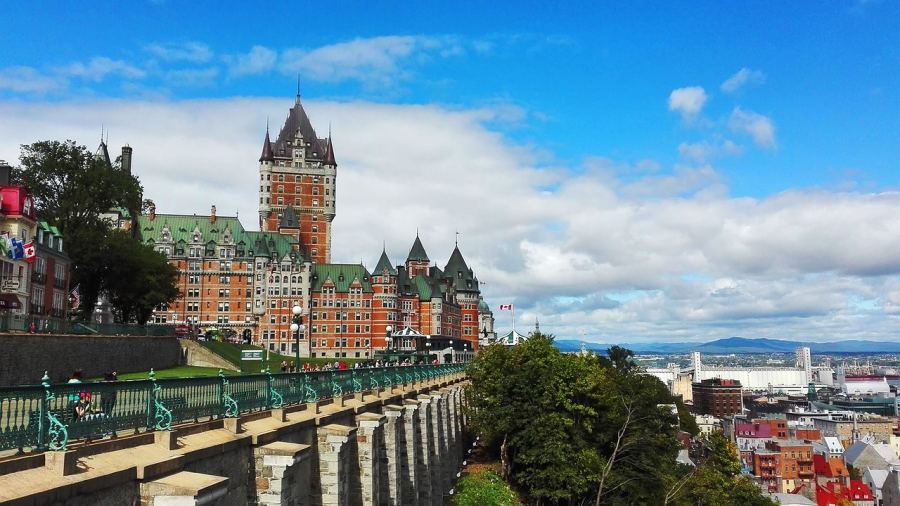
Historic District of Quebec
One of Canada’s most significant historical areas preserves the memories of the French colonial era.
The city, founded in the early 17th century, is unique as it’s the only one on the continent with intact preserved walls. UNESCO added it to the World Heritage List in 1985, as Quebec is a unique example of French colonial urban planning and European colonization in North America.
The city is famous for its distinctive structure between Upper Town and Lower Town, and the iconic Château Frontenac hotel that dominates the city’s skyline. Other important attractions include Place Royale, the Citadel, and the picturesque cobblestone streets that have preserved their historical atmosphere.
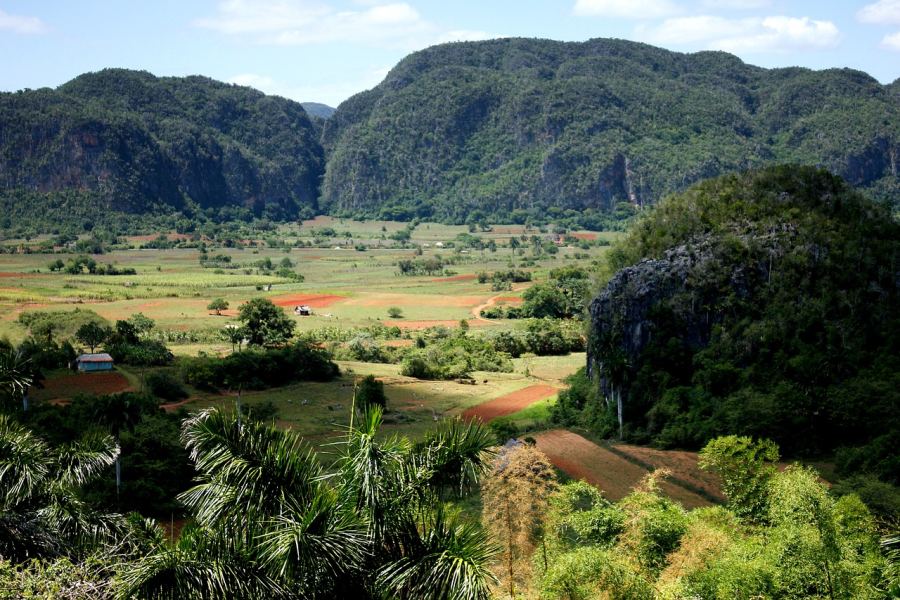
Viñales Valley
Located in western Cuba’s Pinar del Río province, it’s known as one of the world’s most beautiful agricultural-cultural landscapes.
The valley is dotted with dramatic limestone formations called mogotes and fertile tobacco plantations. The region is the center of traditional tobacco cultivation, which provides the raw material for famous Cuban cigars.
UNESCO added it to the World Heritage List in 1999, as the valley has been using traditional agricultural methods for centuries that form an organic unity with the environment. Additionally, the area is rich in geological, paleontological, and archaeological values.
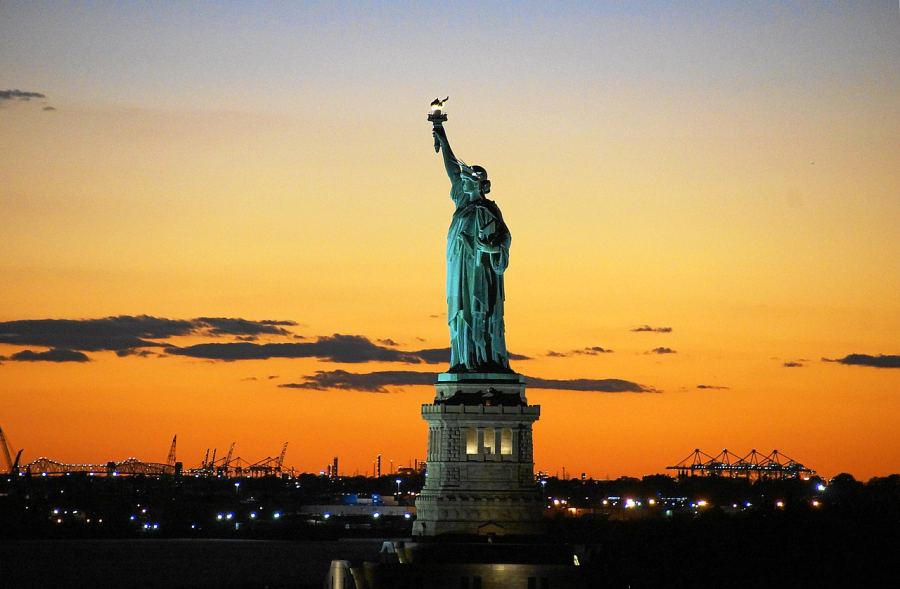
Statue of Liberty
One of the USA’s most recognizable symbols is located on Liberty Island in New York.
The statue was gifted to the American people by France in 1886 for the centennial of American independence, symbolizing liberty, democracy, and the struggle against oppression.
The impressive 93-meter-tall copper statue was designed by Frédéric Auguste Bartholdi, while Gustave Eiffel’s engineering work ensured the stability of the internal structure. UNESCO added it to the World Heritage List in 1984, as the statue is one of the world’s most significant cultural monuments.
One of the statue’s most recognizable elements is the torch holding the flame, symbolizing hope. The site offers breathtaking views of Manhattan.
Historic Center of Mexico City and Xochimilco
Two outstanding cultural and historical sites in Mexico’s capital.
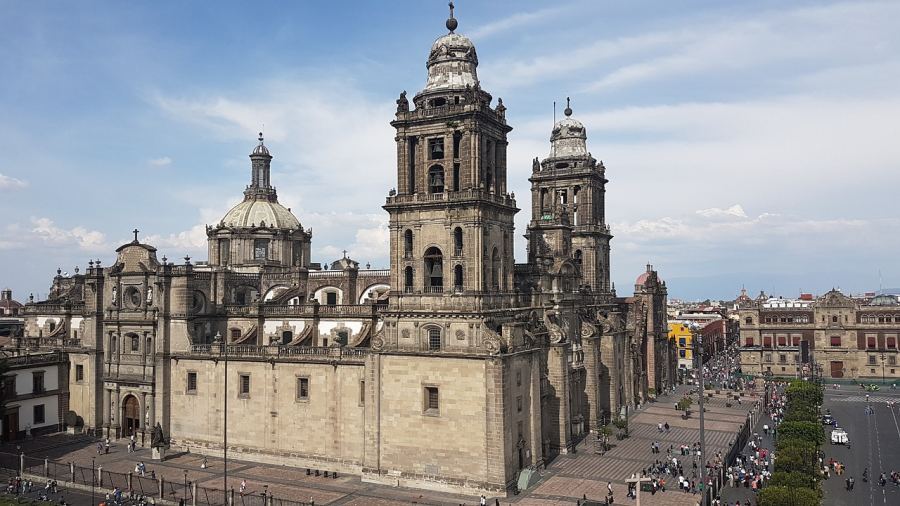
The historic center was built on the site of the former Aztec capital, Tenochtitlan. It’s filled with architectural treasures from the colonial period, such as the Metropolitan Cathedral and the archaeological remains of Templo Mayor.
Xochimilco, in southern Mexico City, is famous for its canal network and floating gardens (chinampas), which preserve the heritage of Aztec agricultural innovation.
UNESCO declared it a World Heritage Site in 1987, as the two areas showcase a unique blend of Aztec civilization, Spanish colonial architecture, and urban development.
Colonial City of Santo Domingo
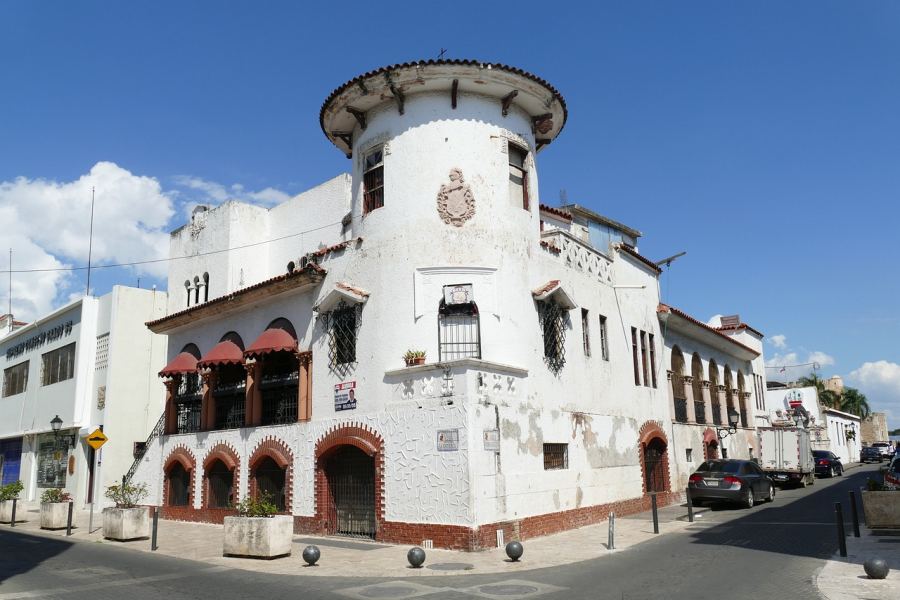
Located in the Dominican Republic’s capital, the Colonial City of Santo Domingo is the New World’s first European settlement, founded in 1498. It was the first Spanish colonial center in the Americas and home to the first cathedral, fortress, and government palace.
UNESCO declared it a World Heritage Site in 1988, as the city’s layout and buildings are exceptional examples of colonial urban planning that other American cities later followed. The area preserves the earliest examples of Spanish colonial architecture, particularly the Santa María la Menor Cathedral, the oldest cathedral in the Americas.
The Calle Las Damas (Ladies’ Street) and the Alcázar de Colón, Diego Columbus’s former residence, are among the city’s most famous attractions.
Tikal National Park
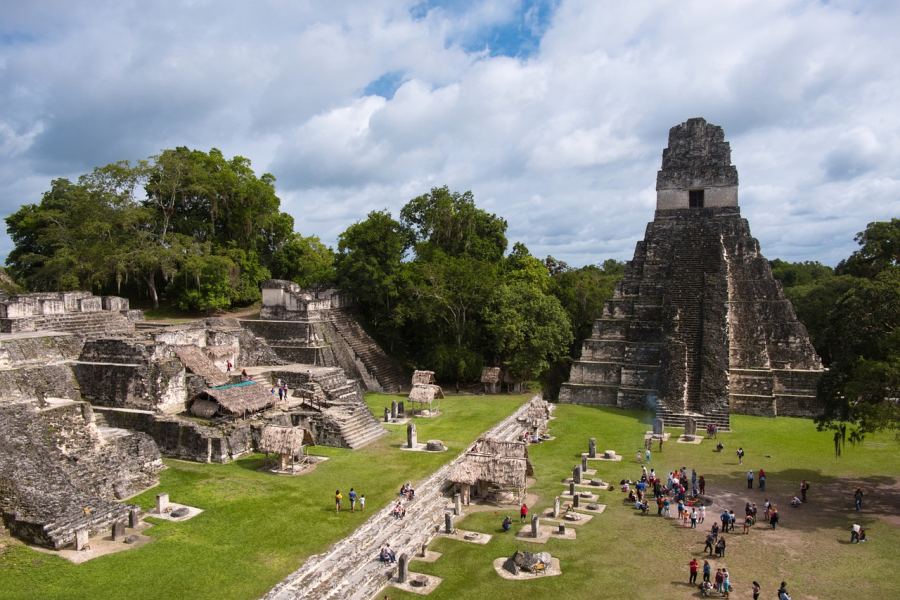
This Guatemalan park is one of the most important archaeological sites of the Maya civilization and one of the world’s oldest and largest cities.
The ancient city’s remains are located in the middle of dense rainforest, impressively showcasing Maya culture’s architecture, art, and religious life. It was added to UNESCO’s World Heritage List in 1979, as it uniquely combines cultural and natural heritage. The park has rich biodiversity and is home to numerous rare plant and animal species.
Tikal’s famous structures include the impressive Jaguar Temple and the Temple of the Two-Headed Snake, offering wonderful views of the jungle.
Yellowstone National Park
The United States’ and the world’s first national park, which is one of the most well-known.
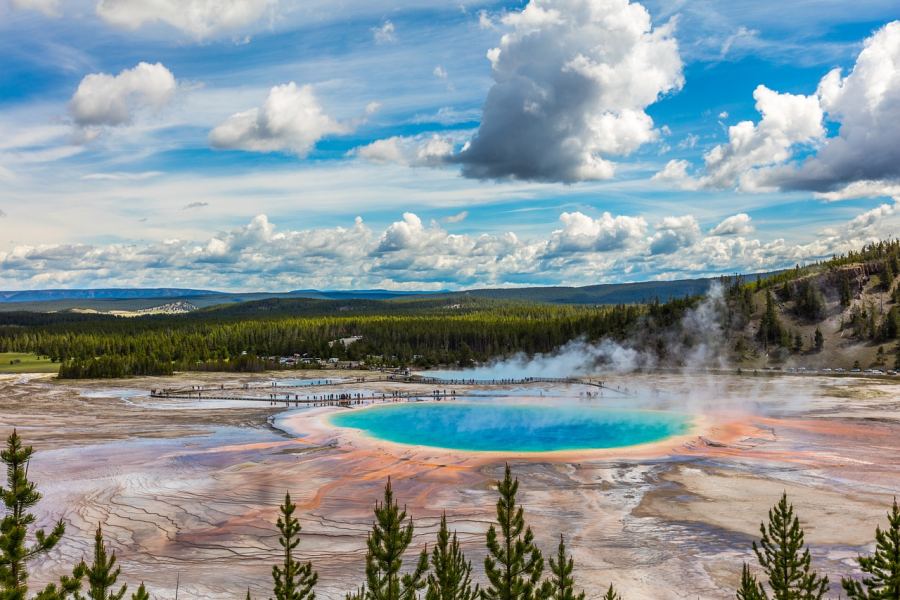
Established in 1872, it spans across Wyoming, Montana, and Idaho states. The park is famous for its stunning natural phenomena, particularly its geothermal activity, such as one of the world’s most famous geysers, Old Faithful, and the scenic Grand Prismatic Spring hot spring.
UNESCO declared it a World Heritage Site in 1978 for its exceptional natural values. The park’s rich wildlife includes bison, grizzly bears, and wolves, as well as numerous rare plant and animal species.
Copán
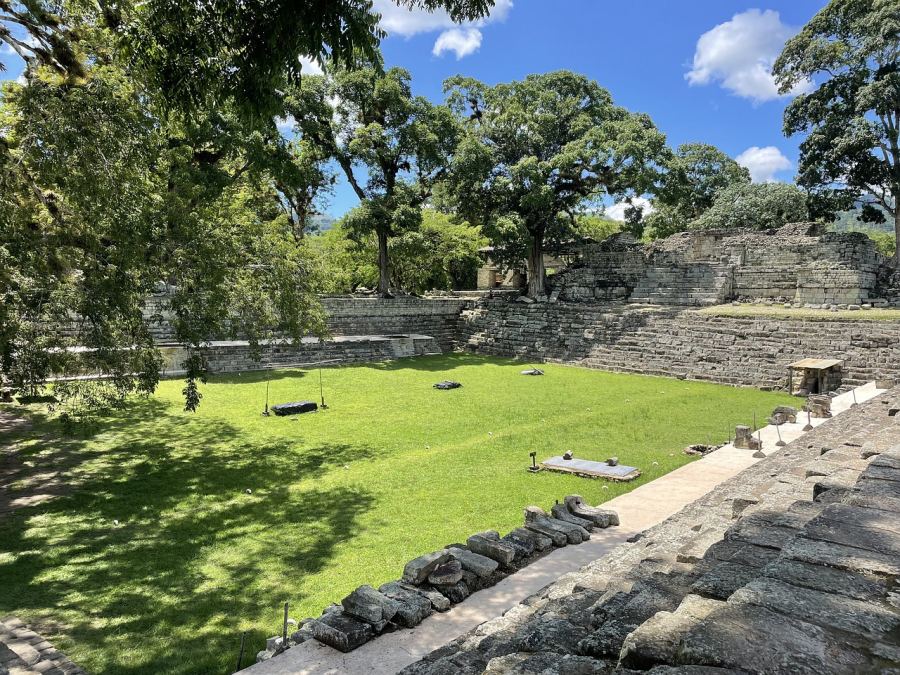
Honduras‘ Copán was one of the ancient Maya civilization’s most important cultural and political centers.
The city flourished from the 5th century BC to the 9th century AD. The settlement is an outstanding example of the classical Maya period, famous for its architectural masterpieces and impressive carvings.
Copán’s most notable attractions include the Hieroglyphic Stairway, which contains the longest known text of Maya history. Also notable is the Great Acropolis, which encompasses elite residential and sacred sites.
UNESCO added it to the World Heritage List in 1980, as the archaeological site provides exceptional insight into Maya society’s political, artistic, and religious life.
Chichen Itza
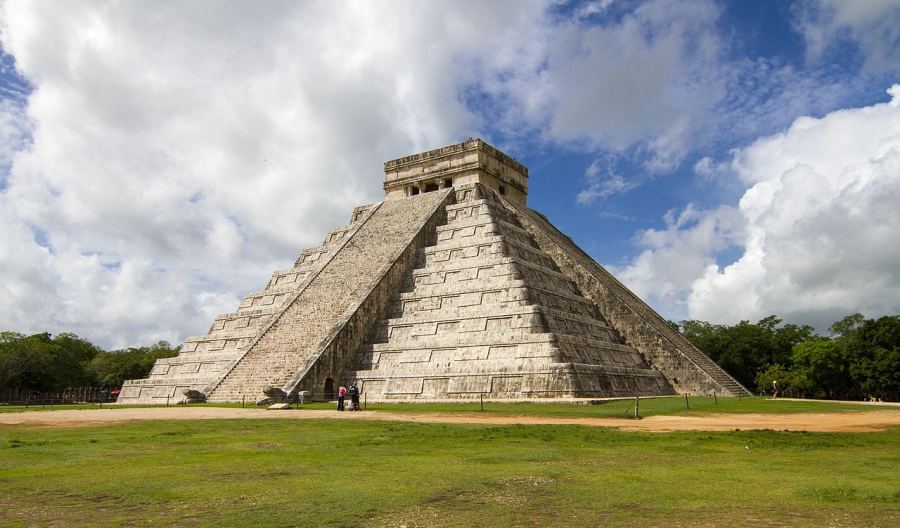
Located on Mexico’s Yucatan Peninsula, this site is one of the Maya civilization’s most famous and visited archaeological sites.
The ancient city flourished between the 6th and 10th centuries. It showcases a fascinating mix of Maya-Toltec culture in both its architecture and religious significance. The most famous structure is the Kukulcán Pyramid (El Castillo), an architectural masterpiece combining astronomical knowledge and cult rituals.
It’s also famous for the Temple of Warriors, the Ball Court, and the Sacred Cenote well, which were sites of ritual and religious ceremonies.
UNESCO added it to the World Heritage List in 1988, as the site is evidence of the Maya civilization’s outstanding technical and architectural achievements.
León Cathedral
Officially named the Basilica of the Assumption, it is Nicaragua’s and Central America’s largest and most impressive cathedral.
The building was constructed in the 18th century in baroque and neoclassical style, representing an outstanding example of Spanish colonial architecture in the region. The cathedral is both a religious center and cultural monument, an integral part of Nicaragua’s history and identity. It is the resting place of Rubén Darío, Nicaragua’s famous poet.
UNESCO declared it a World Heritage Site in 2011, as the building is not only architecturally significant but also a symbol of Latin American religious and cultural heritage. The cathedral is famous for its impressive roof structure, offering beautiful views of León city and the surrounding volcanoes.