The Faroe Islands are one of the most beautiful places in the world from a natural perspective. If you love hiking and mystical-looking locations, you must come here!
The Faroe Islands are a volcanic archipelago in the northern Atlantic Ocean, roughly halfway between Norway, Scotland, and Iceland. Inhabited since the Middle Ages, they belong to Denmark but have enjoyed broad autonomy since 1948.
Table of Contents
Best places in the Faroe Islands
Tórshavn
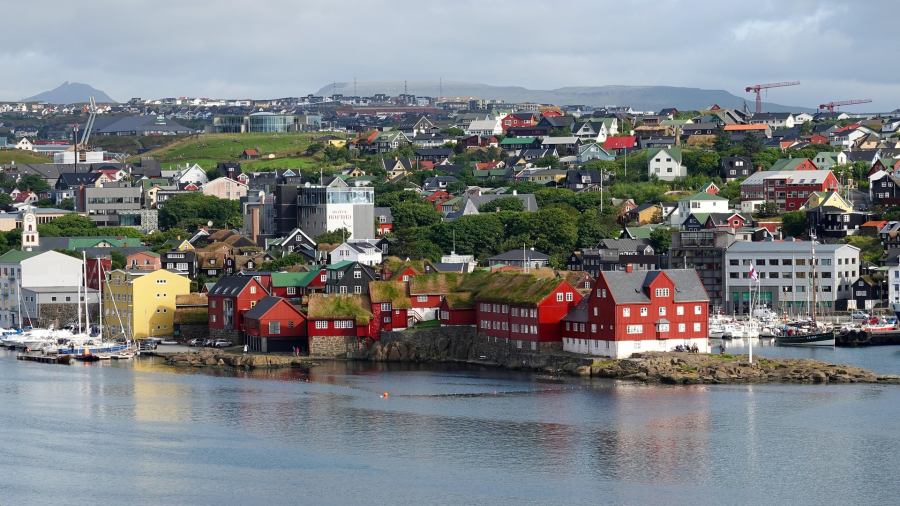
One of the world’s smallest capitals sits on the eastern coast of Streymoy island, where colorful wooden houses and grass-covered roofs create an enchanting sight. The city is the perfect starting point for exploring the islands while offering plenty of experiences itself.
Wandering through the narrow alleys of the Tinganes old town, you can step back in time. This historic quarter is the oldest part of the city, where 16th-17th century wooden houses have retained their original form. Walking among the red houses, you’ll understand why locals love this neighborhood so much.
The harbor area is always bustling with life. Modern restaurants line up alongside fishing boats, with fresh seafood dominating the menus. The nearby Skansin fortress provides excellent views of the city and sea, especially worth climbing up at sunset.
Múlafossur Waterfall
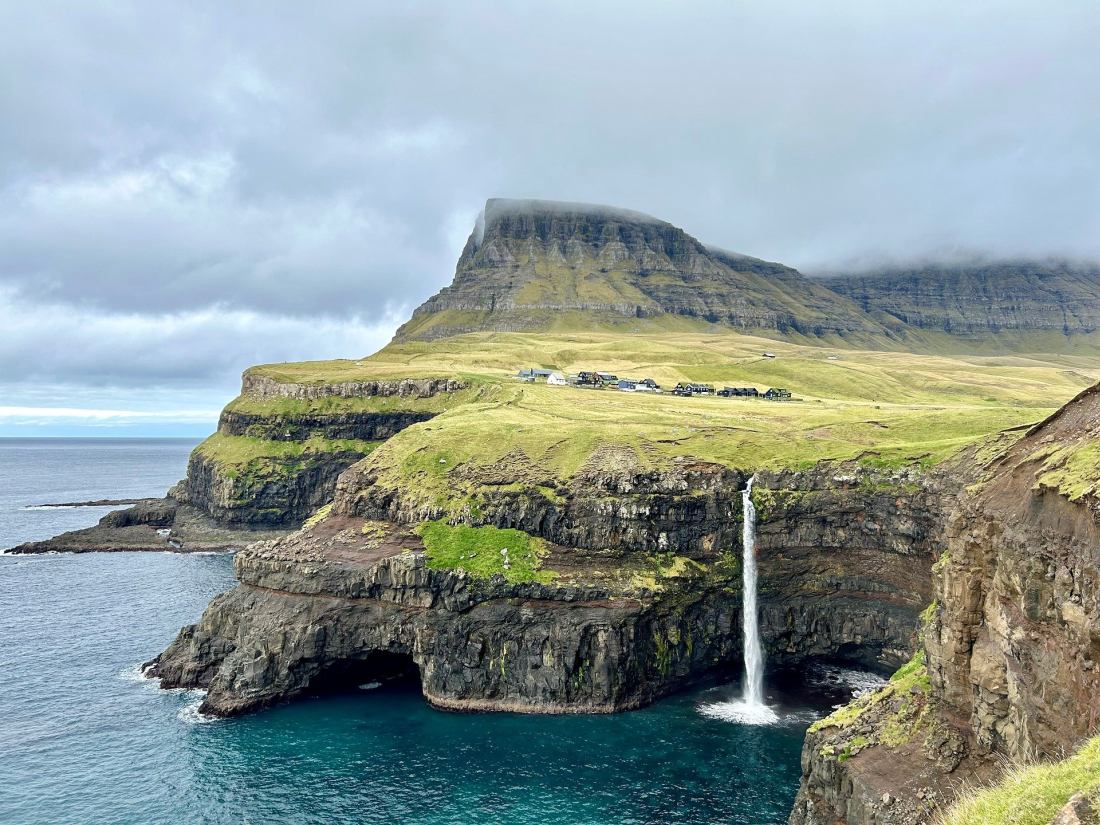
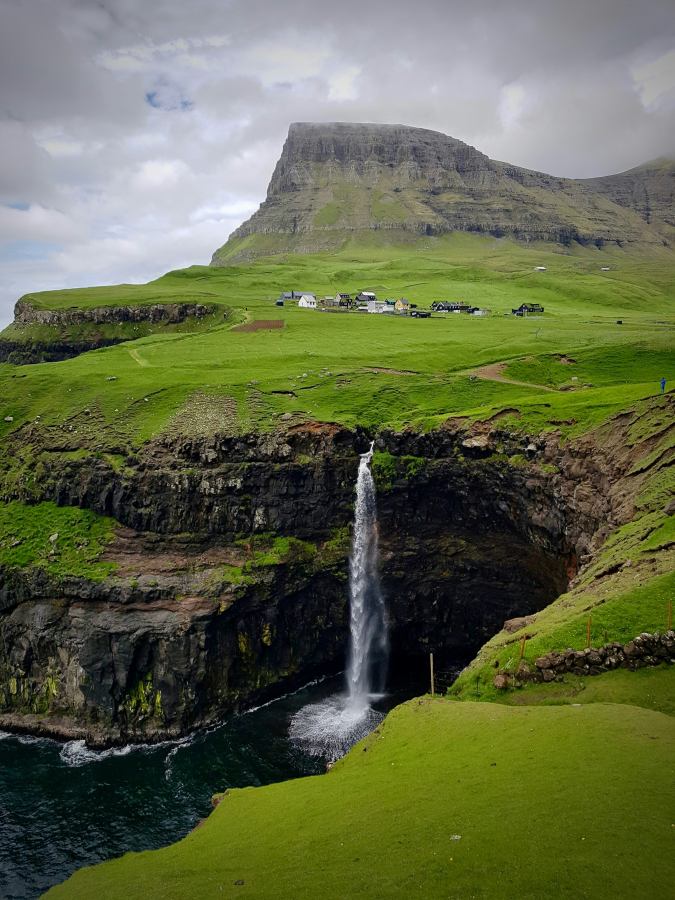
Located on the southern coast of Vágar island, images of this waterfall have already traveled the world. The sight of water plunging into the sea from sharp cliff faces exudes a different magic in every season.
Following the path from the nearby village of Gásadalur, an increasingly wonderful panorama unfolds before you. The waterfall is surrounded by dense fog and clouds most of the day, creating a mysterious atmosphere. This place is particularly popular among photographers, but hikers love it too.
The village was once accessible only by footpath, but a tunnel was built in 2004 that made travel easier. It’s worth taking time to explore the area around the village as well, because the landscape is simply magical.
Sørvágsvatn Lake
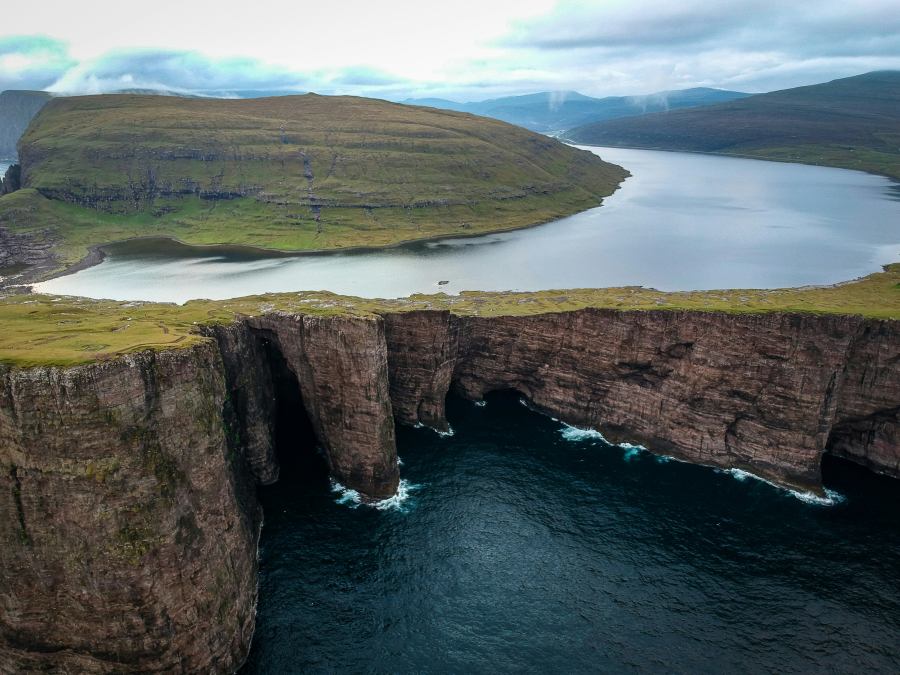
This unique lake creates an optical illusion, as if floating above the sea. In reality, it sits about 30 meters above sea level, but from the right angle, it appears to hover high above the waves. The attraction on Vágar island is easily accessible via a hiking trail.
During the hike, you follow a simple path suitable even for beginner hikers. The landscape is varied: pastures, rocky sections, and unparalleled viewpoints alternate. Reaching the lake shore, you’ll understand why this place became famous worldwide.
The nearby Trælanípa cliff wall looks down on the ocean from a stunning height. Many combine the lake hike with visiting the cliffs, so you can see both natural wonders in one trip. The wind can be very strong here, so it’s worth approaching the cliff edge carefully.
Gjógv
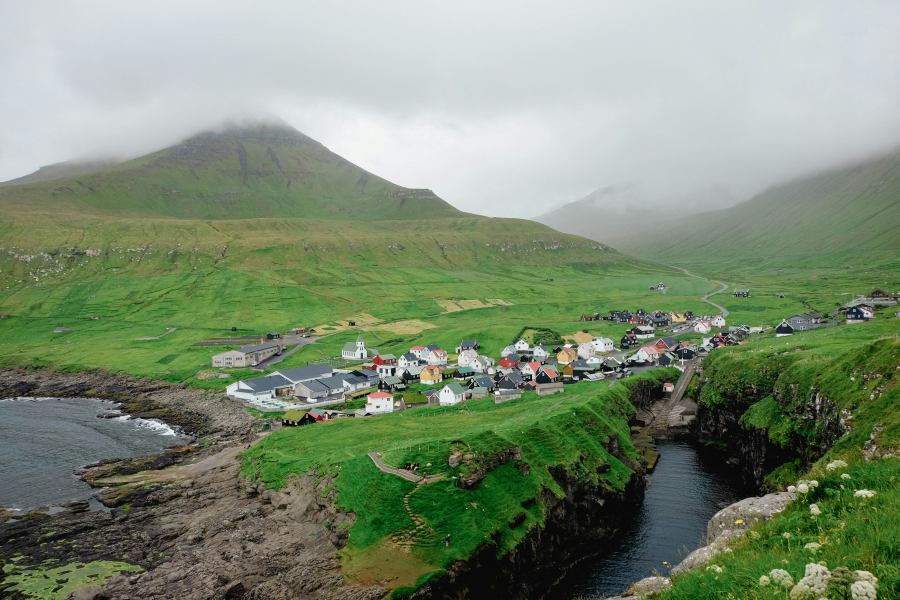
In the north, on Eysturoy island, lies this charming little village, which takes its name from a natural gorge in the cliffs. The gorge also serves as the village harbor, where fishing boats are protected from the open sea waves.
The village counts only a few dozen residents, but the hospitality here is enormous. Colorful houses line the hillside, their grass-covered roofs harmoniously blending into the landscape.
The area’s hiking trails offer excellent opportunities to explore the wildness of the island’s northern part. Summer is especially recommended for visiting, when the days are long and nature blooms in all its glory.
Kalsoy Island and Kallur Lighthouse
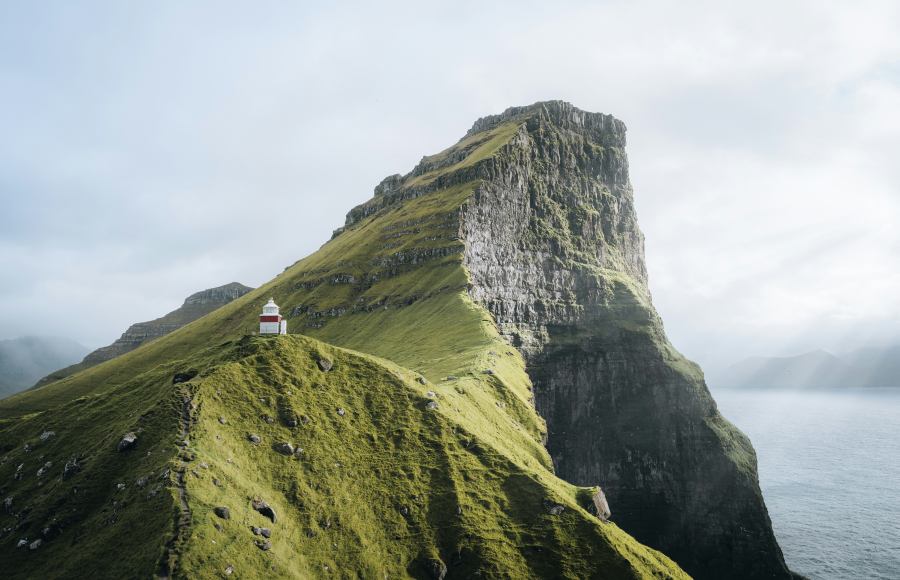
The island’s nickname is „the flute” – and not without reason, as its long and narrow shape resembles this instrument. The island, accessible through tunnels, hides four tiny villages where practically only sheep and birds roam. The lighthouse standing at the island’s northern tip is one of the most visited places in the Faroe Islands.
The hike to Kallur Lighthouse is moderately difficult, but the view is worth every step. Along the path, countless bird species nest in summer, including puffins. From the lighthouse, you’re greeted by views of endless ocean and green mountains in every direction.
You can reach the island by ferry, which is an experience in itself. During the journey, you can get close to the high cliffs and observe marine life. In stormy weather, the ferry service may be canceled, so it’s worth checking the weather and schedule in advance.
Vestmanna Bird Cliffs
The cliffs running along the western coast are a true paradise for bird lovers. On a boat tour, you can see bird colonies nesting on the high cliff walls up close, where thousands live together. The tour also takes the boat into caves and narrow passages if weather permits.
Masses of puffins, guillemots, and kittiwakes populate the cliffs. The birds’ screeching and the crashing waves create a unique sound concert. The vertical cliff walls rise to heights of several hundred meters, where cascading waterfalls and green vegetation form a colorful mosaic.
The tour is most interesting in spring and early summer when the birds hatch their chicks. The boat captains know the best spots precisely and gladly share local stories.
Saksun
This fairytale village sits in a natural amphitheater surrounded by high mountains.
The lagoon at the valley bottom changes its character with the tides, sometimes a lake, sometimes a muddy area. The village consists of just a few houses, but every building is beautifully preserved. The road leading to the village is an adventure in itself, narrow and winding, but offering beautiful views.
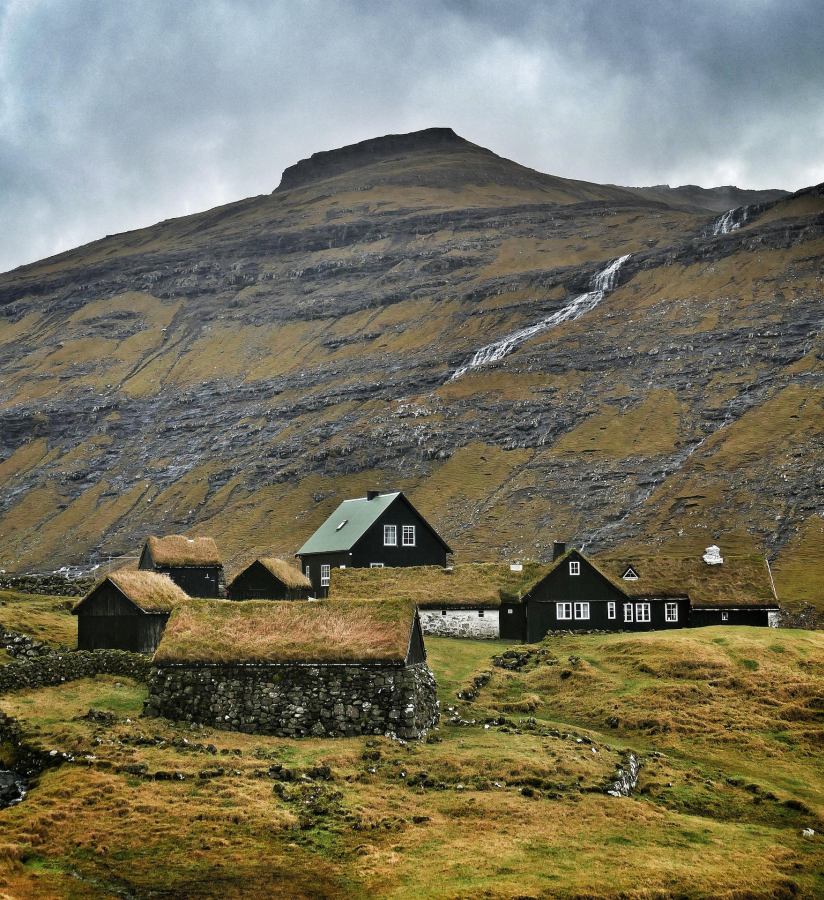
The old Dúvugarðar wooden house functions as a museum, showcasing traditional Faroese life. The grass roofs and traditional black-painted wooden walls perfectly illustrate how people lived here generations ago.
Mykines Island
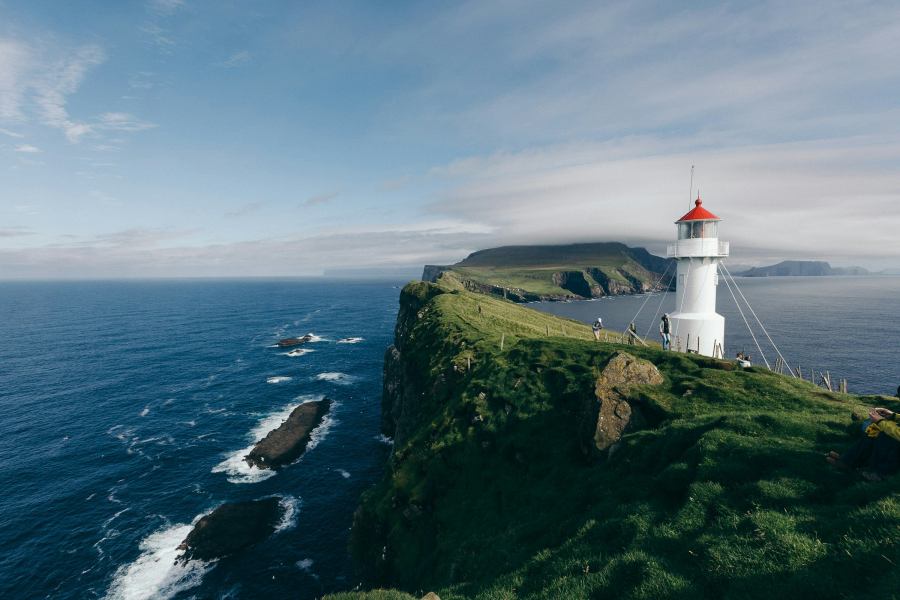
The westernmost island is one of the Faroe Islands’ most iconic places, where nature still reigns. The island can only be reached by ferry, and during stormy periods, travel becomes impossible for days. Only a few permanent residents live on the island, but tourists and researchers arrive in summer.
The puffin colonies are the island’s main attractions, especially on the small island of Mykineshólmur, accessible by a footbridge. From June to August, thousands nest here, entertaining visitors with their colorful beaks and comical movements. Bird watching here is an unforgettable experience.
Walking along the paths on the island, you can follow the coastal cliffs. The area around the lighthouse offers wonderful panoramas of the surrounding islands.
Tjørnuvík
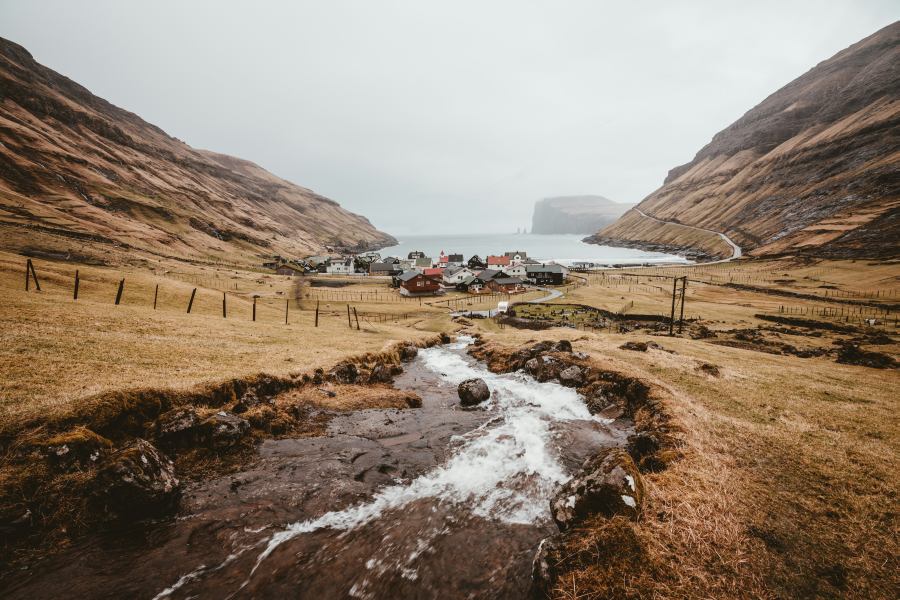
This northern village sits in the shadow of two massive sea stacks that, according to local legends, are trolls. The contrast between the black sand beach and green mountains creates a special sight.
The stacks called Risin og Kellingin are 71 and 68 meters tall, rising from the open ocean. Legend has it that a troll couple tried to tow the islands to Iceland, but sunrise turned them to stone. Hiking trails from the village offer excellent views of these natural wonders.
In summer, the village beach is popular among locals, though the water remains cold even then. The surrounding mountains’ hiking trails vary in difficulty, so everyone can find a suitable challenge.
Kirkjubøur
This historic village is the cultural heart of the Faroe Islands. The village’s soul consists of St. Olaf’s Church and the ruins of the unfinished St. Magnus Cathedral. The Roykstovan wooden house is reportedly one of the world’s oldest continuously inhabited wooden buildings, in use since the 11th century.
The Gothic-style remains of the ruined cathedral date from the 1300s, when construction halted. The functioning St. Olaf’s Church remains a site of religious ceremonies, and locals take pride in its historical significance.
The village coastline offers beautiful walking paths with views of Hestur and Koltur islands. The local family, living in the Roykstovan house for generations, sometimes gives demonstrations of traditional life. It’s easily accessible from Tórshavn by bus or car, making it a perfect half-day trip.
Funningur and Funningsfjørður
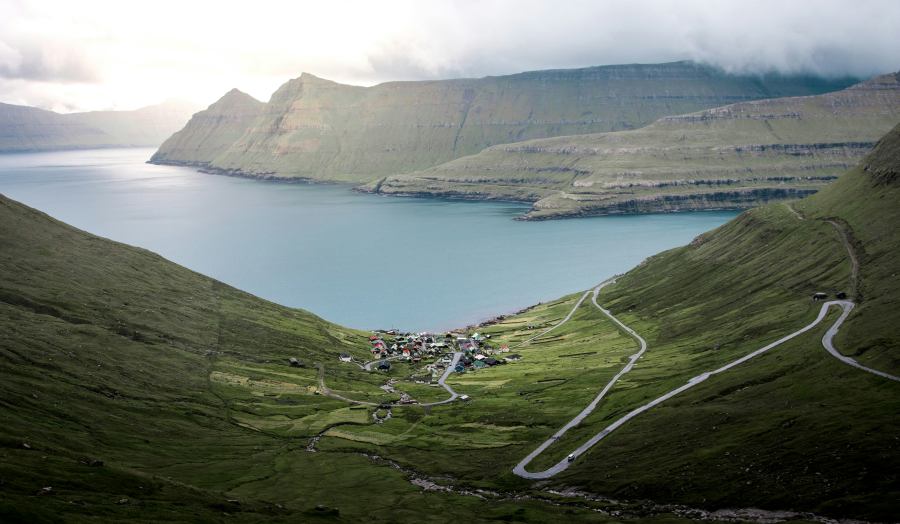
This twin settlement sits on the eastern coast of Eysturoy island, where locals live peaceful lives among the fjord’s bends. The road between the villages offers fantastic views of the sea and surrounding mountains.
Hiking trails from the villages lead up to surrounding peaks, from where a 360-degree panorama unfolds. Paved paths accompany the water along the coast, where small bridges and streams make the landscape diverse.
You can often see seals in the fjord, playfully swimming at the water’s surface. Fishing remains an important part of the local economy, and you’ll often see fishermen at work in the harbor. This area is less visited, making it ideal for those wanting to avoid crowds.
Slættaratindur
At 880 meters high, the Faroe Islands’ highest point is every hiker’s dream. The route to the summit on Eysturoy island contains sections of varying difficulty, but well-marked paths help climbers. On clear days, most of the islands are visible from the peak, and you can even see Iceland.
During the hike, you experience every element of the Faroese landscape: pastures, rocky sections, streams, and waterfalls. Vegetation gradually becomes sparse as you ascend. Rising fog often creates a magical atmosphere on the mountainside.
Routes to the summit start from different villages, but the most popular starts from Gjógv. In summer, the days are long, so you can even start the hike in late afternoon.
Drangarnir
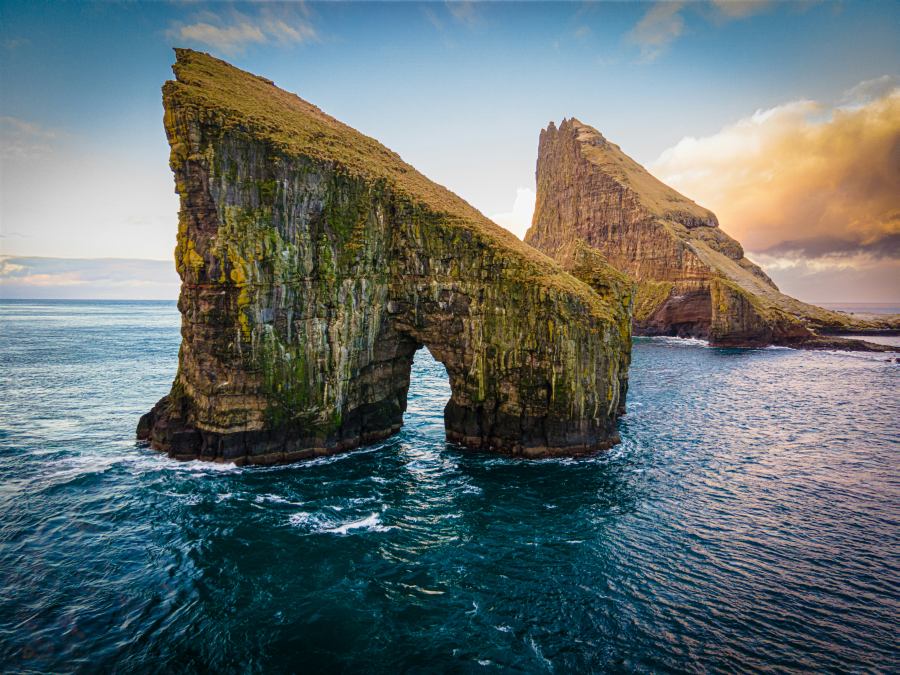
These two monumental sea stacks rise out of the Atlantic Ocean off the coast of Vágar Island.
The larger one is about 80 meters high, while the smaller one is 60 meters high. A natural stone bridge spans between the two stacks, creating a unique sight. A difficult hiking trail leads to the cliffs from the village of Sørvágur, which is recommended for experienced hikers.
Walking along the coastal cliffs, you will find wonderful viewpoints where the meeting of water and stone creates a unique panorama.