Argentina is a diverse and wonderful country, with many forms of nature and culture. Take a look at 14 wonderful sights!
Argentina is located on the eastern side of South America’s narrow southern tip, between the Andes mountain range and the Atlantic Ocean. It is bordered by Chile to the south and west, Bolivia and Paraguay to the north, and Brazil and Uruguay to the northeast. Until the mid-20th century, the country was shaped by immigration from Europe, especially Italy and Spain.
Table of Contents
Best places in Argentina
Buenos Aires
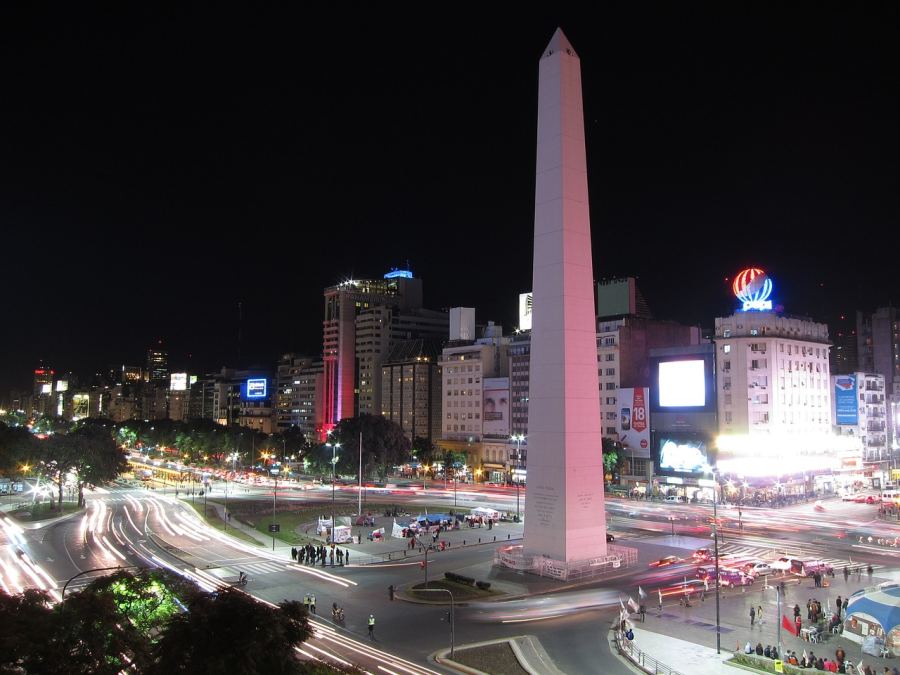
Argentina’s capital, Buenos Aires, is one of Latin America’s largest cities and the birthplace of tango.
The city is a major cultural hub with numerous museums, libraries, theaters, and cinemas. It boasts more statues and fountains than perhaps any other city in the world.
The most distinctive neighborhood is La Boca, known for its colorful buildings, tango, and the Boca Juniors football club founded here.
Another notable site is the Recoleta Cemetery, Argentina’s most famous cemetery, where many famous individuals, including presidents and Nobel laureates, are buried. Unlike traditional cemeteries, it is a „city” of ornate crypts.
Mendoza
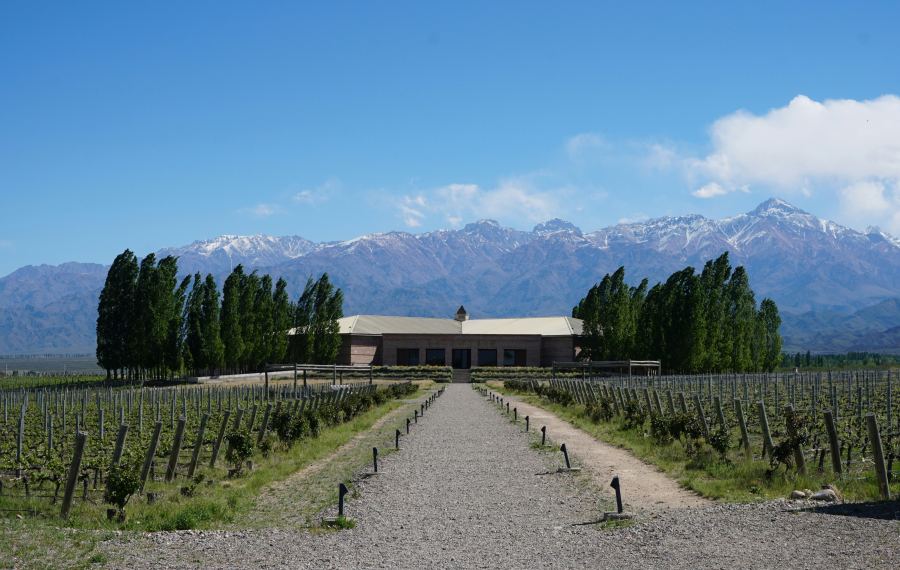
Located in western Argentina at the foot of the Andes, Mendoza is one of the country’s most important cities.
It is renowned for its wines, especially the Malbec variety, making it a central region for one of the world’s most significant wine-producing areas. The grape variety, originally from France, reached its full potential and fame here.
Mendoza is also a starting point for adventure tours, attracting visitors for mountain climbing, skiing, or rafting. The Aconcagua, the highest peak in the Americas, rises not far from the city.
Iguazu Falls
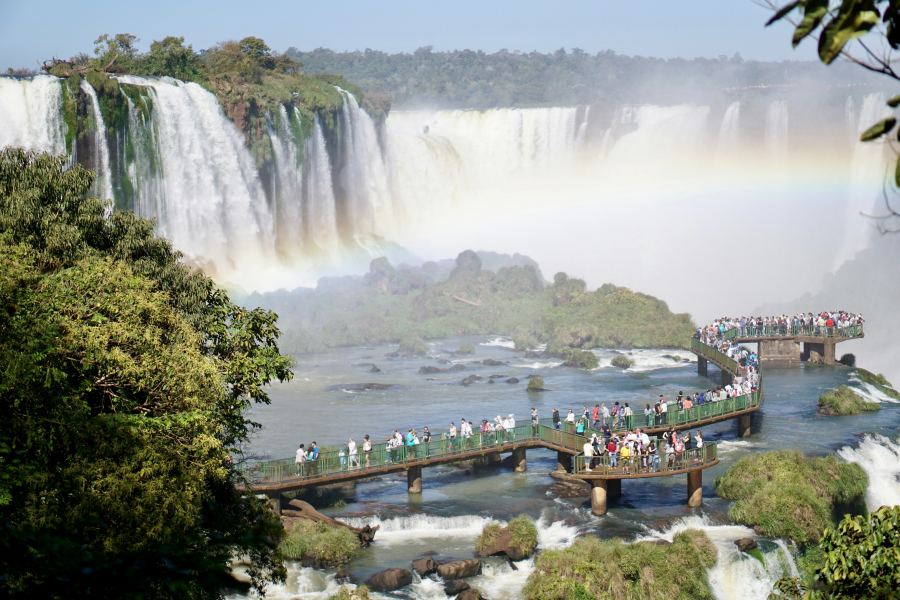
One of the world’s most famous waterfalls lies on the border between Argentina and Brazil.
Iguazu Falls comprises 270 separate cascades and smaller waterfalls stretching 2.7 kilometers across the river. The water drops a maximum of 82 meters, with an average height of 60 meters.
Its highest drop, the Union, plunges into the Devil’s Throat chasm. This breathtaking natural beauty attracts millions of tourists annually and has been a UNESCO World Heritage site since 1984.
Puerto Madryn
A picturesque coastal city in the Patagonian region, situated on the shores of the Golfo Nuevo.
While the town itself is a significant tourist destination, the main attractions are found in the surrounding areas: the UNESCO World Heritage Site of the Valdés Peninsula, Punta Tombo, the El Doradillo and Punta Loma nature reserves, and the lower valley of the Chubut River.
The region is particularly famous for whale-watching season when southern right whales come to the area to breed. Visitors can also encounter sea lions, seals, penguins, and dolphins.

Ushuaia
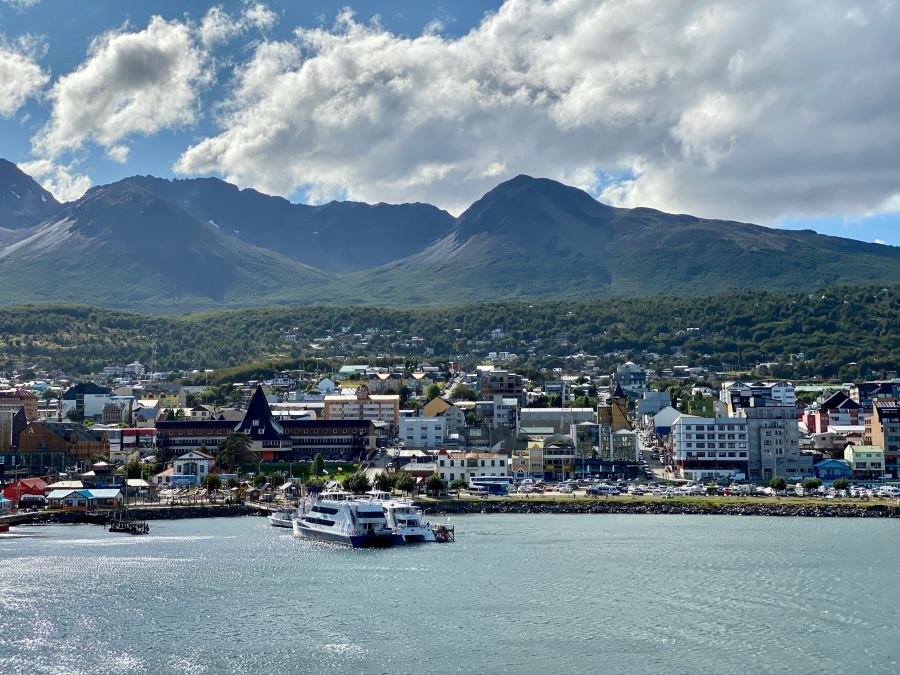
Located on the southern coast of the main island of Tierra del Fuego, Ushuaia is generally considered the world’s southernmost city, attracting visitors for this reason.
Its port serves as a major departure point for expeditions to Antarctica, making it an important stop for many travelers.
Mar del Plata
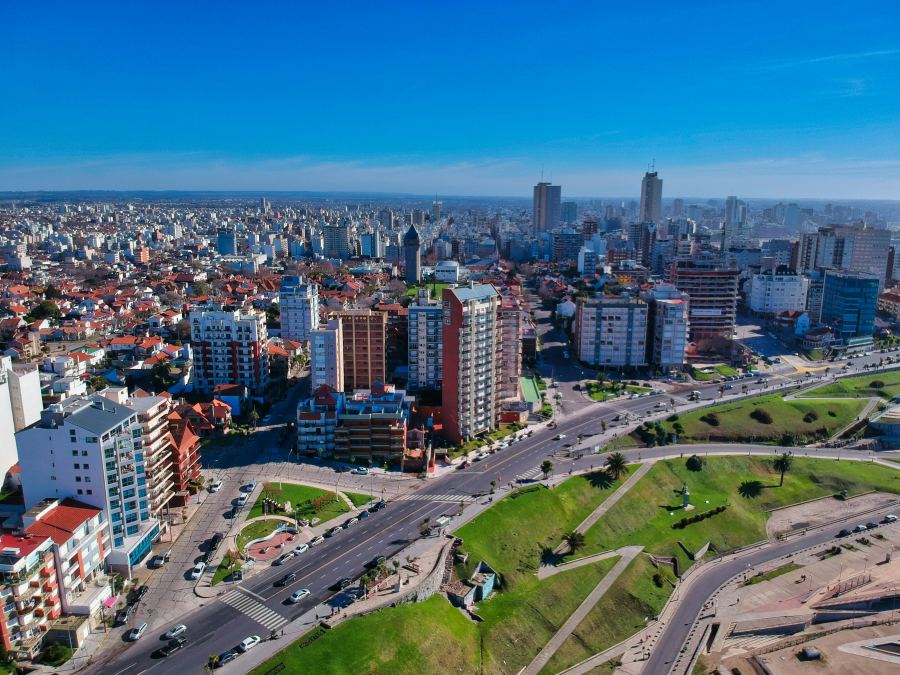
One of Argentina’s most popular seaside resort cities, Mar del Plata is located about 400 kilometers south of Buenos Aires, on the Atlantic Ocean coast.
The city is famous for its sandy beaches and vibrant nightlife. The most well-known beach areas include Bristol Beach, Playa Grande, and La Perla. Each of these beaches features fine sand, attracting many visitors during the summer months.
From an urban planning perspective, Mar del Plata is unique. The city is divided into hundreds of regular squares by straight streets, except for the coastal boulevard that follows the curve of the shore.
Córdoba
Argentina’s second-largest city is located in the central part of the country.
Córdoba boasts a rich historical and cultural heritage, reflected in its colonial-era buildings, baroque-style churches, and modern urban infrastructure.
Key attractions include the Córdoba Cathedral, built in the 16th century, and the Jesuit Quarter, a UNESCO World Heritage site, which was the center of Jesuit missions. The Manzana Jesuítica (Jesuit Block) is a major tourist attraction, featuring the famous National University, the Iglesia de la Compañía church, and the Collegio Nacional de Monserrat.
The surrounding Sierras de Córdoba mountains offer excellent opportunities for nature lovers. The nearby Punilla Valley and Calamuchita Valley are popular among tourists for their scenic beauty.
El Calafate
The town serves as the gateway to Los Glaciares National Park, a UNESCO World Heritage site, and is home to the famous Perito Moreno Glacier.
Located in a picturesque setting on the shores of Lake Argentino, the town offers stunning views with its crystal-clear waters and surrounding mountains. El Calafate is named after the calafate berry, a local plant, and legend has it that those who eat it will return to Patagonia.
The town is also home to the Glaciarium, a modern visitor center and museum that provides detailed information about the region’s glaciers and the effects of climate change.
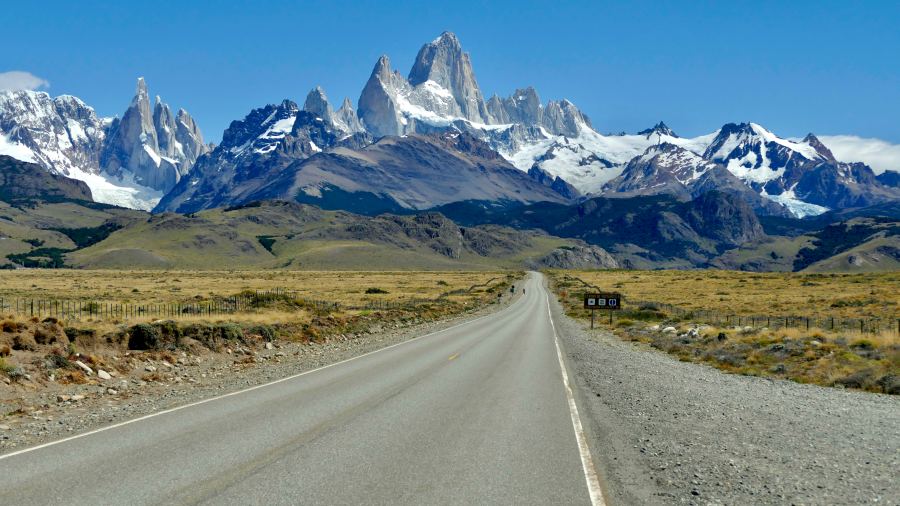
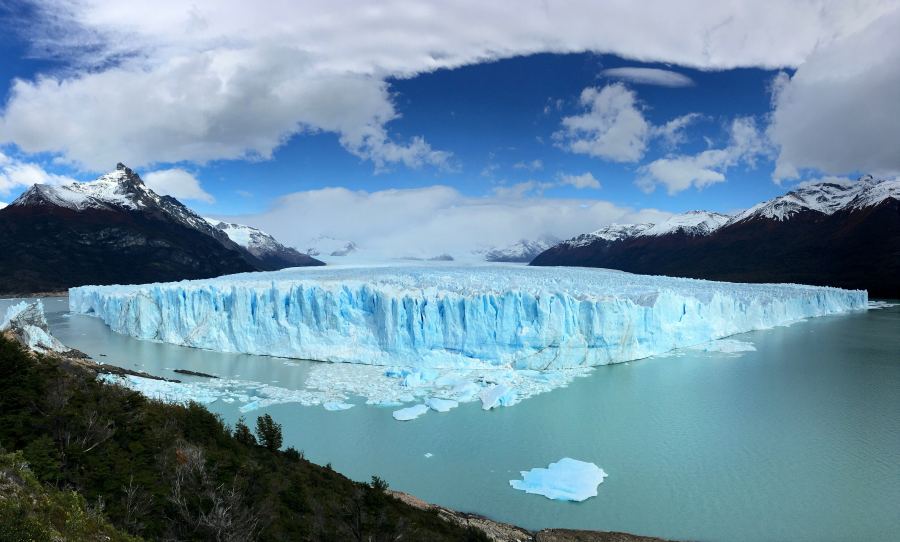
Perito Moreno Glacier
Located in the Los Glaciares National Park in the southwestern part of Santa Cruz Province, this glacier is one of Patagonia’s most famous tourist attractions.
The glacier’s terminus is 5 kilometers wide and rises 60 meters above the water, with a total height of 170 meters. It advances at a rate of 2 meters per day. At its deepest point, the glacier is approximately 700 meters deep.
One of the most spectacular events visitors can witness is the glacier rupture, where chunks of ice break off and plunge into the lake, accompanied by a loud noise and a dramatic splash.
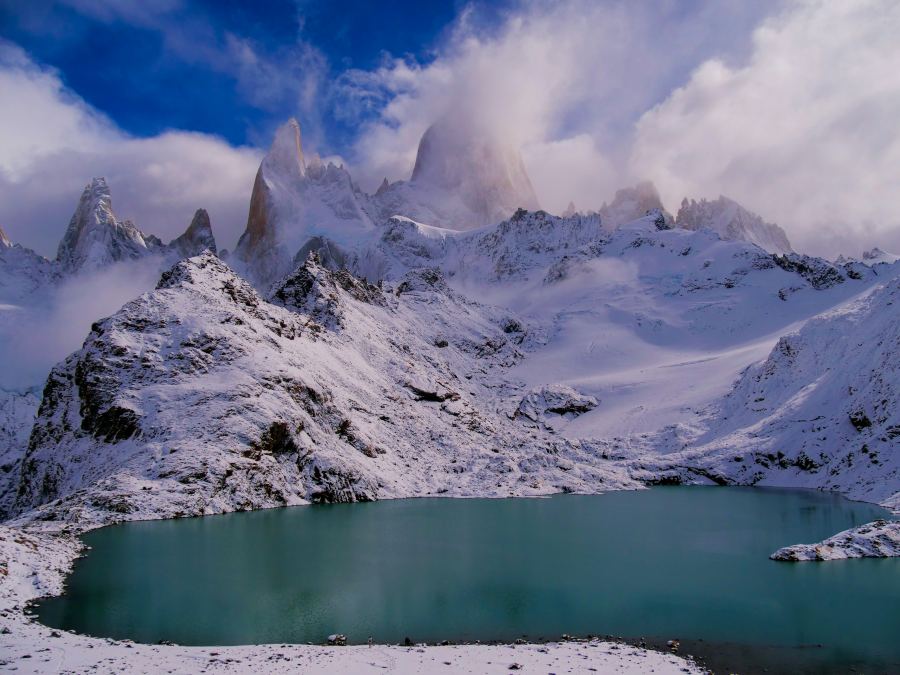
Laguna de los Tres
This lake is one of the most popular hiking destinations in Los Glaciares National Park due to the breathtaking panorama provided by Mount Fitz Roy and the surrounding glaciers.
The name refers to the three peaks near the lake: Fitz Roy, Poincenot, and Torre. The hike usually starts from El Chaltén, a small mountain village. From there, it is about a 10-kilometer, moderately difficult trail to the lake.
The view is most spectacular at sunrise when the peaks of Fitz Roy are bathed in orange and pink hues by the rising sun. Many hikers arrive the day before and camp near the lake to make the early morning hike and witness this natural wonder.
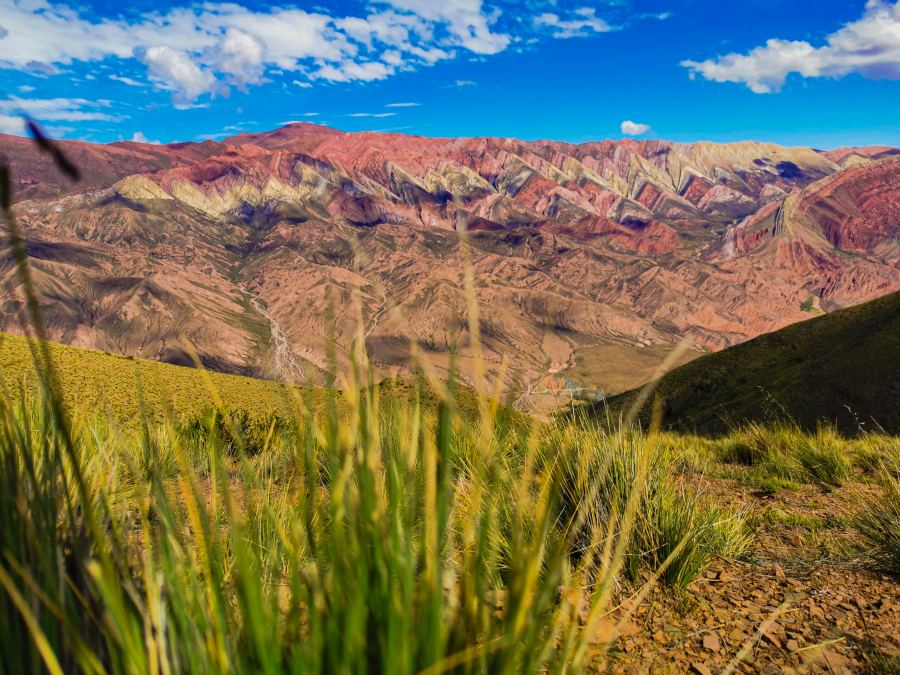
Quebrada de Humahuaca
The valley is located in the Andes mountain range and is a UNESCO World Heritage site due to its historical and natural significance.
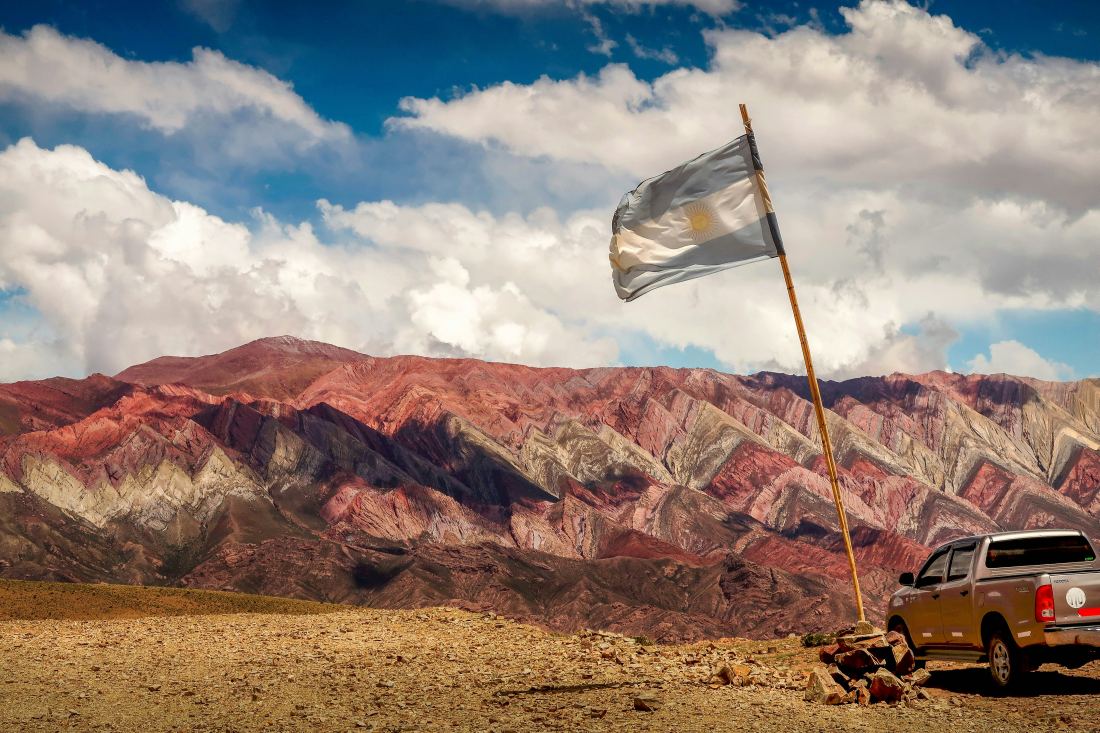
The over 150 km long valley is renowned for its stunningly colored rock formations, created by the deposition of various minerals over geological ages. Its most spectacular part is the Cerro de los Siete Colores, or the Hill of Seven Colors. Its vibrant layers consist of different minerals, giving it a unique, colorful appearance.
The town of Humahuaca is situated at the heart of the valley and has preserved its historical character. Major tourist attractions include the main square, Plaza de la Independencia, the town hall, the antique church, and the monument to the heroes.
Salta
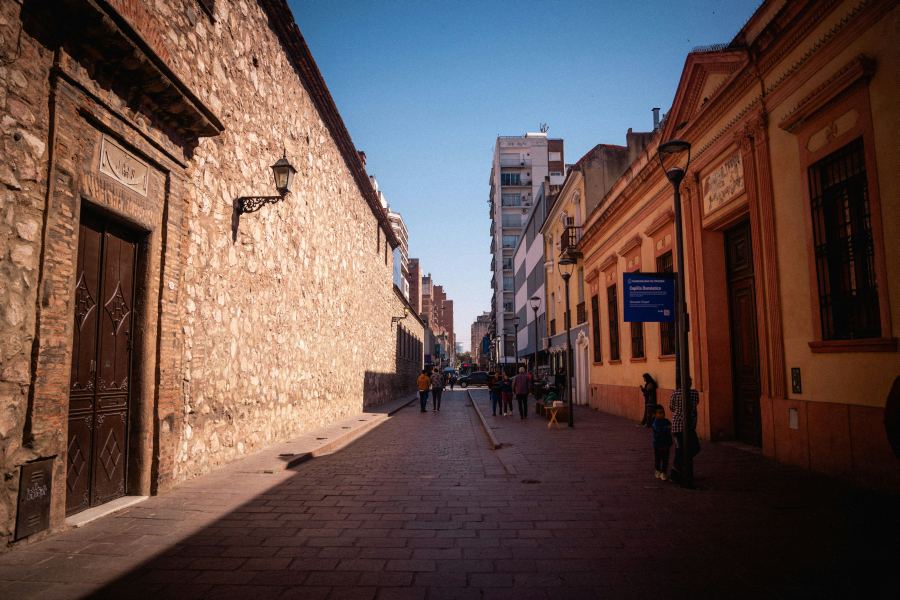
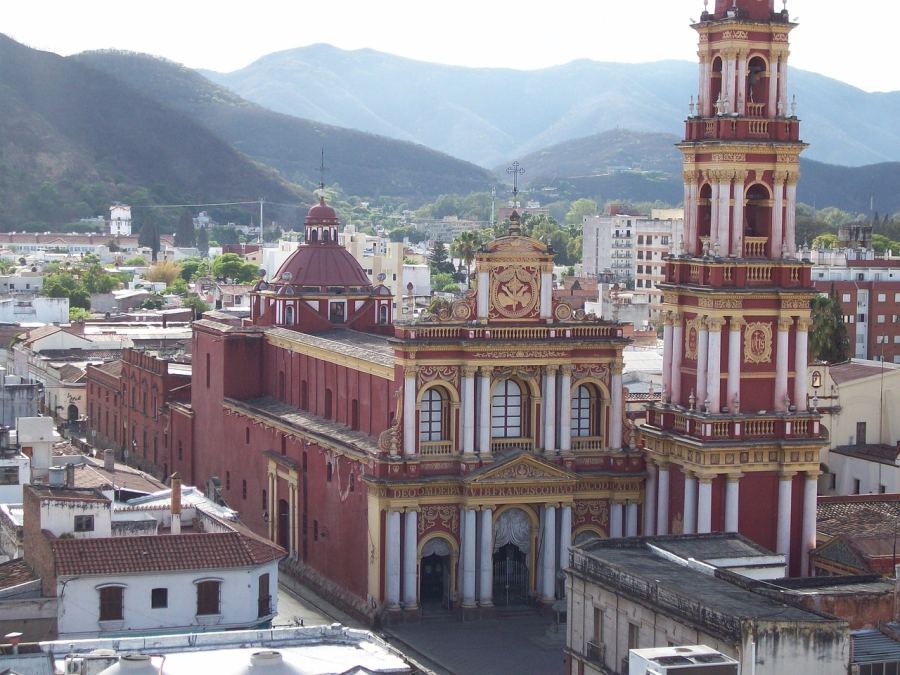
The city is famous for its colonial architecture, cultural heritage, and stunning natural surroundings, making it an attractive destination for tourists.
Founded in 1582, the city’s main square features a neoclassical cathedral and the famous Cabildo, the former town hall. Today, the Cabildo functions as a museum showcasing the region’s history and culture.
One of the city’s most important cultural institutions is the Museum of High Altitude Archaeology (MAAM), specializing in high-altitude archaeology. The museum houses the famous Llullaillaco Children, three Inca mummies that were discovered at the world’s highest archaeological site and are exceptionally well-preserved due to the mountain conditions.
Salta is also renowned for its cuisine, a blend of Andean and Spanish influences. Local dishes include locro (a meat and bean stew), empanadas salteñas (stuffed pastries), and humita (a corn-based dish).
Tren a las Nubes
One of the most spectacular railway lines in South America, its name means „Train to the Clouds,” inspired by the frequent occurrence of fog and clouds during the high-altitude journey.
The route travels through the Andes mountains and is one of the highest railway lines in the world, reaching an altitude of 4,200 meters. It starts in the city of Salta and spans over 400 kilometers.
Along the journey, the train passes through the Quebrada del Toro valley and over the stunning La Polvorilla viaduct, which is the highest point of the route. The viaduct is 63 meters high and 224 meters long, offering breathtaking views of the surrounding mountains and valleys.
Trevelin
The town is located near the Los Alerces National Park, which is a UNESCO World Heritage site, known for its mountains and lakes.
Trevelin is unique for its rich Welsh cultural heritage, brought by Welsh settlers who arrived in the late 19th and early 20th centuries. The town’s name derives from the Welsh words „tre” (village) and „velin” (mill), reflecting its agricultural past. The Nant Fach Mill Museum, a functioning water mill, showcases the milling techniques and tools from that era.
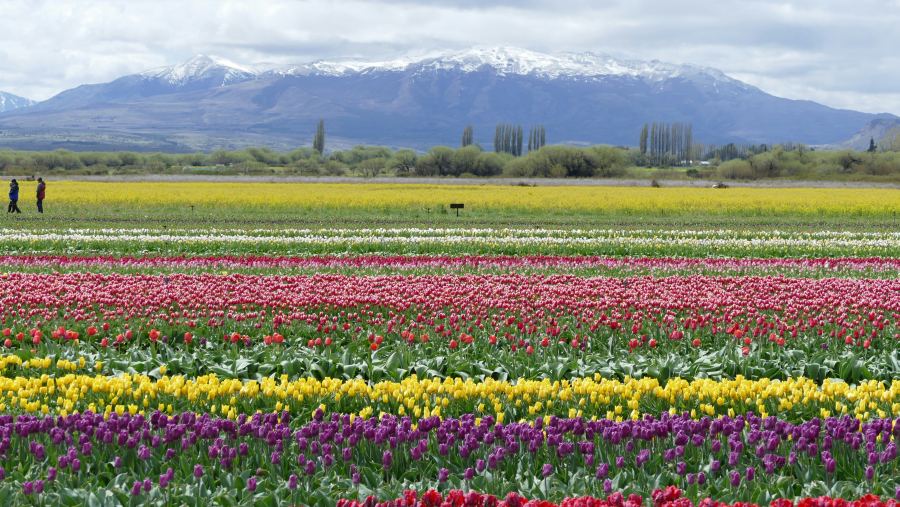
The town hosts several cultural events and festivals throughout the year, celebrating local traditions and Welsh heritage. The most notable of these is the Fiesta del Tulipán, which celebrates the spring tulip bloom.