As an extension of the Croatian Adriatic, Montenegro also boasts many beautiful sights. Don’t think it’s just for beach holidays! Montenegro has many stunning natural attractions as well!
Montenegro’s 240 kilometres of coastline have long been a tourist destination. Its attractive landscapes, picturesque old stone houses and beaches attract tourists from home and abroad. It is bordered by Croatia to the west, Bosnia and Herzegovina to the north-west, Serbia to the north-east, Kosovo to the east and Albania to the south-east.
Table of Contents
Best places in Montenegro
Kotor
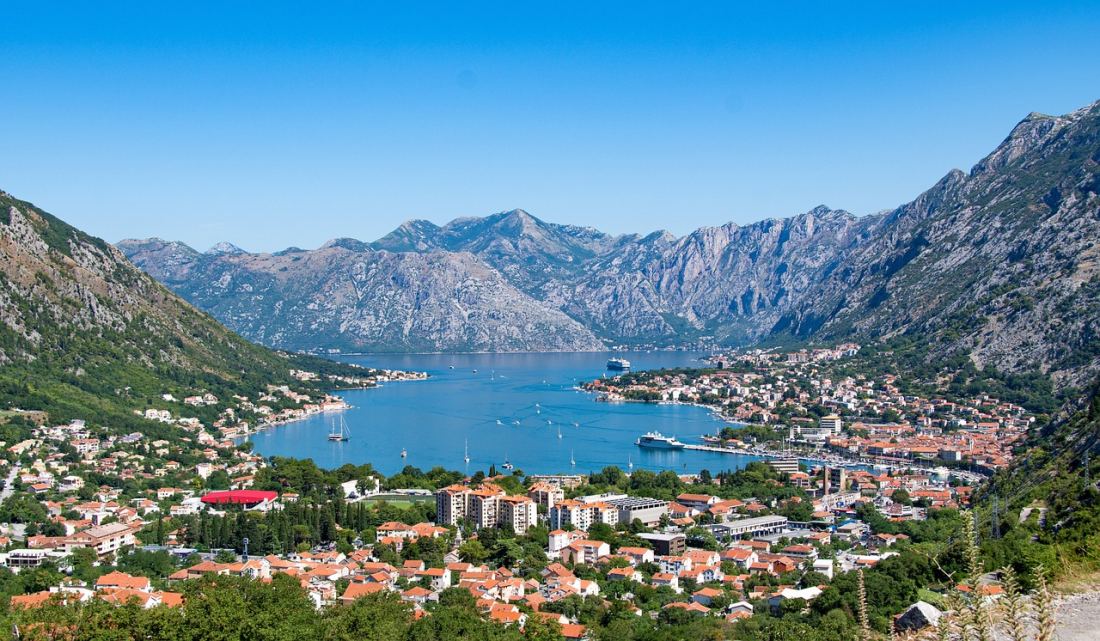
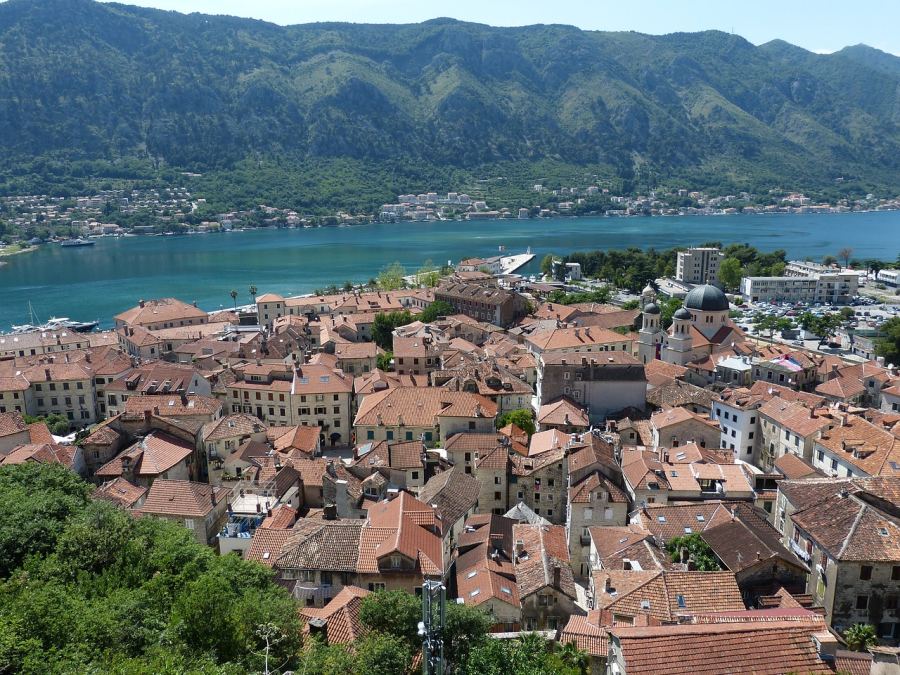
What better place to start than with Montenegro’s iconic location, Kotor? The city lies in the bay of the same name, embraced by mountains ranging from 1000 to 1700 meters in height.
Kotor’s old Mediterranean port and the surrounding city walls, built by the Serbian Nemanjić dynasty, are well-preserved and under UNESCO protection. The city’s appearance is significantly influenced by centuries of Venetian rule.
The medieval city walls stretch up to the fortress of Saint John (Sveti Ivan) at 260 meters, where a somewhat exhausting climb rewards you with a magnificent panorama of the city and the entire Bay of Kotor.
Ostrog Monastery
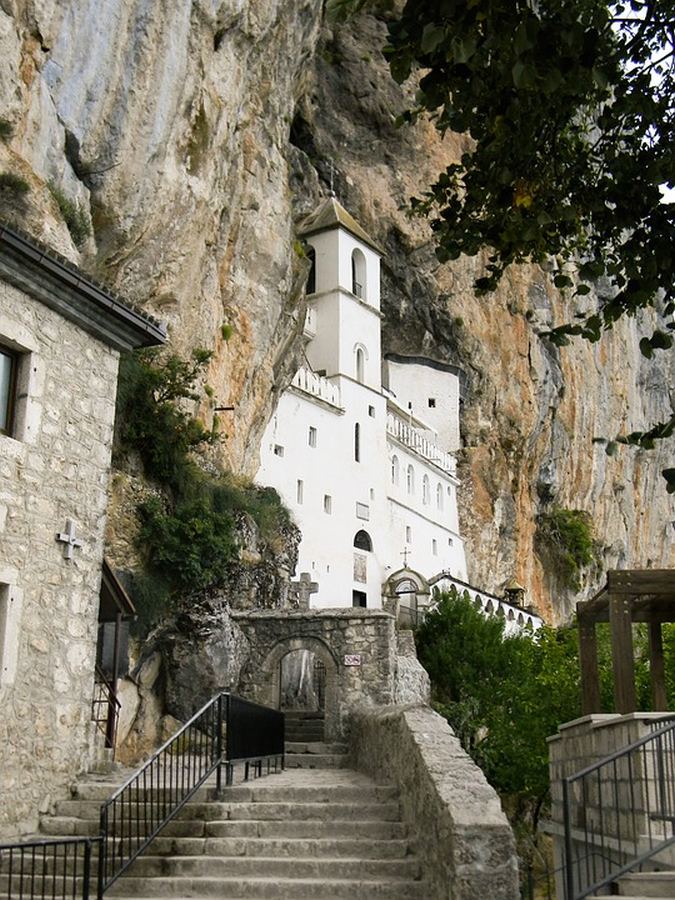
This Serbian Orthodox church is located between Podgorica and Niksic and is Montenegro’s most popular pilgrimage site and one of the most visited churches in the Balkans.
Built in the 17th century into a cliff by the Bishop of Bosnia-Herzegovina, Saint Basil of Ostrog, it’s where he also died, and his body is still kept in the monastery.
The drive there is beautiful, with great views from the serpentine road, and the road quality is pretty good, making the ascent easy.
Budva
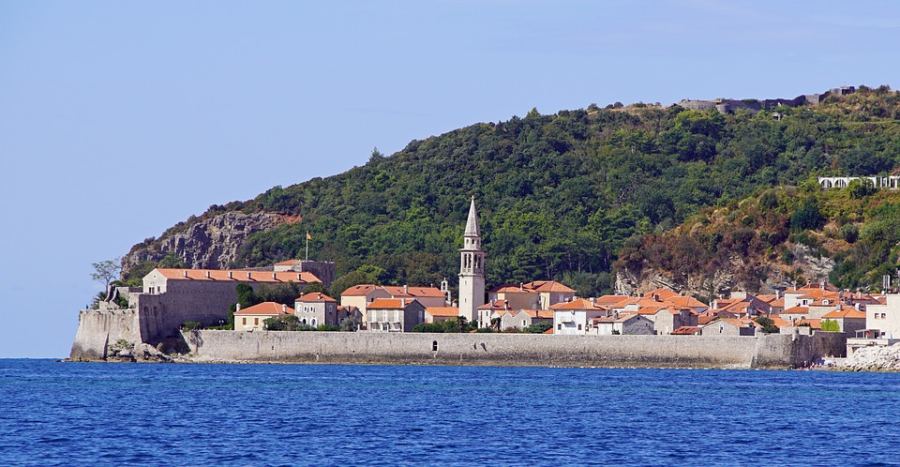
Another tourism stronghold of Montenegro, alongside Kotor. Besides natural beauty, such as islands and picturesque coastlines, Budva is rich in historical memories.
The old town lies on a small peninsula and is a cradle of cultural heritage. Narrow streets intersect with small squares and famous buildings like the Holy Trinity Church, housing the tomb of writer Stjepan Mitrov Ljubisa, and the churches of Sv. Ivan, Sv. Bogorodica, and Sv. Sava.
Venetian-built city walls enclose the old town, drawing comparisons to the Croatian city of Dubrovnik.
Sveti Stefan
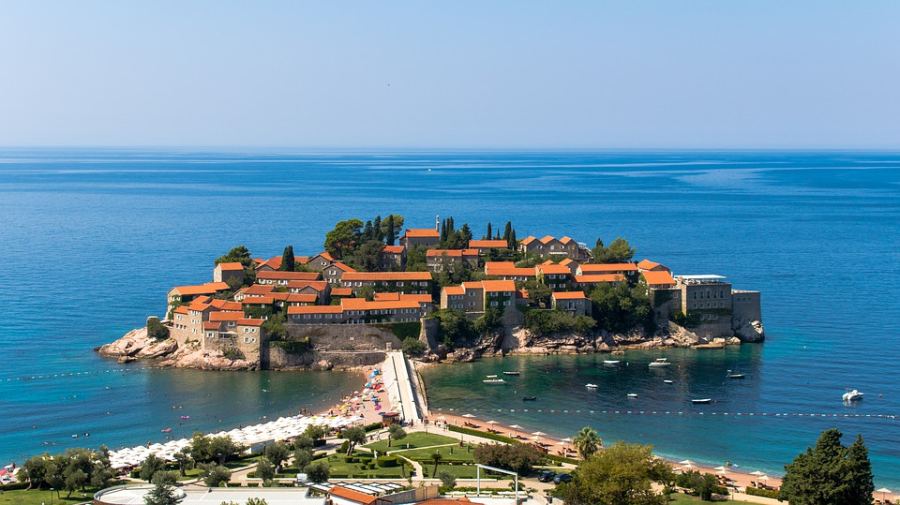
Close to Budva, don’t miss the small island of Sveti Stefan, just 8 km from the old town.
The name refers to a small island that is a hotel complex. Near the entrance is the pebbly beach of the same name, one of Montenegro’s most popular beaches.
The hotel is high-end, offering houses instead of rooms. Be prepared for a significant expense…
Gospa od Škrpjela Church
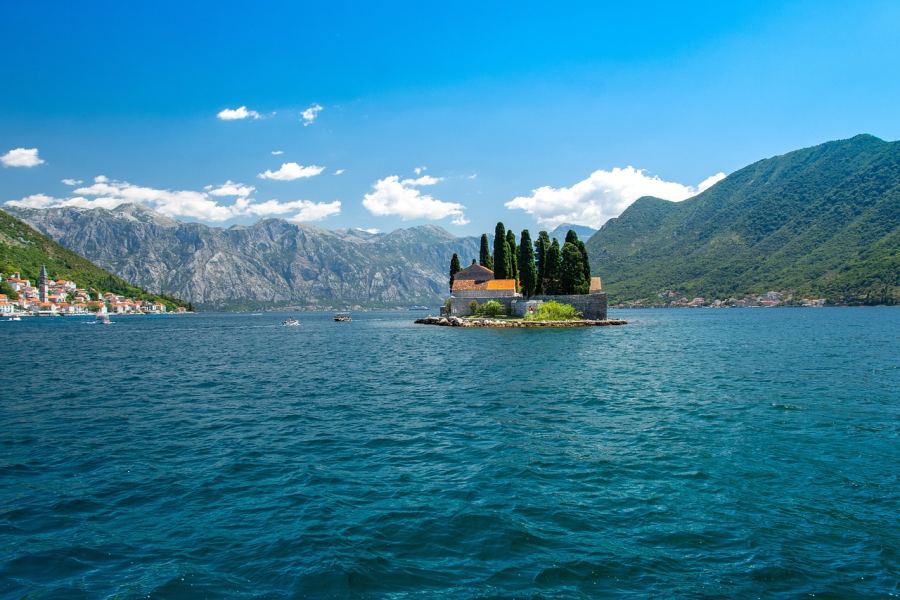
In the Bay of Kotor lies a small island with the Church of Our Lady of the Rocks. The island offers a fantastic view.
Legend has it that Kotor sailors threw a rock into the sea after each successful voyage as thanks to God, eventually forming this small island.
This legend is celebrated every July 22nd, the feast day of Madonna, the island’s patron saint.
The small museum inside the church is worth a visit to learn about the island’s history.
Long Beach (Velika plaža)
In Montenegro’s south, near the Albanian border, stretches the country’s longest Adriatic beach.
Near Ulcinj town, the coastal strip is about 10 km long. Its advantage is the fine (grey) sandy and shallow shoreline, ideal for families with small children.
The further you go from Ulcinj, the quieter the beach becomes. The farthest part of the beach is near Bojana Island, close to the Albanian border, where tranquility is accompanied by a few restaurants and not much else.
Perast
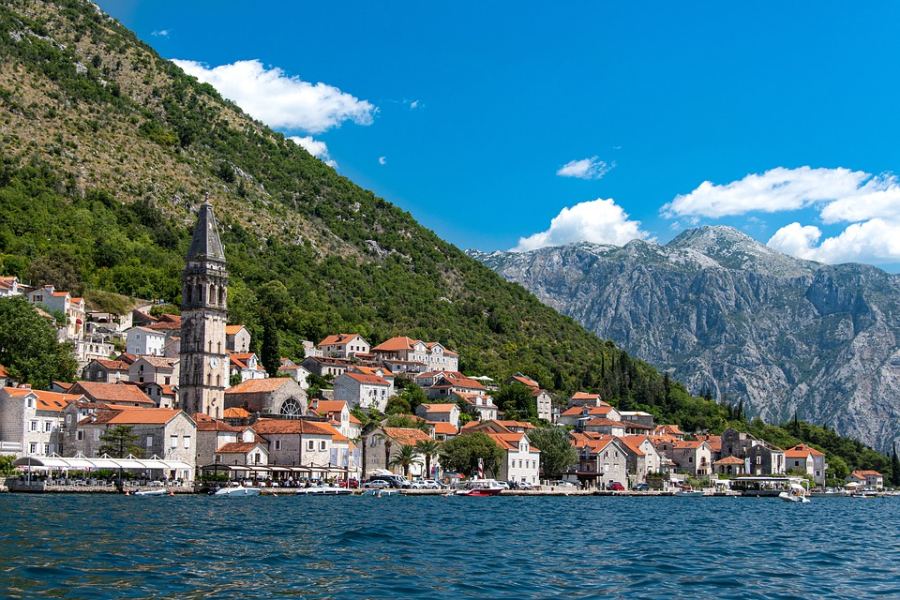
Though we might be inclined to declare Kotor as the most beautiful town in the Bay of Kotor, Perast could also claim this title!
The aforementioned Church Island and the neighboring Saint George (Sveti Dorde) Island both belong to the town, each an integral part of Perast. I didn’t group the church and the town together because each, individually, is one of Montenegro’s most beautiful places.
Perast is a truly peaceful little town, especially since car traffic is restricted in the summer, allowing pedestrians to leisurely explore the attractions.
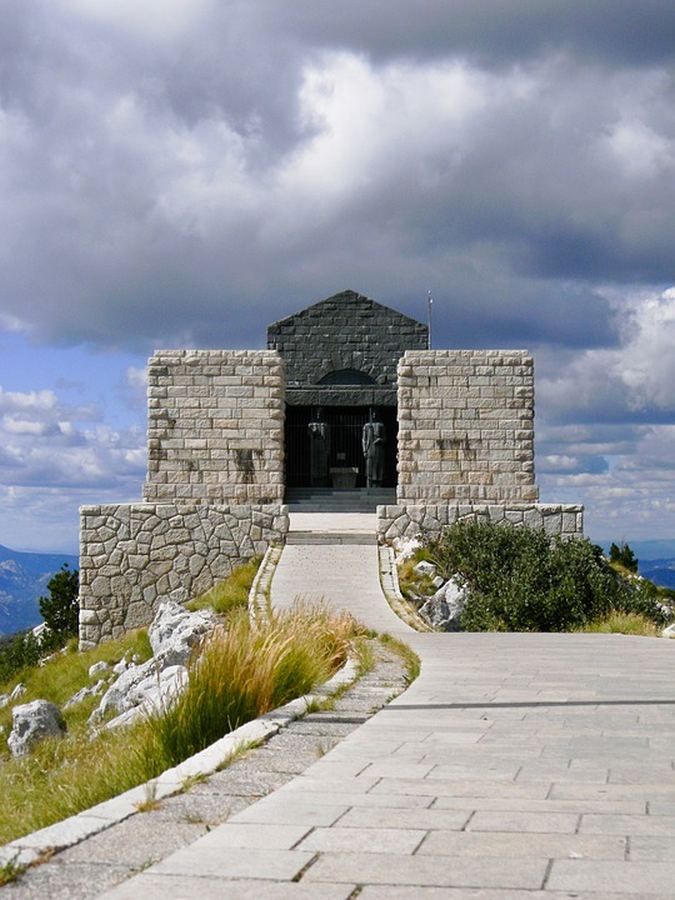
Njegos Mausoleum (Lovcen National Park)
It’s rare to find a mausoleum on the highest mountain of a national park. Well, in Montenegro, you can experience this!
Located near Kotor on a mountain peak, it is the burial place of the famous philosopher-poet Petar Petrović-Njegos, a significant figure in Montenegrin history, making it a popular site for locals.
Besides, the panorama from the peak, over 1700 meters high, is a must-see! You can see the Bay of Kotor, reach views into Albania, and allegedly, on a very clear day, even Italy.
Be prepared for a bit of a climb though: nearly 500 steps to reach this breathtaking view.
Skadar Lake (Shkodrai Lake)
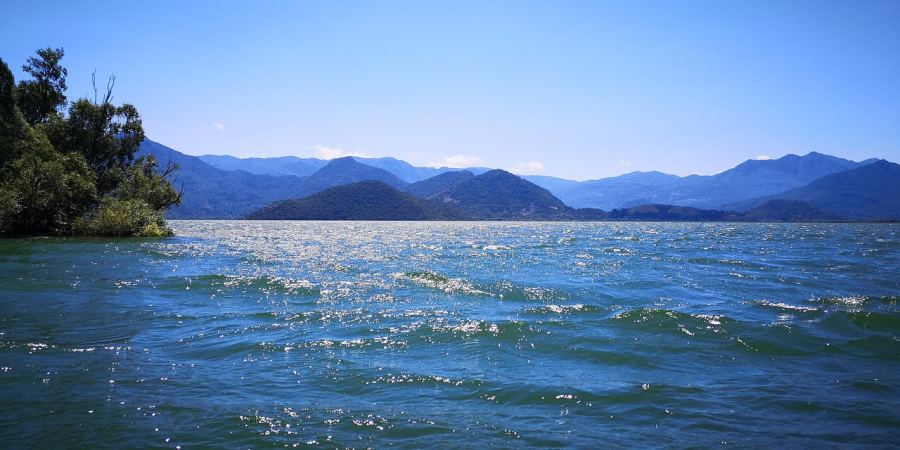
The largest lake on the Balkan Peninsula stretches into Albania.
Especially its northern part, near Podgorica, is canyon-like, offering several spots for stunning views. One of the most accessible viewpoints is Pavlova Strana, where the river flowing from the lake resembles the Danube Bend.
The lake is a rich habitat for wildlife, being one of Europe’s richest bird reserves, home to about 270 species, making it a great spot for bird watching.
Lipa Cave
Located not far from the main road between Budva and Podgorica, near the village of Lipa, this cave offers a 2.5 km trek underground, where they even organize music concerts.
The well-developed cave features various sizes and shapes of stalactites and stalagmites, similar to Aggtelek, with excellent guided tours.
Durmitor National Park
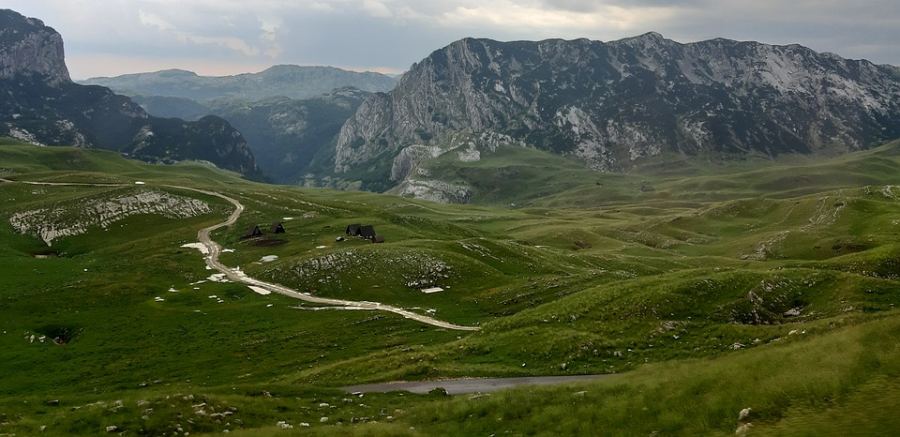
A bit off the beaten path, close to the Serbian-Bosnian border, this is considered one of Montenegro’s most beautiful areas!
The Durmitor peak is the country’s highest point (2523 m). The central area of the massif is formed by the Tara, Draga, and Sušica rivers and their deep canyons.
For those who love hiking, trekking, and biking in stunning surroundings, this place is worth a visit!
Piva Canyon
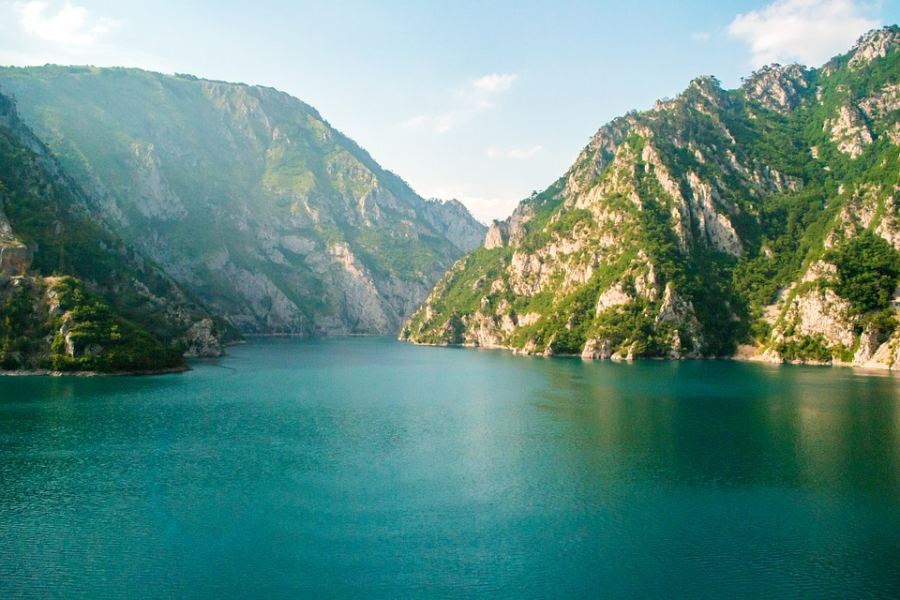
At the foot of Dormitor, stretching north-south, lies the Piva River and its dammed lake.
The 220-meter-high dam, built in 1970, is one of Europe’s largest structures of its kind. The main road passes over the dam, offering a chance to see it up close and enjoy the view.
The lake’s water is incredibly clear, and there are developed bathing spots along its shores.