
Murcia, as a large city with a long history, has several excellent museums.
Table of Contents
Best museums in Murcia
Museum of Fine Arts (Museo de Bellas Artes de Murcia)
With its rich collection, it provides insight into the development of Spanish and especially Murcian fine arts.
We can see works of art from the medieval period to the Renaissance, Baroque, Romantic and Modernist eras. The 19th and 20th century Spanish art is particularly significant, but the creations of Murcian artists also play a prominent role. Works by famous artists such as Murillo, Zurbarán and Sorolla can be seen here.
One of the most interesting parts of the museum is the exhibition of medieval religious art, which contains frescoes, altarpieces and sculptures.
Admission is free!
All information can be found here.
Museo Salzillo
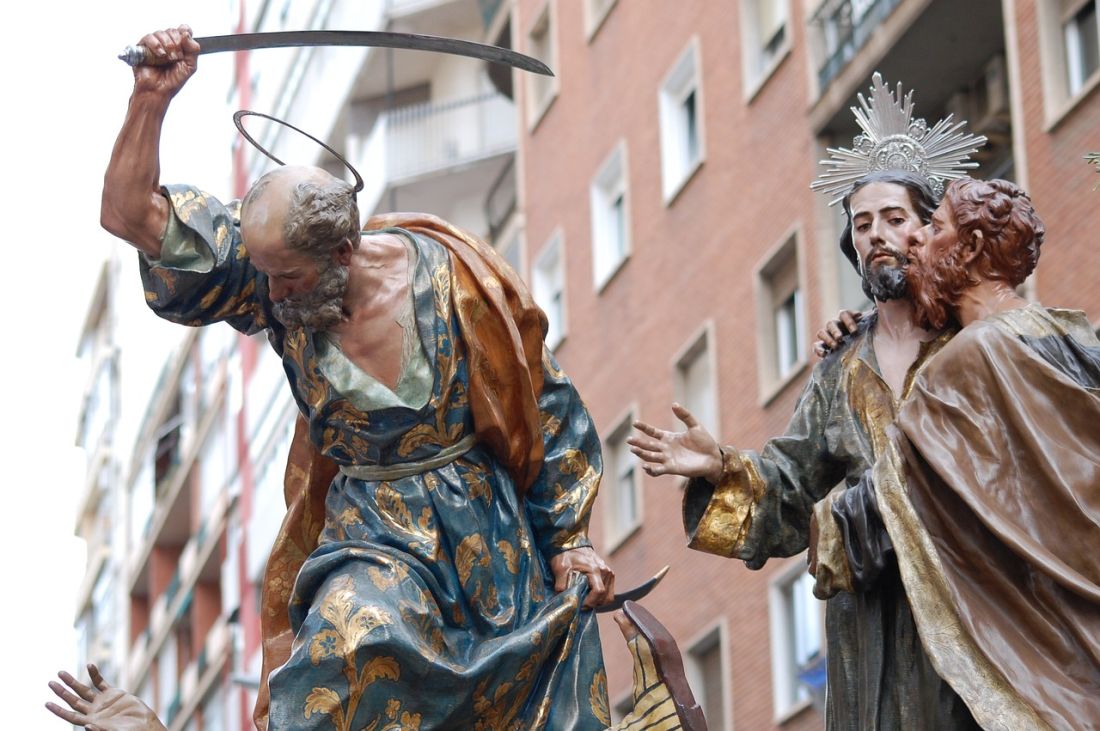
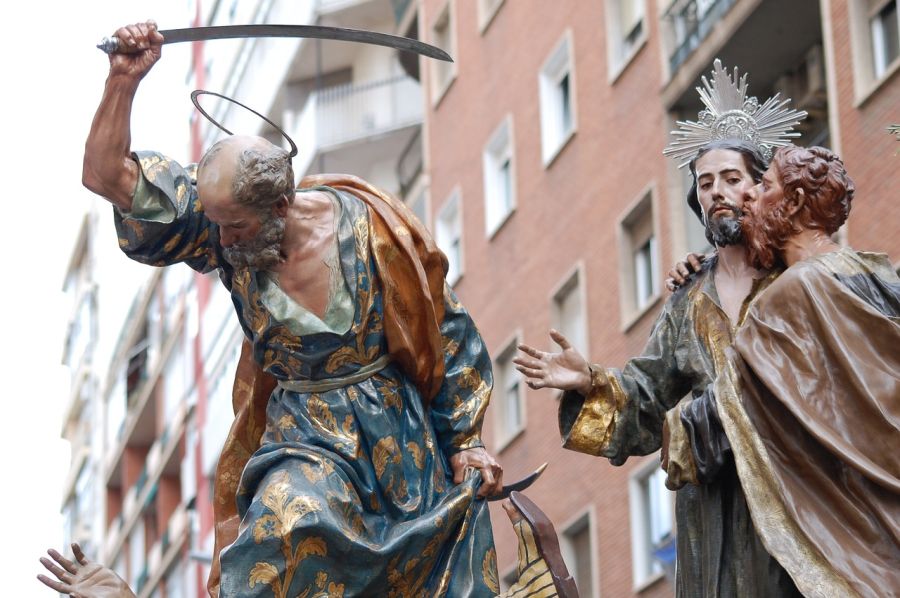
One of Murcia’s most important art museums, which pays tribute to the life’s work of the famous 18th century Spanish sculptor, Francisco Salzillo.
Salzillo became one of the most prominent figures of Spanish Baroque art. His works are characterized by deep religious sentiment and impressive technical mastery, especially his wooden sculptures are particularly attractive to visitors. Most of his sculptures depict scenes of passion and Easter events.
The most famous part of the museum is the sculptural group created for the Easter procession. This group consists of nine life-size sculptures depicting the Passion and Calvary of Jesus. These sculptures are a major attraction of the Murcian Easter Week procession every year.
Among the exhibited objects are tools and sketches that Salzillo used during his career. This part provides an insight into the artist’s daily life and creative process, showing the materials and techniques he applied in woodcarving.
All information can be found here.
Santa Clara Museum
The museum presents the history and religious heritage of the city, with a particular focus on the intertwining of Moorish and Christian cultures.
The building that forms the basis of the museum was originally a 13th century Moorish palace. This style is particularly noticeable in the Patio Árabe (Arab Courtyard) section. In the 14th century it was converted into a convent when the city came under Christian rule. It still functions as an active convent today.
The museum is special because it contains outstanding pieces from both Christian and Islamic art. The collection includes medieval Christian religious objects, icons, sculptures and altars. In addition, objects from Islamic art can also be seen, such as ornate ceramics, tiles and calligraphies, which evoke the Moorish presence in Murcia.
Admission is free!
All information can be found here.
Palacio del Almudí
One of the most significant buildings in the historic district of Murcia, which has served various functions over the centuries. Today it operates as a museum and cultural center.
The 15th century building originally served as a granary. This is where it got its name, as the „almudí” word comes from the Arabic „almud” expression, which means a unit of measurement. Grain was stored and weighed here. This function was maintained for a long time.
The building is built on Renaissance foundations, but later also acquired Baroque style elements. Its exterior facade reflects its original function and the influence of Spanish Renaissance style. The impressive staircase inside the building and the 17th century frescoes decorating the walls stand out. The frescoes depict scenes from the life and history of the city.
Temporary art exhibitions are organized, such as exhibitions of paintings, sculptures and contemporary art.
Admission is free!
All information can be found here.
Archaeological Museum (Museo Arqueológico de Murcia / MAM)
One of the most significant museums in the region, presenting the archaeological heritage of the area.
There are several main exhibition sections:
- The prehistoric collection displays objects and tools used by the first inhabitants of Murcia. The exhibits include various stone tools, bone remains and other everyday items.
- The Iberian collection contains sculptures, ceramics and various decorative objects. This culture is particularly important in Murcia’s history, as the Iberians were the first indigenous inhabitants of the area.
- The Roman-era exhibition showcases mosaics, coins, sculptures and architectural elements that reflect the sophistication of Roman civilization.
- Moorish rule also left a deep mark on the region’s development. Among the exhibited objects are ornate ceramics, calligraphies, weapons and religious items that provide insight into the religious and cultural life of these eras. We can see in detail how Murcia became an important center of Islamic Spain.
- The medieval Christian exhibition features sculptures, coins, jewelry and religious objects, and shows the re-strengthening of Christianity in the region.
Admission is free!
All information can be found here.
Murcia City Museum (Museo de la Ciudad)
It presents the past and development of Murcia, from the Roman era to modern times. It also deals with the city’s social, economic and cultural history.
One of the most important parts of the museum is the archaeological exhibition. The exhibits include Roman-era objects, mosaics, sculptures and ceramics that showcase the early history and development of the city. The medieval exhibition particularly addresses the Moorish and Christian eras, which played an important role in shaping the city’s character.
The ethnographic exhibition presents the everyday life and traditions of the city’s inhabitants. Visitors can learn about Murcia’s traditional crafts, costumes, household items and agricultural customs.
There is also an exhibition section on local festivals. The two most famous are Semana Santa (Holy Week) and Fiestas de Primavera (Spring Festival). Here they showcase the city’s characteristic religious and cultural celebrations, elaborate costumes, parade props and art related to the festivals.
Admission is free!
All information can be found here.
Hydraulic Museum Los Molinos del Río Segura
The museum along the Segura River is one of the most unique local institutions.
Its primary part presents the history and operating principles of watermills. Visitors can learn how the water power of the river was used to grind grain, and how mill technologies evolved over time. The exhibition includes original millstones, gears and other tools that have been in use along the Segura since the Middle Ages.
We can also learn about the history of Murcia’s famous irrigation systems, which were developed by ancient and medieval civilizations, especially the Arabs. The models and interactive exhibits help us understand the functioning and importance of the irrigation systems.
Admission is free!
All information can be found here.

Best museums in the world
There are many great museums in the world. Here are some of the best!