
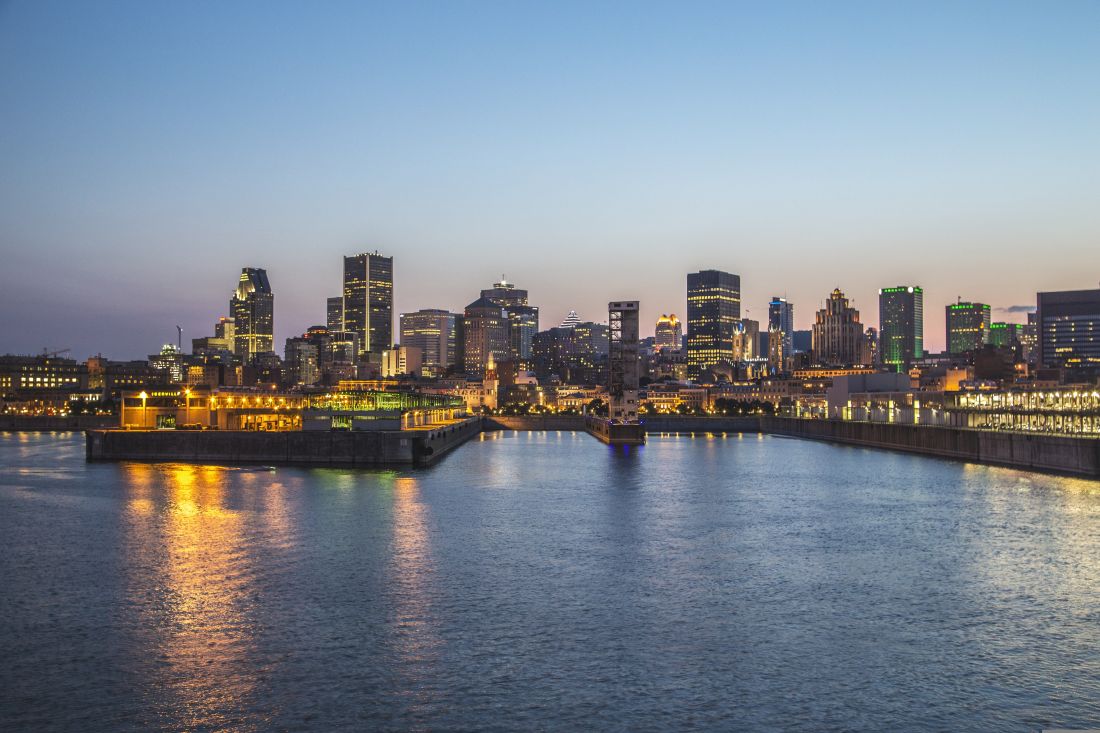
Montréal, Canada’s Francophone metropolis, blends the flavors of Europe and North America. The questions and answers below will help you navigate the most important things to know, whether it’s about visa arrangements, transportation, or the best time to travel.
Table of Contents
Basic information
Why is it worth traveling to Montréal?
Montréal is a special destination because nowhere else in North America does French and Anglo-Saxon culture meet so vividly. The city combines Canadian hospitality, French elegance, and the diversity of immigrant communities who arrived in several waves, all within a single metropolis.
From the cobblestone streets of historic Vieux-Montréal, through the green hill of Mont Royal, to the colorful neighborhoods of the Plateau and Mile End, exciting architectural and cultural experiences await visitors at every turn. The city is also known for its vibrant festival scene, world-class gastronomy, and friendly, safe atmosphere, which makes it a particularly popular destination among Hungarian travelers as well.
When is the best time to travel to Montréal?
The period between May and October is generally considered the most favorable time to visit Montréal. During this time the weather is mild or warm, and the city’s streets, terraces, and festivals are full of life.
The summer months (June–August) are the most popular: daytime temperatures often reach around 25–30°C, and most outdoor festivals are held during this period. Autumn (September–October) is especially picturesque due to the fall foliage, and temperatures remain pleasant.
Winter (December–March) is long and snowy, with temperatures often dropping to between -10°C and -20°C. Even so, snow-covered Vieux-Montréal and winter festivals such as Montréal en Lumière have their own special charm for those who aren’t put off by the cold.
Spring (April–May) is less predictable and often rainy, but it lets visitors avoid the summer crowds and higher accommodation prices.
How many days should you spend in Montréal?
Generally, at least 3–4 days are recommended to explore Montréal. The city is a manageable size, and most downtown attractions are easy to reach on foot or by metro.
In 3 days, you can comfortably cover the historic Vieux-Montréal district with the Notre-Dame Basilica, the downtown area with its skyscrapers, and the viewpoint at Mont Royal Park. With a 4–5 day stay, there’s ample time for the charming streets of the Plateau and Mile End, local markets, and even a day trip to nearby Québec City or the natural beauty of the Laurentides mountains.
What is the official currency in Montréal?
The official currency of Montréal, and of all Canada, is the Canadian dollar (CAD).
In most places you can pay by card (including contactless), and cash is typically only needed at smaller markets or with some street vendors. US dollars are sometimes accepted at tourist spots, but usually at a less favorable exchange rate, so it’s better to pay in Canadian dollars.
Here is a currency converter where you can check the current exchange rate!
What language do people speak in Montréal?
As Québec’s official language, French is also Montréal’s official language; however, English is also extremely widespread in the city – especially in tourist areas, hotels, and restaurants.
Montréal is one of the most bilingual cities in North America: a significant portion of residents speak both French and English fluently. Visitors can get by just fine with English downtown and in the places typically frequented by tourists, but knowing a few French words (bonjour – hello, merci – thank you, s’il vous plaît – please) always comes in handy, and locals appreciate it when travelers start a conversation with a French greeting.
What type of power outlets are used in Montréal?
Montréal, and Canada as a whole, uses Type A and Type B outlets, the same as those used in the United States. Most Europeandevices will therefore need a travel adapter to be plugged in.
The mains voltage in Montréal is 120 volts, whereas in European the standard is 230 volts. Most modern electronic devices, such as phone chargers and laptops, automatically support voltages between 100–240V, so they can be used without issue with a simple adapter and without a voltage converter. Some higher-power devices, such as hair dryers or straighteners, are not always compatible with the lower voltage. It’s better to use the devices provided by your accommodation rather than bringing a voltage converter.
How does internet and SIM card use work in Montréal?
Good-quality internet access is available in Montréal, and free Wi-Fi is offered to guests in most hotels, cafés, and restaurants. If you need continuous mobile internet access, it’s worth buying a local SIM card or eSIM.
eSIMs can be purchased and activated online before your trip, so mobile internet works immediately upon arrival. Physical SIM cards can be obtained both at the airport and at shops downtown.
Is it customary to tip in Montréal?
Yes, tipping is common and expected in Montréal — and throughout Canada — particularly in restaurants, bars, and for services such as taxis or hairdressers.
In restaurants, it’s customary to tip about 15–20% of the bill, and in many places the payment terminal will even suggest standard tipping percentages as selectable buttons. Since hospitality workers’ wages are often lower on the assumption that tips will supplement their income, skipping the tip is considered rude, unless the service was genuinely poor.
Travel and transportation
How can I get from the airport to downtown Montréal?
Montréal’s main airport is Montréal–Trudeau International Airport (YUL), located about 20 kilometers from the city center, roughly a 30–45 minute drive.
The most commonly used option is the 747 express bus, which runs 24 hours a day between the airport and the downtown Berri-UQAM metro station and bus terminal. The ticket price includes a 24-hour pass, which is also valid on the metro and city rail lines in addition to the bus, so you can continue straight on to your accommodation once you arrive from the airport.
There is also an official fixed-rate taxi service available at the airport heading downtown, as well as ride-sharing services such as Uber. Car rental is also available directly at the terminal, which is mainly recommended for those who also want to take trips outside the city, for example to Québec City or the Laurentides mountains.
What is the most convenient way to get around Montréal?
Downtown Montréal is easy to explore on foot, but for more distant neighborhoods and excursion spots, it’s worth using the city’s public transit network, run by the Société de transport de Montréal (STM).
The Montréal metro system consists of four lines, is fast, clean, and runs frequently, making most tourist destinations easy to reach. This is complemented by an extensive bus network that also serves neighborhoods not covered by the metro. It’s worth getting an OPUS card, which allows convenient payment for both the metro and the bus.
In summer, the BIXI bike-sharing system is especially popular, offering a convenient and quick way to cover short distances on the city’s dedicated bike paths. In winter, due to the cold and snowy weather, the metro and the heated underground tunnel network beneath downtown, known as „RÉSO” (the underground city), are the most convenient way to get around.
Accommodation and safety
Is Montréal a safe city?
Yes, Montréal is considered one of the safest large cities in North America. The neighborhoods visited by tourists are considered calm both day and night, and the rate of serious crime is low compared to similarly sized North American cities.
Which neighborhoods are considered safe?
Among the areas most frequently chosen by visitors and considered safe are:
- Vieux-Montréal – the historic old town, home to many famous sights
- Centre-ville (downtown) – with shops, restaurants, and most of the hotels
- Plateau-Mont-Royal – a charming, youthful neighborhood with colorful houses
- Mile End – a bohemian district full of cafés and galleries
These areas typically have lively street life and a strong police presence.
How safe is it at night?
In the neighborhoods visited by tourists, there are still plenty of restaurants, bars, and cafés open in the evening, so street life generally remains lively. Even so, as in any large city, it’s best to stick to well-lit streets, and in less familiar or more deserted areas, it’s advisable to take a taxi or ride-sharing service instead.
Which neighborhood is best to stay in when visiting Montréal?
Among the most popular and convenient areas for tourists to stay in Montréal are Vieux-Montréal, Centre-ville, Plateau-Mont-Royal, and Mile End. These neighborhoods are well located, contain many sights, restaurants, and cafés, and are generally safe for visitors.
Vieux-Montréal is the historic heart of the city, with cobblestone streets, the Notre-Dame Basilica, and the Vieux-Port waterfront promenade. Those who want to be close to the main sights and the riverside atmosphere should choose hotels in this district.
Centre-ville is a practical choice for those who want to be near the metro network and shopping streets, and it’s also where the airport bus routes depart from.
Plateau-Mont-Royal and Mile End are known for their youthful, artistic atmosphere, full of cafés, brunch spots, and galleries. These neighborhoods are a bit farther from the main tourist attractions, but in exchange offer a more authentic city experience, also favored by locals.
Health information
Are vaccinations required to travel to Montréal?
No vaccinations are required for most travelers to visit Montréal or Canada. The country has a well-developed healthcare infrastructure and is considered a low-risk destination from a travel health standpoint.
Before traveling, it’s definitely worth getting travel insurance, since healthcare in Canada can be very costly without insurance.
Is the tap water safe to drink in Montréal?
Yes, tap water is safe to drink in Montréal. The city’s water quality meets strict Canadian standards, and locals drink tap water without concern; bottled water is mainly purchased for taste or convenience.
Experiences
What are the must-see attractions in Montréal?
Montréal’s best-known attractions include the historic district of Vieux-Montréal with the Notre-Dame Basilica, the viewpoint at Mont Royal Park, the Vieux-Port riverside promenade, as well as Olympic Park and the Montréal Botanical Garden.
- Vieux-Montréal is the city’s oldest, colonial-era district, with cobblestone streets and impressive stone buildings. Here you’ll find the breathtaking interior of the Notre-Dame Basilica, along with numerous galleries, restaurants, and the riverside promenade called Vieux-Port, where markets and street events also await visitors in summer.
- Mont Royal, the hill that gave the city its name, is Montréal’s most popular green space. The top of the hill offers a stunning panorama over downtown and the Saint Lawrence River, and the park is an excellent spot for picnicking, walking, or cycling.
- Olympic Park preserves the memory of the 1976 Summer Olympics with its distinctive tower and stadium, while the neighboring Montréal Botanical Garden is Canada’s largest facility of its kind, featuring numerous themed gardens and a famous bonsai collection.
- It’s also worth spending time in the „RÉSO,” the kilometers-long underground city beneath downtown, lined with shops, restaurants, and cinemas — an especially convenient option during the cold winter months.
What are the most popular foods and drinks in Montréal?
Montréal is famous for its own distinctive cuisine. The best-known local dishes include poutine, Montréal-style smoked meat sandwiches, and Montréal-style bagels, while among drinks, local craft beers and maple syrup–based products are the most popular.
- Poutine is a Canadian dish made of fried potatoes, cheese curds, and hot gravy, with countless variations found in Montréal, ranging from the traditional version to gourmet takes loaded with various toppings.
- Montréal smoked meat is also one of the city’s points of pride: a beef brisket specialty that is smoked and steamed for a long time, typically served on rye bread with mustard in traditional delicatessens.
- The Montréal bagel is smaller, sweeter, and crispier than the New York version, since it’s boiled in honey water before being baked in a wood-fired oven. At some of the city’s famous bakeries, you can taste them fresh and still warm at any time of day.
- Among drinks, products from local craft breweries are extremely popular, and Québec ice cider (cidre de glace) and the tomato-and-Clamato-based cocktail called Caesar are also distinctive local choices.
What important holidays and festivals take place in Montréal?
Montréal hosts numerous major festivals throughout the year. The best known include the Montréal International Jazz Festival, the Just for Laughs comedy festival, and the winter Montréal en Lumière light festival.
- The Montréal International Jazz Festival is held every summer, typically in late June and early July, and is considered one of the largest jazz festivals in the world, with numerous free outdoor concerts on the streets of downtown.
- Just for Laughs (Juste pour rire) is an international comedy festival held in July, drawing famous comedians from around the world, during which downtown streets are also filled with performances and events.
- Montréal en Lumière is a winter light festival, typically held in February–March, featuring culinary events, concerts, and spectacular light installations that help make the cold season more bearable.
- In addition, Fête nationale du Québec, Québec’s national holiday, is celebrated on June 24th, filling the city with fireworks, concerts, and street celebrations, while in August the Osheaga music festival draws a younger crowd to Jean-Drapeau Island.