Honduras is one of Central America’s most beautiful countries, where ancient Mayan ruins, crystal-clear Caribbean waters, and pristine rainforests meet.
Bordered by Guatemala to the west, El Salvador to the southwest, and Nicaragua to the southeast, its northern coasts are washed by the Caribbean Sea and its southern coasts by the Pacific Ocean. The country’s rich historical heritage is represented by the stunning remnants of Maya civilization, while its natural treasures are embodied by diverse landscapes: white sandy beaches of the Caribbean coast, lush rainforests, high mountain ranges, and crystal-clear lakes.
Honduran culture is a colorful blend of Spanish colonial heritage, indigenous peoples’ traditions, and Caribbean lifestyle. The country is a favorite destination for ecotourism and diving enthusiasts, where nature can still be found in its pristine form. The climate is tropical, with pleasant temperatures year-round along the coast.
Table of Contents
Best places in Honduras
Roatán Island
The largest member of the Bay Islands is Honduras’s most famous tourist destination, surrounded by the crystal-clear waters of the Caribbean Sea.
The second-largest coral reef surrounding the island offers unparalleled diving and snorkeling experiences, where colorful coral gardens and the diverse world of exotic fish unfold.
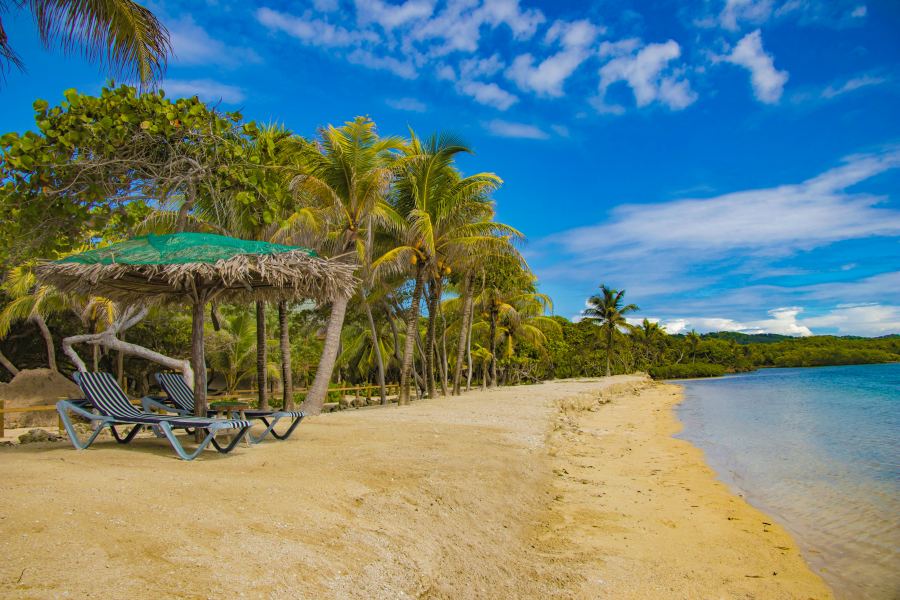
West Bay Beach is the island’s most famous beach, where white coral sand and turquoise waters create a stunning contrast. The shore is lined with palm trees, and numerous water sports opportunities await adventure seekers: jet skiing, kayaking, and of course, world-class diving.
The island’s interior offers rich cultural experiences. Coxen Hole is the capital, where we can familiarize ourselves with the traditions of the local Garifuna culture. The island has numerous ecological hiking trails where we can discover the wonders of tropical vegetation and diverse birdlife. The iguana farm and monkey park are particularly popular family programs.
San Pedro Sula
Honduras’s second-largest city is located just an hour’s drive from the Caribbean coast.
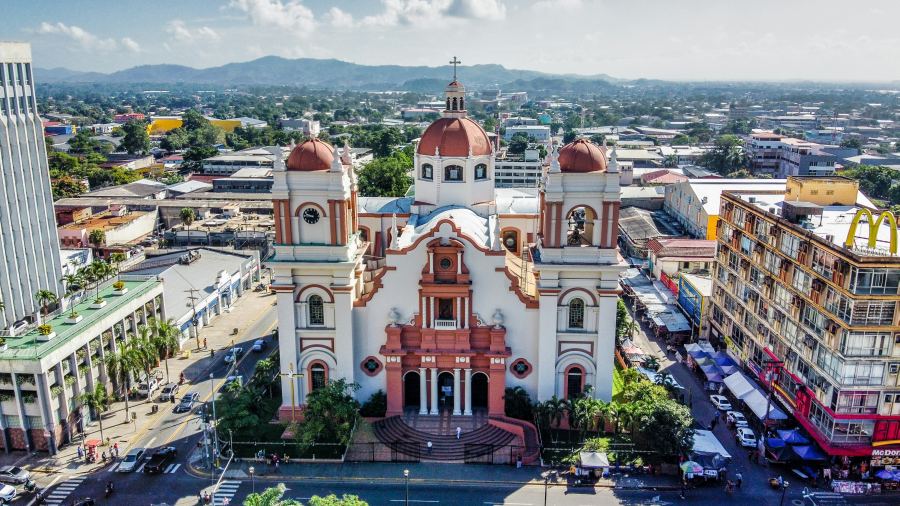
The city has surprisingly developed infrastructure with modern shopping centers, restaurants, and hotels. In the center is Parque Central, around which the neoclassical-style cathedral and several government buildings are located.
The city also operates several museums, such as the Museo de Antropología e Historia. This is one of the city’s most interesting museums, where we can gain insight into the history of Honduran civilizations from Maya times to the Spanish colonial period. Its exhibitions include archaeological finds, ceramics, textiles, and historical documents.
Utila
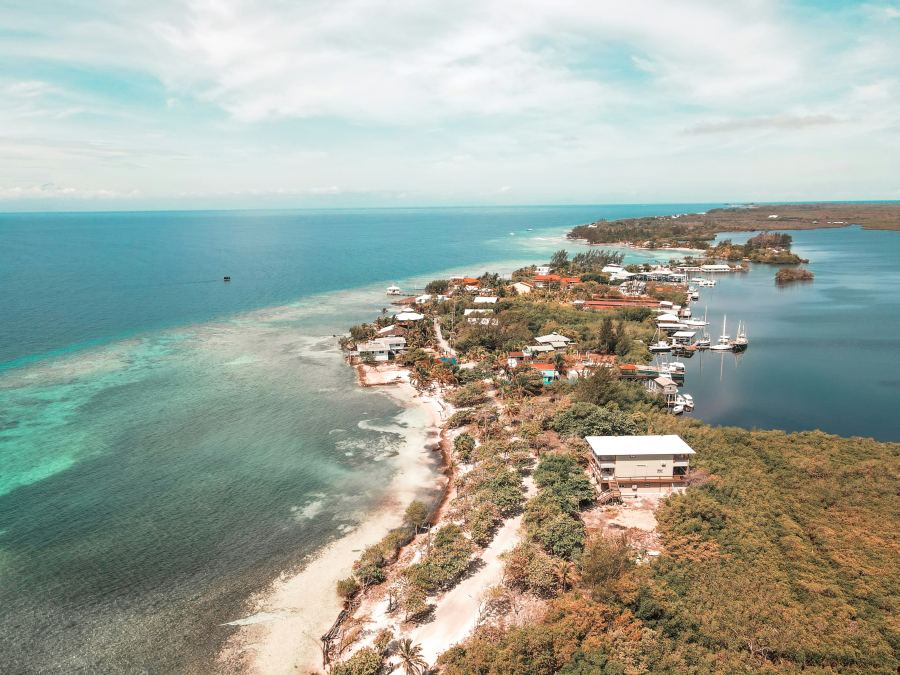
The smallest inhabited member of the Bay Islands is a diver’s paradise, where we can obtain PADI diving certification at the world’s most favorable prices.
Utila Town is the island’s main settlement, welcoming travelers with bohemian-style bars and guesthouses. The island’s specialty is the iguana observation station, where researchers work to protect the endangered green iguana. Pumpkin Hill Beach offers a unique sight with its black volcanic sand, while the mangrove channels provide opportunities for kayaking and birdwatching.
Numerous wrecks can be found underwater, including the famous Halliburton ship, which now serves as an artificial reef. The shallow waters near the shore are excellent for beginner divers, while open-sea dive sites offer unforgettable experiences for experienced divers. Giant manta ray observation is most likely between August and October.
Tegucigalpa
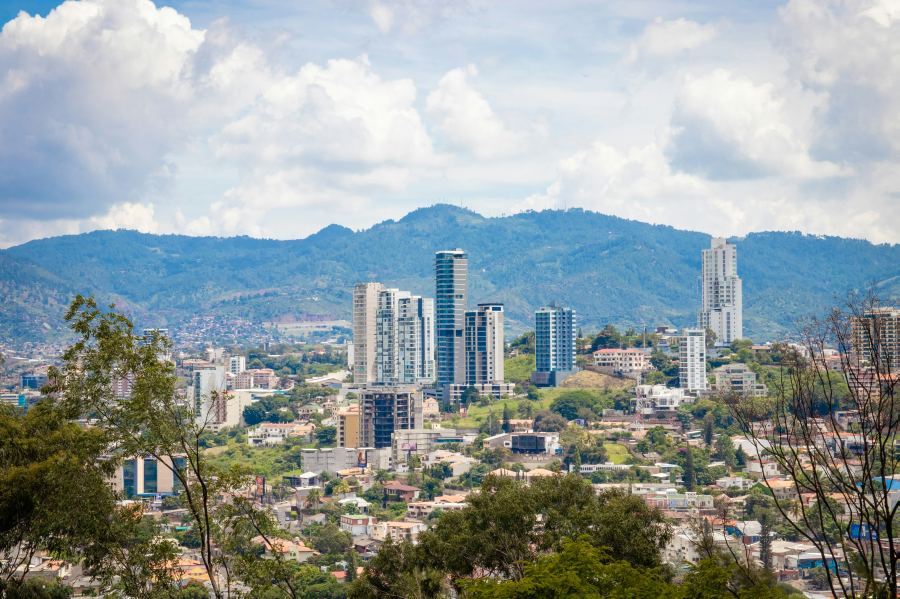
Honduras’s capital and largest city is located in the central part of the country, in a hilly-valley region, at 990 meters above sea level.
Tegucigalpa is not a classic tourist capital, but it is full of cultural and natural values: colonial churches, spectacular viewpoints, active cultural life, and surrounding national parks.
In the heart of the city, on Plaza Morazán square, stands the imposing Catedral de San Miguel, consecrated in 1786. The interior is beautifully decorated with classic Catholic artworks. North of the city rises El Picacho hill, which offers a beautiful view of Tegucigalpa. Here stands the huge Christ statue, one of Honduras’s most famous icons.
Celaque National Park
The national park is home to Honduras’s highest mountain peak, the 2,849-meter-high Cerro Las Minas.
This is one of the country’s most valuable nature conservation areas. The park’s name comes from the Lenca language, meaning „box of cold water”, referring to the crystal-clear streams and springs originating in the mountains.
Celaque is home to three different ecosystems: from deciduous forests through cloud forests to high-altitude grasslands. This diversity results in extremely rich biodiversity, with more than 200 bird species living here, including the quetzal and toucan. The park’s hiking trails are of different difficulty levels, ranging from easy walks to challenging mountaineering.
The park’s visitor center is located in the city of Gracias, from where guided tours depart. The Don Juan trail is the most popular route, leading to stunning waterfalls and natural pools. In the higher regions, clear weather offers an unparalleled panorama of the surrounding mountains and valleys, and on lucky occasions, even the Pacific Ocean can be glimpsed.
Gracias
One of Honduras’s oldest cities was founded in 1536 and was Central America’s political center for centuries.
The name means „thanks”, given by Spanish conquistadors to the settlement because they found peace here after long adventures. The city still preserves its colonial charm with cobblestone streets, beautiful baroque churches, and traditional Andalusian-style houses.
The heart of the city is the central square, dominated by the San Marcos church, containing valuable artworks and colonial monuments. The Casa Galeano museum serves to showcase local history and culture, while Forte San Cristóbal is the remains of a fortification that served to defend the city. In the colorful bustle of the traditional market, we can buy local handicrafts, textiles, and pottery.
Gracias is an ideal starting point for exploring Celaque National Park and visiting surrounding Lenca villages. Lenca cultural traditions still live on in the surrounding villages, where traditional pottery and weaving are practiced. The area’s hot springs, especially the natural pools of Aguas Termales, where healing hot water springs from the earth.
Copán
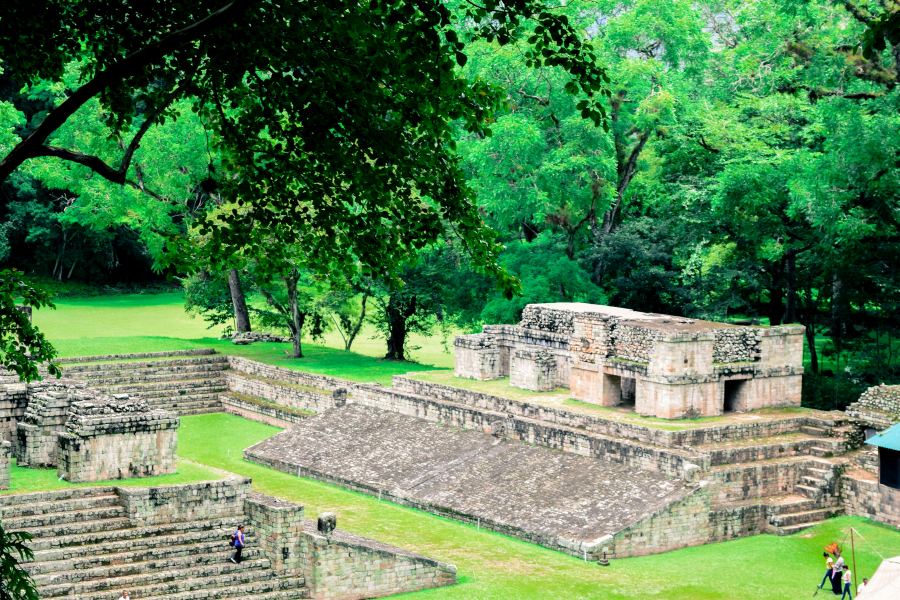
It was one of the most important centers of Maya civilization, abandoned in the 9th century.
The Hieroglyphic Stairway is the longest known Maya inscription, with more than 1,800 glyphs telling the city’s history. The Ball Court is one of the best-preserved Maya ball game courts, which was the site of sport-religious ceremonies. The remains of the royal palace and underground temples in the Acropolis area are evidence of magnificent Maya architecture.
The nearby Copán Museum presents the development and significance of Maya culture with detailed exhibitions. The reconstructed temples and the colorful replica of the Rosalila temple are particularly stunning. The village itself is also charming, with colonial-style buildings and cozy cafés.
Trujillo
The picturesque small town is located on the Caribbean coast, at the foot of Capiro and Calentura National Park.
The city has a significant historical past – Christopher Columbus also landed here in 1502 – but today it is primarily known for its peaceful beaches, colonial heritage, and natural beauty. Its shore welcomes visitors with white sandy beaches and warm, turquoise waters. Playa Blanca is one of the most famous beach sections.
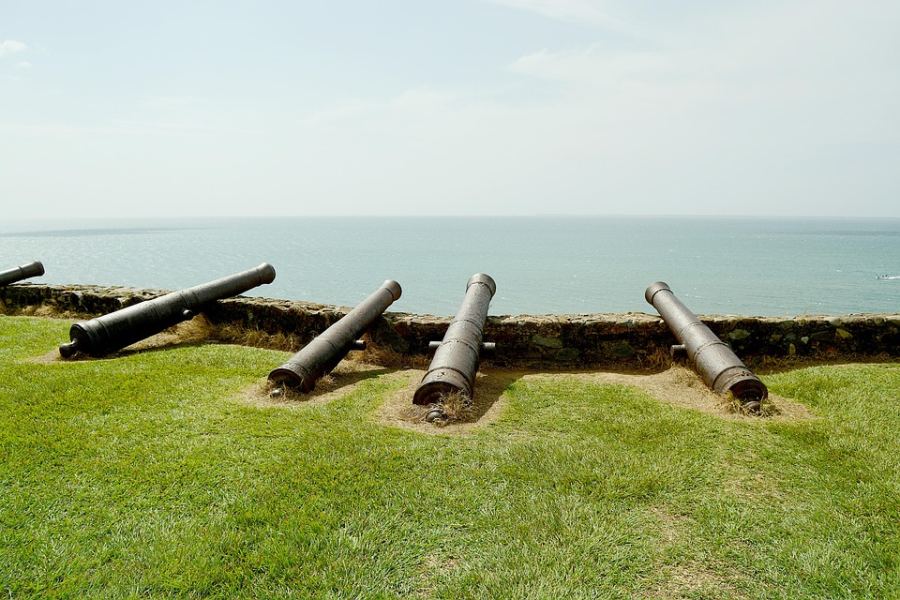
The Fortaleza de Santa Bárbara Spanish colonial fort is the city’s most iconic building. Built in the 16th century against coastal pirate attacks. Today it operates as a museum and offers a stunning view of the Caribbean Sea.
Pulhapanzak Waterfall
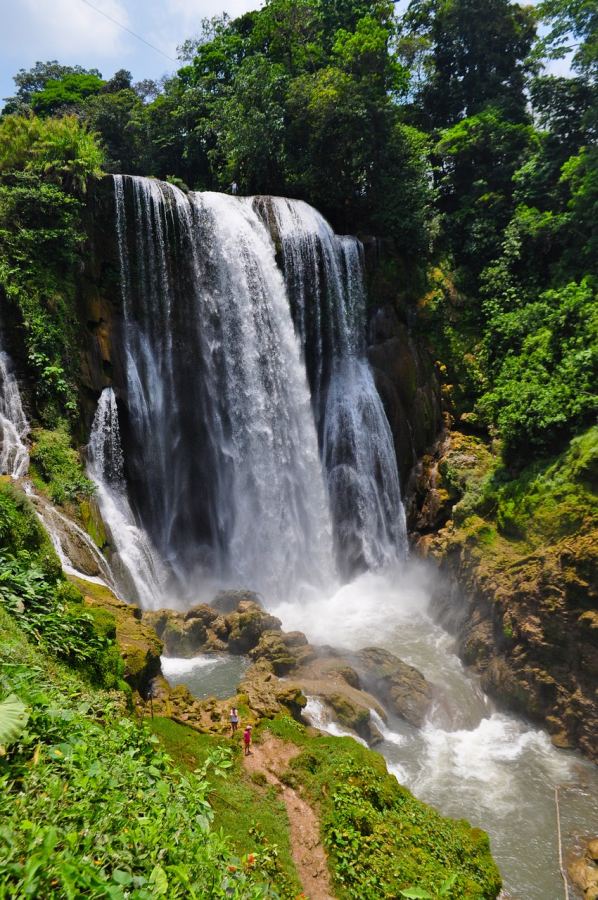
Located along the Lenca route, this 43-meter-high waterfall is where the waters of the Río Lindo river cascade down volcanic rocks.
The name is of Lenca origin, meaning „white veil” which perfectly describes the waterfall’s appearance as crystal-clear water accompanied by white foam plunges into the depths. A natural pool has formed at the base of the waterfall where one can safely bathe and swim. The water temperature is pleasant year-round, approximately 22-24 degrees Celsius.
The surrounding tropical vegetation is lush and diverse, with numerous orchid species, bromeliads, and other exotic plants decorating the landscape. Guided paths around the waterfall allow viewing of this natural wonder from different angles.
The village of San Buenaventura near Pulhapanzak preserves traditional Lenca culture. Locals sell handicrafts, including woven textiles and pottery that reflect Lenca artistic traditions.
Tela
One of the most beautiful cities on Honduras’s Caribbean coast.
The city was once a banana export center, whose memories can be traced in the beautiful colonial architecture and cultural diversity. The Garifuna community’s traditions are still alive today, their music and dances forming an authentic part of Caribbean culture.
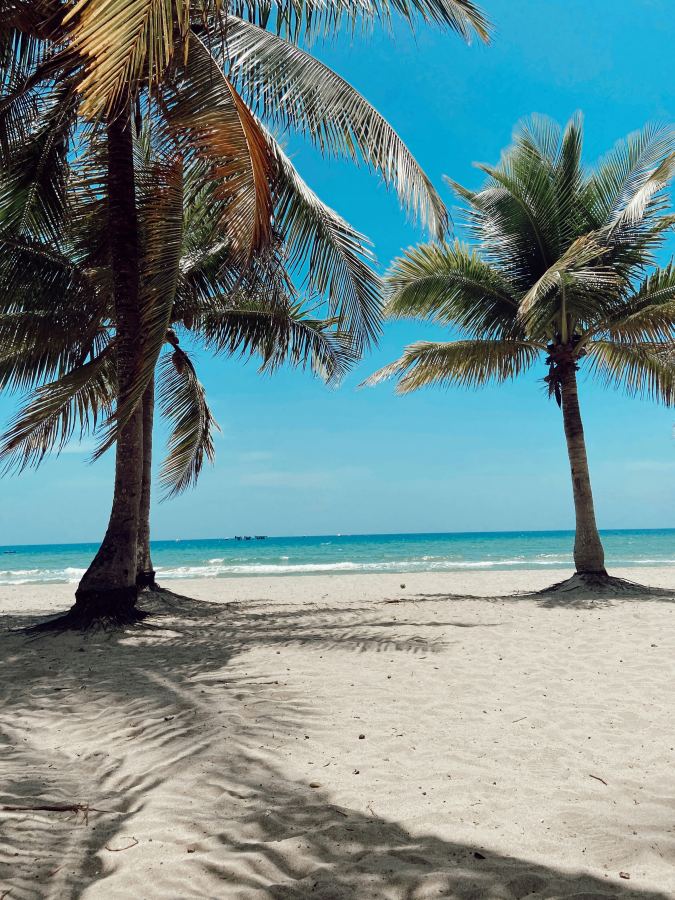
Tela Bay’s crystal-clear waters and white sandy shores form one of Honduras’s most beautiful seashores. Water sports enthusiasts find excellent opportunities: windsurfing, kayaking, and of course, diving.
The Punta Sal National Park in the city’s vicinity is a unique nature conservation area where the seashore and rainforest meet. The park’s mangrove forests and lagoons are home to countless bird species, including pelicans, flamingos, and herons.
Lancetilla Botanical Garden
Central America’s second-largest botanical garden is located near Tela, which began operating in 1926 as a research station for the former United Fruit Company.
The 1,681-hectare area is home to an extraordinary collection of tropical plants. More than 1,500 tree species and countless smaller plants can be found, originating from all over the world. The garden’s hiking trails are organized around different themes: there are fruit tree paths, spice plant trails, and medicinal plant tours. The birdlife is extremely rich, with more than 365 bird species living here, including toucans, parrots, and numerous hummingbird species.
The garden’s specialty is that it serves research purposes, so visitors can gain insight into the scientific work of tropical botany. The bamboo collection is particularly stunning, with more than 40 bamboo species, walking among which we can feel a real jungle atmosphere. The orchid house showcases more than 300 orchid species, including many rare and endangered species.
La Mosquitia
Honduras’s largest untouched wilderness is an 83,000-square-kilometer area that is the last large remaining fragment of Central American rainforests.
This region is part of a UNESCO biosphere reserve, where people still live in traditional ways and nature has remained almost untouched. The Central American giant antbird, harpy eagle, and numerous endangered mammal species live here, including jaguars and pumas. The complex river network system can be navigated by boat and canoe, offering stunning natural experiences.
The region’s cultural heritage is also extremely rich. The Miskito, Pech, and Tawahka peoples preserve their ancient traditions, speak their languages, and practice traditional crafts. Las Marias village is the region’s center, from where organized tours depart into the rainforest.
Cayos Cochinos
These small coral islets lie off Honduras’s coasts and are exemplary models of marine nature conservation.
The two larger islands, Cochino Grande and Cochino Menor, along with 13 smaller coral reefs together form this national marine park. The islands’ name means „pig islands”, probably referring to hippo sounds heard by sailors.
The area is home to extremely rich marine biodiversity. Diving in the crystal-clear waters, we can observe colorful coral gardens, giant sponge gardens, and countless tropical fish species. Water visibility often exceeds 30 meters, creating ideal conditions for underwater photography.
Lake Yojoa
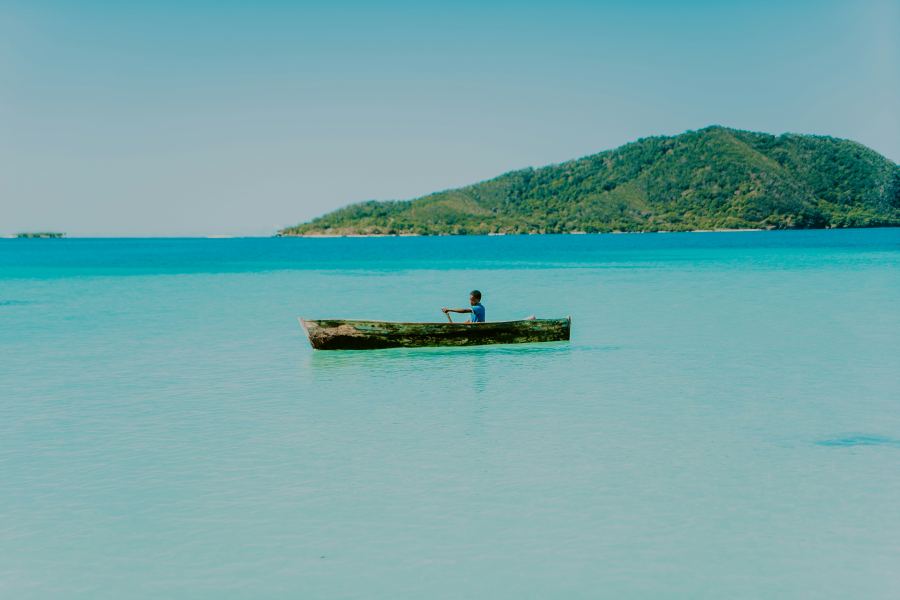
Honduras’s largest natural lake is of volcanic origin and covers 285 square kilometers.
The lake lies in the heart of Cerro Azul Meámbar National Park, surrounded by lush tropical rainforests and cloud forests. The lake’s environment is particularly rich in birdlife, with more than 400 bird species living here, making it a paradise for birdwatchers.
Los Naranjos Ecological Park along the shore also includes archaeological sites where we can discover traces of pre-Columbian cultures. Ceramics and stone tools found in the area prove that people lived here more than 3,000 years ago. Small villages along the lake shore, such as Peña Blanca, showcase authentic Honduran life.
Omoa
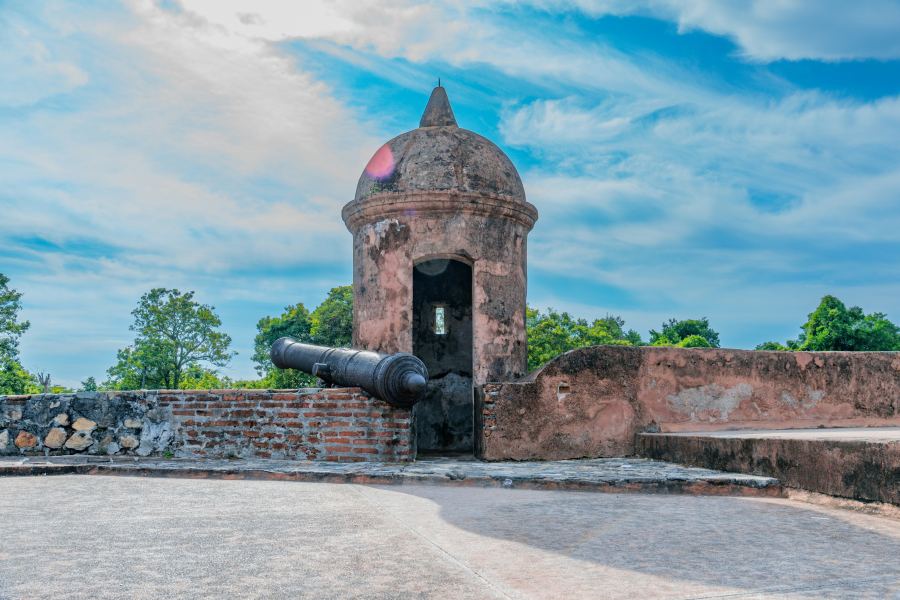
The Caribbean coastal historical city is home to one of Honduras’s most important colonial-era fortifications, the San Fernando de Omoa fort.
The fortification built between 1759 and 1775 was an important bastion of Spanish crown colony defense against Caribbean pirates. The fort now serves as a museum where we can learn about colonial history and fortress architecture.
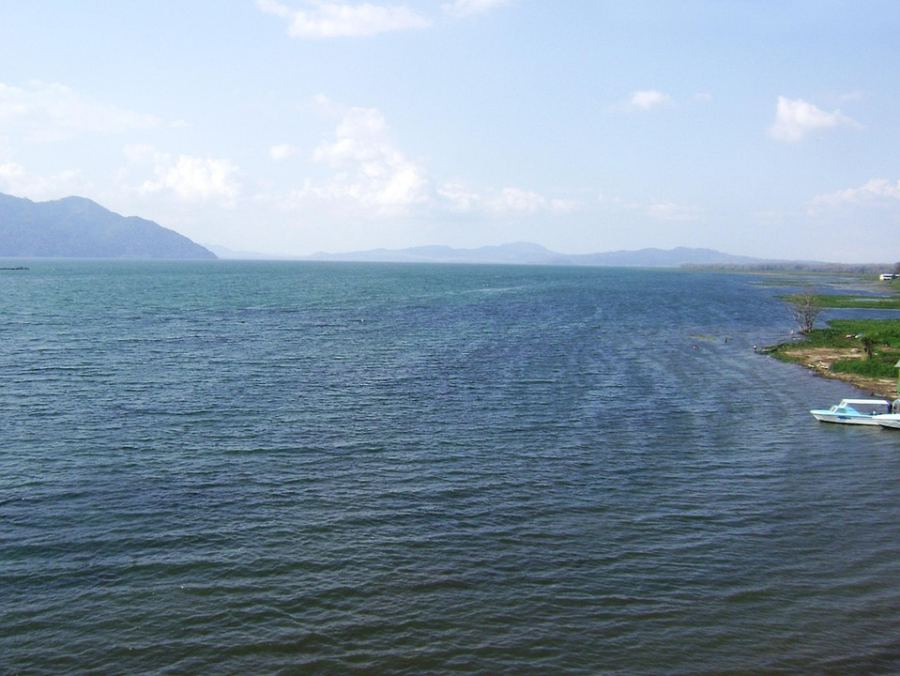
Omoa beach offers a special sight with its black volcanic sand and is popular among families due to its calm waves.
The mangrove forests in the city’s vicinity form a unique ecosystem where numerous bird species can be observed while kayaking. The Cuyamel river mouth is home to particularly rich biodiversity.