

As the capital of Western Australia, Perth boasts a rich history and impressive attractions. Its natural sights also make it a popular city.
Australia’s fourth most populous city after Sydney, Melbourne, and Brisbane. It’s a truly multicultural city, with significant influence from immigrants arriving from Great Britain, Greece, and Italy following World War II, alongside the indigenous population.
Table of Contents
Perth attractions
The Bell Tower
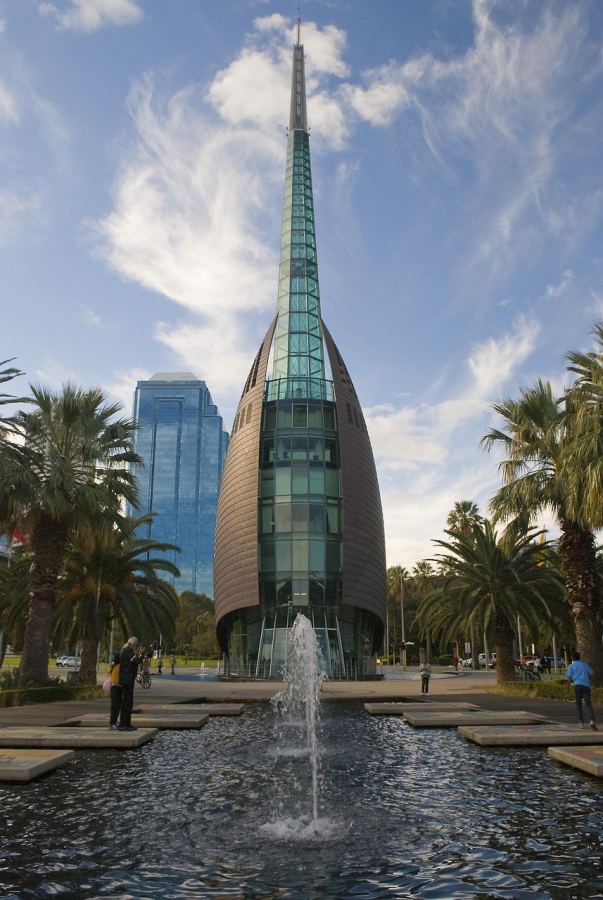
Rising on the banks of the Swan River, the tower is not only a unique building but also one of Australia’s most distinctive bell towers.
The modern, ship-like glass building houses 18 historic bells, some of which come from the legendary HMS Endeavour, Captain James Cook’s ship. The tower was completed in 1999 and has since become an emblematic building of Perth.
Visitors can learn about the history of the bells and maritime navigation through interactive exhibitions. The upper level of the tower offers panoramic views of the Swan River and Perth’s downtown, providing a real treat for photographers and those interested in the city.
St. Mary’s Cathedral
Built in Gothic style, the cathedral began construction at the end of the 19th century and remains the spiritual center of the local community to this day.
Its interior spaces conceal impressive artistic and architectural details, such as the beautifully painted ceiling, colored glass windows, and the monumental organ. Musical concerts and cultural events are regularly held here.
The park surrounding the cathedral and the historic buildings around it further enhance the significance of the place and provide insight into Perth’s rich past.
Kings Park and Botanic Garden
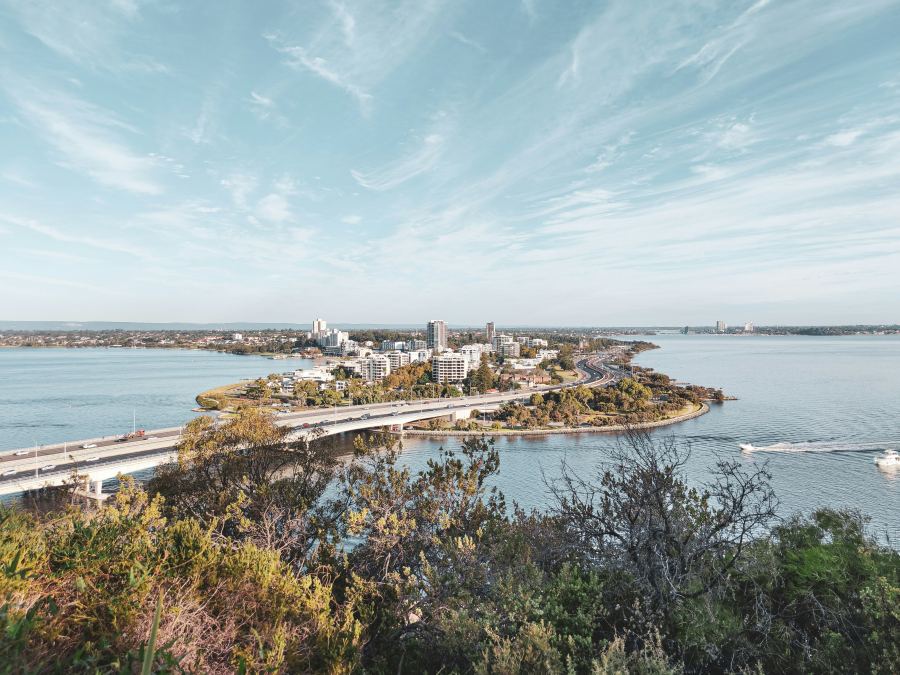
One of the world’s largest urban parks is located in the center of Perth, offering visitors an unparalleled natural and cultural experience.
The 400-hectare area is not only a beautiful green space but also an important ecological showcase and a site for preserving indigenous culture. The botanic garden features more than 3,000 native plant species that showcase Western Australia’s extraordinary flora.
The park offers stunning views of the Swan River and downtown, with numerous viewpoints and promenades. It also plays a special role in the life of the local community, regularly hosting outdoor concerts and cultural festivals.
Elizabeth Quay
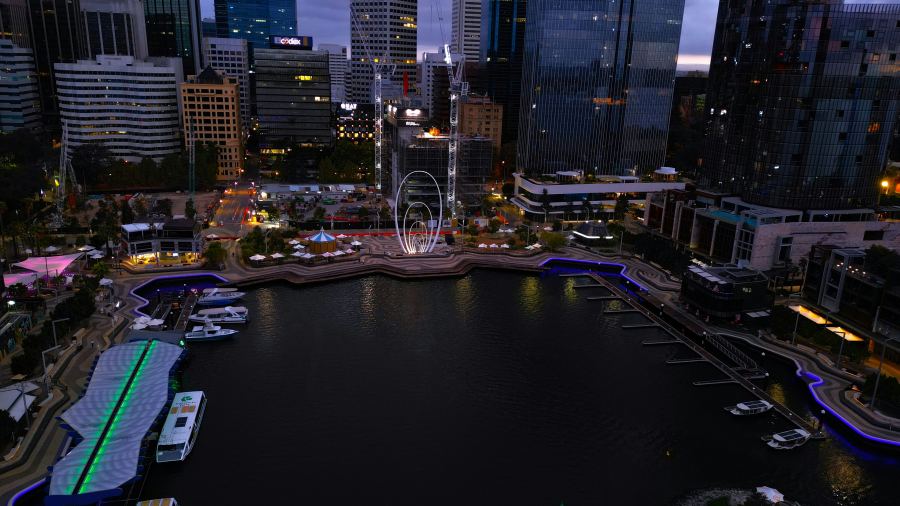
One of the most impressive results of Perth’s modern urban development, which opened in 2015 on the banks of the Swan River.
The goal was to reconnect the city with the waterfront and create a modern, livable urban space. The project not only transformed the shoreline but also created new pedestrian bridges, promenades, and buildings.
The area offers a stunning view with modern buildings, art installations, and the panorama of the Swan River. The bridge called „Spanda” which arches over the river, is particularly remarkable and has become a symbol of the area.
Hay Street Mall
The pedestrian shopping street in the heart of downtown Perth is a defining location for the city’s commercial and cultural life.
The street, with more than 100 years of history, has continuously evolved and developed over the decades. Its uniqueness lies in combining old and new commercial cultures. Classic art deco buildings stand alongside modern shopping centers, unique local shops, designer stores, and international brand outlets.
With the changing seasons, the street’s appearance also transforms, occasionally hosting market days, cultural festivals, and other community events.
Matagarup Bridge
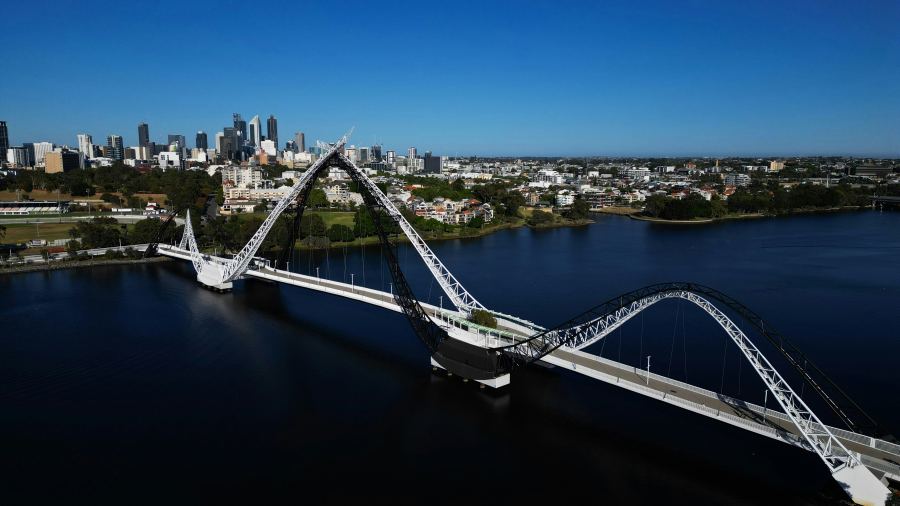
One of Perth’s most modern and boldest infrastructure projects.
The bridge is not just a transportation facility but also an art piece in itself, perfectly fitting into the Swan River landscape. During its design, special attention was paid to honoring the heritage of the local Noongar tribe, and the bridge’s design reflects the rich cultural past of the area.
It was built not only for pedestrians and cyclists but also includes experience elements. The height viewpoint at the top of the bridge provides an opportunity for bungee jumping, from where a stunning panorama of Perth city and the Swan River opens up.
Fremantle Prison
Australia’s most significant and historic prison building is a popular tourist attraction.
The building was originally constructed by convicts deported by British colonizers. It began operations in 1855 and served as a detention facility until 1991. The UNESCO World Heritage prison has now become a museum and cultural site.
Visitors can view original cells, prison yards, and museum exhibitions that provide insight into the harsh daily life of the prison. During guided tours, they can learn about the stories of the most famous prisoners, the prison’s strict system, and the conditions under which convicts and later prisoners lived.
Perth Mint
Australia’s only coin-manufacturing institution has been operating since 1899.
The institution is not only responsible for producing coins but is also one of the world’s most modern minting facilities, meeting the highest technological and security standards. Visitors can gain insight into the complex processes of coin production and the history of minting.
The museum and visitor center’s interactive exhibitions guide interested people through the history of coins, from design to production. Visitors can see the machines and tools used to make coins and learn about the security procedures that guarantee protection against counterfeiting.
Heirisson Island
A unique natural and cultural site, located in the middle of the Swan River.
The island has special significance both ecologically and culturally. The original area was an important meeting place for the Noongar indigenous tribes, and today it is an urban green space and nature reserve.
Its most interesting attraction is the wild kangaroo population that moves freely in the protected area of the island. This phenomenon is unique in the middle of a major city. Walking paths and resting places have been created on the island, allowing visitors to observe the daily lives of kangaroos up close.
Rottnest Island
Perth’s most important tourist destination is just 19 kilometers from the city but offers visitors a completely different world.
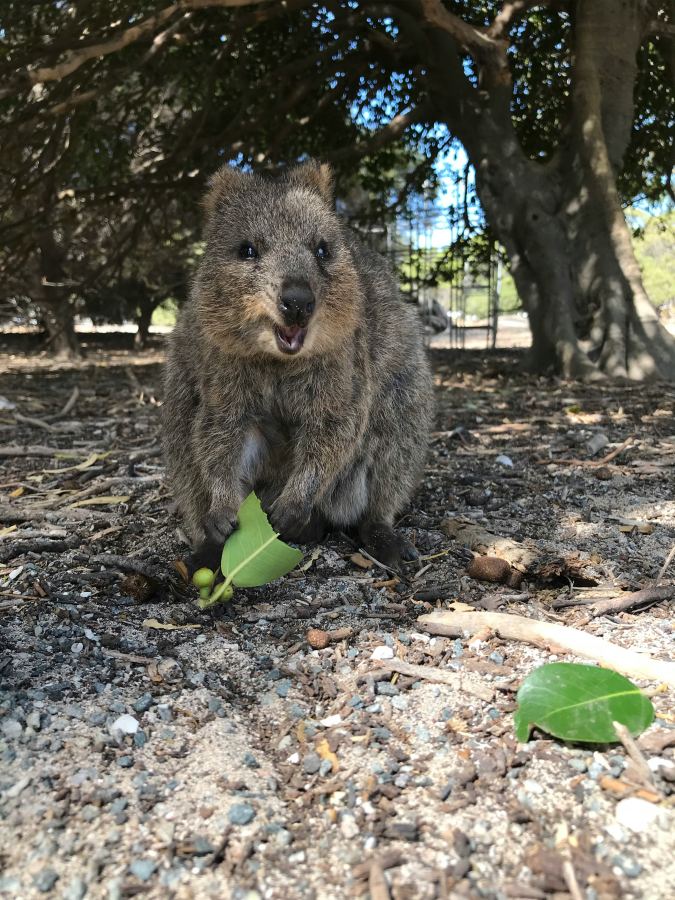
The island’s name is of Dutch origin and is due to the small kangaroo-like animals called quokkas living on it, which Dutch explorers called a „rat island”. Today, the island is a national park where quokkas live freely and have become a real tourist attraction.
The island is rich in natural beauty: sandy beaches, pristine bays, beautiful coral reefs, and unique wildlife. Visitors can explore the island by bicycle or on foot, admire the former remnants of lignite mining, lighthouses, and World War II defense facilities. The coastal waters are excellent for diving, swimming, and other water sports.
Cottesloe Beach
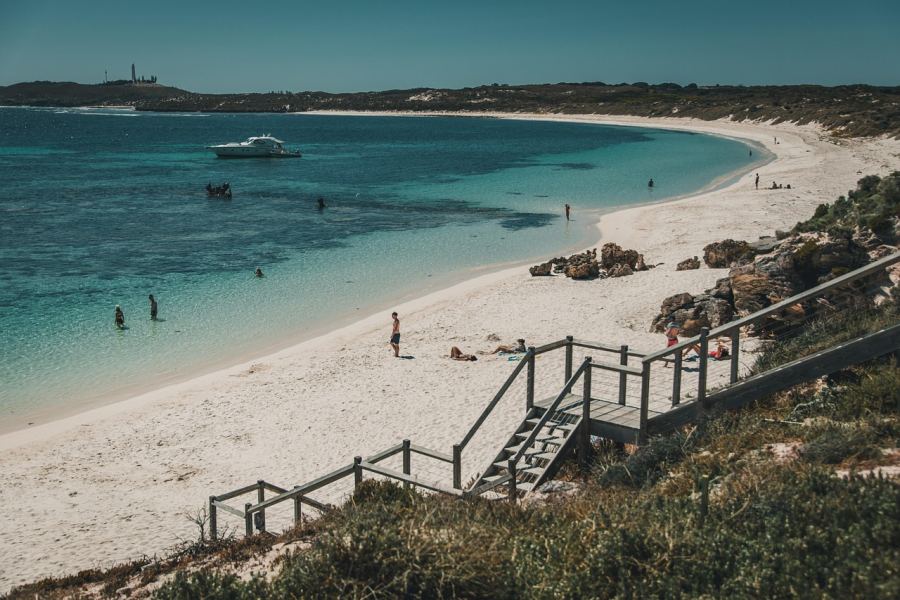
One of Perth’s most famous and popular beaches is located in the western part of the city.
The picturesque beach is not just a place for swimming and sunbathing but also a center for local culture and leisure activities. The white sandy beach and crystal-clear blue water attract thousands of visitors each year; it is a favorite meeting place for both locals and tourists.
During the summer months, outdoor events, concerts, and cultural programs are regularly held here. The promenade along the beach is ideal for runners, cyclists, and nature lovers.
Perth Zoo
Operating since 1898, the institution is an entertaining and important conservation center.
The 41-hectare area is home to more than 1,300 animals representing 230 species from around the world. The zoo’s specialty is its focus on protecting and showcasing Australian native species.
It is divided into four main thematic areas: Australian region, Asian region, African region, and Australian desert area. Visitors can observe kangaroos, koalas, Tasmanian devils, and other unique Australian animal species up close. The Asian section houses rarely seen species such as Sumatran tigers and orangutans, while the African area features giraffes, lions, and other large predators.
All information can be found here!
WA Museum Boola Bardip
Western Australia’s most significant museum opened in a completely renewed form in 2020.
The museum’s name in the Noongar language means „many learnings” which perfectly reflects the institution’s mission: to introduce visitors to the region’s rich history, natural treasures, and culture.
The museum has seven permanent exhibition spaces that showcase Western Australia’s natural and cultural heritage. The exhibitions guide visitors from the region’s geological past through the history of indigenous culture to modern industrial and cultural development. Particularly noteworthy is the section showcasing Noongar tribal culture, which provides deep insight into the lives of local indigenous communities.
All information can be found here!
Swan Valley Wine Region
Australia’s oldest wine-producing region is located near Perth.
The area has been continuously producing excellent quality wines since the 1829 vintage and has now become one of the world’s most interesting wine regions. The valley is made special by its Mediterranean climate and varied soil structure, which provides ideal conditions for viticulture.
More than 40 wineries operate in the wine region. Visitors can not only participate in wine tastings but also learn about the entire process of wine production, visit cellars and local farms. The region produces not only wines but also cheeses, oils, and other local products.
It has not only economic significance but is also an important tourist destination. Wine festivals, gastronomic events, and cultural programs are regularly organized, making the region a true culinary paradise.
Perth has a Mediterranean climate, which includes hot, dry summers and mild, wetter winters.
Perth weather: when is the best time to travel here?
Spring (September-November):
Spring is pleasant and gradually warming, with average temperatures ranging between 15-23°C. This season is characterized by variable precipitation as the city transitions from the wetter winter to the drier summer. Due to the flowering vegetation and moderate temperatures, this is an excellent period for exploring Perth.
Summer (December-February):
Summer is hot and dry, typically with little precipitation. The average temperature is 25-35°C, but temperatures above 40°C are not uncommon. The southwestern sea breeze known as the „Fremantle Doctor” often brings relief in the afternoon hours, although UV radiation can be extremely high.
Autumn (March-May):
Autumn is moderate and gradually cooler, with average temperatures between 15-25°C. Precipitation slowly increases as winter approaches, but it still remains relatively dry. The pleasant temperatures and autumn colors of the natural areas around the city make this also a popular time for visitors.
Winter (June-August):
Winter is mild and this is the rainiest season, with average temperatures ranging between 8-18°C. Although temperatures rarely drop below freezing, winter rains are regular, and a large portion of the city’s annual precipitation falls during this period. Winter storms and the green landscape characterize this season.
Best time for travel
The most ideal time to visit Perth is spring (September-November) and autumn (March-May), when the weather is moderate, tourist attractions are less crowded, and the natural environment is particularly beautiful. The summer months are ideal for beach activities, but due to the heat, it’s advisable to pay attention to proper sun protection.