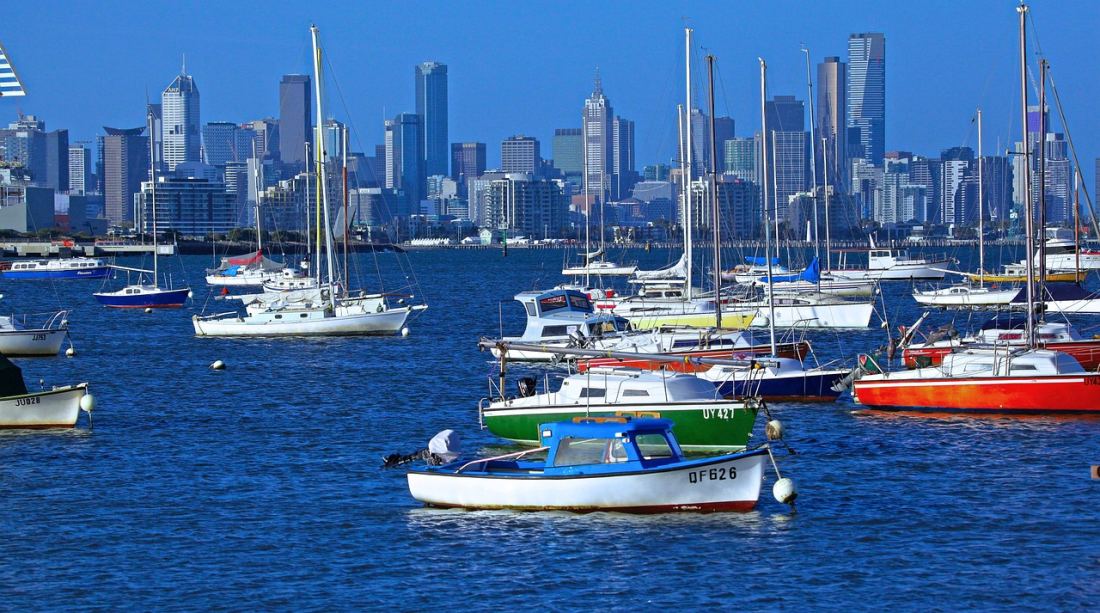
Melbourne is the second most well-known Australian city after Sydney. Therefore, numerous attractions await tourists.
Australia and Oceania’s most populous city lies on the shores of Port Phillip Bay. Founded in the 19th century, the city developed during the gold rush and became the country’s industrial and financial capital by the end of the century. It ranks high on the list of the world’s most livable cities.
Table of Contents
Melbourne attractions
Federation Square
Melbourne’s cultural and social center is located near Flinders Street Station and the Yarra River.
It was named after the formation of the Australian Federation in 1901. The square’s architectural style is bold and unique: a mosaic-like combination of glass, steel, and sandstone gives the buildings their distinctive appearance.
The square hosts numerous free concerts, art performances, and cultural festivals throughout the year. It’s particularly popular during events like White Night Melbourne or Australian Open broadcasts.
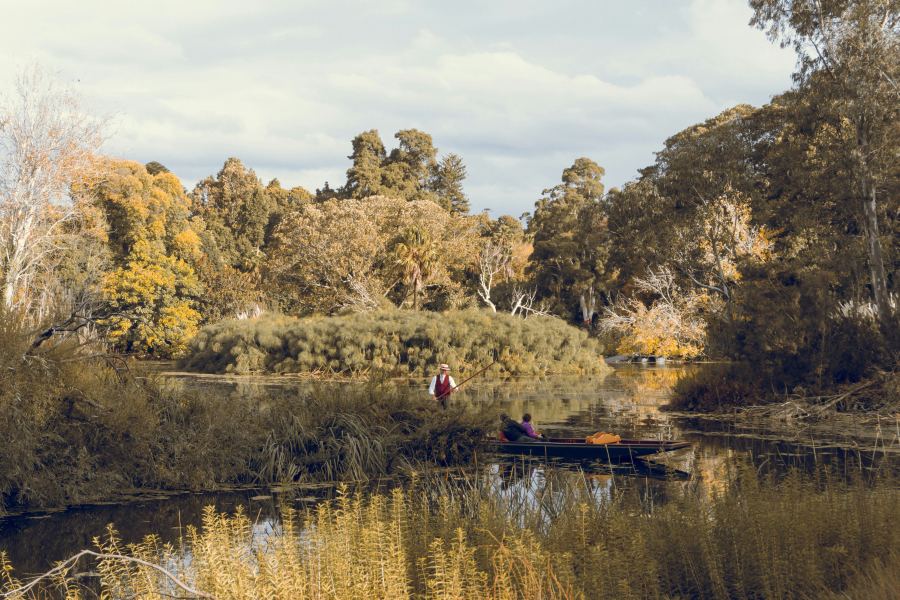
Royal Botanic Garden
One of Australia’s most beautiful and important botanical gardens is located south of the city center, along the Yarra River.
The 38-hectare garden is home to more than 8,500 plant species, including rare and endangered species. Founded in 1846 by Charles La Trobe, the colonial British governor, it is now one of the world’s leading botanical gardens.
The Tan Track is a 3.8 km running and walking path that surrounds the garden and is popular among athletes. The Fern Gully and rainforest section is a cool, shaded area showcasing Australia’s rainforest flora. The Arid Garden section features special cacti and succulents.
Entry is free!
Yarra Promenade
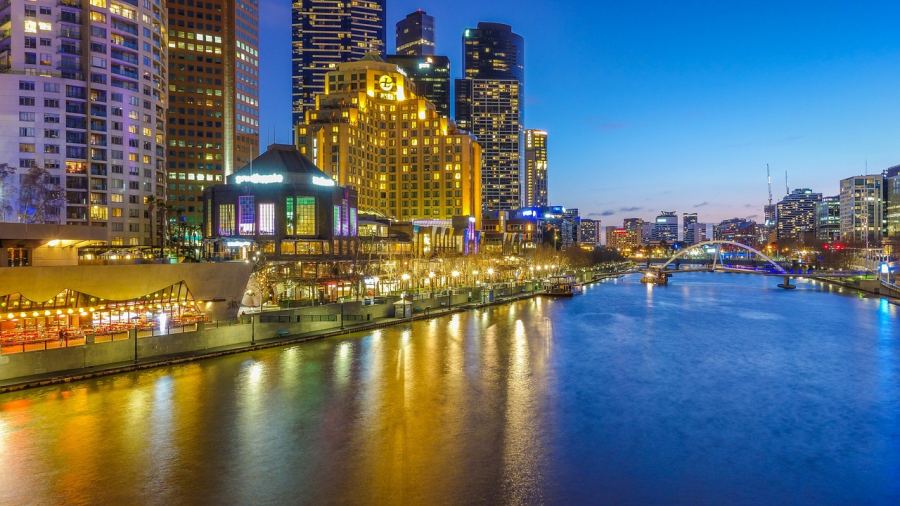
One of Melbourne’s most beautiful and enjoyable urban walking areas extends along the Yarra River.
The promenade on the south bank of the river features numerous cafes, restaurants, and bars. The view of the illuminated skyscrapers is especially beautiful at night.
St. Patrick’s Cathedral
Australia’s largest and tallest Catholic church is located in the eastern part of the city on Gisborne Street.
The building was designed by British architect William Wardell, who chose the neo-Gothic style to reflect the Irish Catholic community’s religious traditions. It was consecrated in 1897, although the towers were completed decades later.
The three main towers rise 105 meters high. The cathedral is built from sandstone, which gives the building a special yellowish-brown hue.
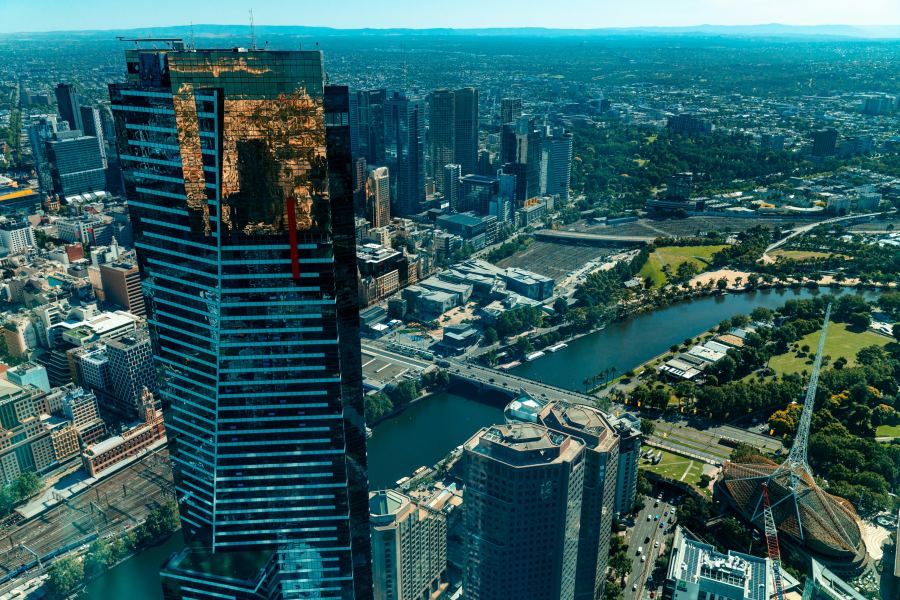
Eureka Tower
One of Melbourne’s most famous modern attractions also functions as an observation deck.
Built between 2002 and 2006, the tower was named after the 1854 Eureka Rebellion, a clash between gold miners and authorities in Victoria. The gold-plated section at the top symbolizes the gold rush, while the red stripe represents the rebellion. At 297 meters, it’s one of Australia’s tallest skyscrapers.
The observation deck (Eureka Skydeck 88) is on the 88th floor. One of the most popular tourist attractions is located 285 meters high and is Australia’s highest public observation deck. Its special feature is The Edge: a glass cube that protrudes from the tower and hovers over the city with transparent floor and side walls.
All information can be found here!
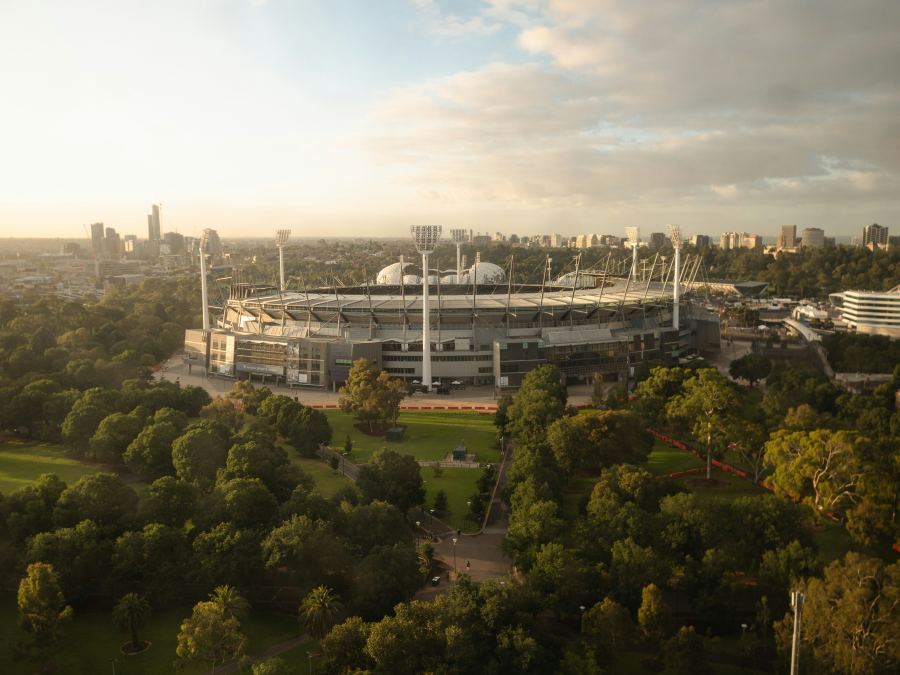
Melbourne Cricket Ground (MCG)
Australia’s largest stadium and one of the world’s most iconic sports facilities.
Located in Yarra Park, the stadium can accommodate more than 100,000 spectators. It’s not only a venue for cricket but also Australian football (AFL), various other international sporting events, and concerts.
The MCG is among the world’s 10 largest stadiums. It features the world’s tallest light towers, which provide the stadium’s evening illumination.
Rippon Lea Estate
This beautiful 19th-century Victorian mansion is one of Melbourne’s most beautiful historical buildings.
The mansion was built in 1868 by Frederick Sargood, a successful businessman who combined Victorian-era style with modern comfort. The Ballroom is one of the most spectacular parts of the mansion and still hosts weddings and events today.
The garden surrounding the mansion is also noteworthy. The 14-hectare English garden features a lake, pavilions, and greenhouses. Once, the plants grown here made the estate self-sufficient.
St. Paul’s Cathedral
The neo-Gothic Anglican cathedral next to Federation Square is the city’s other important church.
Designed by famous British architect William Butterfield. The three distinctive towers were completed in 1931, which is the church’s iconic part. The interior is decorated with beautiful mosaic floors, carved wooden chairs, and stained glass windows.
Carlton Gardens
A 26-hectare park on the northeastern edge of Melbourne’s business district, it’s one of Australia’s World Heritage sites.
The garden is an outstanding example of Victorian landscaping with beautiful lawns and various European and Australian tree species: there are English oaks, white poplars, plane trees, elms, conifers, cedars, turkey oaks, evergreens, perennial and annual flower beds. Tree-lined walkways highlight the beauty of the fountains and Exhibition Building.
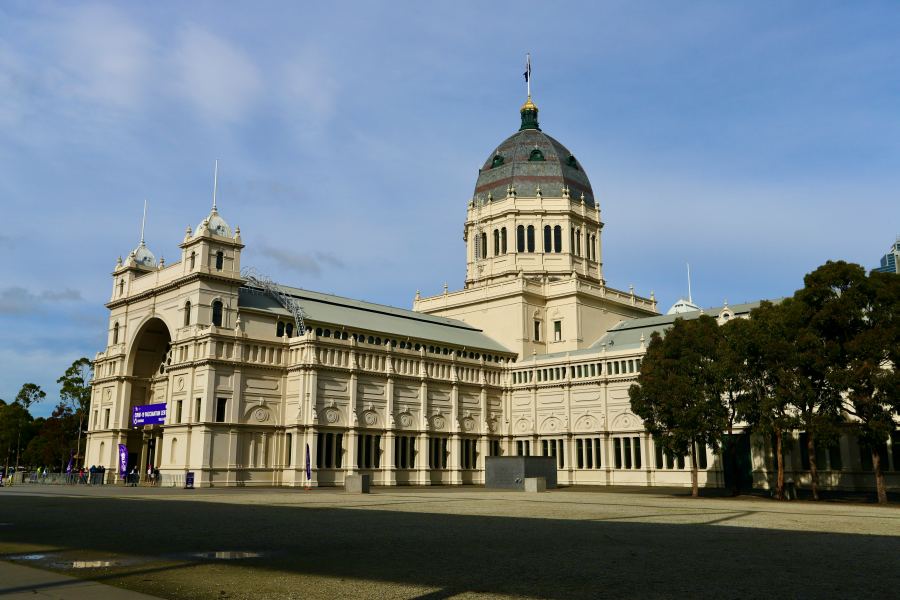
Royal Exhibition Building
Located in Carlton Gardens, this building is Australia’s first UNESCO World Heritage site.
The building was constructed in 1880 for the Melbourne International Exhibition. In 1901, Australia’s first federal parliament was opened here before moving to Canberra.
The neo-Renaissance style shows European influence, with its dome reminiscent of Florence’s cathedral in Italy. It hosts numerous events, including the annual Melbourne Flower and Garden Show. Special guided tours showcase the building’s history and significance.
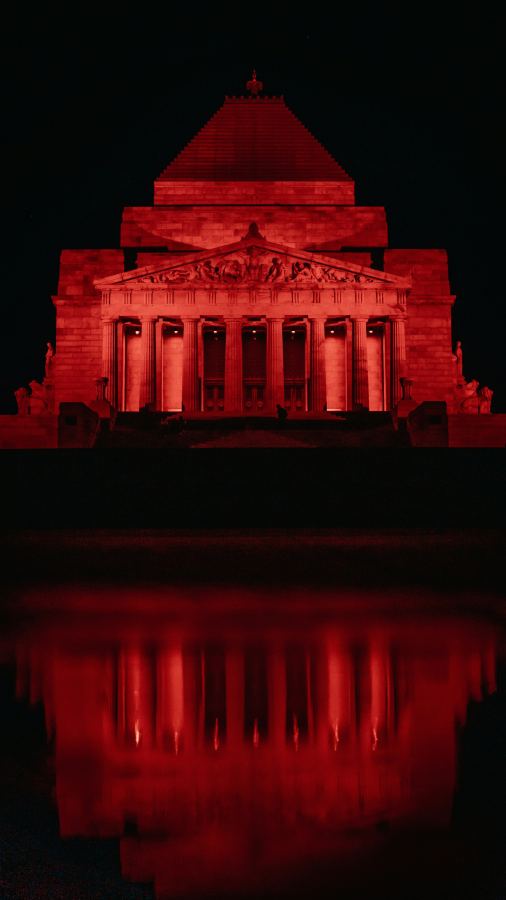
Shrine of Remembrance
Located in Kings Domain park south of the city center, it’s one of the country’s most significant war memorials.
The memorial was built to honor Australian soldiers who fought and fell in World War I. The building is classical Greek style and was inspired by the Parthenon in Athens. It’s built from granite and features monumental columns.
Every year on November 11th (marking the end of World War I) at exactly 11 AM, a ray of light illuminates the stone tablet, commemorating the soldiers’ sacrifice. The top of the memorial offers beautiful panoramic views of Melbourne city and the botanical gardens.
Cooks’ Cottage
Australia’s oldest building was the home of Captain James Cook’s parents.
Interestingly, it was originally built in Yorkshire, England, in 1755. In 1933, Sir Russell Grimwade purchased the building to gift it to Melbourne. Every brick was numbered and shipped to Australia.
The building is a typical 18th-century English farmhouse, built from brick with a thatched roof. Through original furnishings and period decorations, visitors can glimpse everyday life in Captain Cook’s era. The garden was designed after original 18th-century English gardens, with herbs and vegetables.
Hosier Lane
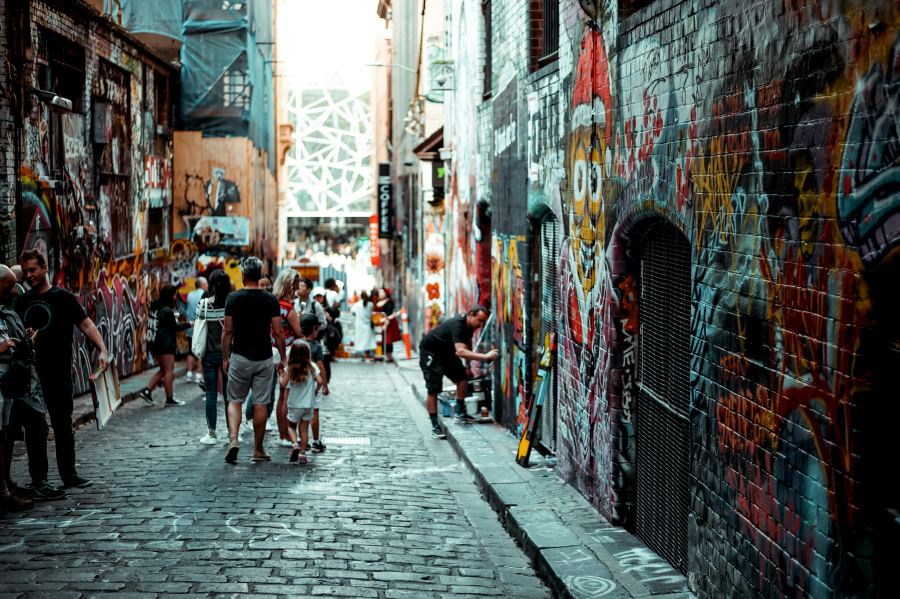
One of Melbourne’s most famous alleyways is world-renowned for its impressive street art and graffiti culture.
The walls are covered with constantly changing graffiti, stencil paintings, and murals created by local and international artists. There are no permanent works, as artists add new layers continuously, making the alley’s appearance constantly evolving.
Flinders Street Station
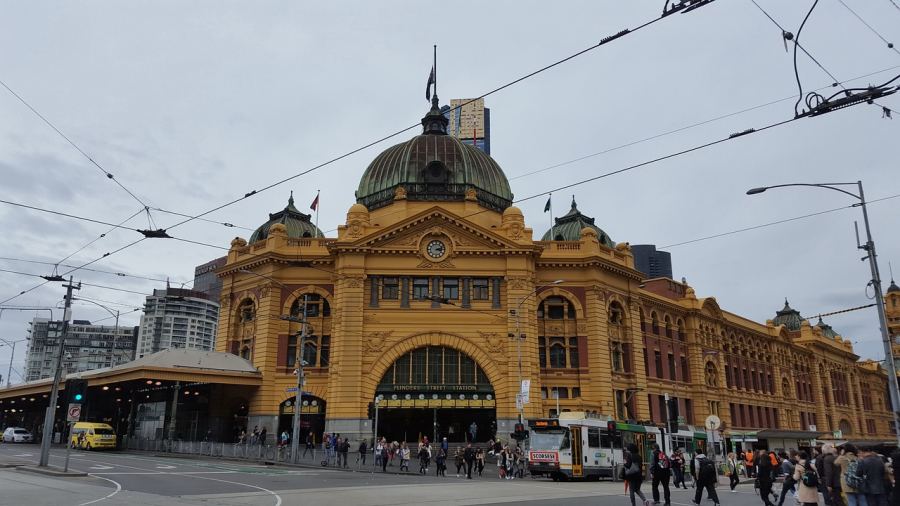
One of the city’s most important railway stations is Australia’s oldest train station.
Construction began in the late 19th century, and it opened in 1910, becoming Melbourne’s central railway hub. The building features neoclassical and Edwardian styles, reflecting the influence of European metropolitan railway stations.
One of the station’s most famous features is the row of clocks above the main entrance, where people traditionally arrange to meet. This is the origin of the local saying: „Meet me under the clocks”.
Queen Victoria Market
One of Melbourne’s largest markets is among Australia’s largest open-air markets.
Opened in 1878, it’s a favorite destination for locals and tourists alike. Some of the buildings are historically significant and registered as UNESCO heritage sites.
Spanning 7 hectares, the market offers a huge range of goods: in the covered halls and outdoor stands, local producers sell fresh fruits, vegetables, meat, fish, and dairy products, while other areas offer crafts, souvenirs, clothing, and household items.
Brighton Beach
One of Melbourne’s most beautiful beaches is located about 30 minutes drive south of the city.
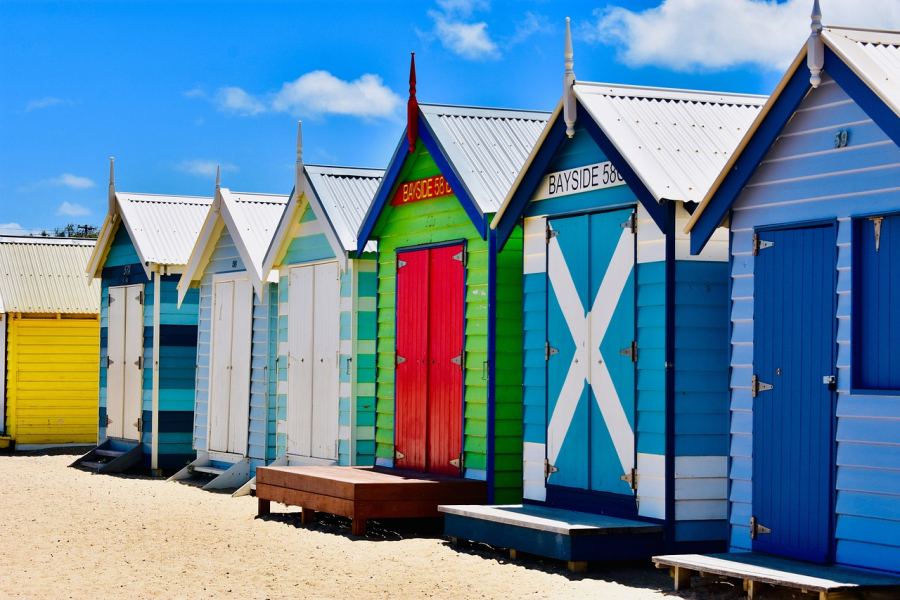
Its attractions are the bathing boxes. These small wooden cabins, built in the late 19th century and painted in bright colors, were originally connected to Victorian-era bathing customs. They are now protected as historical monuments.
The beach is excellent for sunbathing, swimming, and picnicking, as the shoreline is well-maintained and clean. The waters here are calmer than at ocean beaches, making it ideal for beginning swimmers and families.
Royal Melbourne Zoological Gardens
Australia’s oldest zoo is considered one of the world’s best-designed zoos.
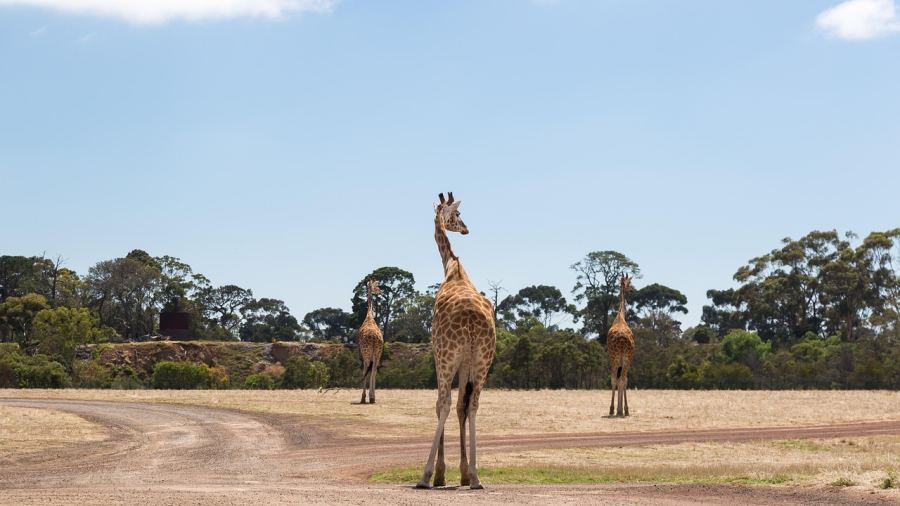
It houses more than 320 animal species in an impressive 22-hectare area. Its specialty is showcasing animals in environments that mimic their natural habitats, making visitors feel as if they’re really in a rainforest, savanna, or Australian wilderness.
One of the most popular attractions is the Trail of the Elephants, where Asian elephants live in a huge, near-natural enclosure. The Lions Gorge houses large predators like lions and tigers. In the Australian Bush section, you can admire iconic Australian animals like kangaroos, wombats, and koalas.
All information can be found here!
SEA LIFE Melbourne Aquarium
This exciting marine life institution is located on the banks of the Yarra River.
One of its most exciting parts is the huge underwater tunnel, where visitors can come face-to-face with giant sand tiger sharks, rays, and other marine predators as these fascinating animals swim around them.
Other popular sections include the Penguin Playground, the Coral Reef, and the Crocodile Cave. In the Rockpools, you can even handle some special creatures like starfish and crabs.
All information can be found here!
Melbourne Museum
Australia’s largest museum showcases the country’s natural and cultural heritage.
Main exhibition areas include:
- Bunjilaka Aboriginal Cultural Centre: An exhibition showcasing indigenous Australian history and culture, where visitors can interactively learn about aboriginal traditions and stories.
- Dinosaur Walk: A section displaying spectacular dinosaur skeletons and fossils, a favorite among children and history enthusiasts.
- Forest Gallery: An indoor living rainforest showcasing Victoria’s flora and fauna, providing a true nature-close experience.
- Mind and Body Gallery: An interactive exhibition exploring human body and mind functions, introducing psychological and biological processes to visitors.
- Science and Life Gallery: A section presenting the world of natural sciences and evolution, where visitors can learn about Earth’s history and the development of various living organisms.
All information can be found here!
Australian Sports Museum
The museum is located in the Melbourne Cricket Ground (MCG) building and showcases Australia’s rich sports history.
The exhibitions interactively and modernly tell stories about various sports, including Australian football (AFL), cricket, rugby, Olympics, tennis, and horse racing. Visitors can see numerous rare relics, trophies, sports equipment, and historical documents.
All information can be found here!
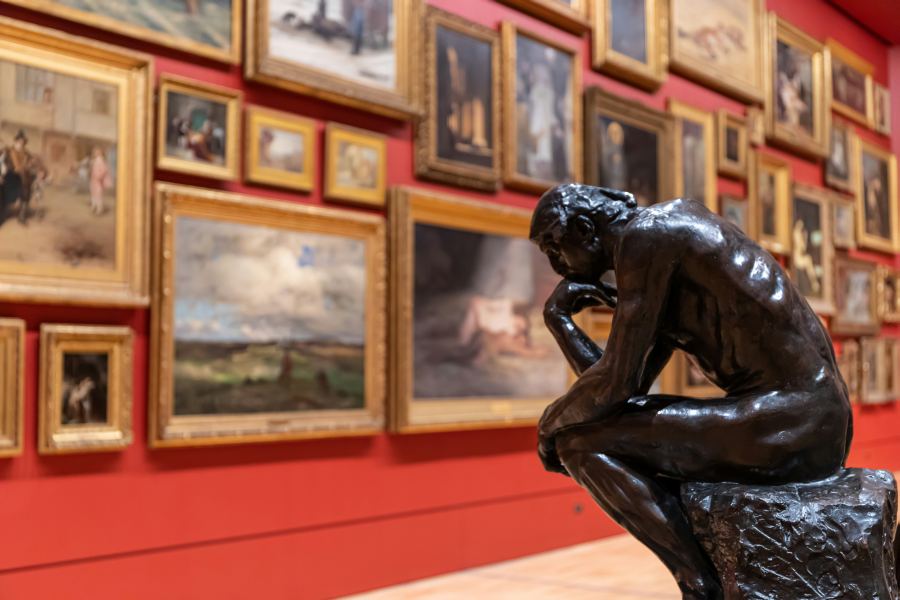
National Gallery of Victoria
Australia’s oldest and one of its most significant art museums is located at Federation Square.
The main building houses the international art collection, which includes works by world-famous masters such as Rembrandt, Monet, Van Gogh, Picasso, and Turner. Visitors can explore European, Asian, Oceanian, and American arts, including classical paintings, sculptures, and contemporary works.
The Ian Potter Centre exclusively shows Australian art, including indigenous and contemporary artworks. This is the world’s first gallery entirely focused on one country’s art.
All information can be found here!