New York is one of the world’s most famous cities and is on most people’s bucket lists. Most of the attractions are in Manhattan, which I will present here.
The most populous municipality in the USA, the third most populous in the supercontinent of America. The city has five major boroughs, with Manhattan being the central part. Naturally, most of New York’s attractions are concentrated here, and therefore I’ll divide these according to the borough’s official division into three parts: Lower, Midtown, and Upper Manhattan.
Table of Contents
Lower Manhattan
Statue of Liberty
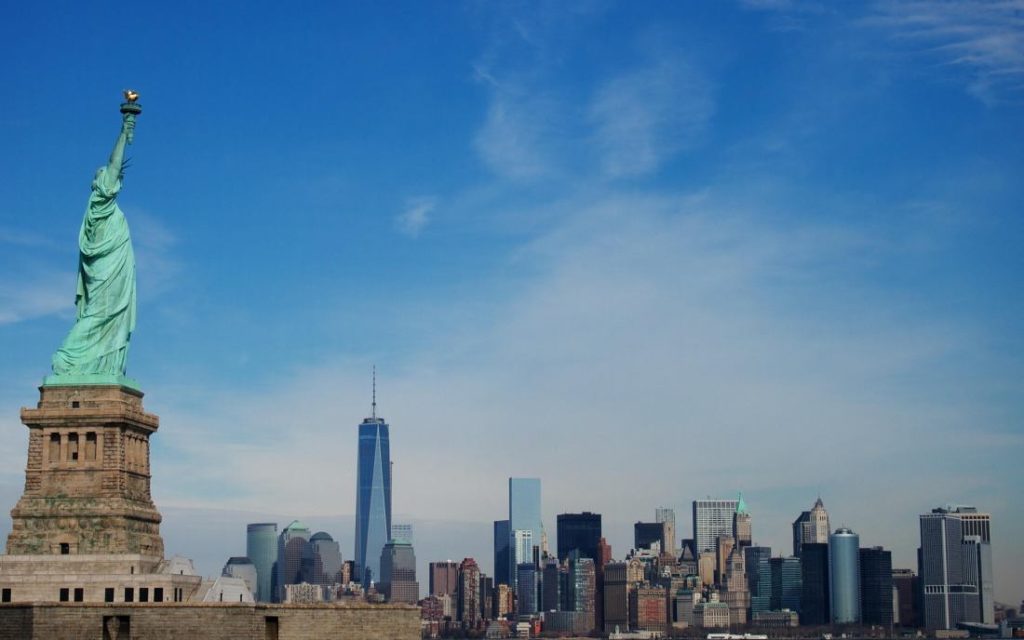
America’s symbol representing freedom and democracy. Few people know that the statue was a gift from the French in 1886 for the centennial of independence.
The 93-meter-tall bronze statue stands at the mouth of the Hudson River on Liberty Island. The interior is accessible, and the view from the crown’s observation deck is fantastic. The museum on the second floor of the pedestal showcases the statue’s history.
After the September 11, 2001 terrorist attack, it was closed to visitors for a long time, but since 2009 it has been open again, although the daily number of visitors is limited.
All information can be found here!
Access: From Battery Park ferry terminal. Schedule and prices can be found here!
Staten Island Ferry
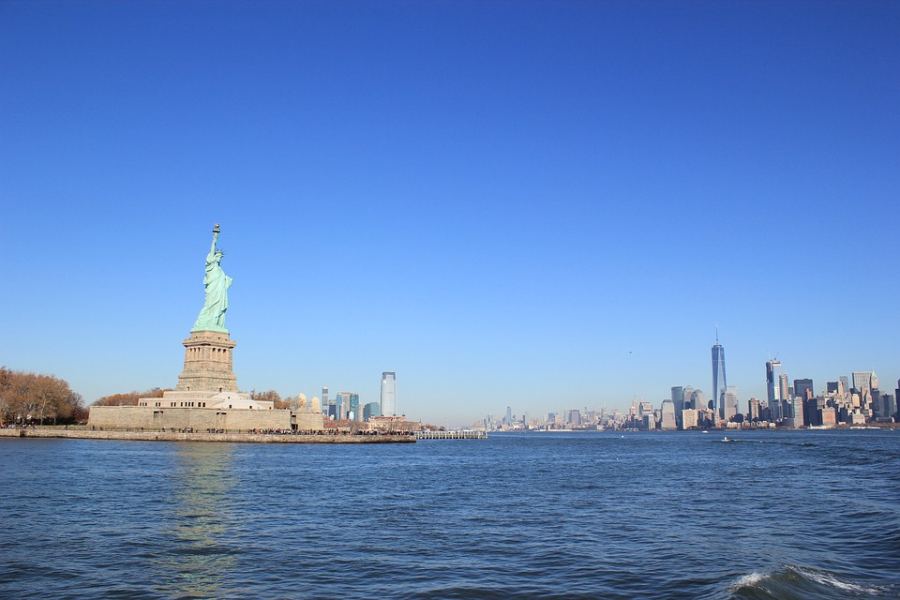
If we don’t want to (or couldn’t) go to the island, there’s an excellent view of the statue from the nearby Staten Island Ferry. Be prepared to „fight” for a spot as many people use it.
The ferry is free!
The Staten Island Ferry departs from Whitehall Terminal ferry station (southeastern tip of Battery Park), schedule can be found here!
How to get to the ferry terminals: Take subway line 1 to South Ferry station; R, W trains to Whitehall St South station.
Battery Park
This park is located at the southern tip between skyscrapers and the bay. Here you’ll find the former fortress, Castle Clinton.
The park itself is average; the large crowds are due to the ferries heading to the Statue of Liberty.
Wall Street and the Charging Bull
Who doesn’t know this is the center of financial life! It’s actually not just one street but a district of the financial sector. Wall Street is a side street where the world’s largest stock exchange, the New York Stock Exchange, is located.
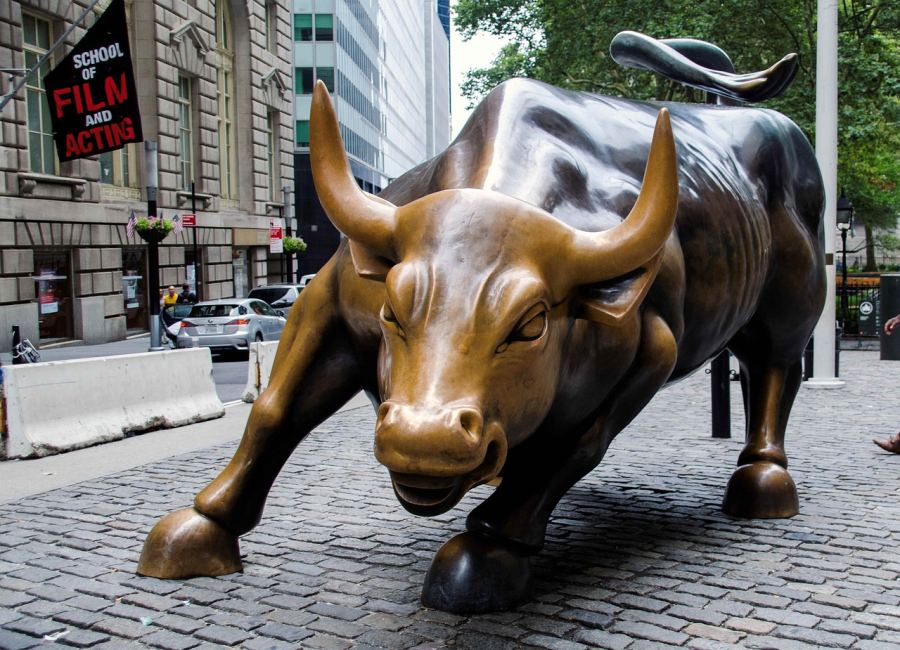
On the main street is the famous bull statue (Charging Bull), which is always surrounded by tourists. Why is there a bull at the center of the financial district? Because in the stock market world, the bull is a symbol of rising prices.
Opposite the New York Stock Exchange building is Federal Hall, where George Washington, the first president, took his oath of office. Entry is free!
The Trinity Church parish church in neo-Gothic style is an interesting sight among the skyscrapers.
Access: Take subway lines 4, 5 to Wall Street station; J, Z trains to Broad Street station.
World Trade Center – Ground Zero
This site commemorates the terrorist attacks of September 11, 2001. The World Trade Center twin towers were New York’s tallest buildings. A metal basin now stands in their place, with the names of victims inscribed around its perimeter. There’s also a museum next to the memorial.
The One World Observatory is located on floors 100-102 of the adjacent One World Trade Center, offering 360-degree views. (This is one of the three main observation decks.)
Entrance fees to the observatory, opening hours, and all information can be found here!
Access: Take subway line 1 to WTC Cortlandt station; E train to World Trade Center station; R, W trains to Cortlandt Street Station.

Washington Square Arch
Located in Washington Square Park, this arch was modeled after Paris’s Arc de Triomphe. Two statues of George Washington stand on the side facing Fifth Avenue.
Access: Take A, B, C, D, E, F, M trains to West 4 St-Washington Square Station, then walk 500m; R, W trains to 8 Street Station, then walk 500m.
Chinatown
Like every metropolis, there’s a large Chinese community here. Approximately 90,000 to 100,000 people live between Canal Street and East Broadway subway stations. This district is the largest Chinese community outside of Asia. It’s worth visiting to walk around and eat.
Access: Take A, C, E, J, N, Q, R, W, Z and 6 trains to Canal Street station.
SoHo
This neighborhood is primarily known for its galleries, cultural centers, and numerous shops, boutiques, and shopping centers.
It’s characterized by its cast-iron architecture, with the largest concentration of such buildings in the world still existing here today.
Access: Take C, E trains to Spring St station; R, W trains to Prince St station.
Brooklyn Bridge
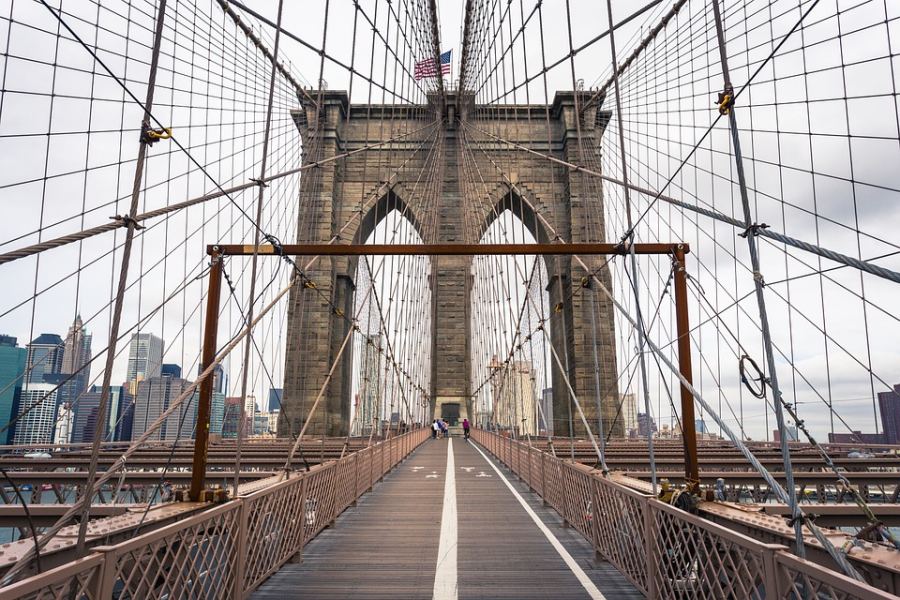
The world’s first steel cable bridge connects Brooklyn to Manhattan. The bridge has two levels, with the upper level reserved for pedestrians and cyclists.
It’s worth walking across from the Brooklyn side during daylight and sunset, then admiring Manhattan’s illuminated skyscrapers.
Access: On Brooklyn side, take A, C trains to High Street-Brooklyn Bridge station; on Manhattan side, take 4, 5, 6 trains to Brooklyn Bridge-City Hall station.
Midtown Manhattan
Broadway
The famous theater district is located between 40th and 54th Streets, on the city’s oldest north-south avenue.
The world knows it primarily as the center of American theater life, a cultural hub that attracts hundreds of thousands of tourists annually.
Times Square
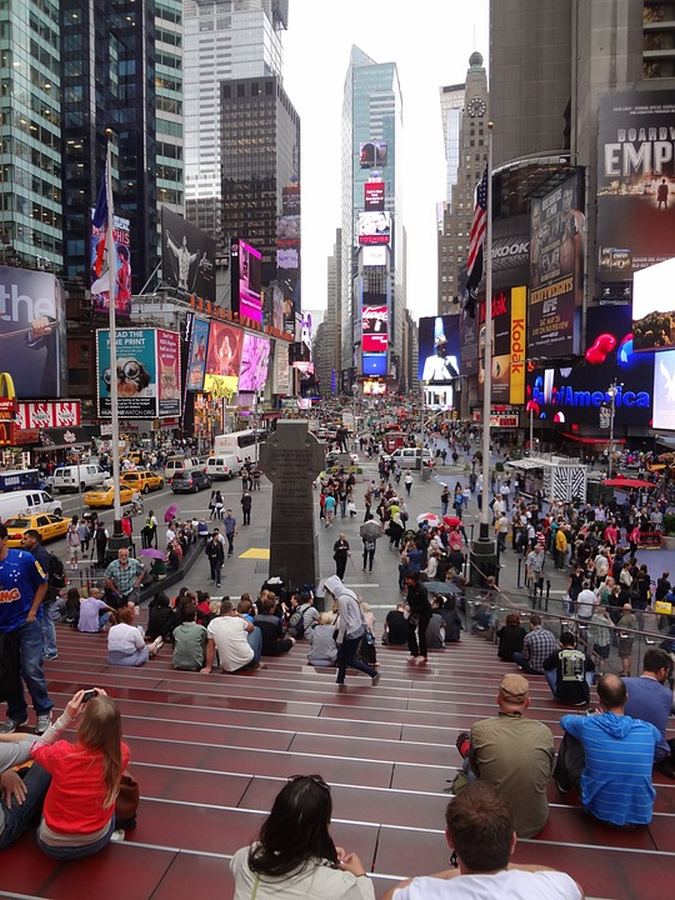
Times Square is located at the intersection of 46th-47th Streets and Broadway.
The flashing lights and advertisements provide an impressive sight – definitely visit after dark! On New Year’s Eve, this is where they drop the iconic, huge crystal ball.
Although we might say it’s just a square, it’s still one of the best New York attractions. Just sit in the square at night and feel the atmosphere of the world’s most famous intersection.
Access: Take 1, 2, 3, 7, N, Q, R, S, W trains to Times Square-42 Street station.
Empire State Building
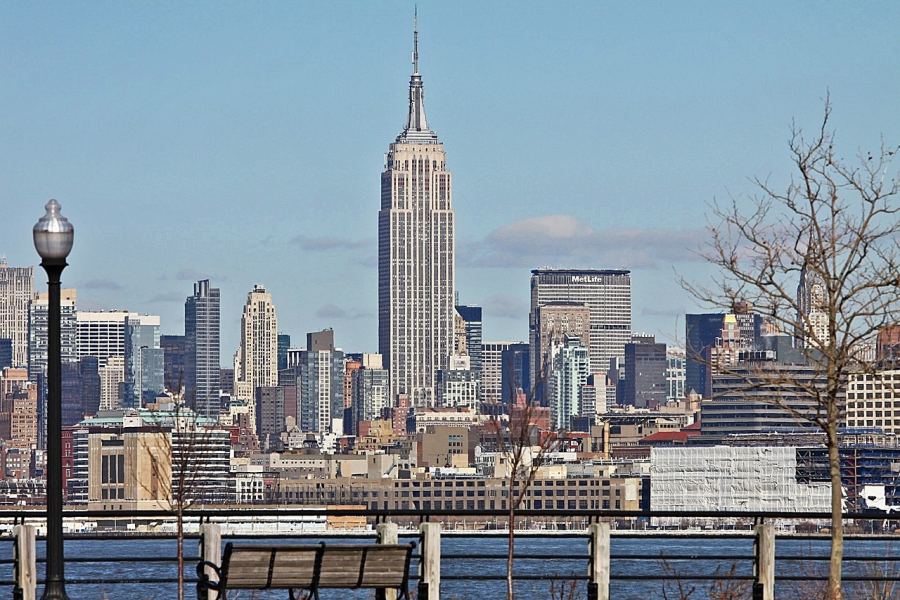
One of the city’s most famous buildings got its name from New York state’s nickname (Empire State). On holidays, its top glows in colored lights, attracting even larger crowds.
The building features the city’s highest open observation deck, offering magnificent panoramic views of the city. The South Manhattan skyscrapers provide an especially beautiful view. The 86th floor is the open section, while the 102nd floor is enclosed.
Entrance fees to the observatory, opening hours, and all information can be found here!
Access: Take 1, 2, 3 trains to 34 Street-Penn Station, then walk 600m.
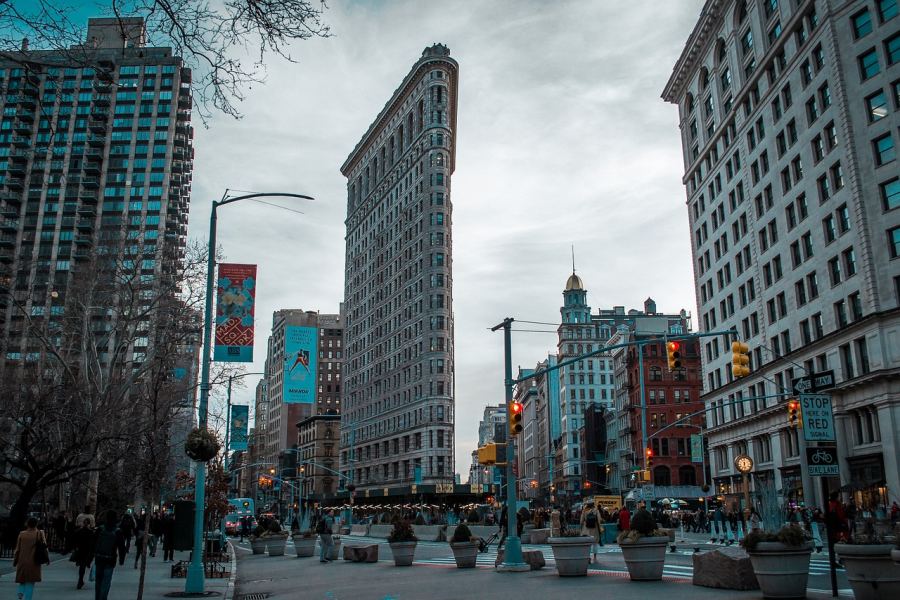
Flatiron Building
Located at the intersection of 23rd Street, Fifth Avenue, and Broadway. The building got its name from the triangular plot it was built on, which resembles an old-style iron.
It offers an interesting sight – sit on the chairs at the edge of Madison Square Park opposite and enjoy the panorama!
Access: Take R, W trains to 23 Street station.
Grand Central Terminal
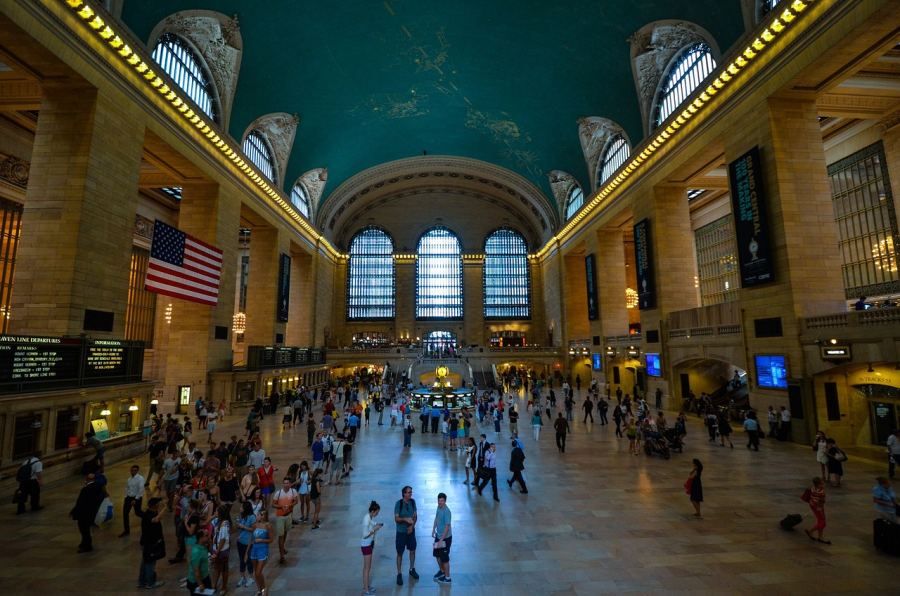
Perhaps the world’s most famous railway station, which is the largest in the world by number of platforms.
However, it’s most famous for its main concourse, with frescoes depicting zodiac signs on the ceiling. It’s a popular film shooting location.
Access: Take 4, 5, 6, 7 trains to Grand Central-42 Street station.
Chrysler Building
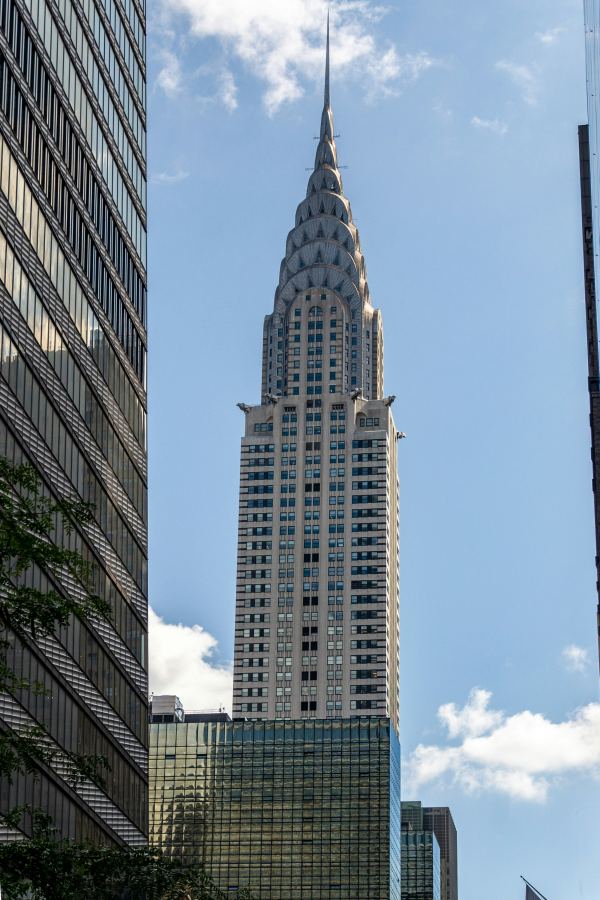
The distinctive Art Deco skyscraper is 319 meters tall and was commissioned by Walter P. Chrysler.
After its completion in 1930, it held the title of „world’s tallest building” for eleven months and remains the world’s tallest brick building, although it has an internal steel frame.
Car-related symbols were used as decorative elements (such as a car radiator cap), which appear on the setback friezes at the tower’s base and other parts of the building.
Access: 200 meters walk from Grand Central Terminal.
Rockefeller Center
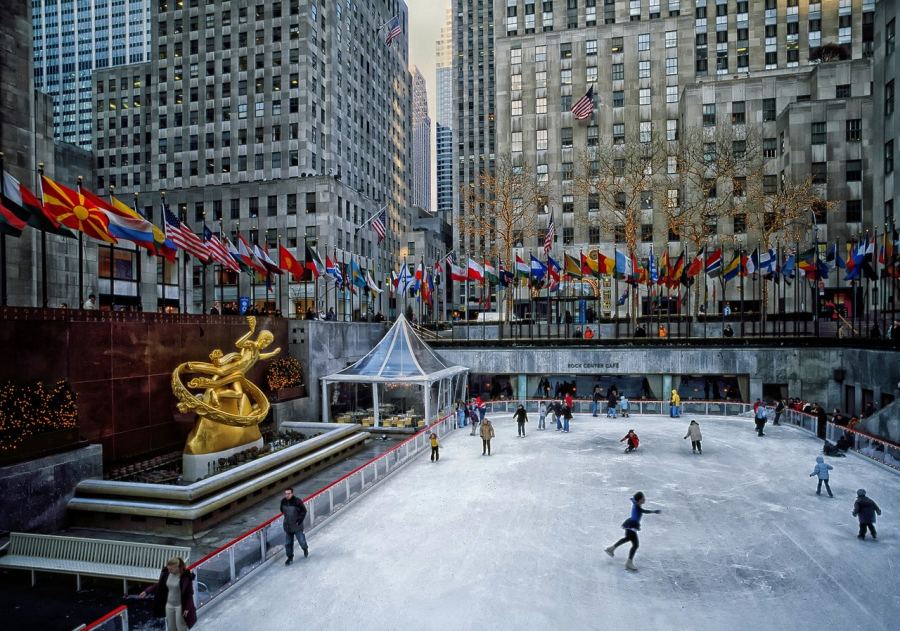
A complex of 19 towers named after John D. Rockefeller Jr., who built it in 1931.
It houses perhaps the world’s most famous ice rink, „The Rink at Rockefeller Center,” in front of which stands the famous Prometheus statue. This is also where they set up the Rockefeller Center Christmas tree, whose lights are lit by New York City’s mayor in a televised ceremony.
The building’s top features the Top of the Rock observatory, which some say offers the best view (of the three main observatories). This is because it provides a broader view of the southern area and the famous Empire State Building is in the foreground.
Entrance fees to the observatory, opening hours, and all information can be found here!
Access: Take B, D, F, M trains to 47-50 Street Rockefeller Center station.
St. Patrick’s Cathedral
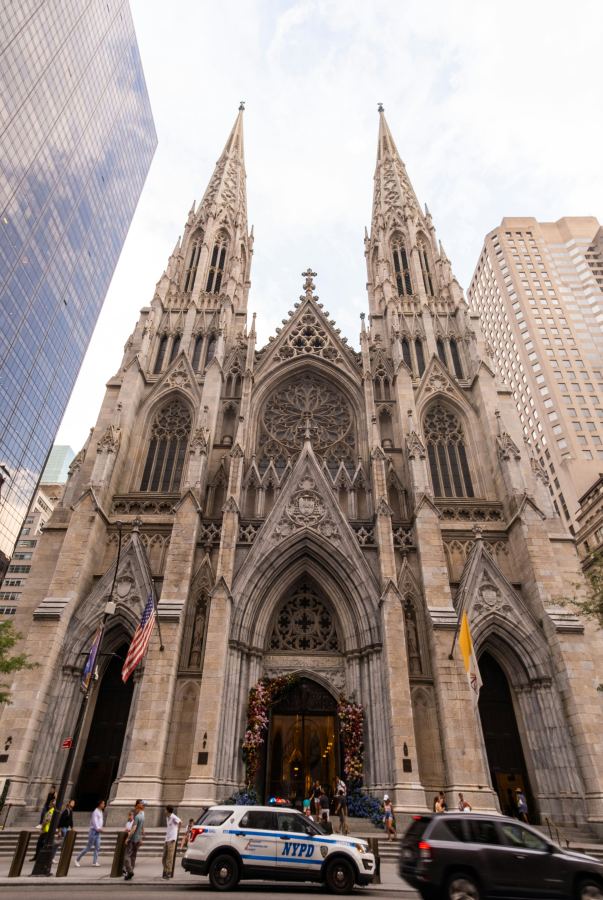
New York City’s largest and most famous Roman Catholic church is located on Fifth Avenue, opposite Rockefeller Center.
The cathedral is an iconic example of American Neo-Gothic architecture and opened its doors to worshippers in 1879. The building was designed by James Renwick Jr., who drew inspiration from French and English Gothic churches.
Its impressive architectural elements include the tall, soaring twin towers that rise over 100 meters high. The intricately detailed facade is adorned with beautiful rose windows and carved stone elements. The interior space is enormous and can accommodate up to 3,000 people at once.
Madame Tussauds
I think everyone knows that this wax museum displays life-size wax figures of famous people. After London, this is the most popular one in the world.
It showcases more than 200 lifelike wax figures: historical figures, politicians, athletes, pop culture icons. Who wouldn’t want to meet Brad Pitt, Abraham Lincoln, Albert Einstein, or Dwayne „The Rock” Johnson!?
Various themed exhibitions are also on display, such as Marvel Super Heroes and Ghostbusters. Additionally, there are several 4D cinemas here.
All information can be found here!
Access: Take A, C, E trains to 42 St – Port Authority Bus Terminal station.
UN Headquarters
The United Nations headquarters stands on the east side, along the East River.
There’s an opportunity to take a tour of the visitor center and learn about the organization’s operations. All information can be found here!
Access: Take M15, M42 buses to 1 Av/E 42 St stop.
The High Line
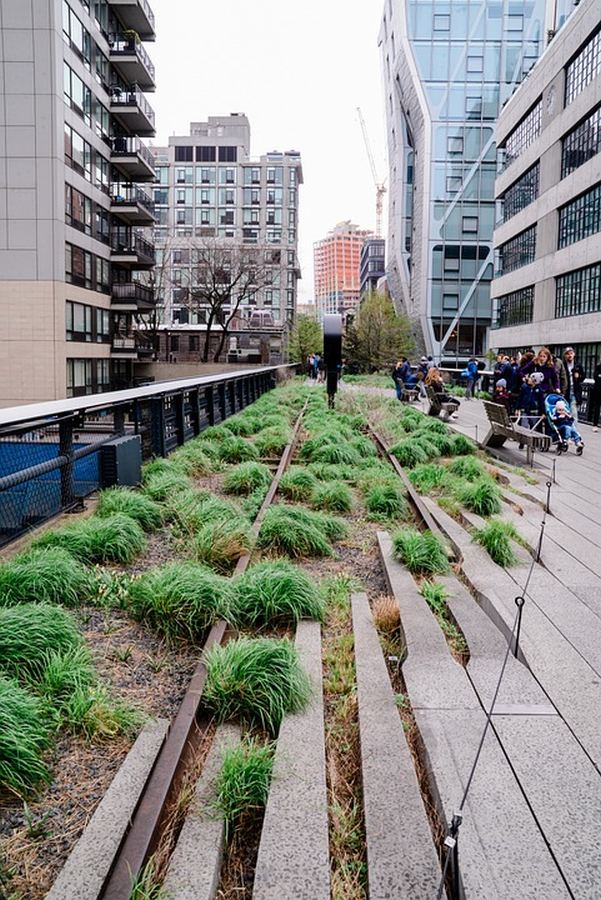
This is a 2.3 km elevated walkway that runs from the intersection of West 14th Street and Gansevoort Street to West 34th Street.
The West Side Line elevated railway used to run here, and some tracks are still visible today. It’s worth walking along it; at the northern end, there’s a great view of the Hudson River and Jersey.
Between 15th and 16th Streets is Chelsea Market, home to numerous artisanal products and market food stalls.
Access: Southern end – take A, C, E trains to 14 Street station, then walk 600m; Northern end – take 7 train to 34 Street-Hudson Yards station, then walk 300m.
Central Park
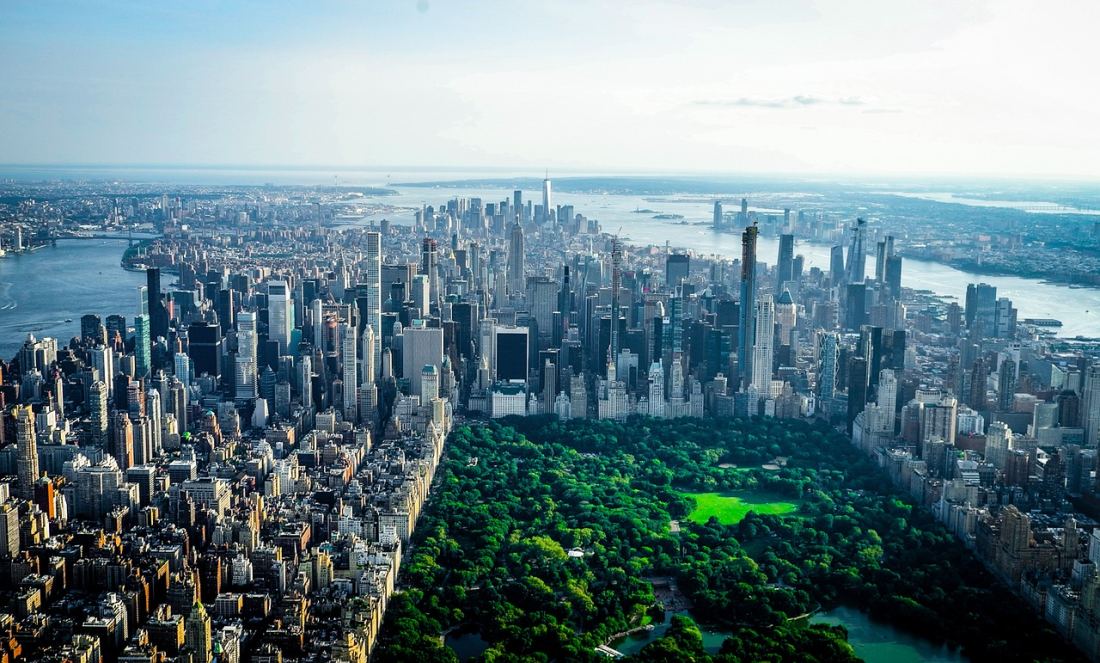
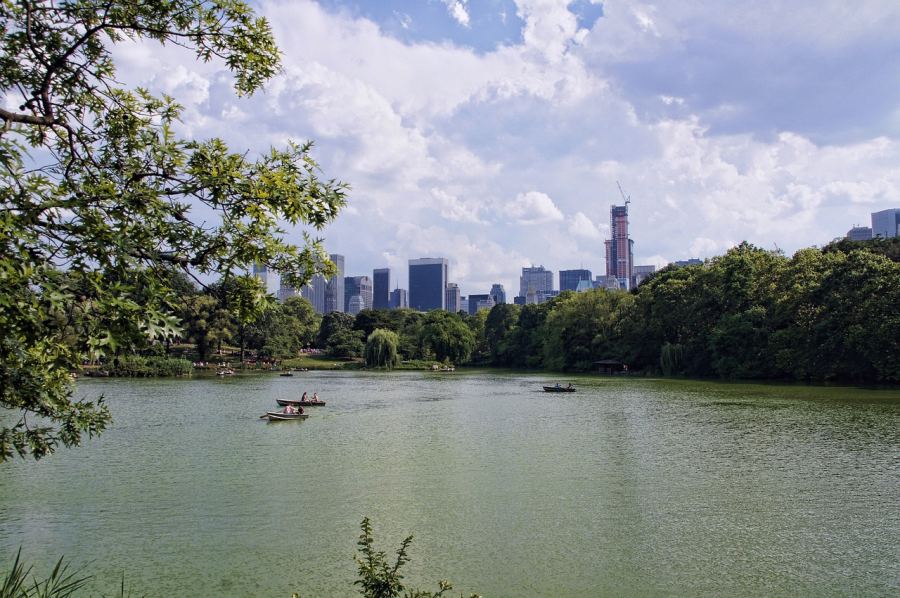
The world’s most famous park extends lengthwise through Manhattan’s territory. It separates the upper and middle sections. It has been a location for many films and is popular with both locals and tourists. Playgrounds, sports fields, lakes, large grassy areas, and an ice rink in winter serve for recreation.
Although it’s about 5 km to walk between its two endpoints, it’s still worth spending time and energy as there are attractions in every section.
It’s easily accessible from almost every side, with 9 subway stations located around the park’s edges.
The Central Park Zoo is in the southeastern part. It’s not large, but it’s known for its location and the Madagascar Penguins animated series.
Further north is The Mall and Literary Park walkway, which is a true horticultural gem. The American elms here are among the last specimens in North America, making it a popular walking spot due to their appearance.
The walkway leads to the most famous spot, the Bethesda Terrace and Fountain area. This appears in most films shot here.
You can go boating on The Lake. East of the lake stands the famous Alice in Wonderland statue.
The Reservoir occupies most of the central area. You’ll see many runners and joggers here.
In the eastern part of the northern section, it’s worth seeing the Conservatory Garden. This resembles a botanical garden with well-maintained plants.
Roosevelt Island Tramway
An aerial tram runs between Roosevelt Island and the corner of 2nd Avenue/E 60 Street, which can be used with public transportation tickets and passes.
It’s worth starting from the island, as it offers excellent views of Manhattan.
All information can be found here!
Upper Manhattan
Harlem
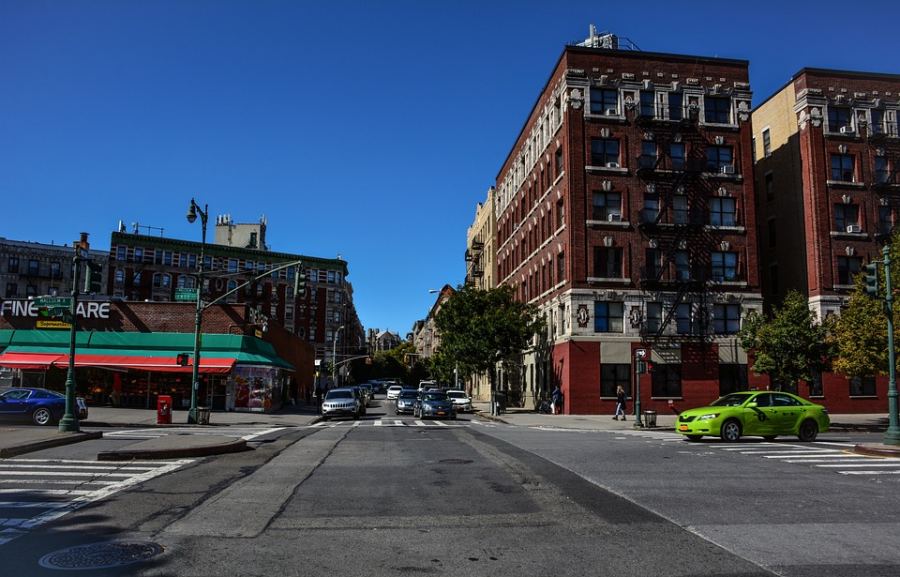
Anyone who’s heard of this neighborhood has probably heard of it in a negative context. It’s worth visiting not for the attractions but for the atmosphere. Just be careful not to wander here at night.
I walked along 125th Street; there were many vendors, some quite „pushy” with tourists. Don’t let yourself be pressured, politely decline their offers.
However, there is one specific place to visit: a church service, known from films for its dancing and music (gospel). Several churches welcome visitors; schedule it for a Sunday morning! Important note: don’t be afraid, the locals are very kind and friendly.
The Cathedral Church of St. John the Divine
It has an interesting history: construction began in the late 19th century but is still not completely finished. However, when completed, it will be the world’s largest cathedral. It functions not only as a church but also houses a theater and school.
Access: Take 1, A, B, C trains to Cathedral Parkway-110 Street station.