Due to its size, Australia has many beautiful locations. Here are 15 wonderful attractions worth visiting if you find yourself on this continent!
Table of Contents
Best places in Australia
Sydney
Australia’s most important and popular destination, the country’s center in almost every sense.
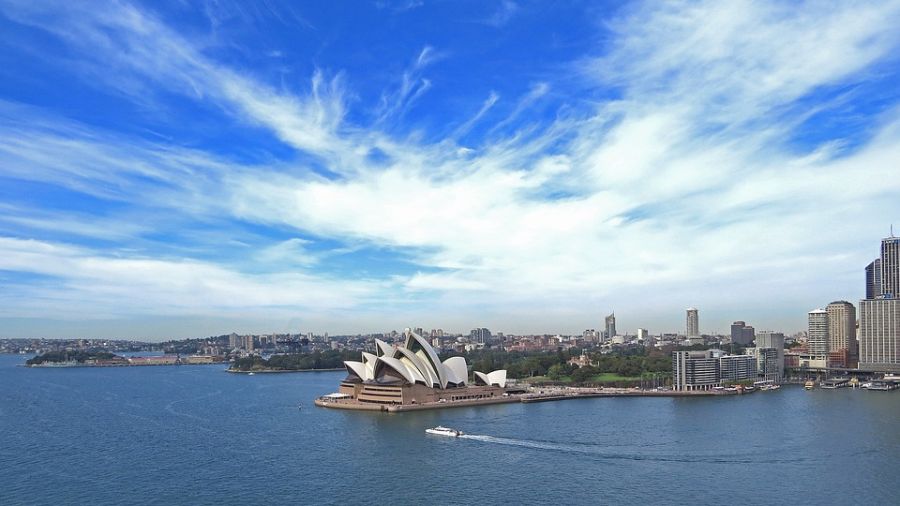
Of course, the most famous building is the Opera House, resembling a sail. Its image often appears due to its exterior and surrounding scenery.
The beach is also a must-see, with Bondi Beach, a few kilometers from the city center, being unmissable. Situated in a bay, forming a semi-circle, this fine sandy beach is popular among bathers and water sports enthusiasts.
Uluru
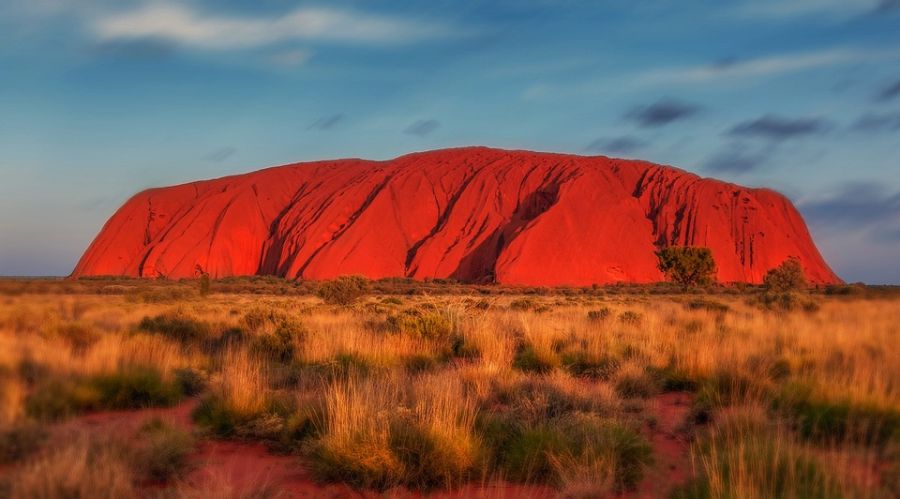
Located in Australia’s desert central area, 450 km southwest of Alice Springs, is a large red sandstone monolith.
One of the country’s iconic places, it is a religious pilgrimage site for the indigenous people living there. Its touristic value is enhanced by the different colors it appears in under the sunlight at various times of the day and year.
Melbourne
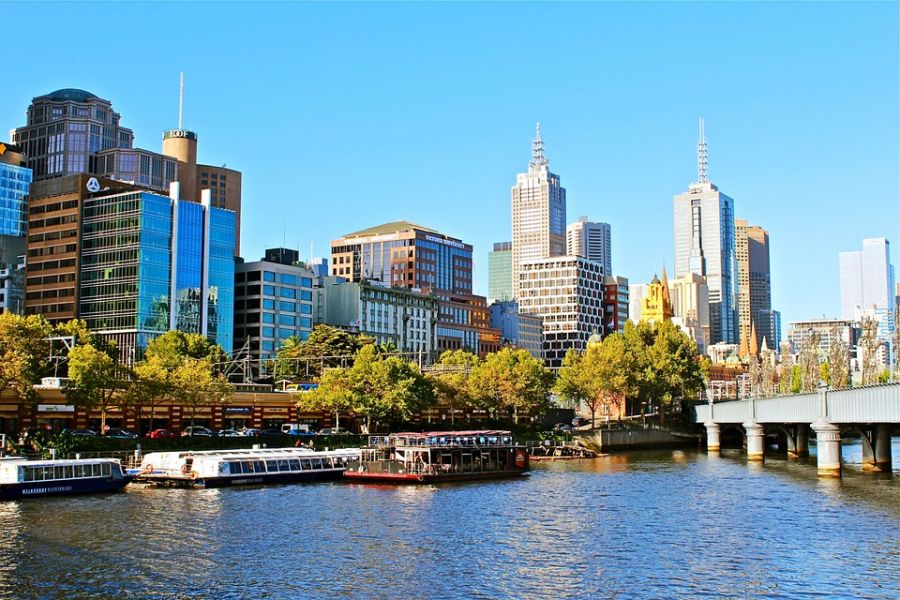
The country’s most populous city, which has been named the world’s most livable large city several times.
Melbourne is Australia’s arts center, where the International Arts Festival is held. Regular open-air performances are also held in major gardens and parks, often timed around sunset.
Many consider it a more beautiful and homely city than Sydney: its architecture, Victorian small houses all make Melbourne enjoyable.
Brisbane
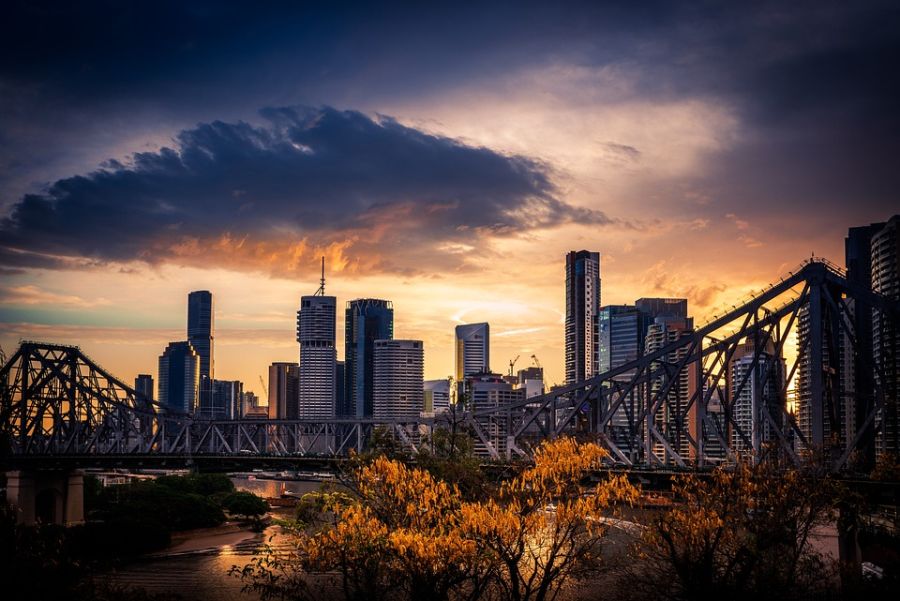
The capital of the Australian state of Queensland, and Australia’s third-most populous city.
The city, a great combination of historic and modern buildings, is home to many Anglican churches. A must-see is the Story Bridge, spanning the winding Brisbane River.
Many also come for the long Gold Coast to the south, but take time to explore the city too!
Gold Coast
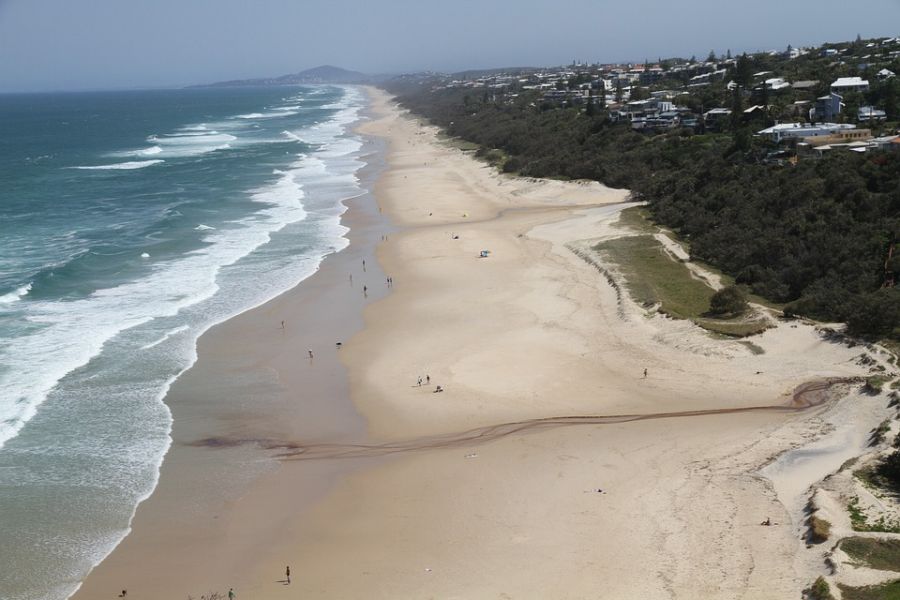
Australia’s most famous seaside area, stretching nearly 75 km south of Brisbane.
White sandy beaches and pleasant temperatures nearly all year round await tourists. The coast is a paradise for water sports enthusiasts. It’s aptly named Surfer’s Paradise.
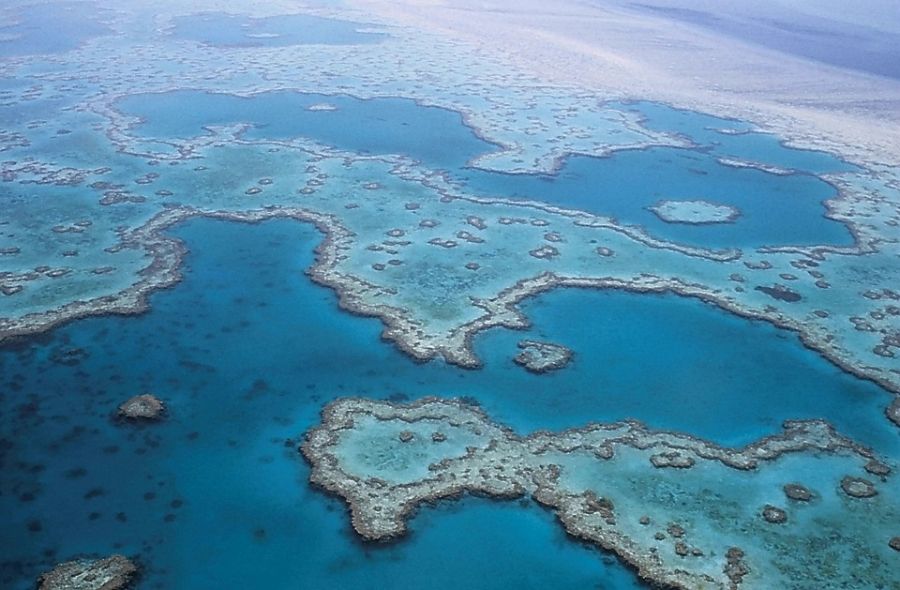
Another popular excursion is the Great Barrier Reef, the world’s only natural formation of its kind. Besides diving, definitely take a glass-bottom boat tour!
Cairns
The center of North Queensland, a very pleasant, friendly city with a strong tradition of outdoor activities, such as barbecuing and cooking.
Its main attraction drawing numerous visitors is the Great Barrier Reef. It’s perhaps the closest to the shore here, hence numerous companies offer boat, snorkeling, and diving tours.
Whitehaven Beach
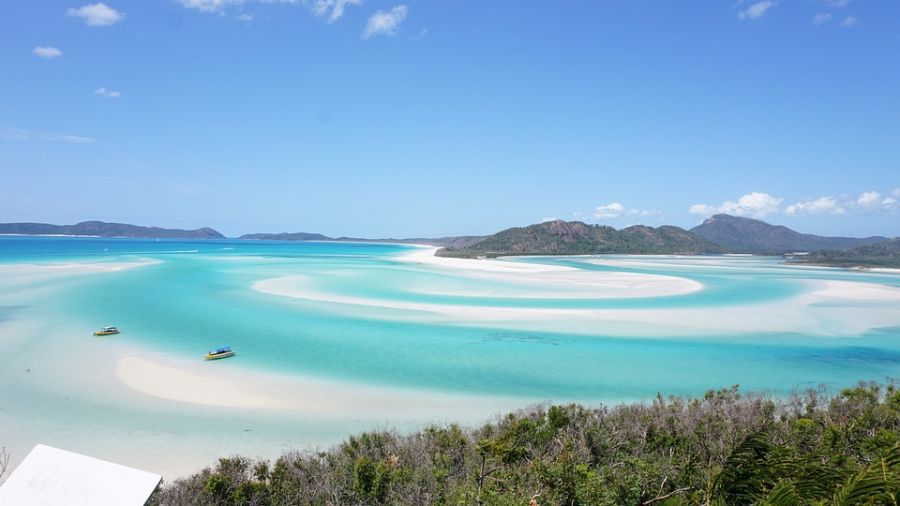
One of Australia’s most beautiful beaches, located on the Whitsunday Island not far from the mainland.
It truly reveals its beauty from above: it looks as if the marvelous turquoise water is creamy, due to swirling sands. This magnificent panorama unfolds before us from the Hill Inlet lookout.
Kakadu National Park
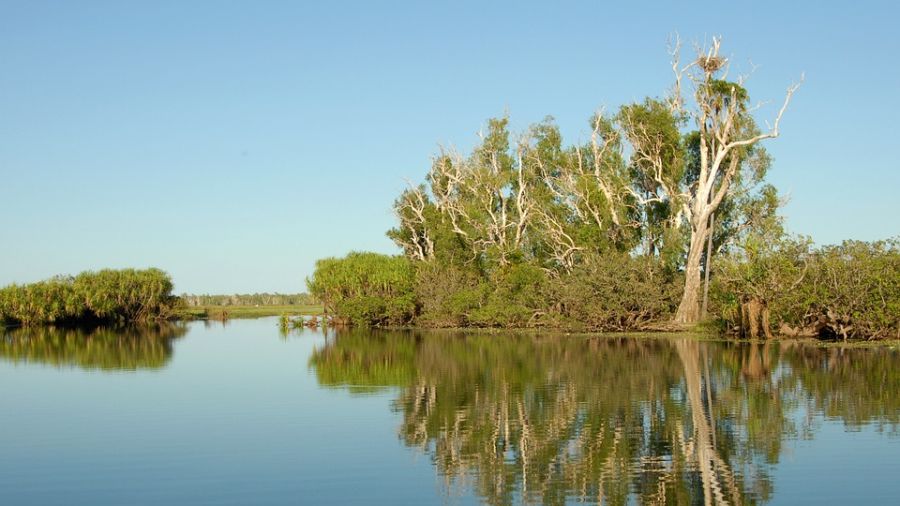
Located in the northern part of Australia, it’s the continent’s largest national park.
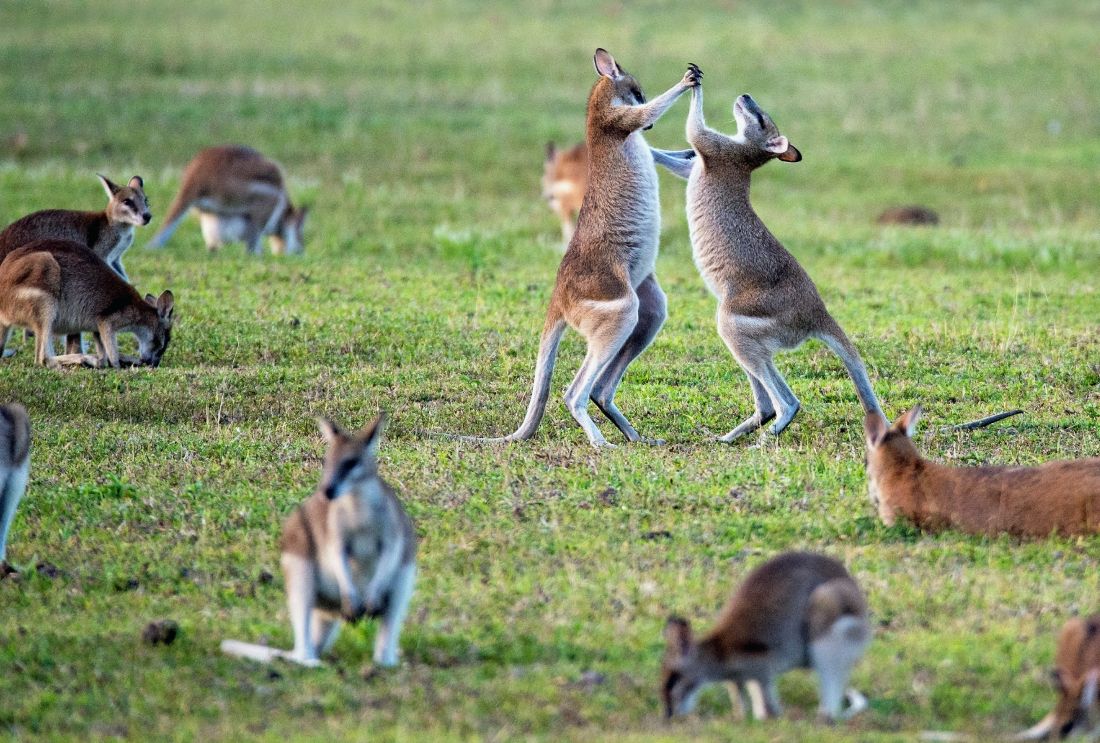
Situated along the coast in a tropical climate, it is covered by mangrove forests where marine and terrestrial ecosystems meet. The national park is home to crocodiles, kangaroos, dingoes, and cockatoos living in paradisiacal conditions.
It boasts over 1600 plant species, 300 bird species, and 5000 known rock paintings made by Australian Aboriginals.
Tasmania
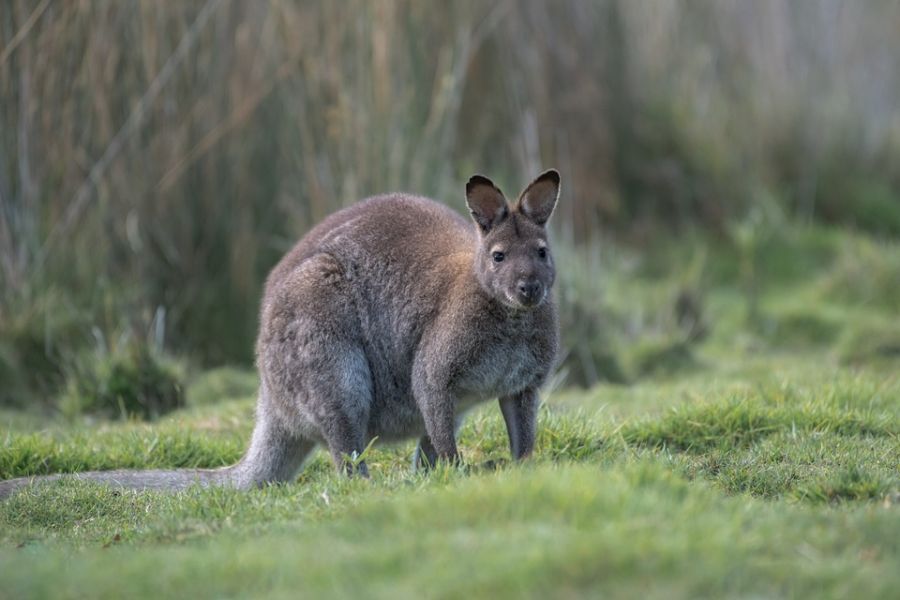
An Australian state, located south of the Australian mainland, east of the Great Australian Bight, and west of the Tasman Sea.
Unlike the mainland, Tasmania is notably green. The massive body of water surrounding the island has created lush rainforests, especially in the west. Its wildlife is unique: its two most famous mammals are the Tasmanian devil and the platypus.
Perth
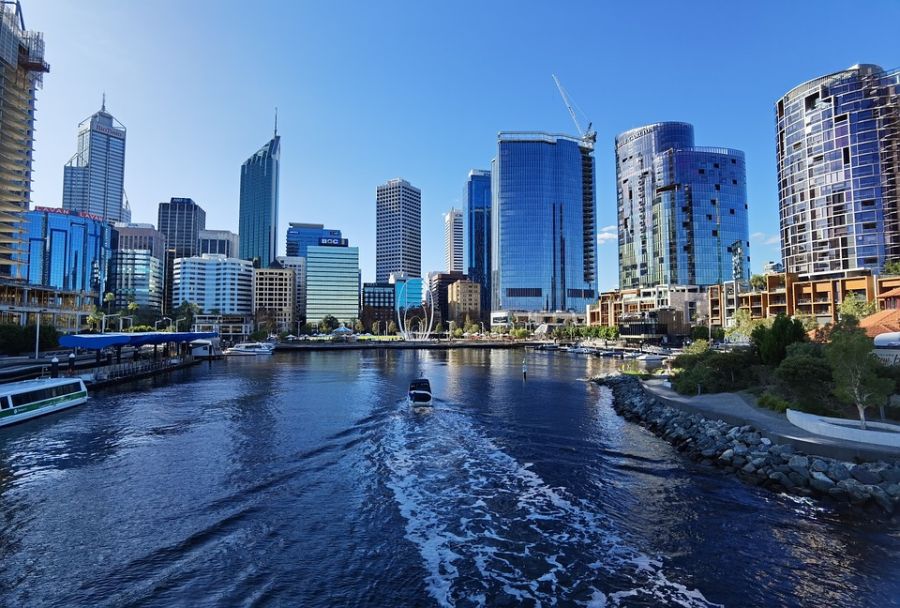
The capital and largest city of Western Australia. An excellent base for exploring the desert areas.
A travel writer called it the world’s most remote city, as Perth has a larger population than the whole of Western Australia outside Perth. Nevertheless, it’s worth visiting for its attractions.
Beaches stretch along the city and its long coastline. In the city center, Kings Park and the Perth Botanic Garden are the main attractions, larger than New York’s Central Park.
Great Ocean Road
It is stretching about 240 km southwest of Melbourne.
Part of the Australian national heritage, it was built after World War I. Hence, several Victorian-era towns can be found along the road.
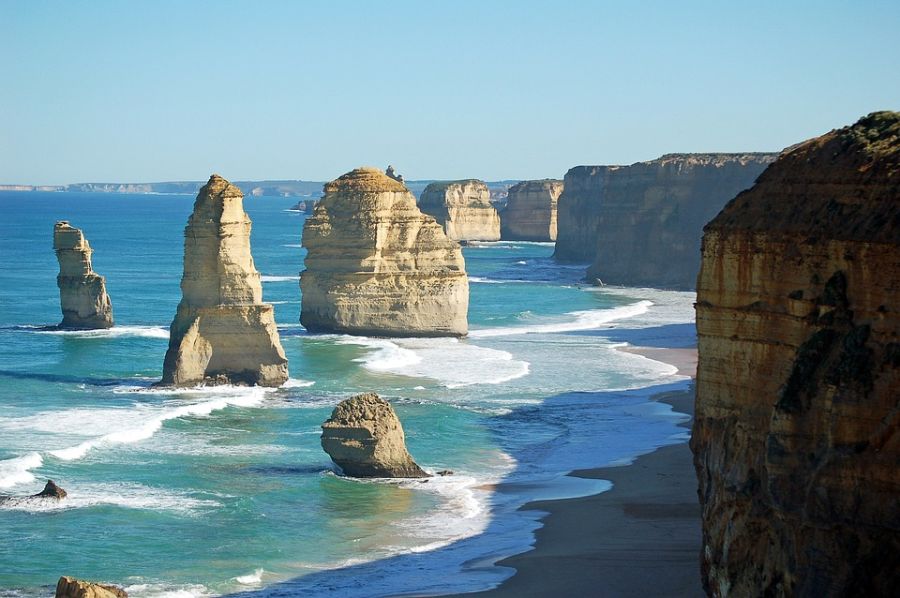
The biggest attraction of this part is the 12 Apostles, a group of limestone pillars in the ocean. Unfortunately, some have collapsed due to erosion, but they remain an iconic part of the route.
Of course, this stretch of road is also lined with numerous beautiful beaches, surf spots, and charming resort towns.
Karijini National Park
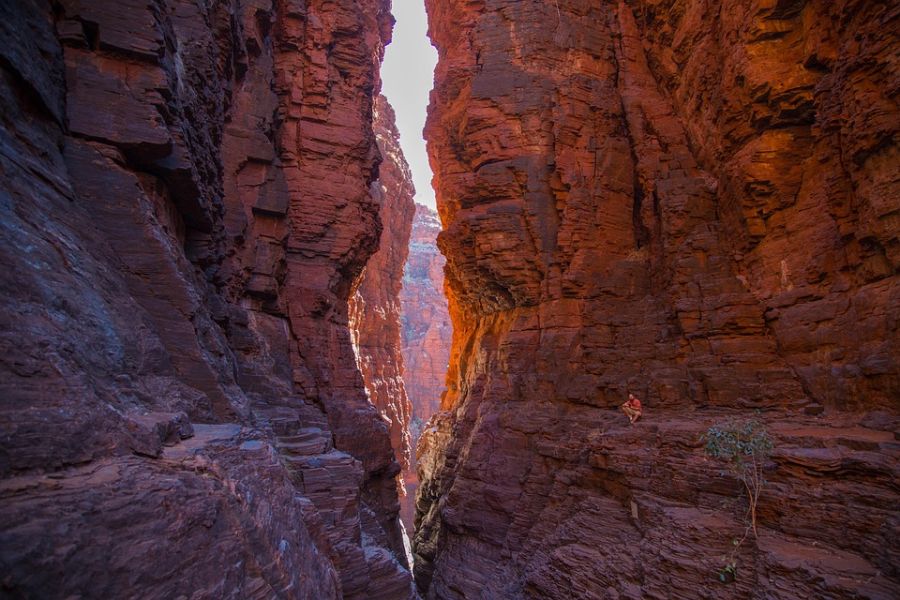
One of the most visited national parks, where a series of canyons and gorges can be explored.
Deep valleys feature streams and rivers forming pools, which are particularly refreshing to dip into during the summer heat. Several gorges have trails developed so that families can also traverse them.
Adelaide
The center of Western South Australia, initially intended to be the capital.
Adelaide is known for its numerous cultural events, festivals, gastronomy, local wines, and culture.
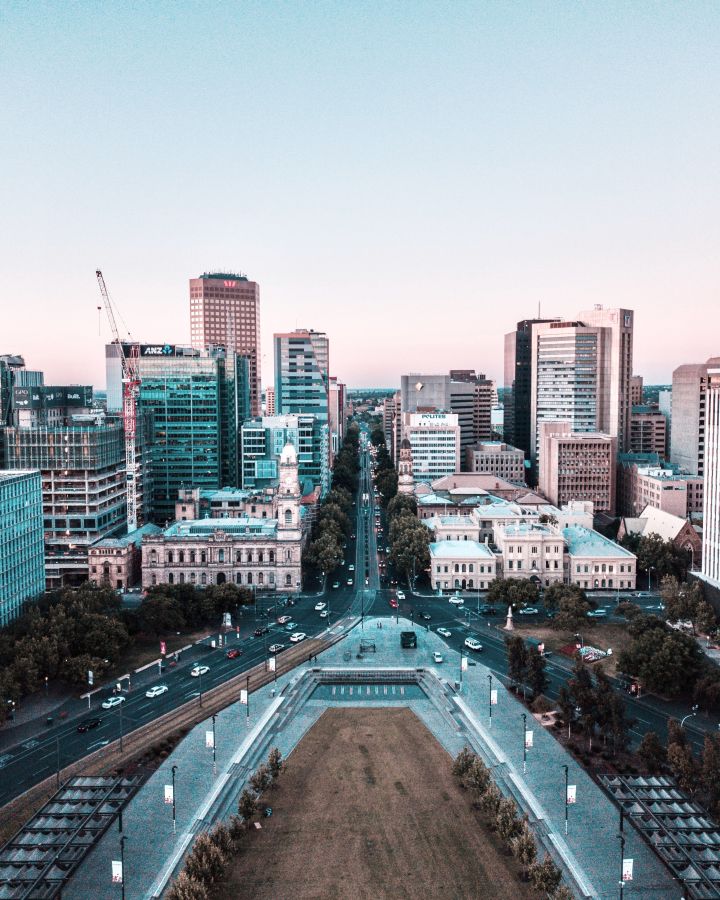
Adelaide’s location and surroundings are rich in attractions. The city is surrounded by a large green area, with long sandy beaches stretching along the coast. Kangaroo Island, not far away, is an excellent place to observe wildlife in the wild.
Adelaide attractions, museums, weather
MacDonnell Lake
Located in South Australia, about 2 km from the seashore, the lake is known for its „two-toned” appearance.
The lake is divided into two parts. On one side of the road, the water is blue, and on the other, it’s pink due to an algae. The view is even more spectacular from above, as two completely different colors meet in nature.
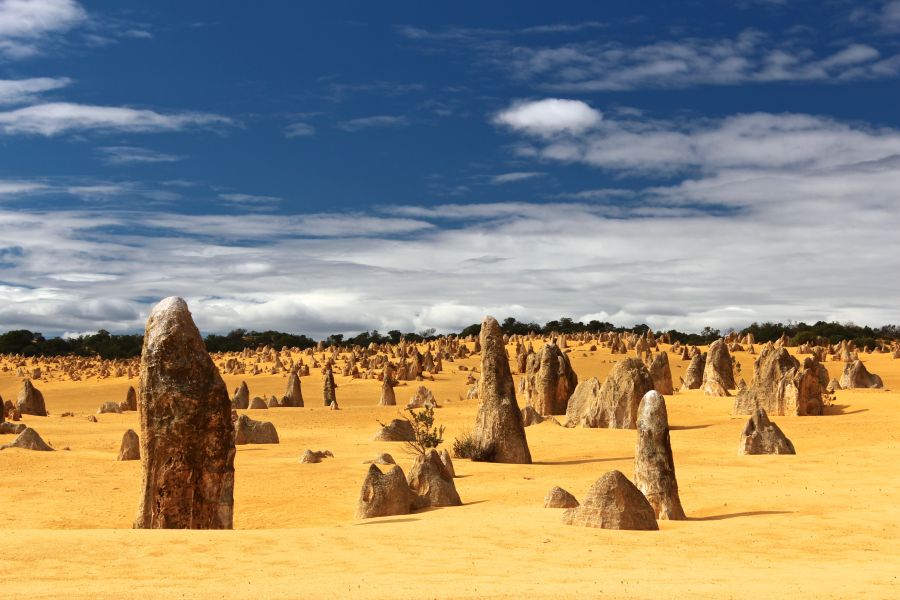
Pinnacles Desert
The Pinnacles Desert is a part of the Nambung National Park in Western Australia, a unique location.
Numerous distinctive limestone pillars are found here, bordering the sandy landscape. These pillars vary in shape and size, with some reaching up to four meters in height.
The formations took thousands of years to develop, accumulating from the remains of sea shells and subsequent calcium carbonate deposition. Its spectacular landscape makes it a popular tourist destination, especially among photographers and nature enthusiasts.