
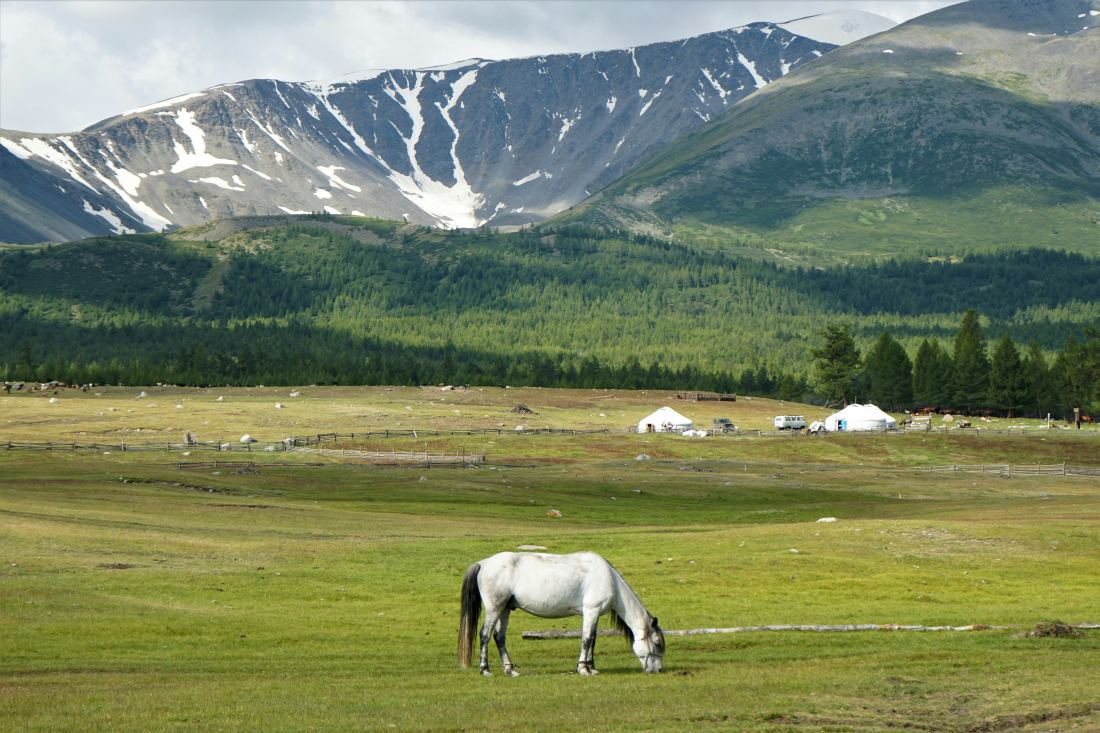
Mongolia is one of the homelands of nomadic culture, where endless steppes, majestic mountains, and ancient traditions meet.
Mongolia is a vast country in the heart of East Asia, stretching between Russia and China. Despite this, it is the most sparsely populated independent state on Earth.
Mongolian culture has been built on nomadic traditions for millennia, which continue to live on in the modern world. Alongside yurts, horseback herding, and traditional lifestyle, Mongolia boasts a rich historical heritage, as the world’s largest land empire once ruled from here.
Table of Contents
Best places in Mongolia
Gobi Desert
The southern part of Asia’s largest desert stretches across Mongolia’s territory and is one of the world’s most unique arid regions. The Gobi is not a typical sand desert, but rather a barren rocky plateau covered by sand dunes only in places.
Numerous paleontological discoveries have been made in the desert, including dinosaur eggs and skeletons unearthed from the sand. The Bayanzag site, known as the Flaming Cliffs, has enriched science worldwide with famous fossils. The red sandstone cliffs offer a dazzling spectacle especially at sunset, when they glow in flame-red colors.
The Gobi Desert is home to many rare animals such as the Gobi bear and snow leopard. Nomadic herders with their camels and sheep still traverse these seemingly endless territories today, maintaining their millennia-old traditions.
Singing Dunes
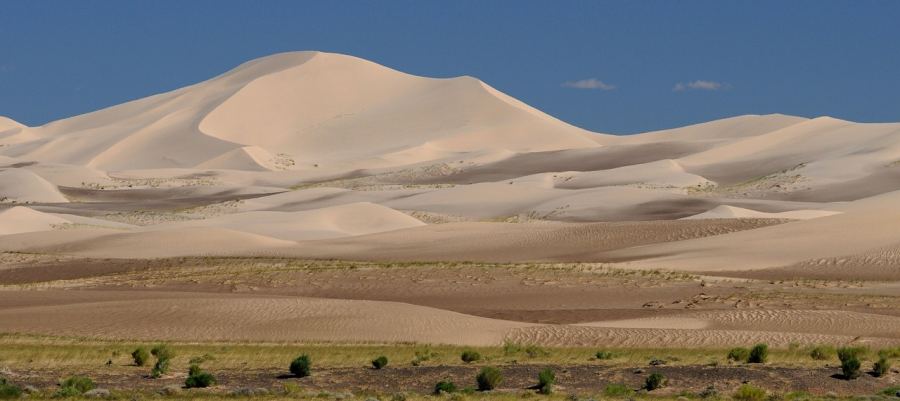
Located in the southern part of the Gobi Desert, Khongoryn Els, or the Singing Dunes, is one of Mongolia’s most mystical natural wonders. These massive sand dunes can reach heights of up to 300 meters and stretch for more than 100 kilometers.
The uniqueness of the dunes lies in their ability to produce deep, humming sounds when affected by wind, which can be heard from several kilometers away. This phenomenon results from sand grains sliding over each other when wind moves the sand at the top of the dune. According to local Mongolians, this sound is the song of dragons, and numerous legends surround these mystical formations.
Climbing the dunes is a real challenge, but the panorama from the top offers an unforgettable experience. During sunrise and sunset, the dunes show a new face of this ancient landscape every moment.
Ulaanbaatar
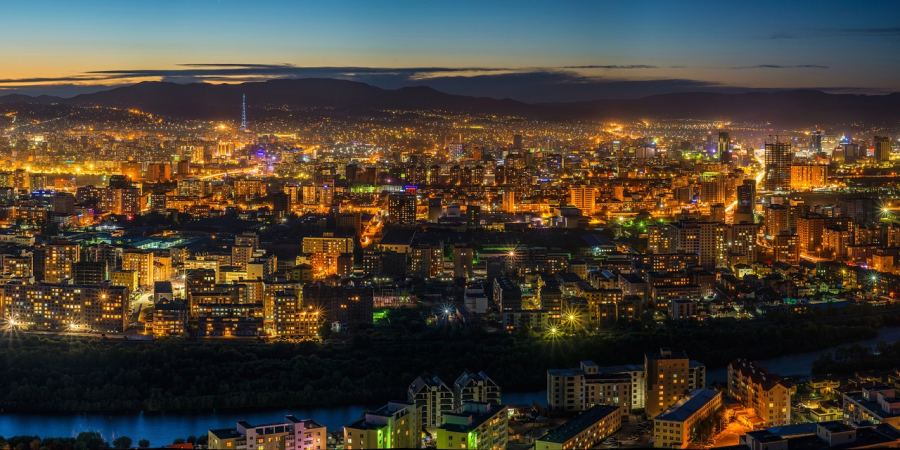
Mongolia’s capital and largest city concentrates nearly half of the country’s population. The city’s name means „red hero” and has borne this name since 1924, derived from the Mongolian national hero Sukhbaatar.
Ulaanbaatar is a unique metropolis where modern skyscrapers stand alongside traditional yurts, illustrating Mongolia’s rapid development and cultural diversity. At the heart of the city lies Sukhbaatar Square, surrounded by imposing buildings including Parliament and the National Opera. The nearby Gandan Monastery is Mongolia’s most important Buddhist pilgrimage site, where active monastic life continues today.
The Zaisan Memorial near the city symbolizes Soviet-Mongolian friendship, and from its top offers a wonderful view of Ulaanbaatar and the surrounding mountains. The Winter Palace Museum, the former palace of Bogd Khan, introduces visitors to valuable artworks and religious objects.
Karakorum
The former capital of the Mongol world empire was founded around 1220 by Ögedei Khan, son of Genghis Khan.
During the city’s golden age, it was one of the most important stations on the Silk Road, where different cultures and religions lived peacefully side by side. Marco Polo also visited here during his travels and left detailed descriptions of the city’s wealth and diversity. Karakorum was not only a political center but also a stronghold of sciences and arts, where scholars and craftsmen came from all over the world.
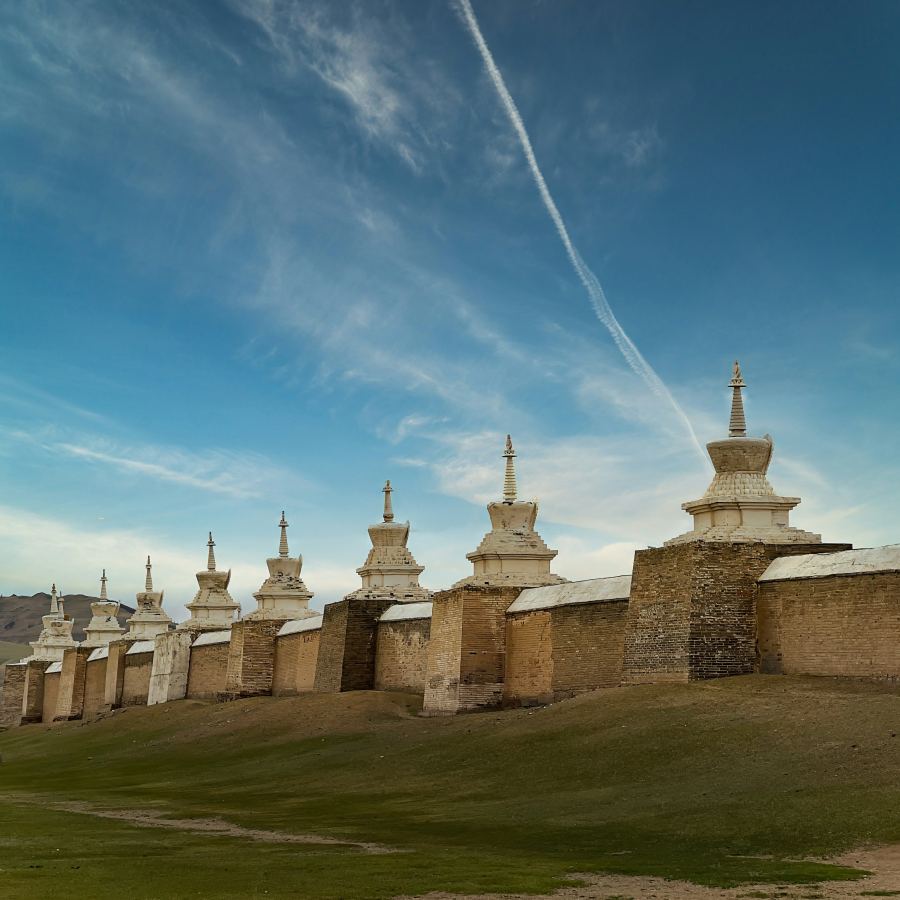
Today, beside the ruins of Karakorum stands the Erdene Zuu Monastery, Mongolia’s first Buddhist temple, built in 1585 from the stones of the city. With its 108 stupas and beautiful temple buildings, the monastery is still considered a pilgrimage site.
Altai Mountains
The mountain range rising in western Mongolia stretches along the borders of four countries – Mongolia, Russia, China, and Kazakhstan. The highest point of the range on Mongolian territory is the 4,374-meter-high Khuiten Peak.
It is home to a unique ecosystem where glaciers, alpine lakes, and alpine meadows alternate. The region is inhabited by the rare snow leopard, argali wild sheep, and numerous other protected animal species. Crystal-clear rivers and waterfall-carved valleys run between the mountains.
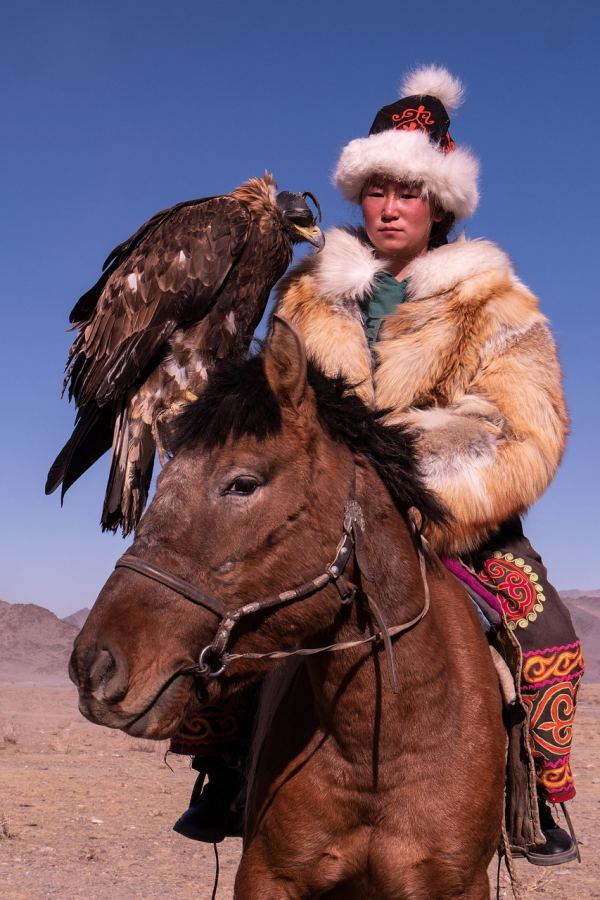
The region is also extremely valuable culturally, as it is home to Kazakh eagle hunters who preserve centuries-old traditions. These nomadic peoples hunt with golden eagles and welcome tourists in their yurt homes, providing insight into their traditional way of life.
Amarbayasgalant Monastery
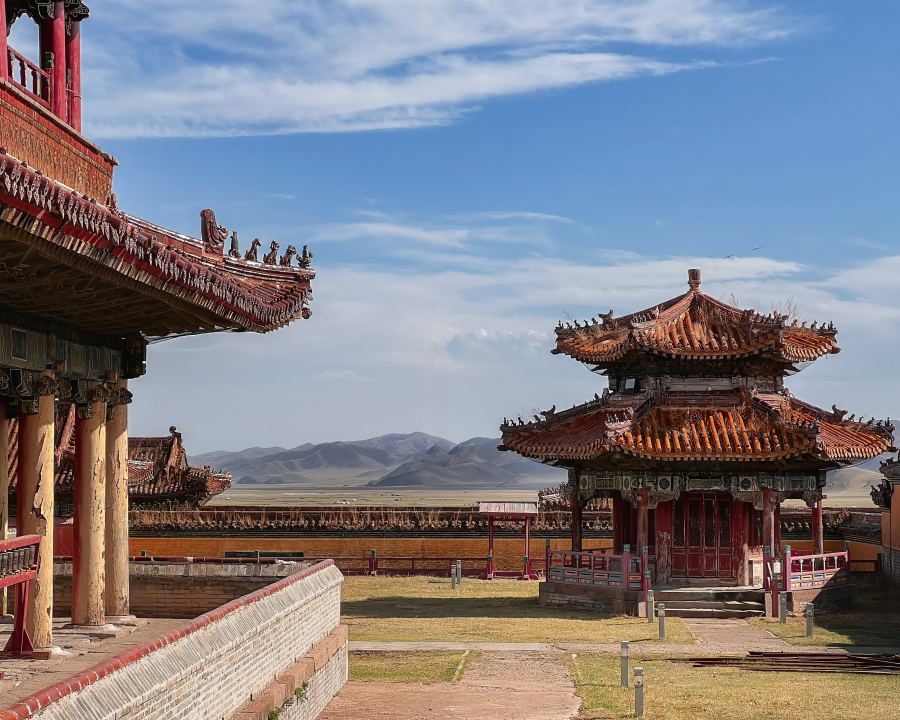
One of Mongolia’s most beautiful and best-preserved Buddhist monastery complexes. Construction began in 1727 in honor of Zanabazar, Mongolia’s first Jebtsundamba Khutuktu.
The monastery’s architecture creates perfect harmony between traditional Mongolian, Tibetan, and Chinese style elements. The complex of 40 temple buildings is situated in the Selenge River valley in a beautiful natural environment. The main temple is decorated with stunning frescoes and Buddha statues that represent the pinnacle of Mongolian Buddhist art.
Throughout its centuries-old history, the monastery has been repeatedly threatened with destruction, especially in the mid-20th century when numerous Buddhist sanctuaries were demolished under the communist regime. Fortunately, it survived these times and is now home to a thriving monastic community again.
Khuvsgul Lake
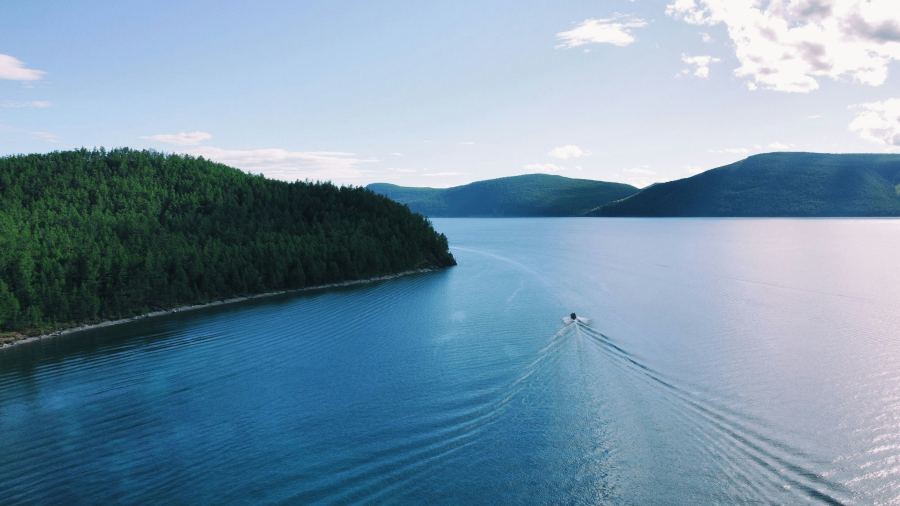
Mongolia’s „blue pearl”, the country’s largest freshwater lake, often called Mongolia’s sea. The lake is 136 kilometers long and 36 kilometers wide, with a maximum depth of 262 meters.
Khuvsgul Lake is one of the world’s purest freshwater reservoirs, with water so crystal clear that we can see 30-40 meters deep. The lake is the „sister” of the ancient Lake Baikal, boasting similar geological origins and ecosystem. The surrounding steppes and forested hillsides create an enchanting environment where traditional nomadic life continues today.
The Tsaatan people living on the lake’s shores engage in reindeer herding and attract visitors with their unique culture. In summer, the lake area is an ideal location for hiking, horseback riding, and fishing, while in winter the frozen water surface offers opportunities for ice skating and ice sailing. The Khuvsgul Lake area is home to more than 200 bird species, including rare waterfowl.
Tsagaan Suvarga
The natural formation also known as the „White Stupa” is located in central Mongolia and is one of the country’s most unique geological attractions. This 60-meter-high and 400-meter-wide rock formation rises from the ancient seabed.
The formation is a stepped structure consisting of layered white, red, and yellow rocks, which from a distance indeed resembles a huge stupa or pagoda. The different colored layers were deposited over millions of years when this area was still considered an underwater seabed. Erosion has shaped its current form and continues to constantly change the appearance of the rock formation.
It offers a stunning spectacle especially at sunset, when the rocks glow golden in the light of the setting sun. The area is rich in fossils, and remains of ancient marine organisms are frequently found here.
Orkhon Valley
The valley, which is part of the UNESCO World Heritage, is considered the cultural heart of Mongolia, where continuous human presence can be demonstrated for millennia.
Along the banks of the Orkhon River flowing through the valley are the famous Orkhon Waterfalls, which fall from a height of 20 meters and offer a spectacular sight especially in winter when they freeze into ice. Natural hot springs emerge in the river valley, attracting visitors with their healing waters. The Naiman Nuur, or Eight Lakes area, enriches the landscape’s beauty with crystal-clear mountain lakes.
Numerous archaeological sites are found in the Orkhon Valley, including prehistoric rock paintings, Turkic stone statues, and Mongol-era remains. Due to the valley’s natural beauty and cultural richness, it is considered one of Mongolia’s most important tourist destinations.
Ölgii
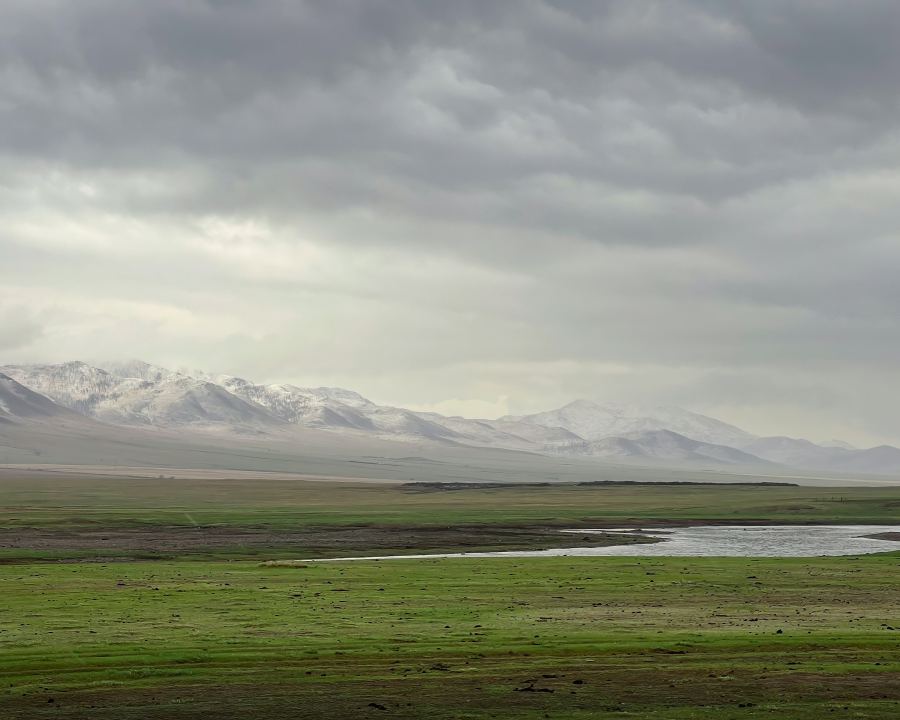
The city located in western Mongolia at the foot of the Altai Mountains is the seat of Bayan-Ölgii Province and the cultural center of the Kazakh minority. The city’s name means „cradle” in Mongolian, and it is indeed the cradle of the special Kazakh-Mongolian culture.
Ölgii and its surroundings are famous for Kazakh eagle hunters who preserve centuries-old traditions in hunting with golden eagles. The museum in the city center presents a rich collection of local culture, folk costumes, and traditional crafts.
It is famous for the autumn Eagle Festival, where visitors come from all over the world to participate in this unique cultural event. Kazakh families welcome tourists with hospitality in their traditional yurts, where they can taste local specialties and learn traditional handicraft techniques.
Terelj National Park
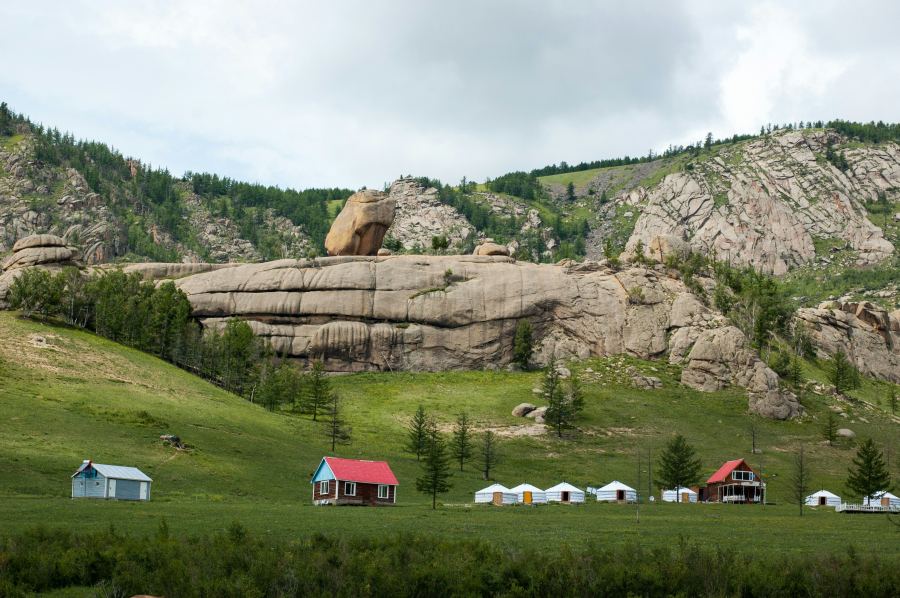
Located just 70 kilometers northeast of Ulaanbaatar, this nature reserve is one of Mongolia’s closest and most popular national parks. The park’s area shows a varied landscape, with granite rocks, forested hillsides, and flowering meadows alternating.
Its most famous attraction is Turtle Rock, a natural granite formation that indeed resembles a giant turtle. The nearby Aryabal Monastery is a hilltop Buddhist temple from which there is a beautiful view of the valley and surrounding mountains. The park contains the Genghis Khan statue, the world’s largest equestrian statue, which is 40 meters high and visible from far away.
It’s an ideal location for getting to know Mongolian nomadic culture, as there are numerous tourist yurt camps here where visitors can experience traditional Mongolian lifestyle in authentic conditions.
Yolyn Am (Eagle Valley)
The deep gorge located in the heart of Gobi Gurvan Saikhan National Park has carved itself into the rocks on the southern slopes of the Zuun Saikhan Mountains. The gorge’s name means „valley of vultures”, named after the vulture species living in the area.
Its uniqueness lies in the fact that even during the hottest months of summer, ice can be found in the depths of the gorge, where the shadow of high rocks protects the ice from solar radiation. Some parts of the narrow valley are so deep and narrow that they are only a few meters wide, and the walls can rise up to 200 meters high on both sides.
The gorge is home to rich flora and fauna, which creates a sharp contrast with the surrounding desert landscape. Several rare plant species and numerous endemic animal species can be found here, including the snow leopard. During the exploration of the gorge, we can encounter crystal-clear streams and smaller waterfalls.