

Provence is one of the most enchanting regions of Southern France. From the scent of lavender to historical monuments, from picturesque hilltop villages to wild gorges, every traveler can find their favorite in this diverse landscape.
Table of Contents
Provence attractions
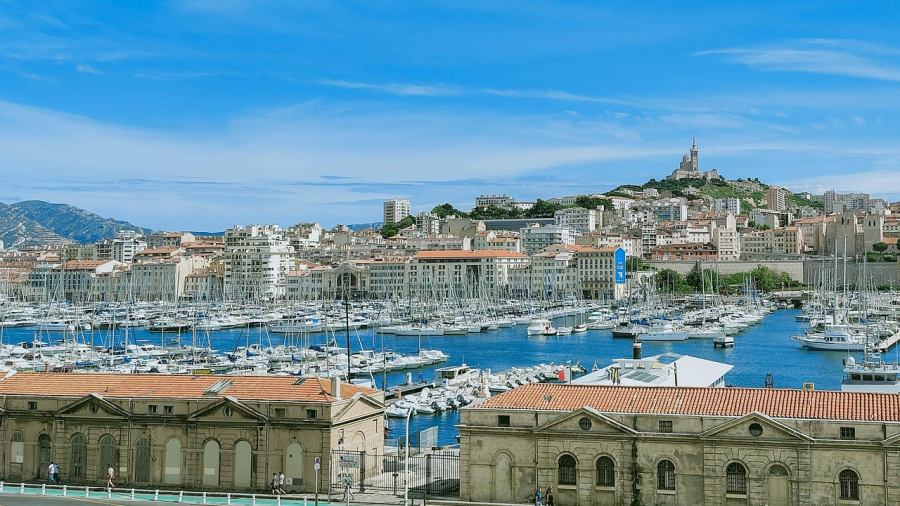
Marseille
The largest city on the Mediterranean coast is simultaneously a modern metropolis and an ancient port city. Serving as the gateway to the French Riviera, this settlement offers unforgettable experiences with its millennia-old history, cosmopolitan atmosphere, and unique location.
The Old Port (Vieux-Port) is located in the heart of the city, where walking among the fishing boats, we can feel the pulse of Mediterranean culture. The Notre-Dame de la Garde basilica, towering above the city, offers unparalleled views of the sea and surrounding islands.
Wandering through the narrow streets of the Panier district, we can discover a multitude of art colonies, galleries, and small shops. The surrounding calanques – small coves hidden among limestone cliffs – are ideal locations for hiking and swimming, where the crystal-clear turquoise water is captivating.
Gordes
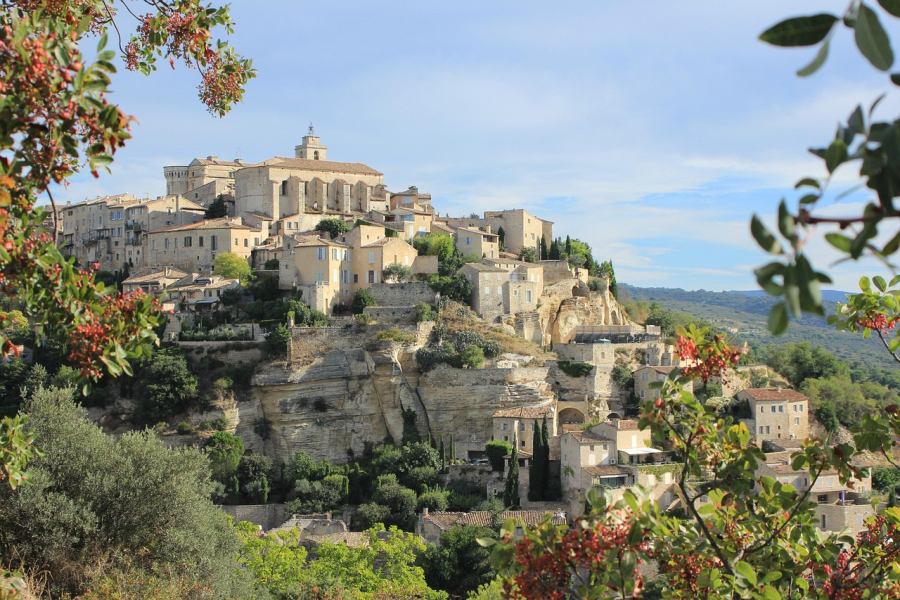
The settlement built on the rocky edge of the Luberon mountains is one of the most beautiful examples of Provençal hilltop villages. The white color of the limestone houses creates a stunning contrast with the surrounding lavender fields and vineyards. The village’s panorama attracts visitors and artists alike from far and wide.
The central castle dates from the 16th century, surrounded by pebble-paved streets winding upward. Walking through the village, we find numerous craft workshops, galleries, and shops selling local products.
The nearby bories – traditional stone domed structures – provide insight into the region’s traditional architectural heritage. The hiking trails running along the surrounding hills offer opportunities to explore the Provençal landscape, where the purple of lavender dominates the countryside in summer.
Saint-Tropez
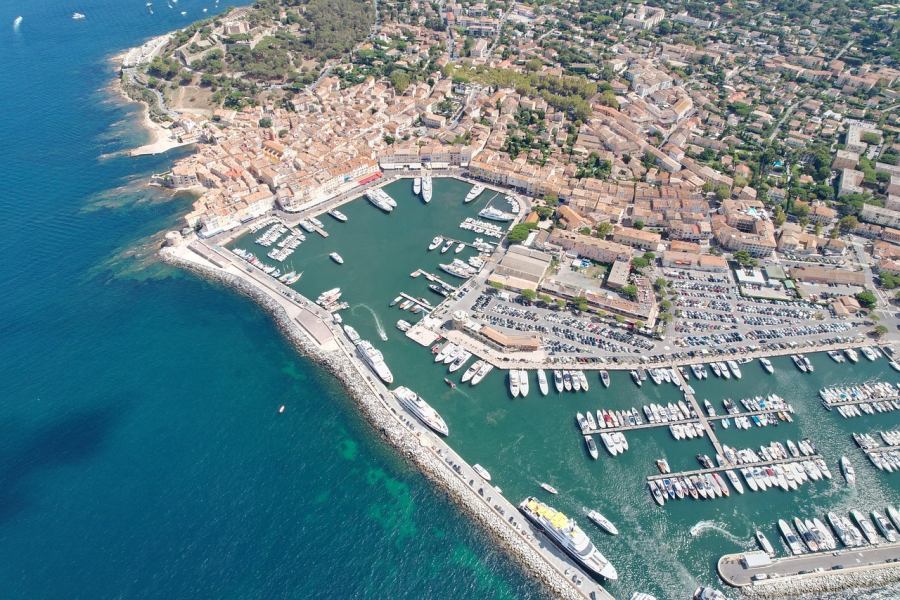
One of the most famous resorts on the French Riviera was once a quiet fishing village, now it has become a symbol of the seaside lifestyle. The picturesque harbor, refined restaurants, and vibrant nightlife attract visitors. However, the old town has preserved its Mediterranean atmosphere and authentic charm.
The luxury yachts and traditional fishing boats lined up along the Port de Saint-Tropez create a curious contrast. Under the plane trees of Place des Lices, a weekly market takes place, where local products and Provençal flavors await shoppers.
From the Citadel fortress, there’s a magnificent view of the city and the sea, and it also houses a maritime museum. The surrounding beaches – like the famous Pampelonne – stretch for several kilometers with golden sand. Exploring the old town, we come across cozy cafés and boutiques in the narrow arcaded streets.
Sénanque Abbey
The Romanesque Cistercian monastery near Gordes is one of Provence’s most iconic locations. During the summer months, the building complex standing in a sea of purple flowers offers an unparalleled sight, making it one of the region’s most photographed places.
The monastery founded in the 12th century follows strict Cistercian architectural principles: simple, unadorned forms characterize it. Monks still live and work here today, and visitors can gain insight into the daily life of the ecclesiastical community.
The monastery’s church, crypt, and cloister can be visited, where the centuries-old atmosphere and silence offer a special experience. Among the surrounding hills, hiking trails lead, showcasing both the region’s natural beauty and cultural heritage. It’s worth arriving early in the morning when the number of visitors is still fewer.

Les Baux-de-Provence
The fortified village built on the rocky edge of the Alpilles mountains is one of Provence’s most dramatically situated settlements. The medieval ruined town stands on white limestone cliffs, into which the structure almost blends.
The castle ruins, medieval houses, and narrow alleys bring the past to life. From the walls, the entire surrounding area unfolds: vineyards, olive groves, and the Provençal plain visible in the distance.
The Carrières de Lumières below the village hosts multimedia exhibitions in a special art space: giant projections on the stone quarry walls bring famous paintings to life. In the surrounding area, numerous wineries operate, where the famous Les Baux wines can be tasted.

Aix-en-Provence
The region’s cultural center exudes elegance and refinement as the historical capital. Cézanne’s birthplace still attracts artists today, and the wide, plane tree-lined boulevards and Baroque architecture create a special atmosphere. University life and cultural diversity ensure a vibrant ambiance.
Cours Mirabeau is the city’s pulsating main street, where café terraces line up opposite 17th-18th century aristocratic palaces. The fountains – more than a hundred are found in the city – refresh the air on hot summer days.
The labyrinthine streets of the historic old town are dotted with galleries, boutiques, and markets. The Cézanne Studio now functions as a museum, where we can view the painter’s original workplace. The Sainte-Victoire mountain in the surrounding hills, which Cézanne painted countless times, is a popular hiking destination, where we can see the landscape immortalized by the artist in real life.
Avignon
The city standing on the banks of the Rhône River wrote itself into history as the residence of the medieval popes. The city walls, the monumental Papal Palace, and the remains of the famous bridge all attest to its former power. Cultural diversity and historical heritage still define the city’s character today.
The Papal Palace is one of Europe’s largest Gothic building complexes, built in the 14th century. Within the massive walls, ceremonial halls, chapels, and living quarters are hidden, showcasing the luxury of the papal court.
The Saint-Bénézet bridge – also immortalized by the famous song – has only partially survived, but it’s an iconic sight. Walking through the medieval old town streets, we can discover numerous museums, churches, and galleries. In summer, the city hosts an international theater festival, attracting performers and audiences from around the world.

Verdon Gorge
Europe’s largest gorge offers a breathtaking natural spectacle with the turquoise Verdon River at its depth. The limestone walls rise up to 700 meters high, while the serpentine roads provide unparalleled viewpoints. The region is a paradise for hikers, kayakers, and water sports enthusiasts.
The Route des Crêtes panoramic road runs along the gorge’s edge, where viewpoints line up. The hiking trails are of varying difficulty levels, including some that descend to the river level.
Lake Sainte-Croix, an artificial lake at the gorge entrance, is an ideal place for relaxation. The lower section of the gorge can be explored by kayak or pedal boat, where the water is crystal clear and cold. The surrounding villages, like Moustiers-Sainte-Marie, serve as starting points for explorations. The gorge shows a different face in all four seasons, but summer is the most visited.

Roussillon
The village situated in the middle of red ochre quarries offers a colorful spectacle. The walls of the buildings shine in shades ranging from yellow to deep red, derived from the natural pigmentation of the surrounding rocks. This geological peculiarity makes the settlement one of Provence’s most photogenic places.
In the village center, small squares and narrow streets wind around, where galleries and craft shops can be found. The Ocres Sentier – the ochre trail – is a guided hiking path in the quarry area, where we can walk among differently colored earth formations.
From the viewpoints, a magnificent panorama unfolds over the Luberon Valley. Walking in the forests around the village, the contrast of pine green and ochre-red soil offers a special experience. In local artists’ workshops, we can observe how they use natural pigments for painting. On market day, local producers offer fresh vegetables, fruits, and Provençal specialties.

Arles
The city at the Rhône delta attracts visitors with its Roman heritage and connection to Van Gogh. The meeting of antiquity and modern times characterizes this place, where both the amphitheater and the medieval old town define its character. The city’s atmosphere inspired Van Gogh to create his most famous paintings.
The Roman amphitheater is still in use today: in summer, we can attend bullfights and concerts. The ruins of the ancient theater are also visitable, where marble columns and statue fragments hint at its former splendor.
Throughout the city streets, signs indicating the locations of Van Gogh’s paintings guide us. The Foundation Van Gogh honors the painter’s memory with temporary exhibitions. The wild landscape of the nearby Camargue, with horses, bulls, and flamingos, completes the experience. The Saturday market is one of Provence’s most colorful, where besides local products, fabrics and handcrafted items are available.

Valensole Plateau
The vast lavender fields turn the landscape purple in summer. The plateau is one of Provence’s most characteristic regions, where the rows of fragrant plants stretch for kilometers.
The sporadically standing farmhouses and solitary trees among the fields create a perfect composition. During the lavender harvest, the air is filled with the aroma of the fragrant plant. The lavender season – from late June to late July – attracts thousands of photographers and nature lovers here every year.
In the southern part of the plateau, almond and sunflower fields alternate with lavender plantations. In the surrounding villages, small businesses operate, producing lavender oil and cosmetics. Local producers are often open to visitors, demonstrating the processing procedure.

Camargue
The Rhône delta creates a unique natural environment where the sea, lakes, and marshes meet. The area’s freely living white horses, black bulls, and flamingos constitute the characteristic wildlife. This wild region has preserved its original character and created a special ecosystem.
In the National Park area, we can observe bird life from observation towers, where hundreds of species live or migrate through. Thousands of flamingos can be seen on the shores of shallow lakes, where the salty water nourishes them.
The gardians – local cowboys – herd the black bulls on horseback according to traditional customs. Les Saintes-Maries-de-la-Mer, a seaside settlement, is the region’s center, where its Roman church is considered a pilgrimage site. The sandy beaches stretch for kilometers, where nature has remained almost untouched.

Toulon
The headquarters of the French navy is also a significant port city on the Mediterranean coast. The city’s strategic location has defined its character for centuries, but the historic old town and surrounding mountains also represent an attractive destination for tourists.
Next to the harbor, smaller fishing boats also find space alongside the large ships. At the Cours Lafayette market, local producers sell their goods every morning: fresh fish, vegetables, and Provençal spices.
We can reach Mont Faron mountain by cable car, from where the entire bay can be seen. On the mountain, a museum preserves the memory of the landing that took place during World War II. Walking through the narrow streets of the old town, we discover Baroque buildings and small squares. The surrounding bays with crystal-clear water and rocky shores await bathers and divers, where the Mediterranean Sea’s rich underwater world can be explored.

Saint-Rémy-de-Provence
The small town at the foot of the Alpilles mountains attracts visitors with its peaceful atmosphere and historical monuments. Van Gogh spent a year here in the psychiatric institute, where he painted many of his most significant works.
The Glanum Roman archaeological site is located near the town, where remains of temples, baths, and residential houses can be seen. The triumphal arch and mausoleum have survived in particularly good condition.
The Saint-Paul de Mausole monastery, where Van Gogh treated himself, now functions as a museum. Walking in the garden, we can find those locations that the artist painted. In the town center, a weekly market takes place, which is one of Provence’s liveliest.
Orange
The ancient Roman city still preserves impressive monuments of antiquity. The city’s Roman theater is Europe’s best-preserved ancient theater building, which is still a functioning concert and performance venue today. The harmony of historical significance and modern cultural life makes this place special.
The Theatre Antique’s acoustics are still perfect today, the huge stage wall, which is 37 meters high, has remained in its original state. In summer, the Orange Opera Festival is held here.
The city’s other Roman monument is the triumphal arch, which stands in the city center and boasts extraordinarily rich decoration. Walking through the old town streets, we discover medieval houses and small squares. The local museum presents the city’s Roman era and rich history, which evolved over the ages passing through the settlement.
Moustiers-Sainte-Marie
The settlement built at the foot of the cliff face is one of France’s most beautiful villages. Babbling streams run through the houses, fed by waterfalls cascading from above. The village is located at the entrance to the Verdon Gorge, offering an ideal starting point for exploring the area.
The village’s most striking feature is the chain stretched between two cliff faces, from which a golden star hangs. According to legend, a knight placed it there as a vow upon his return from the Crusades.
The Notre-Dame de Beauvoir chapel towers above the village, reached by 262 steps. The view from here is unparalleled: the village, the valley, and Lake Sainte-Croix in the distance are all visible. Local ceramics are famous throughout France, and we can watch their creation in craft workshops. Walking through the narrow streets, we find numerous workshops, galleries, and shops selling local products that preserve the traditions of Provençal craftsmanship.
